Physical Address
304 North Cardinal St.
Dorchester Center, MA 02124
Physical Address
304 North Cardinal St.
Dorchester Center, MA 02124
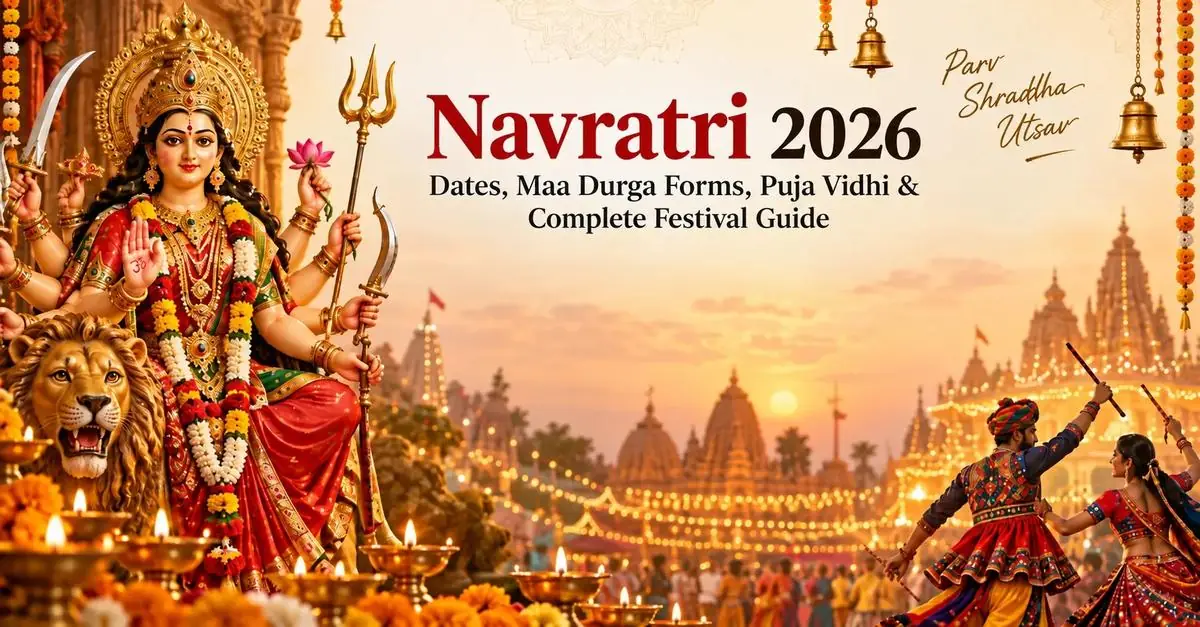
Navratri 2026 will bring nine days of worship dedicated to Goddess Durga, with temple visits, Ghatasthapana, aarti, fasting, Garba, Durga Puja and Vijayadashami forming the heart of the celebration. For devotees, the date is only the starting point: Darshan hours, Pooja timings, booking windows, entry rules and crowd arrangements can differ sharply from one Mandir to another. This article explains the expected festival calendar, how to verify official schedules, what happens during each major ritual, and how to plan a respectful visit without relying on unconfirmed timings or social-media forwards.
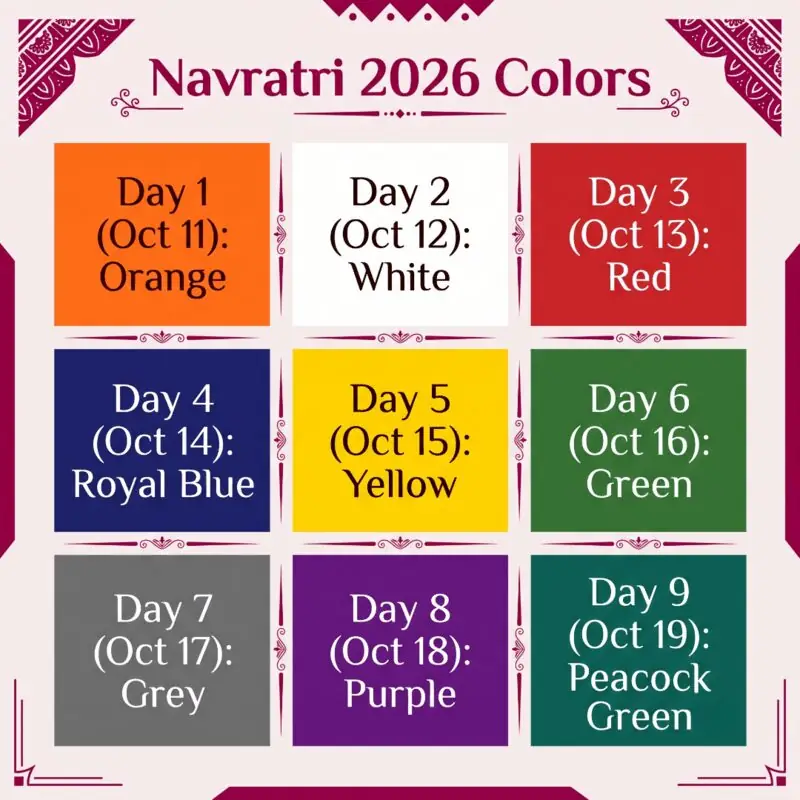
For most Indian readers searching for Navratri 2026, the reference is Sharad Navratri, the autumn festival dedicated to the nine forms of Goddess Durga. Based on commonly followed Hindu lunar calendars, Ghatasthapana is expected to fall on Sunday, 11 October 2026, with the nine-day observance continuing through Navami on Monday, 19 October.
Vijayadashami, also called Dussehra, is generally expected on Tuesday, 20 October 2026. These dates should be checked against the calendar followed by your temple, family or regional panchang before making travel arrangements.
The festival begins on Pratipada, the first lunar day of the bright fortnight of Ashwin. The exact Ghatasthapana muhurat depends on the local sunrise, location and the period considered suitable by the temple priest. A date shown in a national calendar may therefore be correct while the ritual time differs between Delhi, Ahmedabad, Kolkata, Mumbai, Bengaluru, Varanasi or a temple town in the hills.
| Festival stage | Expected 2026 date | What devotees should verify |
|---|---|---|
| Ghatasthapana and Pratipada | Sunday, 11 October 2026 | Local muhurat, Kalash installation time and morning entry rules |
| Navratri days 2 to 7 | 12 to 17 October 2026 | Daily Darshan, aarti, bhog and special Pooja schedules |
| Durga Ashtami | Sunday, 18 October 2026 | Havan, Kanya Poojan, special passes and crowd restrictions |
| Maha Navami | Monday, 19 October 2026 | Navami Pooja, temple closure intervals and final-day rituals |
| Vijayadashami or Dussehra | Tuesday, 20 October 2026 | Processions, immersion arrangements and revised Darshan access |
Some communities observe a different sequence because of local Amanta or Purnimanta calendar traditions, regional customs or the way a temple calculates tithi. Bengal’s Durga Puja, for example, has its own important ritual rhythm within the broader autumn festival. Don’t treat an internet date as a substitute for the notice issued by the Mandir you plan to visit.
A regular temple timetable is rarely reliable during a major festival. During Navratri, the daily routine may include multiple aartis, Alankaram, special Abhishekam, recitation of Durga Saptashati, homam, bhog distribution and ceremonial processions. A temple that normally offers uninterrupted Darshan may introduce pauses so priests can complete a Pooja performed inside the sanctum.
There’s also a practical difference between the time a ritual begins and the time ordinary devotees can enter. If the morning aarti starts at a particular hour, the queue may be stopped before that time and reopened only after the sanctum is prepared. VIP Darshan, donor access, media movement, security checks and visiting dignitaries can affect the public line even when the official timetable appears unchanged.
Timing changes commonly result from:
For that reason, a search result showing “temple opening time” should be treated as background information, not a guarantee. Check the latest official website, official booking portal, verified temple-board social account, helpline or notice displayed at the entrance. If two sources disagree, the newest notice from the temple trust or shrine administration should take priority.
Darshan means seeing and receiving the blessings of the deity. The word doesn’t always imply a fixed appointment.
In one Mandir, visitors may join a general queue during open hours; in another, a time-slot ticket may be compulsory on crowded days. Some famous shrines issue free tokens, while others operate separate lines for general Darshan, paid Darshan, senior citizens, persons with disabilities and special worship bookings.
Start with the official source rather than a third-party listing. Search for the temple’s official domain or use the contact details published by the temple trust. Check whether the page is updated for the 2026 festival season, because a page carrying last year’s Navratri schedule may remain visible in search results long after the event has ended.
Try to reach the area before the reporting time printed on your ticket, not merely before the Darshan slot. Security queues, parking restrictions and walking distances can be substantial. If your booking says 7:00 a.m., it may mean that you must report at a gate by that time; it doesn’t necessarily mean you’ll stand before the deity at exactly 7:00.
Navratri worship varies by temple, but many Mandirs follow a broad pattern of morning preparation, Alankaram, mantra recitation, midday offering, evening aarti and night closure. The goddess may be dressed in a different colour or form each day, reflecting local tradition rather than a universal rule. Devotees may also see special Kalash worship, Akhand Jyoti, Lalita Sahasranama, Durga Saptashati Paath or community bhajan sessions.
Ghatasthapana is one of the most significant opening rituals. A Kalash, often placed with sacred soil, grains, water, leaves and a coconut, represents auspiciousness and the presence of the divine. Because the installation is performed during a prescribed muhurat, the Mandir may restrict public movement while priests establish the Kalash and begin the festival worship.
On Ashtami and Navami, the schedule can become particularly dense. A temple may conduct Havan, Kumari Pooja or Kanya Poojan, special bhog and a longer evening aarti.
These events may be visible to the public, limited to registered devotees or held in a separate area. Don’t assume that a standard Pooja ticket automatically includes participation in every ritual.
Before booking a Pooja, ask what the offering actually covers:
Morning rituals are often chosen by devotees observing a fast, while evening aarti attracts families and larger crowds. Neither is automatically “better.” The suitable option depends on the temple’s published routine and the kind of worship you wish to attend.
There is no single Navratri booking system across India. Each Mandir or temple board decides whether a reservation is needed, when the booking window opens, how many devotees can enter, and which services are available online.
A major Shakti shrine may use a government-supported portal, a trust-operated website or a dedicated mobile application. Smaller temples may issue tokens at a counter on the same day.
Booking windows can open weeks or months in advance, or they may be released in batches closer to the festival. Since no universal 2026 release date applies to every temple, avoid paying an unknown agent who claims to have a guaranteed slot before the official announcement. The official portal should show the name of the temple authority, service description, terms, payment confirmation and a support contact.
| Service | What it usually means | Questions to check |
|---|---|---|
| General Darshan | Entry through the regular public queue | Is a ticket required, and does it have a time slot? |
| Paid or priority Darshan | A separate queue or shorter route where the temple offers it | Does payment guarantee entry or only priority access? |
| Special Pooja | Participation in or sponsorship of a named ritual | Is the devotee present, and what documents are needed? |
| Remote Sankalp or Pooja | A priest performs the ritual on behalf of the devotee | How are Prasad, receipt and identity details handled? |
| Festival pass | Access arranged for a particular day or event | Does it apply to aarti, Havan, Garba or only the temple complex? |
Save the confirmation as a PDF and keep a screenshot on your phone. Network coverage can be weak around crowded temple areas. Carry the original identity document named in the booking instructions, but don’t hand over your phone or password to an unofficial intermediary.
Navratri is one festival with many regional expressions. In Gujarat, evening Garba and Dandiya bring communities together around a decorated image or shrine of the goddess.
The dance may be held in a large ground rather than within the Mandir, so Garba entry passes and temple Darshan tickets are usually separate arrangements. Official tourism information from the Gujarat Tourism Navratri festival page can help with broad cultural context, but it should not replace the notice issued by a particular venue.
In West Bengal, Durga Puja centres on beautifully created images of Maa Durga, cultural programmes, Pushpanjali and immersion processions. The busiest days are associated with Shashti through Dashami, and the schedule of a neighbourhood Puja committee may have little connection with the Darshan routine of a permanent temple. Kolkata visitors should therefore check the committee’s own announcements and local traffic advisories.
Himachal Pradesh, Uttarakhand, Karnataka, Tamil Nadu, Telangana, Andhra Pradesh, Maharashtra and other regions follow distinctive customs. Mysuru’s Dasara, for instance, has its own state festival programme; Tamil households may observe Golu; Telangana celebrates Bathukamma during the wider festive season; many North Indian temples organise Ramlila and Kanya Poojan. The nine forms of Durga may be named and worshipped differently according to the Sampradaya and local calendar.
These differences matter for planning. A temple advertised as a “Navratri venue” may offer a religious service, a cultural programme, or both. Read the notice carefully so you know whether you’re booking Darshan, attending a public festival, joining a dance event or visiting a temporary Puja pandal.
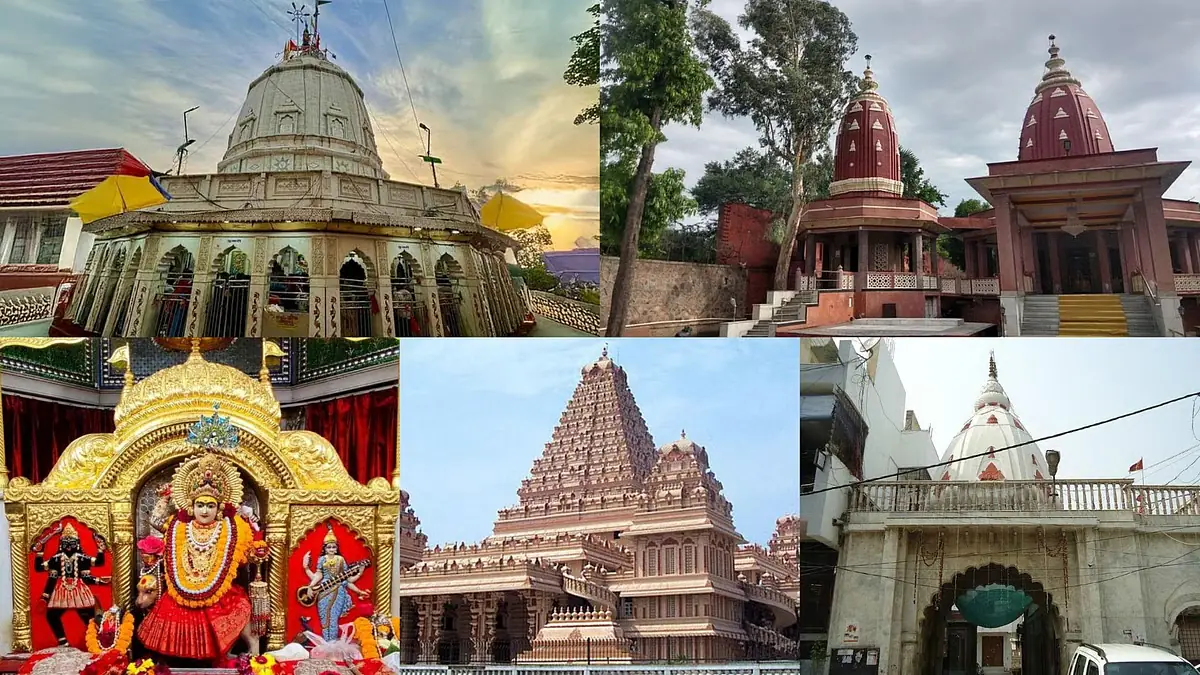
Ashtami, Navami, weekends and the final evening of the festival usually attract stronger demand than ordinary weekdays, but the exact crowd pattern depends on the shrine’s reputation, location and local holiday calendar. A famous Shakti Peetha can be busy every morning, while a neighbourhood Mandir may become most crowded during evening aarti or after office hours.
Plan for waiting even if you have a booking. A ticket may control access but cannot eliminate security screening, queue movement, sanctum pauses or a temporary closure for ritual service. Keep water, essential medicines and a small amount of cash if the temple permits them, but don’t carry unnecessary bags.
Older adults and people with mobility needs should ask about accessible gates, wheelchairs, seating and priority arrangements before travel. Availability may be limited during festival peaks. If you’re fasting, plan carefully for heat, long walks and medicines that require food; religious observance should not put your health at risk.
Example only, not a verified temple schedule: Imagine a family from Pune planning to visit a popular Devi Mandir on Ashtami in October 2026. They find a social-media post stating that Darshan is open all day and decide to arrive after lunch. Before leaving, they check the temple’s official notice and discover that Ashtami includes a morning Havan, a midday sanctum closure and a separate reporting time for booked Pooja participants.
The family then calls the official helpline, confirms that general Darshan remains available after the ritual, and asks whether children can enter the queue. They book only through the authorised portal, save their confirmation, choose a nearby stay and allow extra time for the security line. On the day, they follow the general Darshan signs rather than joining the Pooja queue.
This scenario illustrates the kind of decision-making that prevents avoidable disappointment. It does not claim that any specific temple will follow those timings. The useful lesson is to confirm the date, service, reporting gate and temporary closures directly with the shrine before paying for transport or accommodation.

Devotion is expressed differently across families, but basic temple etiquette is widely understood. Enter quietly, follow the prescribed queue, avoid blocking the sanctum for photographs and listen to instructions from priests or volunteers. Don’t touch an idol, sacred vessel, Kalash or offering area unless the temple explicitly permits it.
Many devotees carry flowers, a coconut, fruits, chunri, incense or a small offering for Maa Durga. Some temples restrict outside food, flowers, plastic packaging or certain items during festival security operations. The safest approach is to check the temple’s permitted-offering list and buy only from an authorised counter when one is provided.
If you’re observing a fast, remember that different households follow different rules. Some people eat fruits and specific grains, while others observe a complete fast.
Prasad offered by the temple may contain ingredients that don’t fit your personal observance, so ask respectfully before accepting it. Pregnant devotees, children, older adults and people with medical conditions should follow appropriate health advice rather than copying another person’s fasting practice.
During aarti, stand where the temple directs you and avoid pushing forward to receive the flame. If you’re participating in Durga Saptashati recitation, keep conversations low and switch your phone to silent. Small courtesies help the ritual remain meaningful for everyone.
Navratri colours are popular in family calendars, schools, offices and social-media posts, but there is no single national colour sequence that every temple must follow. The colours may be linked to the weekday, the form of Durga worshipped, regional custom or a local organiser’s chosen theme. Treat online colour charts as a cultural suggestion unless your Mandir publishes its own list.
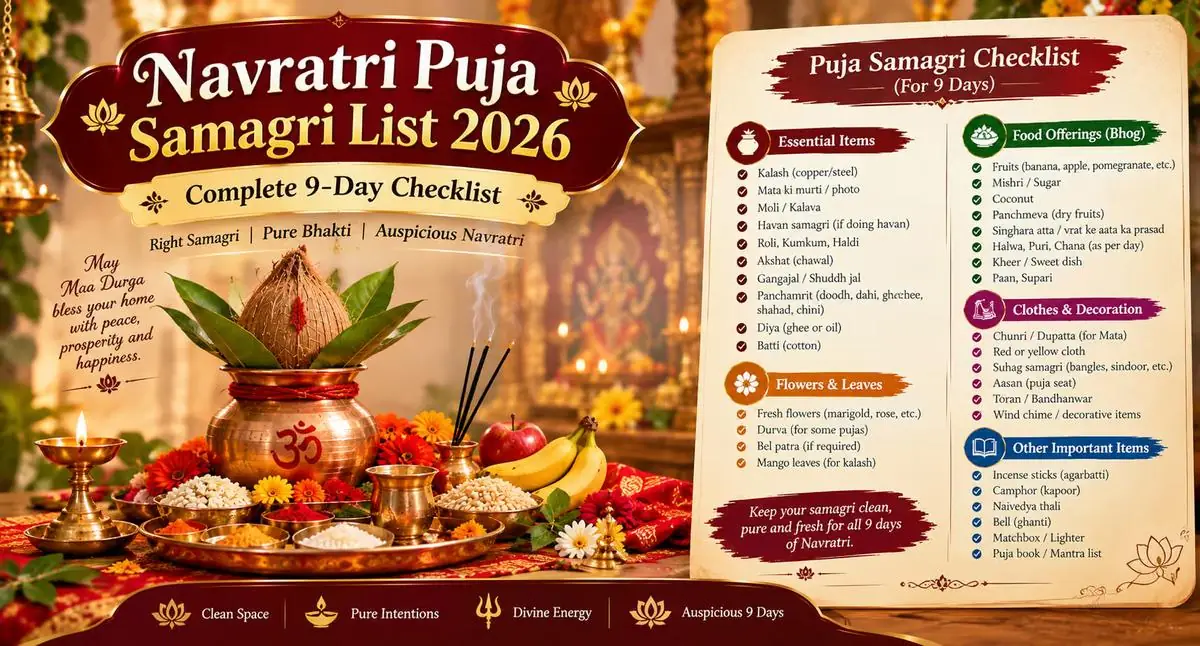
At home, a simple shrine can include a clean cloth, an image of the goddess, a diya, flowers and a Kalash if your family tradition uses one. Keep the worship area safe, especially if an Akhand Jyoti is lit. A short prayer, Durga mantra, naam japa or reading from a trusted translation of devotional scripture can be meaningful without making the ritual complicated.
Families may recite the Durga Saptashati, Lalita Sahasranama or selected stotras according to their tradition. If you’re unfamiliar with Sanskrit pronunciation, use a reliable text or listen to a recognised teacher rather than treating random online lyrics as authoritative. The purpose is focused worship, not performance.
Children can be included by explaining the nine forms of the goddess in simple language, helping arrange flowers or learning why Ashtami and Navami are important. Greetings such as “Jai Mata Di” or “Navratri ki shubhkamnayein” are commonly exchanged, but respectful conduct matters more than elaborate messages or expensive decorations.
Sharad Navratri is commonly expected to begin on 11 October 2026 and continue through 19 October, with Vijayadashami expected on 20 October. Confirm the dates and tithi with the calendar followed by your chosen temple.
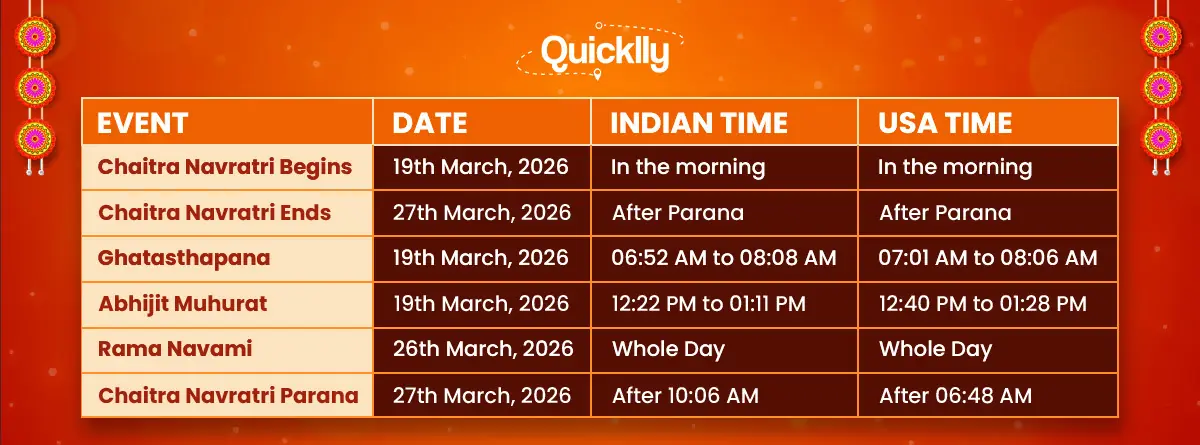
The main Sharad Navratri observance is expected in October 2026. Other Navratri observances, including Chaitra Navratri, occur at a different time of year, so searches can show more than one festival calendar.
Vijayadashami or Dussehra is generally expected on 20 October 2026. Local Ramlila, procession and temple schedules can extend beyond the main date, so check the relevant organiser’s notice.
No. Some temples use general queues, some issue free or paid tokens, and others require time-slot reservations during peak periods. The official temple website, trust office or helpline is the safest source.
There is no universally best day. Ashtami and Navami are spiritually important but often busier. A weekday during the middle of the festival may be more manageable if the temple confirms normal public access.
It depends on the temple. Some aartis are open to general devotees, while others require a pass or have limited seating. Check whether “aarti Darshan” and “Pooja participation” are listed as separate services.
Don’t pay an unofficial agent immediately. Check whether slots are released in batches, whether offline tokens are available, and whether the temple has temporarily paused bookings for a special festival ritual. Use the official helpline for confirmation.
A smooth visit depends less on guessing the quietest hour and more on confirming the details that affect entry. Before leaving home, write down the temple’s official phone number, booking reference, reporting gate and the date of your visit. Keep accommodation and transport plans flexible if you’re travelling on Ashtami, Navami or Dussehra.
Use this final check:
Temple information can change even after a booking is issued. Recheck the notice shortly before travel, and follow the latest instruction given by the shrine administration on the day. That small step protects your time, money and peace of mind while allowing you to focus on worship.
Navratri 2026 will be easier to experience when you separate the festival calendar from the individual temple timetable. Confirm the expected October dates, identify the official booking channel, ask about Darshan and Pooja separately, and allow extra time for rituals and crowds. Most importantly, treat every published timing as subject to the temple’s latest notice.
Before booking transport, contact your chosen Mandir and save its most recent advisory. A careful check today can turn a rushed visit into a respectful Darshan, whether you’re attending aarti, joining family worship, or witnessing the wider celebration of Goddess Durga.





