Physical Address
304 North Cardinal St.
Dorchester Center, MA 02124
Physical Address
304 North Cardinal St.
Dorchester Center, MA 02124
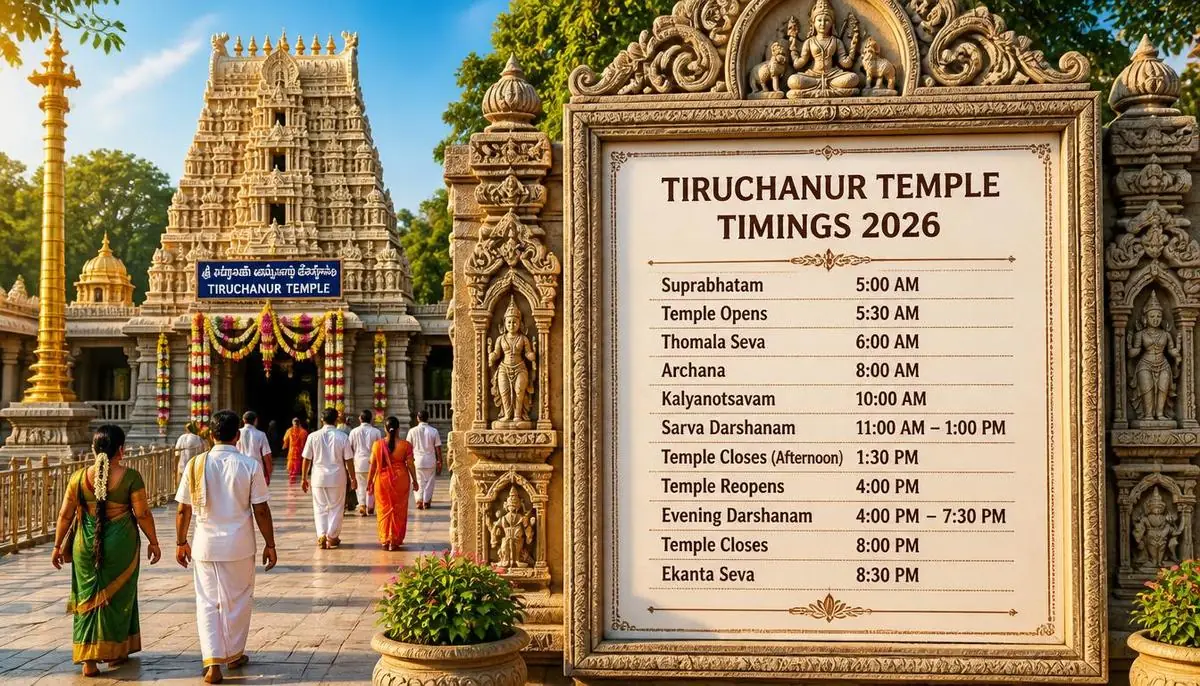
Tiruchanur temple timings matter because a visit to the Padmavathi Temple near Tirupati is shaped by daily rituals, seva schedules, crowd movement and occasional changes by the temple administration. A darshan plan that looks simple on paper can change during festivals, special pujas or VIP visits.
Before leaving, you’ll want to know how to check the current opening pattern, when general darshan may pause, how online booking works, what to carry and how much time to keep aside. The practical details below are designed to help you plan respectfully without relying on outdated schedules or unverified claims.
The temple at Tiruchanur, also known as the Padmavathi Temple or Alamelu Mangapuram Temple, follows a ritual calendar rather than a simple retail-style opening schedule. Worship services are performed in a prescribed order, and the movement of devotees may be regulated while a seva is taking place. This means the time printed on an older travel page may not match the arrangement on the day you arrive.
Daily darshan generally fits around activities such as preparation of the sanctum, ritual worship, offerings, archana, special sevas and closing observances. Some services are visible to devotees, while others require the main shrine area to be managed differently. A temporary pause in public entry does not necessarily mean the temple is closed for the entire day.
The most reliable approach is to treat any online timetable as a planning reference until you confirm it through an official channel. Check the Tirumala Tirupati Devasthanams, or TTD, website and its official notices before travelling. You can also verify information through the official booking portal, temple enquiry facilities or a current notice displayed at the temple complex.
Timing changes may happen because of:
For that reason, “open all day” should never be assumed to mean uninterrupted access to the sanctum. The practical question is not only whether the temple is open, but whether the darshan queue is operating at the time you reach the entrance.
Many visitors search for “Padmavathi Temple Tirupati timings today” because they want a straightforward answer. The difficulty is that the current public darshan windows may be adjusted around the day’s sevas. The temple administration can also alter entry arrangements without preserving the same pattern every day, particularly during high-footfall periods.
General darshan is the usual option for devotees who have not booked a specific seva. It normally involves joining a regulated queue and following the instructions of temple staff.
The waiting period depends on the crowd, security checks, queue length and whether a ritual pause is in progress. Even when the queue appears short from outside, movement inside may be deliberately slow to maintain order and devotional discipline.
Visitors should separate three ideas that are often mixed together in search results:
These are not interchangeable. A person who arrives during the broad temple access period could still find that general darshan is temporarily paused. Similarly, a devotee with a seva ticket may need to report well before the actual ritual begins.
Do not plan your Tiruchanur visit with a narrow gap between arrival and a train, airport transfer or Tirupati darshan. A simple visit can take less time on a quieter weekday, while a festival day may involve a much longer queue and additional security movement. Keep extra time for footwear deposit, mobile-phone restrictions, queue diversions, prasadam and transport delays.
If your itinerary includes both Tiruchanur and another shrine, place the Padmavathi Temple visit in a flexible part of the day. The timing of one temple should not be treated as a guarantee for the next. Govindaraja Swamy Temple timings, Srinivasa Mangapuram Temple timings and other local schedules may follow separate arrangements.
Devotees often use the words pooja, seva and darshan as if they mean the same thing. They are connected, but they describe different forms of worship. Darshan is the opportunity to see the deity.
A seva is a specific devotional service conducted according to temple tradition, usually with defined eligibility, reporting instructions or ticket arrangements. Pooja is a broader term for worship and ritual offering.
At the Padmavathi Temple, the daily routine is built around worship of Goddess Padmavathi, also called Padmavati or Alamelu Manga in devotional usage. The shrine is particularly important within the Tirupati pilgrimage circuit because devotees traditionally visit the consort of Lord Venkateswara at Tiruchanoor, located near Tirupati.
Some sevas may have limited participation, while others may affect the flow of general devotees. The availability of a service can depend on the official calendar, ticket inventory, temple decisions and festival arrangements. A service listed on an unofficial page should not be treated as bookable until it appears through an authorised channel.
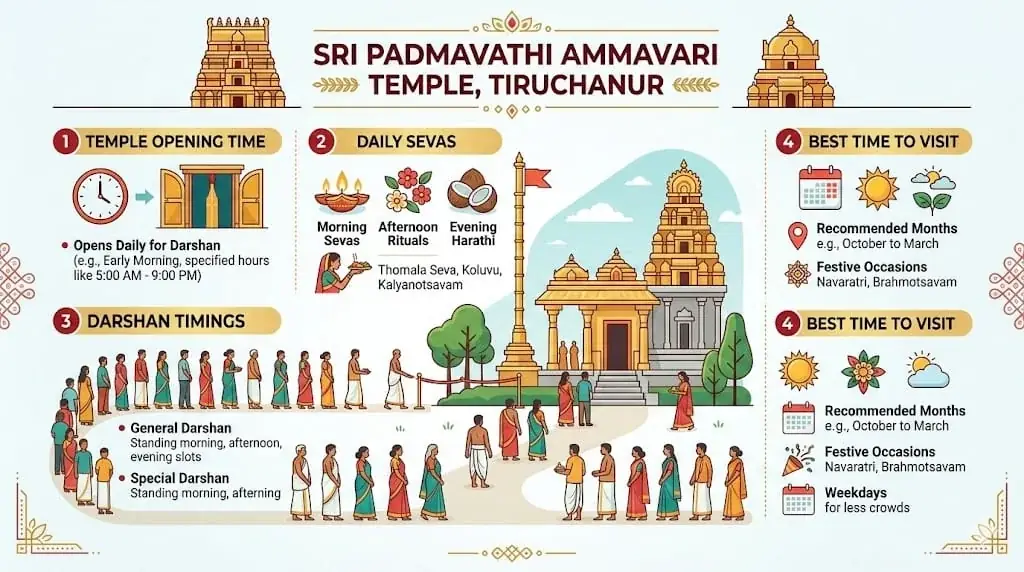
Before paying for or planning around a seva, check all of the following details in the official notice or booking record:
Reporting late can create difficulty even when the temple itself remains open. Ritual services work to a fixed sequence, so a late arrival may not be accommodated in the same way as a general darshan visitor. Read the instructions on the booking confirmation carefully.
During an active seva, general entry may pause or be redirected. That pause is part of the temple’s ritual management and should not be interpreted as an error in every case. Ask staff politely for the next permitted darshan window rather than relying on rumours in the queue.
Online booking is useful when an official ticketed darshan or seva is available, but the booking window itself can differ from the visit schedule. A ticket may become available on a release date, remain open until inventory is filled or be restricted to a particular period. The booking portal may also show different options for general devotees, accommodation-linked pilgrims or special events.
There is no safe reason to assume that every temple service is released at the same hour every day. Booking rules can be revised, and availability may disappear quickly on festival dates.
Check the official TTD portal rather than paying an agent who promises guaranteed access. The official TTD website and temple information portal is the appropriate starting point for current notices and authorised links.

Keep screenshots or a printed copy if the portal instructs you to do so. A payment message alone may not be enough to establish a valid booking if the final confirmation was not generated. Never share your one-time password, card details or account password with an agent or stranger.
Searches such as “Tiruchanur Padmavathi Temple online booking” can lead to old pages, social-media posts or third-party listings. Those sources may be useful for discovering questions to ask, but they shouldn’t be your final authority for a date, ticket price, reporting time or cancellation condition.
The following table helps distinguish the common visit types. It deliberately avoids fixed times and prices because those details may change and should be confirmed for the chosen date.
| Visit type | How access usually works | What to verify before travelling | Best planning approach |
|---|---|---|---|
| General darshan | Join the regular queue when public entry is operating. | Current queue status, entry window and security rules. | Keep a generous time buffer and avoid tight onward connections. |
| Booked seva | Report with a valid ticket at the stated place and time. | Reporting time, identity proof, dress rules and participant limits. | Arrive before the reporting deadline, not at the last minute. |
| Festival visit | May involve modified queues, processions or restricted access. | Special schedule, traffic restrictions and crowd-control notices. | Confirm on the same day and expect slower movement. |
| Senior citizen or assisted visit | May be subject to separate arrangements where officially provided. | Eligibility, registration point and assistance policy. | Carry required documents and ask staff for the authorised route. |
This comparison also explains why a search result quoting one “special darshan cost” may be misleading. A ticket category, seva contribution, donation-linked facility or separate temple service may have different conditions. Confirm the exact service name before comparing prices.
Weekends, public holidays and school vacation periods often bring more pilgrims to the Tirupati area. Festival occasions associated with the Padmavathi Temple can create a different level of crowd movement, especially when processions, special alankarams or ceremonial activities are scheduled. The exact intensity varies by year, date and local conditions, so it would be careless to assign a guaranteed waiting time.
Thursday searches are common, including “Tiruchanur Temple timings Thursday,” but a weekday label alone does not establish the day’s darshan pattern. A Thursday falling near a holiday, festival or major pilgrimage period can be much busier than an ordinary weekday. Check the current notice for the actual date rather than assuming that Thursday follows a fixed special routine.
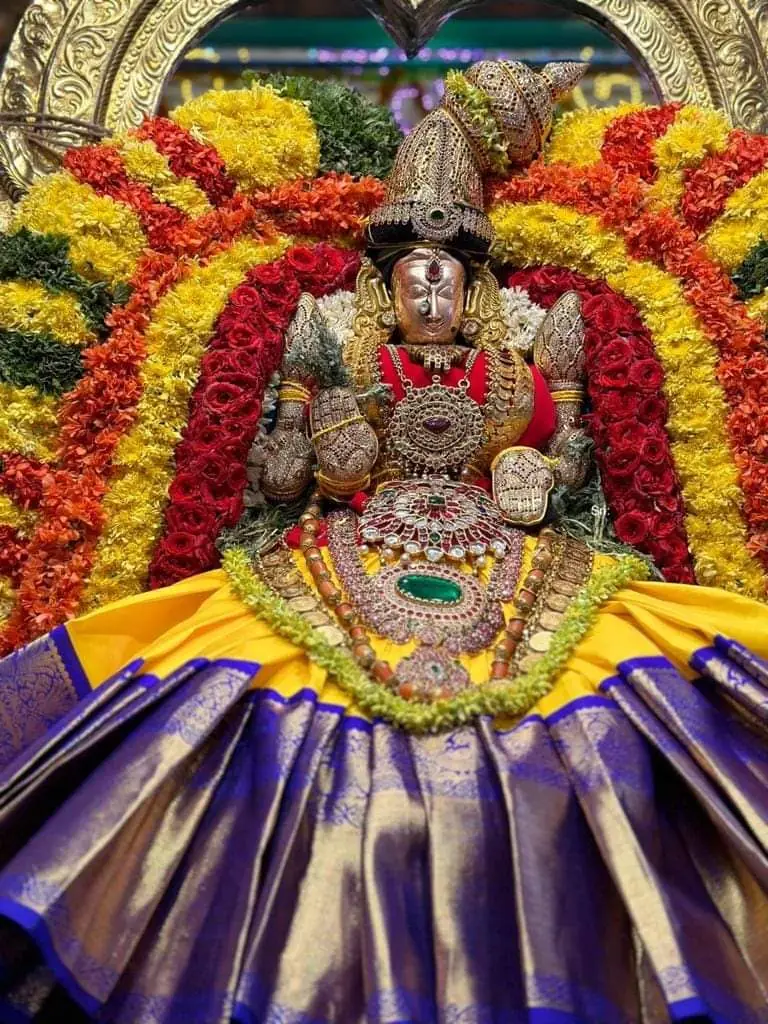
During important occasions, the temple may prioritise ritual responsibilities, regulate the number of people inside, alter vehicle access or change the queue route. Special decorations and processions may be spiritually significant, but they can also make a quick in-and-out visit unrealistic.
Before travelling on a festival date:
For a family visit, festival days can be meaningful but demanding. Older adults, young children and people with mobility needs may be more comfortable on a less crowded date if the pilgrimage is flexible.
Example only—not a verified schedule: imagine a family travelling to Tirupati for two days. They want to visit Tiruchanur, attend a pre-booked seva if available and still keep enough time for accommodation check-in. Instead of assuming that the temple will provide uninterrupted darshan throughout the day, they first verify the date-specific notice, save the booking confirmation and ask the hotel about the travel time to the shrine.
The family then plans to reach the reporting location early, leaving a buffer for traffic and security. After the seva or general darshan, they avoid scheduling an immediate railway departure because the ritual sequence or queue may take longer than expected. If the official notice shows a temporary change, they adjust the rest of the itinerary rather than trying to force entry during a restricted period.
This example does not claim that any particular time, ticket price or waiting period applies at Tiruchanur. Its lesson is practical: build your plan around confirmed reporting instructions and flexible travel time, not a copied timetable. That approach is especially useful when a visit includes children, senior citizens or multiple temples.
Temple entry rules can vary by shrine and may be updated for security or crowd-management reasons. Wear clean, respectful clothing that allows you to move comfortably through a queue. Traditional Indian attire is widely preferred at many temples, but the official notice or staff instruction should take priority if a specific dress requirement is published.
Carry only what you need. Large bags may slow security screening or be refused in restricted areas. Mobile phones, cameras, footwear and personal belongings may be subject to separate instructions, so use the authorised storage facility if one is provided and follow the staff’s direction.
A sensible temple-visit checklist includes:
Do not photograph restricted areas or argue with staff about a rule that appears inconvenient. Temple workers manage thousands of visitors, and compliance helps the queue move safely. If you need assistance, explain your situation calmly and ask where you should go.
Search phrases such as “Tiruchanur Temple timings tomorrow” are useful for finding the right question, but search snippets can be outdated. A responsible check should happen close to the visit, particularly if you’re travelling for a festival, a booked seva or a time-sensitive connection.
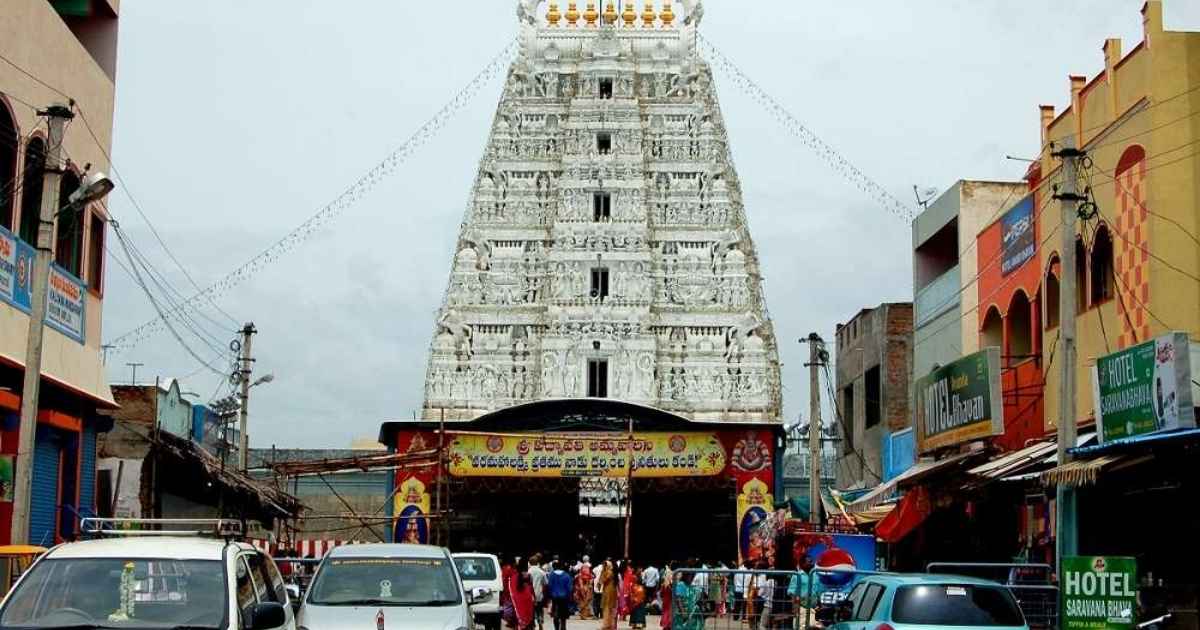
When speaking with an enquiry desk, ask precise questions: “Is general darshan operating now?” is more useful than “Is the temple open?” You can also ask whether a queue has been paused, where booked-seva reporting takes place and whether a temporary route is being used.
Do not assume that a map listing, hotel receptionist or taxi driver has the latest ritual schedule. Local people may offer helpful practical guidance, but official temple staff remain the better source for darshan, seva and entry decisions. If no current official information is available online, say so to yourself clearly and plan with a buffer rather than inventing certainty.
Tiruchanur is often included in a wider pilgrimage covering Tirupati and nearby shrines. Devotees may also search for Govindaraja Swamy Temple timings or Srinivasa Mangapuram Temple timings while building their itinerary. Each temple has its own deity, ritual sequence, queue system and administrative arrangements.
Do not copy the schedule of one shrine onto another. A temple may open earlier, close for a particular seva or manage general darshan differently from the Padmavathi Temple. Even travel time between locations can change with traffic, local events and parking restrictions.
A practical order depends on your booking commitments. If you have a fixed seva reporting time at Tiruchanur, protect that first.
Other temples can be placed before or after it only after allowing for transport, footwear handling, queues and meals. A devotional trip feels less stressful when it contains fewer rigid promises.
Families often benefit from grouping nearby visits while leaving one flexible block in the day. That spare period can absorb a delayed queue, an unexpected break in darshan or a change announced by temple authorities. It also gives you time to pray without watching the clock constantly.
The public darshan pattern is subject to the daily ritual schedule and administrative changes. Check the current official notice or enquiry facility for the date you plan to visit instead of relying on an old timetable.
There is no dependable single duration for every visitor. Queue length, security checks, ritual pauses, weekends and festivals can all affect the time required. Keep a substantial buffer, especially before a train, flight or booked seva.
Ticket categories and charges, if offered, can change. Verify the exact service name, availability and current amount through the authorised booking channel. Do not treat a third-party claim as confirmation.
General darshan may be available when public entry is operating, but access arrangements can change. Confirm whether an advance booking is required for your chosen date and whether a separate queue is being used.
Public entry may be paused while a seva or ritual is conducted. Ask temple staff for the next permitted darshan window and remain in the designated area. Avoid blocking entrances or relying on unverified queue information.
Yes, Tiruchanur is widely associated with Alamelu Mangapuram and the Padmavathi Temple dedicated to Goddess Padmavathi. Different spellings, including Tiruchanoor and Tiruchanur, appear in travel and devotional references.
Reliable Tiruchanur temple timings are date-sensitive because darshan, sevas and ritual work must operate together. Check the official source before travelling, carry the required documents, arrive early for any booked service and allow extra time for crowds or an unexpected pause. That small amount of preparation can make the visit calmer and more respectful.
When you check the schedule next, verify the exact date rather than searching only for a general opening time. The latest notice will give your Tirupati pilgrimage a stronger foundation than a copied answer, and it leaves you free to focus on the darshan and worship of Goddess Padmavathi.





