Physical Address
304 North Cardinal St.
Dorchester Center, MA 02124
Physical Address
304 North Cardinal St.
Dorchester Center, MA 02124
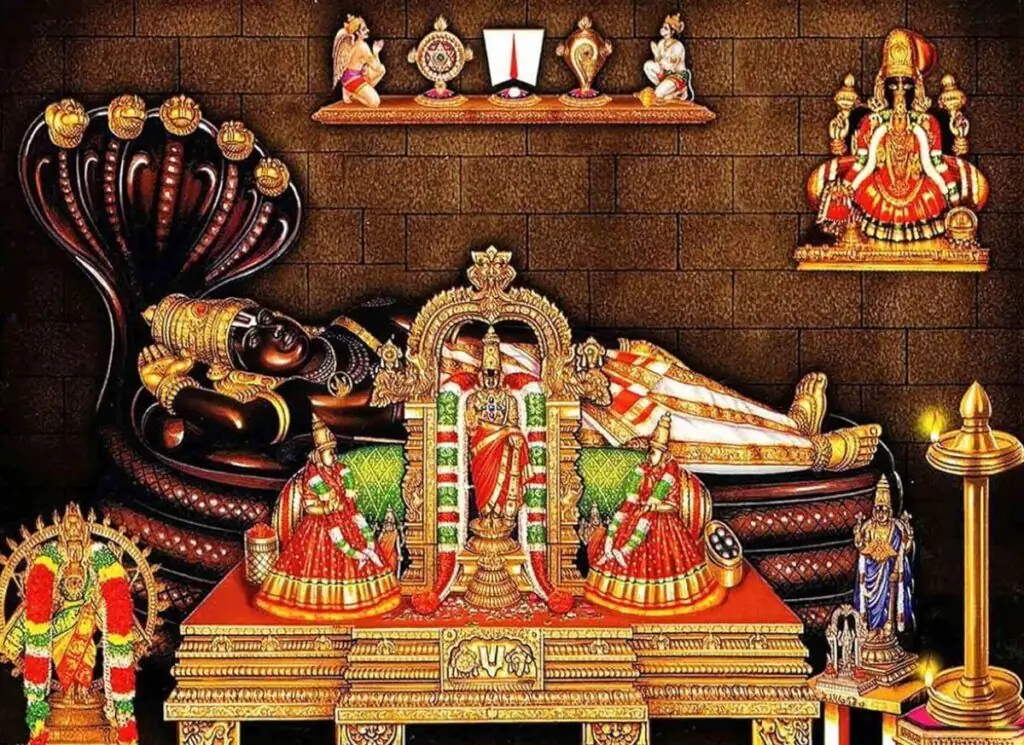
Srirangam temple timings today can change with daily rituals, festival arrangements, maintenance, or crowd-control instructions, so checking the latest notice before leaving is essential. Sri Ranganathaswamy Temple in Srirangam, Tiruchirappalli, follows a structured worship tradition, but public Darshan, Pooja access, and special entry arrangements may not follow one fixed timetable every day.
This article explains how to check current opening hours, understand Darshan and Pooja schedules, plan online booking, reach the temple at a sensible time, and avoid common mistakes. You’ll also learn why festival days, Sorgavasal events, and special rituals can change the ordinary visitor experience.
Many visitors search for “srirangam temple timings today” expecting one opening time and one closing time. The reality is more layered.
A major Vaishnavite temple such as Sri Ranganathaswamy Temple operates around daily worship, preparation of offerings, movement of priests, cleaning, security checks, and the needs of devotees. Public entry may pause while an important ritual is taking place, even if the wider temple complex appears open.
The temple is dedicated to Sri Ranganathaswamy, the reclining form of Lord Vishnu, and its worship calendar follows established Sri Vaishnava tradition. Daily rituals are not simply stage performances arranged for visitors; they are part of the temple’s religious routine. For that reason, the Darshan window available to the public can be different from the time at which a Pooja begins.
There may also be a difference between the outer temple areas, inner Prakaram routes, ticketed Darshan lines, and access near the main sanctum. A visitor who arrives during an interval may be asked to wait until the next permitted entry period.
On a quiet weekday, that wait may be manageable. During a festival or weekend, the same pause can create a substantial queue.
Use online timings as a planning reference, not as an unconditional guarantee. The safest approach is to check the official temple administration or Tamil Nadu Hindu Religious and Charitable Endowments information on the day of travel, especially if you’re coming from Chennai, Bengaluru, Madurai, Coimbatore, or another city.
When people ask about Srirangam temple opening hours, they may be asking about several different services. “Temple timing” can refer to the time the complex permits general entry, while “Darshan timing” may refer to the period during which visitors can view the deity. “Pooja timing” usually points to a particular ritual, and “booking timing” can mean either when an online reservation system opens for a date or the reporting time printed on a ticket.
These categories should not be treated as interchangeable. A temple can open for visitors before a specific Seva begins, or it can restrict movement around the sanctum during an ongoing ritual. Similarly, a special Darshan ticket may provide a queue route rather than a guaranteed minute-by-minute appointment.
| Timing category | What it generally means | What you should verify |
|---|---|---|
| Temple opening hours | Period when visitor entry is normally permitted | Opening and closing changes for the specific date |
| General Darshan | Ordinary viewing access for devotees | Queue entrance, pauses, and last entry instructions |
| Special Darshan | A separately managed route or category, if offered | Availability, reporting time, identity rules, and fee |
| Pooja or Seva | A scheduled worship service or offering | Whether booking is required and where to report |
| Festival access | Arrangements for major religious days and processions | Temporary closures, barricades, passes, and crowd rules |
The words used in Tamil notices may also differ from the wording on travel websites. A Tamil notice may refer to a Seva, Utsavam, or specific Darshan arrangement without using the English phrase “special entry.” If a timing looks unclear, check the original notice or contact the temple administration rather than relying on an automatically translated summary.
Darshan means the opportunity to see and offer prayers to the deity. At Srirangam, the experience may involve walking through one or more Prakarams, following a designated queue, passing through security, and waiting for movement to resume near the relevant shrine. The time you spend inside the complex is therefore not the same as the time spent in front of the sanctum.
General Darshan is normally the simplest option for a first-time visitor, but simplicity doesn’t mean the process is instant. Queue length depends on the day, local holidays, school vacations, festival activity, weather, and the number of pilgrimage groups arriving together. A quiet-looking entrance can still lead to a longer internal route.
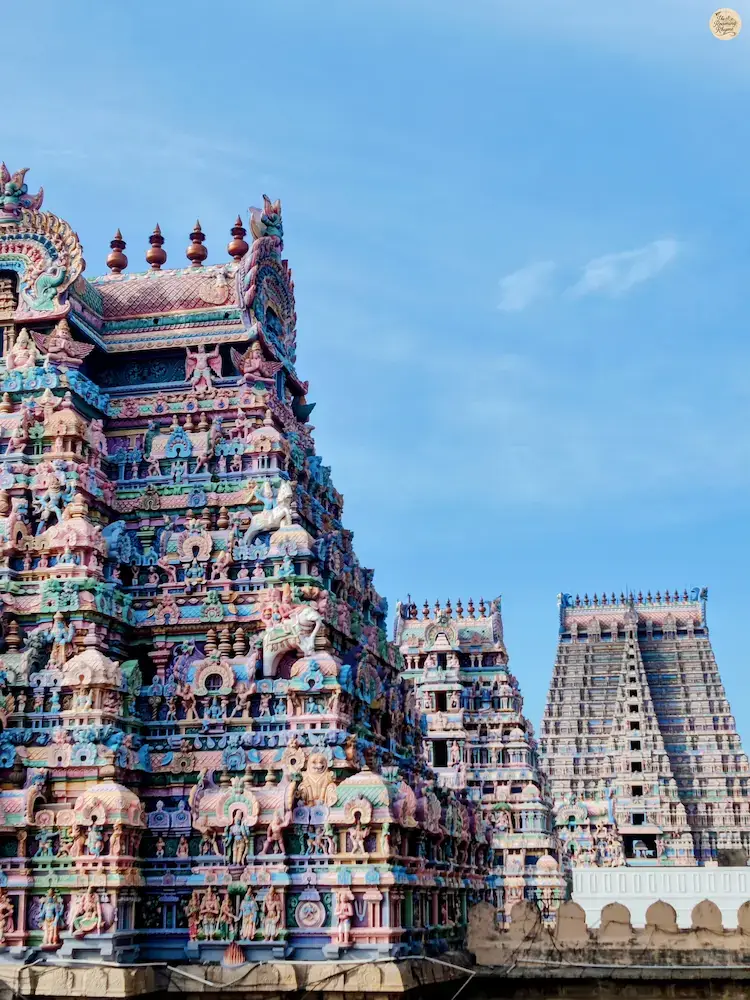
If the temple administration offers more than one visitor route, the names and conditions should be checked for the date you plan to visit. Special Darshan may have a separate counter, online booking requirement, reporting time, or identity verification. It may reduce waiting in one part of the journey, but no responsible source should promise that it will eliminate all waiting.
Keep your ticket, receipt, and government-issued identification available if the booking instructions request them. Don’t purchase a reservation from an unofficial intermediary without confirming that the booking is recognised by the temple. Screenshots can be useful, but some systems may require the original booking reference or a readable digital ticket.
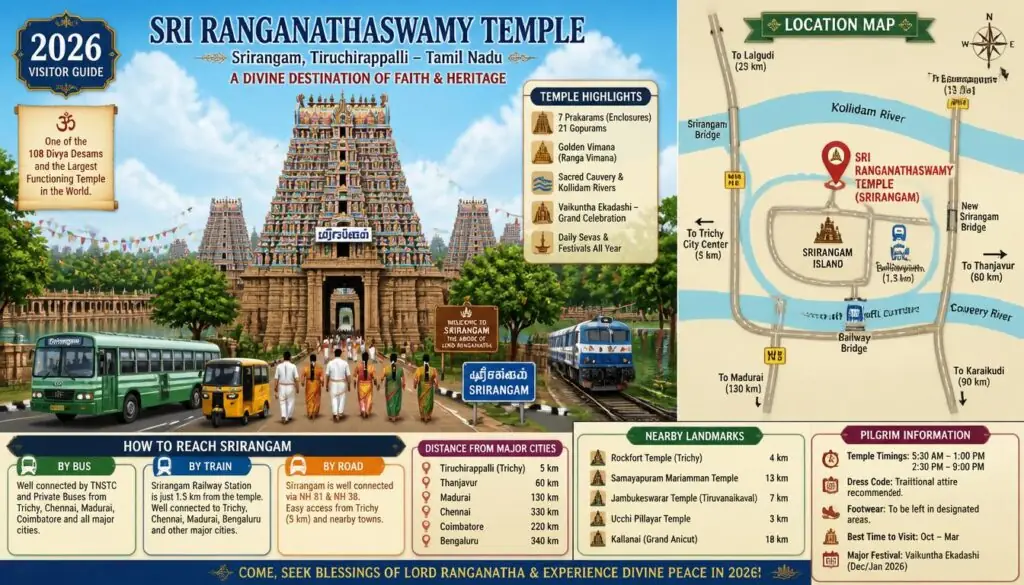
Wear clothing suitable for a traditional Hindu temple and follow the instructions given by volunteers, security staff, and temple personnel. Mobile phones, cameras, footwear, bags, food, and other personal items may be subject to restrictions in particular areas. Rules can change, so avoid assuming that a previous visit establishes the current policy.
Darshan is usually brief at a busy shrine. Have your prayer items ready before approaching the sanctum, but don’t block the line or attempt to stop for photography. If you’re travelling with older relatives or children, decide in advance where your group will reunite after security or after the Darshan route.
Pooja is a broad word for worship and offerings. A Seva generally refers to a devotional service or offering performed in connection with the deity, sometimes with a ticketed participation arrangement. Aarti refers to the ritual offering of light, although the exact terminology and sequence can vary according to temple tradition.
Visitors often make one of two mistakes. They either assume that attending a Pooja automatically includes a particular Darshan route, or they arrive for general Darshan expecting to participate in a booked Seva. Those services can have different reporting points, capacity limits, and instructions.
Don’t rely on a travel listing that gives a Pooja name without explaining the booking conditions. The temple may use a Tamil term, a transliterated Sanskrit term, or a local administrative name. If two websites show different timings, the official notice should take priority.
Ritual timing can also affect the visitor route. A Pooja may begin at a stated time, but devotees may need to report earlier for ticket checking and queue formation. Arriving at the exact start time can be too late if the administration closes reporting for that session beforehand.
The best source is the temple’s official administration or the relevant Tamil Nadu HRCE channel. The department’s official pages and notices may provide information about temple administration, festivals, services, and special arrangements, while the temple office can clarify a same-day change that hasn’t yet appeared online.
For general background about the monument and its place in Tamil Nadu’s heritage circuit, the government’s Sri Ranganathaswamy Temple information page is useful. It should not be treated as a substitute for a same-day Darshan notice, because tourism pages may provide descriptive information rather than live crowd or ritual updates.

Search results can be helpful for discovering the official page, but the first result isn’t automatically authoritative. Check the domain, the date of the information, and whether the page identifies the temple authority. Be particularly cautious with pages that publish exact prices or timings without naming a source.
Same-day information may also be shared through verified temple administration announcements or district-level public notices during major festivals. A forwarded WhatsApp message, even if it contains a temple photograph or Tamil text, isn’t enough confirmation on its own.
Booking arrangements can involve two separate timings: the time at which a reservation becomes available and the time printed on the reservation itself. A visitor might successfully reserve a Seva several days before travel but still need to report at a particular counter before the ritual begins. Treat the reporting time as the operational deadline.
Before paying, read the full booking description. Confirm the date, service name, number of people covered, cancellation terms, reporting location, and documents required. Some portals allow only selected services online, while other offerings may be handled at an authorised temple counter.
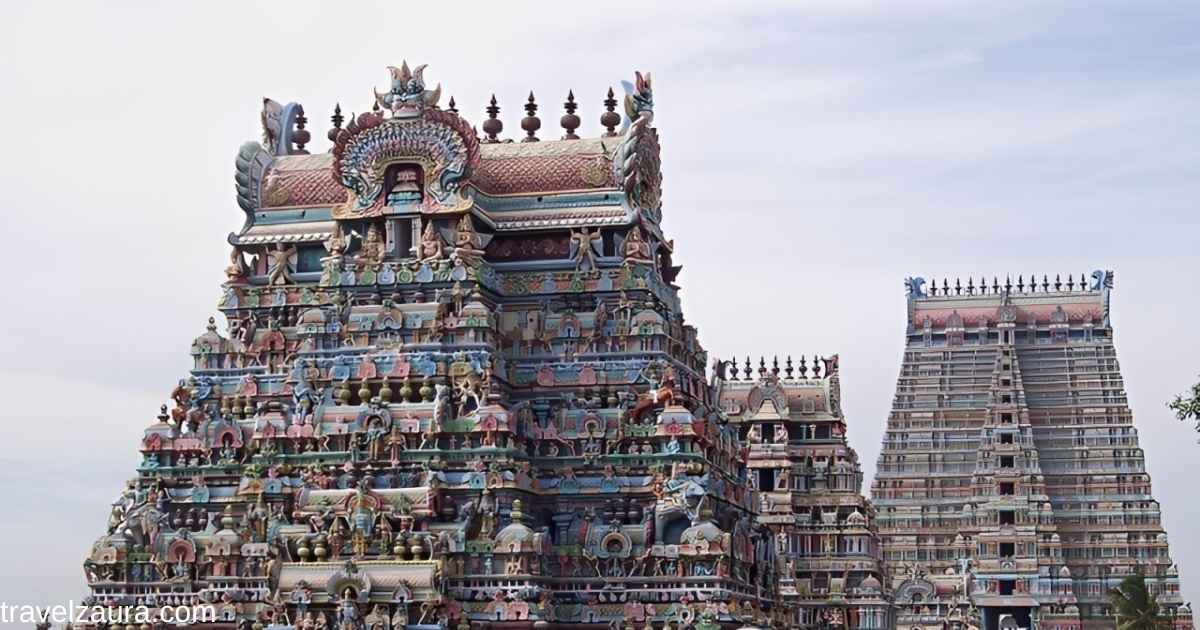
Start with the official portal identified by the temple administration. Create an account only if necessary, and enter the devotee’s name exactly as requested. Keep the transaction reference until the visit is complete; a bank debit or payment notification by itself may not prove that a temple reservation was generated.
After payment, download or save the booking confirmation. Review small details that are easy to miss: date format, number of participants, service category, reporting gate, and acceptable identification.
If the portal shows “pending,” don’t make repeated payments immediately. First check the booking history, bank status, and official support instructions.
Never assume that a general online temple donation receipt is a Darshan ticket. A donation may support temple activities without granting queue access or admission to a particular Pooja. The receipt should clearly state the service or entry benefit if one is included.
There’s no single best time for every visitor. An early visit may suit devotees who want to avoid the heat of the Tiruchirappalli day, while a later visit may work better for travellers arriving by train or road. The right choice depends on the day’s verified schedule, your selected service, and your tolerance for queues.
Plan to reach before the stated reporting time, not merely before the advertised Darshan start. You may need time to find parking, walk to the relevant entrance, store footwear or restricted items, pass security, and locate a counter. Srirangam is a large temple settlement with multiple streets and Prakarams, so a short distance on a map doesn’t always represent the entire walking process.
Use comfortable, modest clothing and footwear that can be removed and carried easily if required. If you’re visiting with senior citizens, ask staff about the available route or assistance rather than attempting to push through a crowded line. Families should also explain to children that temple queues can involve quiet waiting and sudden movement.
Do not schedule a train, bus, wedding visit, or return flight immediately after Darshan. Ritual pauses and queues are difficult to predict, particularly on special days. A flexible buffer is more useful than trying to calculate the entire visit to the minute.
Festival calendars can alter ordinary temple timings substantially. Vaikunta Ekadasi is especially important in the Sri Vaishnava tradition, and Sorgavasal, commonly understood as the symbolic “gateway to heaven,” is associated with special observances at many Vishnu temples, including Srirangam. The date, access procedure, crowd controls, and opening arrangements must be confirmed for the particular year.
The Tamil Nadu Hindu Religious and Charitable Endowments department and the temple administration publish festival-related notices when special arrangements are required. This is a useful real-world example of timing variation: during a major Srirangam festival, the administration may issue a separate schedule for Sorgavasal access, queue routes, and restrictions instead of following the ordinary daily Darshan pattern. The verified fact is that festival notices can create separate arrangements; the exact hours and entry rules should always come from the current official notice.
Other events may include processions, temple car festivals, Pavitrotsavam-related observances, or celebrations connected with Thayar and other shrines. The main sanctum, outer halls, and processional routes may not all remain accessible in the same way during such occasions.
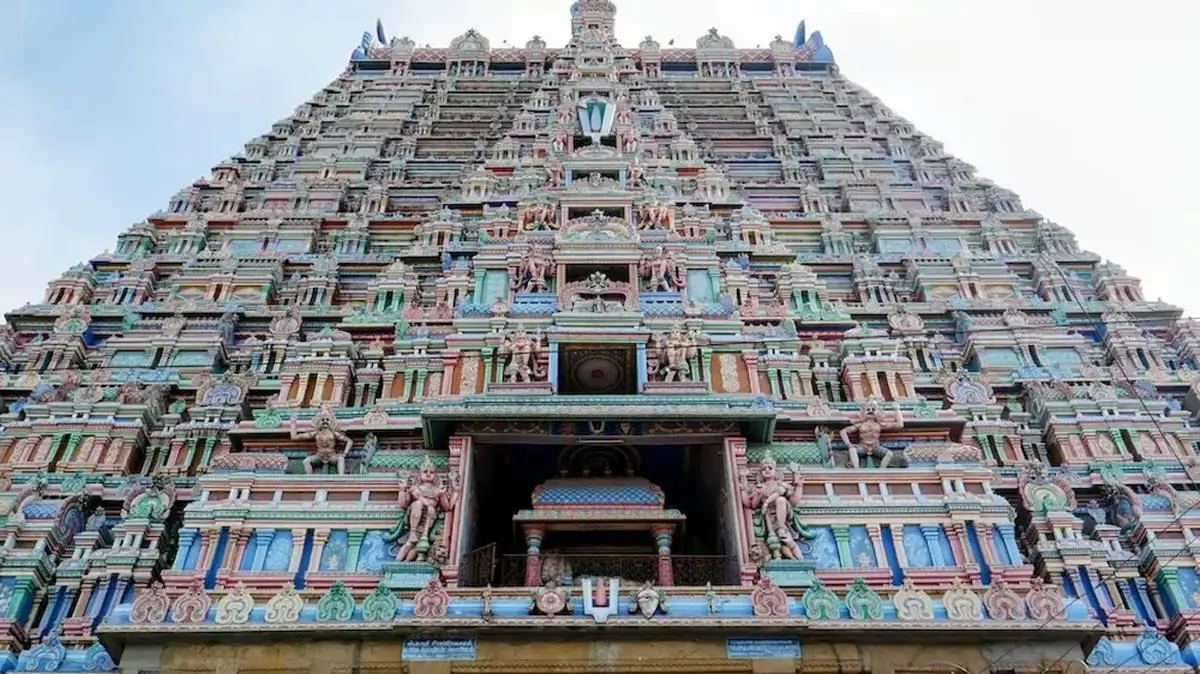
Expect larger crowds, more barricades, changed vehicle access, and longer walking distances. Authorities may introduce tokens, controlled batches, temporary closures, or restricted photography. A booking that is accepted on an ordinary day may not provide the same route during a festival unless the special notice says so.
Festival days can be spiritually meaningful, but they require patience. If your priority is a calm first visit, choose a non-festival date after checking local holidays. If you specifically want to attend Sorgavasal or a major Utsavam, prepare for stricter instructions and accept that the experience will be more crowded than a routine Darshan.
Most timing problems are preventable. They happen because visitors treat a general internet listing as a live official schedule, confuse temple opening hours with sanctum Darshan, or arrive without checking a special notice.
Another avoidable issue is carrying too many bags. Large luggage can create problems at security and may not be accepted near restricted areas. Travel light and ask the official counter where permitted storage is available rather than leaving belongings with an unauthorised person.
A reliable visit plan begins before you leave home. The sequence below works for ordinary Darshan as well as a booked Pooja, but the ticket instructions always take priority.
If you arrive and discover that the schedule has changed, stay calm. Ask the official temple help desk whether your ticket is valid for a revised session or whether another procedure applies. Avoid accepting unofficial “solutions” from strangers, especially if they involve extra cash or taking you through an unauthorised entrance.
It depends on the date, ritual schedule, and any festival or administrative notice. Check the current official temple or HRCE information rather than relying on a fixed timing copied by travel websites.
The best time depends on your purpose. A non-festival day may be more manageable for a relaxed visit, while early arrival can help you handle queues and daytime heat. Confirm the actual opening and reporting instructions before travelling.
Keep a flexible time buffer for travel from the station or parking area, security, walking through the Prakarams, queue movement, and possible ritual pauses. The exact duration can’t be guaranteed, especially on weekends and festival days.
Not necessarily. Daily worship follows tradition, but public access, special Seva availability, and festival arrangements may vary. Verify the service name, date, reporting point, and booking requirement.
Only if the official temple administration provides that facility for the relevant date and category. Use the portal identified by the temple, read the conditions carefully, and save the confirmed ticket.
Sorgavasal arrangements are connected with special festival observances and can change by year and event. Don’t use an old festival schedule; check the current notice for the date, access route, passes, and crowd controls.
Saturday may have different crowd levels or special arrangements, but you shouldn’t assume a different schedule without confirmation. Check the official notice for the exact Saturday you plan to visit.
Give priority to the official temple administration or verified government notice. If the discrepancy remains, contact the temple office and ask specifically about general Darshan, Pooja reporting, and last entry.
Reliable planning begins with the current date, not with a permanently repeated timing chart. Before leaving for Srirangam, verify the temple opening hours, Darshan route, Pooja or Seva reporting time, booking status, and any festival restrictions through an official channel. Keep your ticket and identification ready, arrive with time to spare, and follow the instructions given at the temple.
That final check matters because srirangam temple timings today may differ from yesterday’s schedule or tomorrow’s arrangements. If you’re travelling a long distance, make the official confirmation part of your journey plan rather than an afterthought.





