Physical Address
304 North Cardinal St.
Dorchester Center, MA 02124
Physical Address
304 North Cardinal St.
Dorchester Center, MA 02124

Accurate Sripuram Golden Temple timings matter because a visit to the golden temple near Vellore often involves travel, security checks, queues, Darshan, and time for prayer. The published schedule may also change on festivals, special Pooja days, or during temple administration updates. A little planning can help you avoid arriving after an entry session has closed or assuming that a booking is required when it isn’t.
Before leaving, you’ll learn how to verify the latest opening hours, understand Darshan and Pooja arrangements, plan for busy days, and use official booking information safely. The guidance below separates dependable planning advice from details that must be confirmed directly with the Sripuram administration.
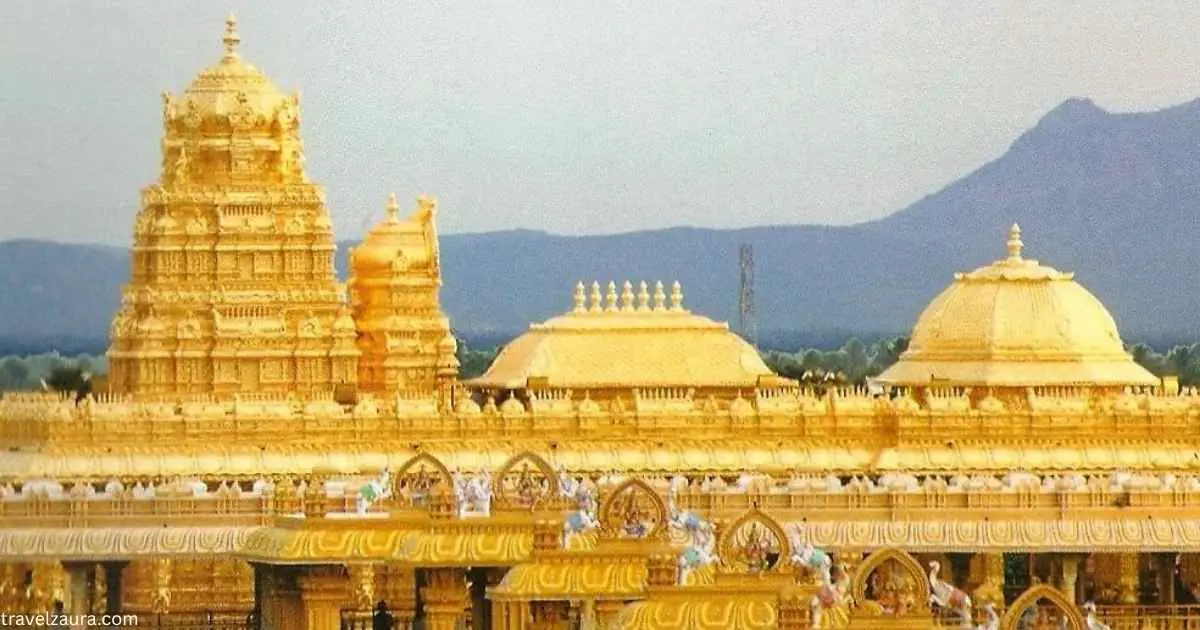
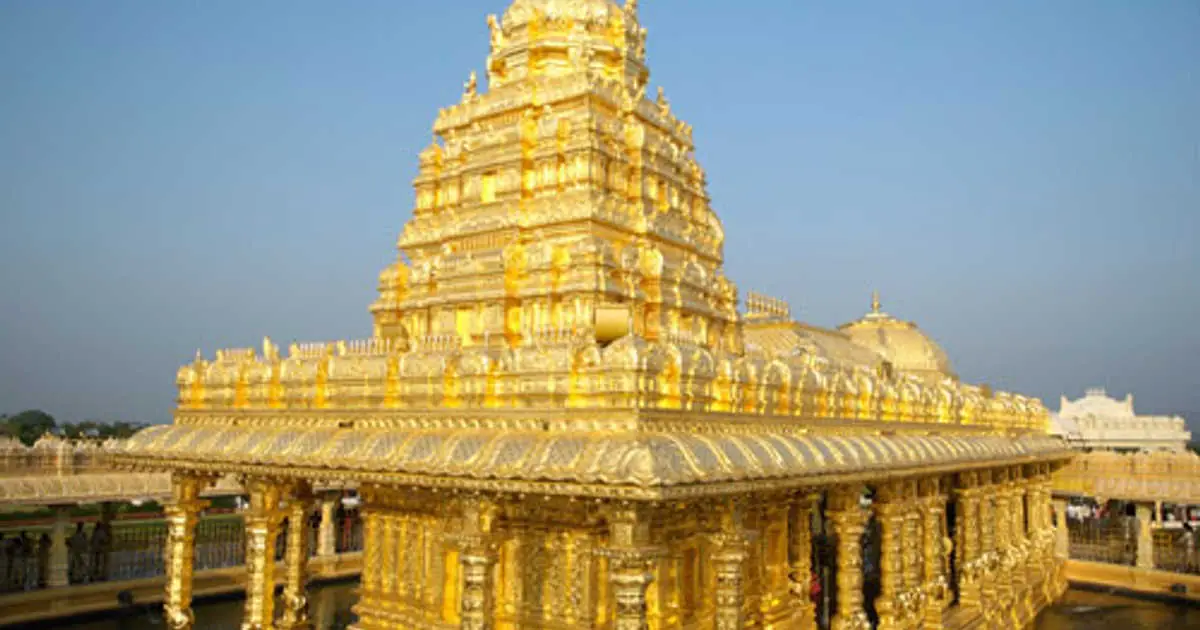
Sripuram Golden Temple, also known as Sri Lakshmi Narayani Golden Temple, is located at Sripuram in the Thirumalaikodi area near Vellore, Tamil Nadu. Visitors commonly search for one simple opening and closing time, but a temple visit can involve several different schedules: general temple entry, Darshan availability, Pooja Seva slots, special Darshan, and arrangements for festivals or organised groups.
That distinction is important. A temple may remain open to visitors for a broad period while a particular Seva or paid Darshan has separate reporting instructions.
Similarly, a booking portal may show a slot that has a specific arrival window rather than allowing entry at any time during the day. The words “open” and “available for your chosen service” don’t always mean the same thing.
Timings may also be affected by religious observances, crowd management, maintenance, security instructions, or changes announced by the temple trust. On an ordinary weekday, the experience may be more predictable. On weekends, public holidays, school vacation dates, and major festivals, queues and entry controls can be different.
For that reason, treat any timetable found on an old travel page, social media post, or forwarded message as a starting point only. The temple’s official website, official booking portal, verified administration communication, or the on-site pro office should be your final reference before travel. The official Sripuram website is the most useful first place to check current visitor information and service updates.

Temple opening hours refer broadly to the period during which visitors may be allowed into the premises. Darshan timings concern viewing and worship at the shrine, while Pooja timings relate to scheduled rituals or Seva services. Booking timings can mean the hours during which online reservations are accepted, the reporting time printed on a ticket, or the operating hours of an on-site counter.
Read the wording carefully. If an official notice says “report by” a particular time, arriving later may not guarantee admission to that service even if the temple complex is still open.
Darshan is the opportunity to have the sacred view of the deity. In everyday temple use, it can refer to the act of seeing and offering prayers, but the practical process may include a queue, security screening, footwear arrangements, a designated pathway, and restrictions on how long visitors remain near the sanctum. A Darshan ticket, where offered, may be different from a general entry arrangement.
Pooja refers to ritual worship. Some temples provide named Pooja Seva services that devotees can book or sponsor, while other rituals are conducted according to the temple’s internal schedule and aren’t open for individual participation. A Seva booking may therefore give you access to a particular religious service, but it shouldn’t automatically be assumed to include every form of temple entry or priority movement.
Aarti is a worship ritual involving the offering of light. If an Aarti or special Pooja is listed for a particular day, the reporting time can be stricter than the general visitor schedule. Arrive early enough for security checks and orientation rather than planning to reach the gate at the exact minute printed on a booking confirmation.
| Schedule category | What it generally indicates | What you should verify |
|---|---|---|
| General temple entry | The broad period during which visitors may be admitted | Opening, last entry, dress rules, and security restrictions |
| General Darshan | Regular queue or viewing arrangement for devotees | Whether prior registration is needed and how the queue operates |
| Special or priority Darshan | A separately managed route or ticketed service, if offered | Availability, reporting time, valid ID, and current fee or rules |
| Pooja Seva | A scheduled ritual or devotional service | Booking window, attendance requirements, and whether entry is included |
| Festival schedule | A modified arrangement for a religious or public occasion | Special queues, closures, crowd limits, and revised entry instructions |
The table is a planning framework, not a replacement for a current official notice. Exact times, ticket categories, and service availability can change. If you’re travelling from Chennai, Bengaluru, Tirupati, or another distant city, check again close to the date of departure.
Many visitors prefer a weekday because ordinary days may offer a calmer experience than weekends or public holidays. That doesn’t mean a weekday guarantees a short queue. School groups, tour operators, local devotees, and special spiritual activities can still make the premises busy, particularly during favourable dates or religious observances.
Weekends often require more planning. Families may arrive together, and visitors travelling from nearby towns can create a steady flow throughout the day. A morning arrival is commonly preferred by people who want to complete Darshan before other sightseeing, but you should still confirm whether the selected date has a separate morning entry process, a revised queue route, or a booking requirement.
Public holidays and long weekends deserve extra caution. Even if the official temple opening hours remain unchanged, the time spent in the queue may be longer.
Parking, local transport, cloakroom facilities, and food arrangements can also become busier. Don’t build a tight itinerary that leaves only a few minutes between your expected exit from Sripuram and a train or bus from Vellore.
Special days linked to the temple calendar may bring additional Poojas, devotional programmes, or crowd-control measures. Visitors may witness Poojas from designated areas rather than move freely through all parts of the complex. The safest approach is to ask the administration whether your intended Darshan, Pooja Seva, or general visit is operating normally on that date.
If your priority is prayer rather than sightseeing, select a date that allows flexibility. Reach the locality with spare time for finding the correct entrance, storing footwear or permitted belongings, completing checks, and understanding the queue system. A visitor who reaches just before a reporting deadline may technically be on time but still miss the process because the entrance area is crowded.
Online information about Indian temples is often copied from older pages. A page can look current while displaying a timetable that no longer reflects the administration’s arrangements. Search results may also mix information about Sripuram with the Golden Temple in Amritsar, so include “Vellore,” “Sri Lakshmi Narayani,” or “Sripuram” in your search.
Start with the official Sripuram website and look for sections labelled visitor information, Darshan, Seva, booking, notices, contact information, or announcements. Confirm that the page refers to the Vellore temple and not a different Narayani institution. If a booking button takes you to another domain, inspect the page carefully and use only the portal identified by the temple administration.
When online information is unclear, contact the temple through a verified administration channel. You can also ask at the pro office after reaching the premises. The pro office may guide visitors about current queues, Pooja arrangements, lost-and-found procedures, or service instructions, but it’s still sensible to confirm details before travelling a long distance.
Take a screenshot or print the relevant confirmation after checking it. Keep the booking reference, date, reporting time, and names of visitors together. If the portal generates a receipt, don’t assume that a payment receipt alone is a valid entry ticket; check whether a separate confirmation or QR code is issued.
Any detail described as “today only,” “special,” “limited,” or “subject to change” should be checked again. The same applies to claims about free Darshan, VIP Darshan, children’s entry, photography, mobile phones, accommodation, and vehicle parking. These arrangements can be changed by the administration for operational or religious reasons.
Never rely solely on a social media image that doesn’t show a date or official source. A well-designed poster can still be outdated. If you’re unsure, ask a direct question through the verified contact method: “Is general Darshan available on this date, and what time should visitors report?” Specific questions usually produce more useful answers than asking only whether the temple is open.
Booking requirements depend on the service you want. General visitors may follow an on-site entry process, while a particular Pooja Seva may require advance registration. A special Darshan ticket, if currently available, may have its own conditions, identity requirements, reporting time, and cancellation or transfer rules.
Before paying, read the service description. Check the date, number of devotees covered, name of the participant, reporting point, accepted identification, and whether the service is intended for an individual or a family group. Some bookings are non-transferable, and a spelling mismatch between the ticket and identity document can cause difficulty at verification.
Use caution with third parties offering guaranteed VIP access. Temple bookings should be made through the official booking route or a counter clearly operated by the temple administration.
Don’t share an OTP, card PIN, or banking password with someone claiming to arrange faster Darshan. A legitimate booking process shouldn’t require you to surrender control of your financial credentials.
Carry a printed or offline copy of the confirmation if network coverage may be unreliable. Keep the original identity document named in the booking, not merely a photograph of an unrelated document. For children or elderly family members, check whether the booking form requires separate details and whether any age-based rule applies.
Arrive before the stated reporting time. A ticket normally supports a particular service; it isn’t a promise that every part of the complex will be accessible at all times. If your family has booked a Pooja Seva, ask staff where the group should assemble and whether the participant must remain present throughout the ritual.
Devotees sometimes search for a “best Pooja” or ask which Seva is most auspicious. Religious preference is personal, and the temple’s own description should guide your choice. Don’t select a service simply because an unofficial seller calls it special, guaranteed, or more powerful.
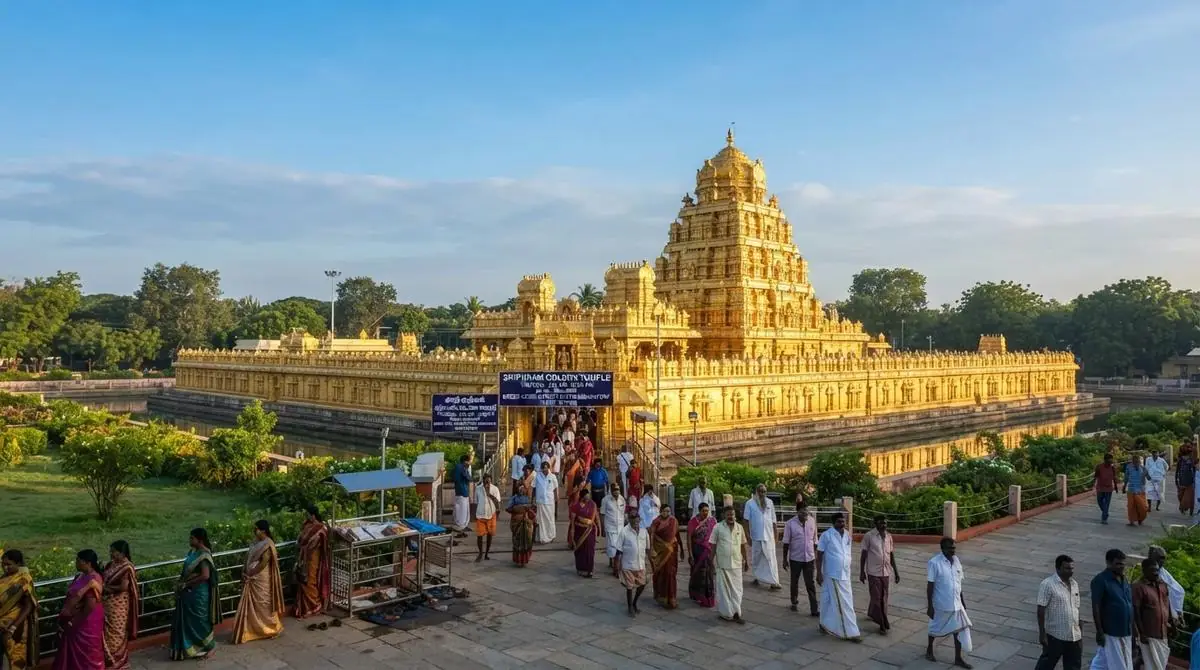
Plan for a temple visit rather than treating it like a quick photo stop. Entry may involve security screening and instructions about footwear, bags, cameras, phones, food, or other personal items. Rules can change, so follow the current notice boards and staff directions even if a friend visited previously under different conditions.
Choose modest, comfortable clothing suitable for a place of worship. Traditional attire may be welcomed or required for particular services, but you should confirm the current dress code rather than assume that a general custom applies to every booking. Wear footwear that’s easy to remove and avoid carrying unnecessary valuables.
Respect queue discipline. Don’t push forward, reserve places for a large group, or block the path while taking photographs. If an elderly person, a person with a disability, or a family with a small child needs assistance, ask the staff about the available procedure instead of creating a separate route.
Inside the temple, keep conversations low and follow instructions about where to stand. The Darshan area may be managed for continuous movement, so you may have only a short time before the queue proceeds. That’s normal in a busy shrine and doesn’t reduce the personal meaning of your prayer.

There is no dependable universal answer to the question, “How much time will Darshan take?” The duration depends on the date, crowd volume, entry category, security arrangements, service schedule, and whether you’re attending a Pooja. A person visiting on a quiet day and a family arriving during a festival may have completely different experiences.
Allow a generous buffer for the whole visit. Include travel from your hotel or railway station, parking, entry checks, waiting, Darshan, Pooja participation if booked, and the return journey to your vehicle. If you have a same-day train, don’t choose a departure that assumes you’ll be outside the temple within minutes of entry.
Festivals can change the rhythm of a temple visit. More devotees may arrive to participate in prayers, witness Poojas, or mark a religious occasion with family members. The temple may introduce controlled access, separate lines, additional security, or restricted movement in areas that are normally easier to approach.
The word “special” can refer to different things. It may describe a festival Darshan, a particular Pooja, a timed Seva, or a temporary administrative arrangement. Ask exactly what the service includes.
Does it include only participation in the ritual, or does it also provide a particular entry route? Is the booking for one devotee or several? Where should the group report?
Peak days can also affect local logistics around Sripuram. Road traffic may increase, and auto-rickshaw or taxi availability can be less predictable.
Food and rest arrangements may take longer, especially for older visitors. If you’re travelling with children, carry water where permitted and plan a comfortable pause outside the main queue area.
Some devotees visit seeking peace, whether they come for a formal Seva or a quiet prayer. That intention deserves respect from other visitors.
Speak kindly, accept reasonable instructions, and remember that the administration may alter the route when safety or crowd movement requires it. The spiritual message associated with Sri Sakthi Narayani Amma is often expressed through ideas such as surrender always and always peace, but visitors should rely on official temple explanations for religious interpretation.

Sripuram is associated with Vellore in Tamil Nadu, and many visitors combine the temple with a wider trip through the region. Check the distance and local travel time from your actual starting point, not just from central Vellore. A short map distance can still take longer during peak traffic or festival movement.
Keep a buffer between arrival at Vellore and your expected report time at Sripuram. If you’re travelling from Chennai or Bengaluru, consider the possibility of delayed buses, traffic near the city, and time needed to locate the correct entrance. A booking time should shape your transport plan, not the other way around.
Source and status: The Sripuram administration’s official visitor and booking information is the relevant real-world source for current services. Because the temple can update schedules and service arrangements, this article does not assign an unverified fixed timetable or ticket price to the temple. The example below uses a verified principle rather than inventing a date, fee, queue length, or exact operating hour.
A visitor who finds an older page describing a particular Darshan option should compare that information with the current official Sripuram booking or visitor notice before making travel arrangements. If the official page lists a reporting time, service category, and identification requirement, those are the details to follow; the older page is only historical information unless the administration confirms that it remains valid.
This distinction is practical. Many temple websites and trusts adjust arrangements for special occasions, and a service shown in an old search result may be paused, renamed, or moved to a different booking process.
The verified fact is that the official administration is the authority for its own current schedule. The general guidance is to check that authority close to your travel date and retain the confirmation you receive.
Readers often want a definite answer about VIP Darshan availability or a fixed Golden Temple Vellore ticket price. Those details should not be guessed. Confirm whether such a category is currently offered, what it includes, and whether the amount shown is a donation, Seva contribution, entry charge, or another type of payment.
A simple checklist reduces avoidable problems. Use the following process whether you want general Darshan, a Pooja Seva, or a special booking.
This process works because it separates three decisions that visitors often combine: whether the temple is open, whether the chosen service is available, and whether your booking gives you entry at a particular time. Keeping those questions separate makes the schedule much easier to understand.
The most common mistake is treating an old timing chart as permanent. Temple schedules are operational information, not timeless facts.
A second mistake is assuming that online booking is always compulsory or always unnecessary. The correct answer depends on the current service and the date.
Another problem arises when visitors confuse Sripuram with another famous golden temple. Search results for “Golden Temple” can point to Amritsar, while “Narayani Golden Temple” generally signals the Vellore-area shrine. Add the location name to every search and check the temple identity before paying for anything.
Families should also avoid booking under one person’s name without checking the participant rules. If an elderly relative, child, or caregiver is joining, find out whether that person must be listed separately. Small administrative details can matter at the entrance.
Finally, don’t measure a spiritual visit only by how quickly you enter and leave. The temple experience may involve waiting, silence, movement through controlled spaces, and following instructions. Patience helps you and the visitors around you, whether they come because they’re happy, seeking comfort, or simply wishing to pray.
There’s no fixed duration that applies to every visit. Queue length, date, security checks, service category, and festival arrangements all affect the total time. Keep a substantial buffer rather than planning around a guaranteed number of minutes.
Don’t assume that a search result using the phrase “free Darshan” describes the current policy. Check the official visitor notice for the date and ask the administration whether general entry is available, whether registration is needed, and whether any service has a separate contribution.
Availability and terminology can change. If a special or priority Darshan category is currently offered, the official booking page should explain its conditions. Avoid third-party claims that promise access outside the authorised process.
Some temple services may have online booking while others may be handled through an authorised counter or a separate process. Confirm the current arrangement, reporting time, participant requirements, and what the booking actually includes.
Use the latest dated information from the official temple administration. If the conflict remains, contact a verified office or ask the pro office before making travel arrangements. Don’t rely on an undated WhatsApp message.
They may be. Even when the main opening hours remain similar, queues, entry routes, special Poojas, security checks, and last-entry arrangements can change. Verify the festival-day instructions directly.
Reliable Sripuram Golden Temple timings are the ones confirmed for your chosen date, service, and entry route—not merely the times repeated across old travel pages. Check the official source, understand whether you’re arranging Darshan or Pooja Seva, and allow enough time for queues, security, and local travel around Vellore.
Before you leave home, verify the schedule once more and keep your booking details accessible. That small step can turn a rushed visit into a calmer opportunity for prayer, reflection, and respectful participation. Will you check the latest official notice before finalising your Sripuram travel plans?





