Physical Address
304 North Cardinal St.
Dorchester Center, MA 02124
Physical Address
304 North Cardinal St.
Dorchester Center, MA 02124
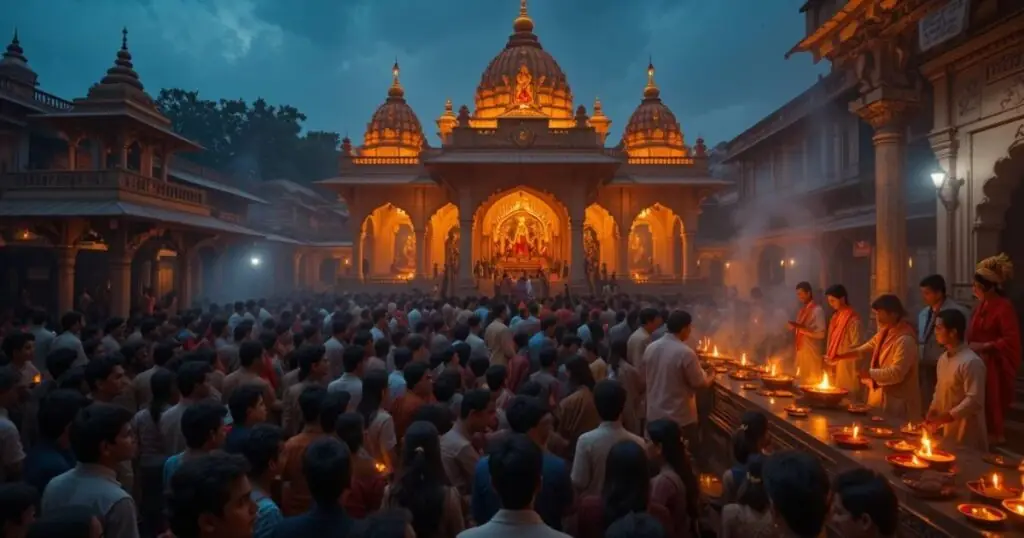
Akkalkot temple timings matter because darshan at the Shri Swami Samarth Mandir can follow a daily ritual sequence rather than a simple tourist opening schedule. The temple town in Maharashtra attracts devotees throughout the year, and queues may change sharply on Thursdays, weekends, festivals and mahasamadhi-related observances.
Before leaving for Akkalkot, check the latest notice from the concerned temple trust, especially if you need aarti, special pooja, prasad or VIP darshan access. The information below explains the commonly followed pattern, what may change, and how to plan your visit without relying on an outdated timing board.
Akkalkot is closely associated with Shri Swami Samarth Maharaj, a revered saint whom devotees traditionally regard as an incarnation of Lord Dattatreya. The most visited sacred places include the Vatavruksha Mandir, associated with the holy banyan tree, and the Samadhi Math connected with Swami Samarth’s final resting place or mahasamadhi. People often use “Akkalkot temple” to refer to the main Swami Samarth shrine, but several nearby religious places may have different entry and pooja schedules.
That distinction is important. A visitor asking for the Akkalkot Swami Samarth Mandir opening time may mean the public darshan window, while a devotee travelling for Kakad Aarti, abhishek, naivedya or evening aarti needs the ritual timetable.
These are not always identical. A temple may open before the main ritual begins, temporarily restrict movement during an offering, and reopen ordinary darshan shortly afterwards.
The following table is a practical planning reference, not a substitute for a current notice. Publicly circulated schedules for Akkalkot have varied by shrine, day and administrative arrangement. Confirm the exact time locally before travelling, particularly for special pooja services.
| Activity | Commonly reported planning window | What visitors should confirm |
|---|---|---|
| Morning temple opening | Early morning, often around 5:00–6:00 am | The current opening time of the specific mandir |
| Kakad Aarti | Usually at dawn or shortly after opening | Whether entry is open to all or controlled by passes |
| General morning darshan | After the first rituals and continuing through the morning | Temporary pauses during pooja or naivedya |
| Midday naivedya or maha aarti | Near noon in many traditional schedules | The exact ritual time and queue movement |
| Evening darshan | Resumes after afternoon rituals and continues into the evening | Whether a separate evening aarti queue is used |
| Shej or night aarti | Usually in the evening, before final closure | The current closing time and last entry |
Because the figures above are broad planning windows, don’t treat them as guaranteed train-to-temple instructions. The official board at the shrine, the managing trust’s latest communication, or an authorised counter remains more reliable than an old social media image. If you’re travelling from Solapur, Pune, Hyderabad or another distant city, build in time for delays rather than arriving just before a ritual.
Temple timings are shaped by worship, crowd management and local religious practice. At a shrine associated with Swami Samarth, darshan isn’t simply the act of walking into a hall at any hour.
The sanctum may be prepared through morning rituals, a deity may be offered naivedya, and the priestly team may need to close or regulate the queue during aarti. These pauses are part of the mandir’s worship rather than an inconvenience created for visitors.
Thursday is often considered significant by devotees of Swami Samarth and can attract heavier attendance. The same is true of Sundays, public holidays, Guru Purnima, Datta Jayanti, Ram Navami, major Hindu festivals and dates connected with the saint’s life. On such days, the shrine may open earlier, introduce barricaded queues, restrict certain forms of personal pooja, or change the process for prasad distribution.
Seasonal conditions also affect your experience. Summer afternoons in Maharashtra can be hot, so a morning visit may be physically easier, although it can coincide with a popular aarti.
During the monsoon, roads and local transport may take longer than expected. Winter mornings can be comfortable for walking but may still involve an early start if you want the first darshan.
Knowing which service you want prevents a common mistake: arriving during general opening hours and assuming that every ritual will be available. A visitor seeking a simple darshan may not need a booking, while someone requesting an abhishek or aarti participation may need to register at an authorised counter. Availability can also depend on the day’s crowd and the trust’s policy.
For ordinary darshan, reach the town with a realistic time buffer. The walk from parking or a transport point can take longer during a busy day, and queues may extend beyond the main entrance. Carry only what you need, because security arrangements may restrict bags, food, footwear and other items near the sanctum.
The best time for a quieter visit cannot be guaranteed. Early morning is often preferred by pilgrims because the weather is cooler and the first rituals have a devotional atmosphere.
It may still be crowded if a special aarti is scheduled. Midweek non-festival days are generally easier to plan than Thursdays or major observances, but only the local situation can confirm the rush.
| Visit purpose | Usually more suitable | Possible limitation |
|---|---|---|
| Quiet general darshan | Non-festival weekday, outside major aarti periods | Ritual pauses may still occur |
| Participating in morning aarti | Arrive before the announced dawn reporting time | Entry may be controlled when capacity is reached |
| Family visit with elderly people | Cooler hours with a pre-planned transport drop-off | Standing queues and uneven walking routes |
| Special pooja | Day and slot confirmed with an authorised office | Registration, identity proof or payment may be required |
| Festival darshan | Only after checking the festival-specific notice | Long queues, diversions and restricted access are possible |
Keep your plans flexible by at least a few hours. A queue may move quickly on one morning and slowly on another because of crowd volume, security checks or ritual activity. If you’re travelling with children, older relatives or someone with a medical condition, avoid assuming that a short online estimate reflects the actual waiting period.
Carry a small amount of cash if you expect to use a local authorised counter, though payment methods can differ. Keep a valid identity document accessible if you have booked a service or accommodation requiring identification. A water bottle may be useful outside the shrine, but check whether it can be taken into the queue or inner premises.
Dress modestly and comfortably. Traditional or conservative clothing is a sensible choice for a sacred Hindu temple: shoulders and knees should generally be covered, and footwear must usually be removed before entering designated areas.
These are respectful precautions, not a guarantee of a particular local rule. Follow the signs and instructions issued at the entrance.
Devotees often search specifically for Akkalkot evening aarti time or the schedule for a morning ritual. Exact aarti timings can be published differently for the Vatavruksha Mandir, Samadhi Math and other Swami Samarth institutions in town. Some schedules use local devotional names, while others list only “morning aarti,” “maha naivedya” or “night aarti.” Ask which shrine the timing refers to before setting out.
Aarti attendance can involve a separate queue or a restricted area. Even if a ritual is conducted at a known time, public access may be adjusted because the hall is full. Arriving 30 to 60 minutes early is a reasonable planning habit for an important ritual, but it should not be presented as an official reporting rule unless the temple has stated it.
Special pooja services need even more care. A listing may mention the service name without clearly stating whether the devotee performs it personally, whether a priest performs it on the devotee’s behalf, or whether the offering is accepted only on selected days. Ask about all of the following before paying:
Don’t confuse a donation receipt with a confirmed pooja booking. A donation may support the temple without granting a time-bound ritual slot. Similarly, a “VIP darshan” label should be verified through the official trust or an authorised booking counter, since unofficial agents may use attractive wording that the shrine itself does not recognise.

Prasad distribution can follow a separate schedule from darshan. It may be available after a naivedya ritual, at a designated counter or through an organised meal service. If prasad is central to your visit, ask at the temple office for the current distribution period instead of assuming that it runs whenever the gates are open.
During crowded occasions, a temple may use token systems, queue compartments or timed entry. These arrangements can change during the day. Keep your receipt or token safe, and don’t hand it to an unauthorised person who offers to “speed up” the process.
There may not be one universal online booking system for every Akkalkot shrine and every service. The main Swami Samarth temple, a local trust, a math or an affiliated institution may manage its own registration. That’s why search results showing a booking page should be checked carefully for the shrine’s legal name, contact details, current notice and payment acknowledgement.
Online availability can also be narrower than physical darshan. A portal may accept registrations for special pooja while general entry remains walk-in.
In another case, a temple may issue a token at the premises and not offer a public online reservation at all. Never assume that a third-party travel package, hotel desk or social media page is an official booking channel.
For background on the region and nearby travel planning, the Maharashtra Tourism Development Corporation’s official tourism website is a useful government source. It may provide destination context, but it shouldn’t be treated as confirmation of a particular temple’s live aarti or booking schedule. The shrine’s own latest communication remains the deciding source for those details.
If you cannot find a functioning official portal, contact the temple trust through a number displayed on the premises or on an established official notice. Be cautious with phone numbers copied across unrelated pages. Before making payment, ask whether the number belongs to the temple office and request a receipt that names the organisation.
Entry rules can differ between the outer temple compound, the main mandir, a samadhi shrine and ritual areas. Footwear is generally removed before entering sacred interiors, and devotees are expected to maintain orderly queues.
Security staff may ask visitors to leave large bags, helmets, food or other belongings in a designated place. Use only an authorised storage facility if one is available, and keep valuables to a minimum.
Photography is often restricted near the sanctum or during worship. Even when phones are allowed in an outer courtyard, that does not mean photography or video recording is permitted everywhere.
Follow signs, ask a staff member if the instruction is unclear, and never use flash during a ritual. Live-streaming aarti without permission can disturb other devotees and may breach temple policy.
Dress expectations are best approached with respect rather than as a checklist. Clean, modest clothing is appropriate.
Avoid entering after consuming alcohol or carrying prohibited substances; sacred sites and local authorities may apply strict rules. The temple may also regulate food, flowers, coconuts or other offerings, so buy offerings only from approved sellers when the administration recommends it.
Ask in advance about ramps, seating, wheelchair access, queue bypasses or assistance for people with disabilities. Such support may be available but not clearly described online. A crowded pilgrimage route can include standing, narrow passages and uneven surfaces, so a family member should plan where the older visitor can rest.
If you are travelling with a baby, check whether a feeding area or cloakroom exists. Don’t expect every facility found at a large urban shrine to be available in a smaller temple town. Carry essential medicines and keep emergency contact details with you.
Akkalkot is in Solapur district of Maharashtra and is connected to the wider region by road and rail. The nearest practical transport option depends on your origin, train availability and the location of your accommodation. Solapur is an important reference point for many travellers, while local roads and auto-rickshaws may take you onward to the temple area.
For a same-day visit, avoid scheduling darshan immediately before a train, bus or airport transfer. Ritual pauses and queue delays are difficult to predict, especially on a Thursday or festival day. A better plan is to keep the temple visit as the central activity, then place meals and onward travel around it.
| Planning stage | Practical action | Why it helps |
|---|---|---|
| Before departure | Confirm shrine, opening time and ritual schedule | Prevents confusion between different mandirs |
| On arrival in town | Ask for the authorised entrance and current queue route | Festival barricades may change the normal approach |
| Before special pooja | Report with receipt and identity document if required | Protects the booked slot and avoids counter delays |
| After darshan | Collect prasad only from the designated point | Keeps offerings and payments traceable |
| Before leaving | Allow a buffer for local traffic and transport | Reduces the risk of missing a reserved connection |
Many visitors also explore related holy places in Akkalkot, but avoid packing too many stops into a narrow timetable. A peaceful visit may be more rewarding than rushing from one location to the next. If you have come for a particular ritual, give that commitment priority over sightseeing.
Accommodation near the temple may help if you want an early morning darshan. Ask the hotel or dharmashala for directions, but verify any timing they quote with the temple itself. Local advice is useful for traffic and transport; it isn’t always authoritative for changes in pooja or entry policy.
Reliable information has a date, a clear issuing organisation and a specific shrine. It should distinguish normal days from festival days and explain whether the time applies to opening, darshan, aarti, prasad or booking. A vague post saying “open all day” is not enough for someone travelling several hundred kilometres.
Look for consistency across the trust’s current notices, the physical board at the temple and the receipt or booking confirmation issued by the office. If two sources disagree, contact the temple directly and record the answer. Screenshots can become outdated when a trust changes a schedule, and search engines may continue displaying old snippets.
Be particularly careful with claims about fixed VIP prices, guaranteed short queues or instant entry. These details can change, and a service available during one season may be suspended during crowd-control periods. A legitimate booking should explain what you’re paying for and identify the authority receiving the payment.
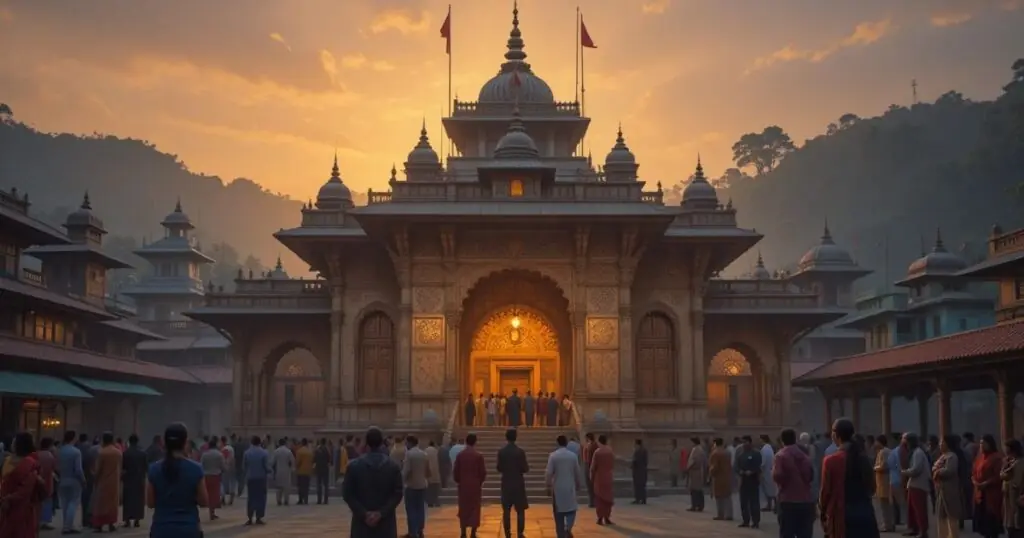
A practical rule is simple: verify once before booking travel and again shortly before departure. That small effort can prevent a long journey from ending at a closed gate or an unavailable service.
A useful comparison comes from the Shree Somnath Jyotirlinga Temple in Gujarat, where the official temple trust publishes separate information for darshan and certain visitor services rather than treating every entry as the same activity. Its public communications show why pilgrims should distinguish ordinary darshan from aarti participation, special offerings and other controlled services. The lesson applies to Akkalkot: an advertised temple opening period does not automatically confirm a seat in a ritual or priority access.
This example does not establish Akkalkot’s schedule or prove that the two temples use identical procedures. It demonstrates a verification principle.
When an established shrine separates services and publishes conditions, visitors can see what is included, where to report and which arrangements may change. At Akkalkot, use the same standard: seek a named authority, a current date and a clear description of the service before paying or travelling.
For a devotee, this is more than administrative detail. A planned visit to Swami Samarth’s sacred town may carry personal meaning, and accurate information protects both that intention and your time. Respecting local instructions also helps the temple manage crowds for everyone.
Publicly circulated schedules generally show early morning opening followed by daytime and evening darshan, but exact hours differ by shrine and can change. Confirm the current schedule with the concerned Swami Samarth temple or trust before travelling.
There is no single closing time that can safely be applied to every temple associated with Akkalkot. The final aarti, last entry and gate closure may be separate events. Check the current board or official notice, particularly on festival days.
Some temples or trusts may offer a paid or priority service, while others may not. Don’t rely on an agent’s claim. Ask the authorised temple office whether VIP darshan exists, what it includes, the reporting time and whether an official receipt is issued.
Thursday is commonly regarded as an important day by many Swami Samarth devotees, so attendance may be higher. The actual crowd varies with festivals, holidays and local events. Arrive early and keep extra time for queues.
Wear clean, modest clothing that covers the shoulders and knees, and be prepared to remove footwear in designated areas. Specific rules can differ, so follow the entrance signage and staff instructions.
Online availability depends on the particular temple trust and service. Verify that the website or payment page belongs to the authorised organisation, read the reporting instructions and save your confirmation. If no official online system exists, use the temple’s authorised counter.
Photography may be restricted near the sanctum, during aarti or throughout particular areas. Follow posted instructions and ask staff before recording. Never assume that permission in an outer courtyard applies to the entire temple.
There is no dependable fixed estimate. Waiting can be brief on a quiet weekday and substantially longer on Thursdays, weekends, festivals or special observances. Build a generous buffer, especially if you have a train, bus or flight later that day.
Akkalkot temple timings are best treated as a living schedule shaped by daily worship, crowd levels and festival arrangements. Confirm the exact shrine, darshan window, aarti time and booking instructions through the concerned trust before you leave, and keep your receipt and identification ready if you’ve reserved a service. A little flexibility will make the visit calmer, especially for families and older devotees.
For your next step, check the latest official communication shortly before travel rather than relying on an old timetable. That final confirmation can turn a rushed stop into a meaningful visit to the sacred town associated with Swami Samarth Maharaj.





