Physical Address
304 North Cardinal St.
Dorchester Center, MA 02124
Physical Address
304 North Cardinal St.
Dorchester Center, MA 02124
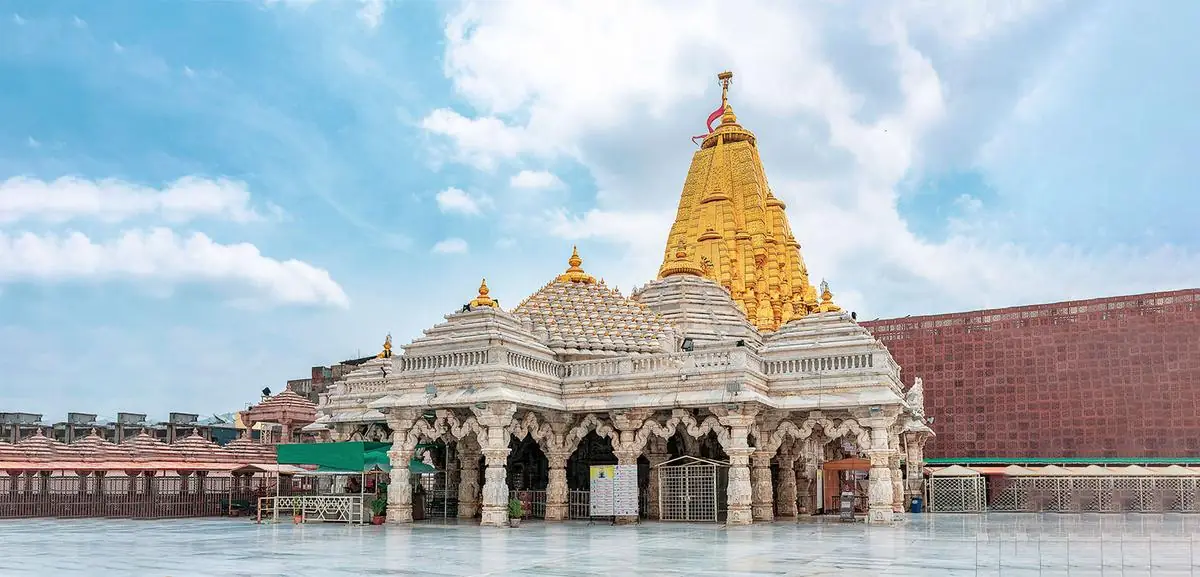
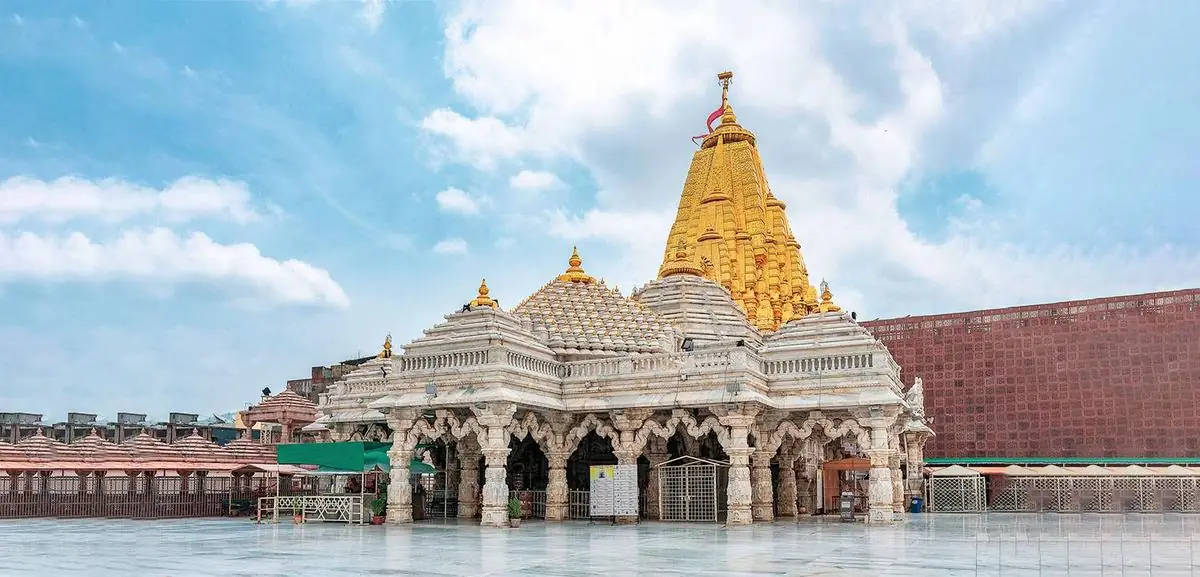
Checking ambaji temple time before leaving home can make your visit to Ambaji Mata far more peaceful. Darshan hours, morning aarti, evening aarti, pooja access, queues and booking arrangements may follow different schedules, especially on weekends, festivals and special religious occasions.
The temple administration can also revise timings without much notice. This article explains how to verify the latest schedule, plan your arrival, understand booking terms and prepare for a visit to Ambaji Mandir, Gabbar Hill and nearby facilities in Gujarat.
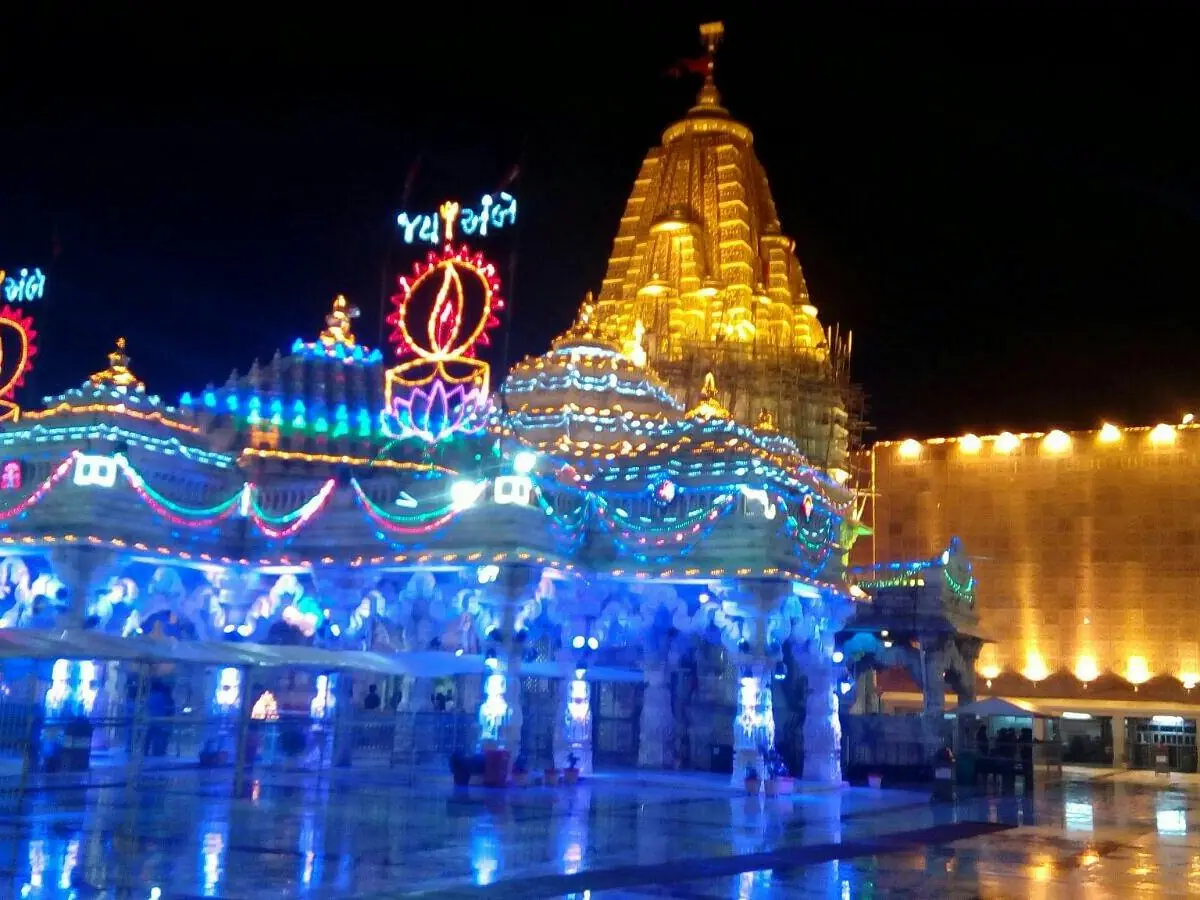
Ambaji Temple is one of Gujarat’s best-known pilgrimage destinations, and devotees often travel a considerable distance to seek blessings from Maa Amba. Reaching the temple is only one part of the plan. You also need to know whether the temple is open for general Darshan, whether aarti is taking place, whether a particular pooja requires prior arrangements, and how much time you may need for entry.
The phrase “temple time” can mean several different things. Someone searching for the Ambaji Temple opening hours may actually want the Darshan schedule.
Another visitor may be asking about the morning aarti, evening aarti, booking counter hours, or the time required to enter during a crowded festival. These are related but not always identical.
Schedules can change because of religious ceremonies, maintenance, crowd management, VIP movement, festival arrangements, security instructions or decisions made by the temple trust. A timing displayed on an old travel page may not apply on the day you visit. That’s why the latest notice from the official temple administration, official booking portal or verified temple contact channel should take priority over an old social media post.
A sensible plan includes more than simply asking, “What time does Ambaji Temple open?” You should also confirm:
If you’re travelling from Ahmedabad, Palanpur, Abu Road or another part of north Gujarat, this check becomes even more important. A delayed bus, a long road journey or a crowded entrance can affect your entire itinerary.
Temple schedules are easier to understand once you separate each activity. General Darshan refers to the period when devotees may enter the permitted area to offer prayers.
Aarti is a formal worship ceremony involving lamps, devotional recitation and ritual offerings. Pooja or seva may refer to a specific religious service arranged according to the temple’s rules, sometimes with a receipt or prior booking.
The temple may also have opening and closing intervals that don’t exactly match the time available for every type of worship. For example, an entrance might remain open for general visitors while a particular sanctum-facing area is temporarily regulated for a ceremony.
During aarti, movement may slow or stop for a short period. The exact procedure belongs to the temple administration, so visitors should follow announcements and instructions at the site.
| Timing category | What it usually refers to | What you should verify |
|---|---|---|
| Temple opening hours | The period when the temple complex or visitor entry begins | First entry time, access gates and any opening-day changes |
| General Darshan | Regular prayer and viewing opportunity for devotees | Queue start, final entry and temporary pauses |
| Morning aarti | An early worship ceremony held according to the daily ritual calendar | Exact time, attendance rules and whether public participation is allowed |
| Evening aarti | An evening lamp ceremony and devotional service | Schedule changes, crowd restrictions and seating or entry arrangements |
| Pooja or seva | A specific worship service or offering arrangement | Booking method, reporting time, receipt requirements and permitted items |
| Booking counter timing | The hours during which on-site arrangements may be accepted | Whether the counter operates daily and whether online booking is required |
Do not assume that a Darshan ticket automatically provides entry to an aarti or a special pooja. Those services may have separate conditions. In the same way, an online reservation may give you a reporting window rather than an instant entrance at the exact minute printed on the receipt.
Use the words “open,” “Darshan,” “aarti” and “booking” carefully when speaking to a temple help desk. A clear question such as “What is the general Darshan time today?” is more useful than asking only for the temple closing time.

The daily schedule at Ambaji Mandir may be different from the schedule followed during a major festival. Ordinary weekdays are usually easier to plan because crowd movement is more predictable. Sundays, public holidays, full-moon days and school vacation periods can attract more visitors, even when the official ritual calendar remains unchanged.
Festival periods require special care. Ambaji is associated with important devotional gatherings, including the Bhadarvi Poonam period, when many devotees visit the town and surrounding pilgrimage areas.
Large gatherings can influence road access, parking, pedestrian routes, queue systems and the time needed to complete Darshan. The temple may publish separate notices for the occasion.
Navratri is another period when devotees may plan a visit around special worship, local events and increased religious activity. The presence of a festival does not automatically mean that every visitor can attend every ceremony. Some rituals may be conducted under controlled arrangements, and entry may be limited for crowd safety or ritual reasons.
Weather can affect practical timing as well. Summer travel may make midday waiting uncomfortable, while monsoon conditions can slow road travel around the region.
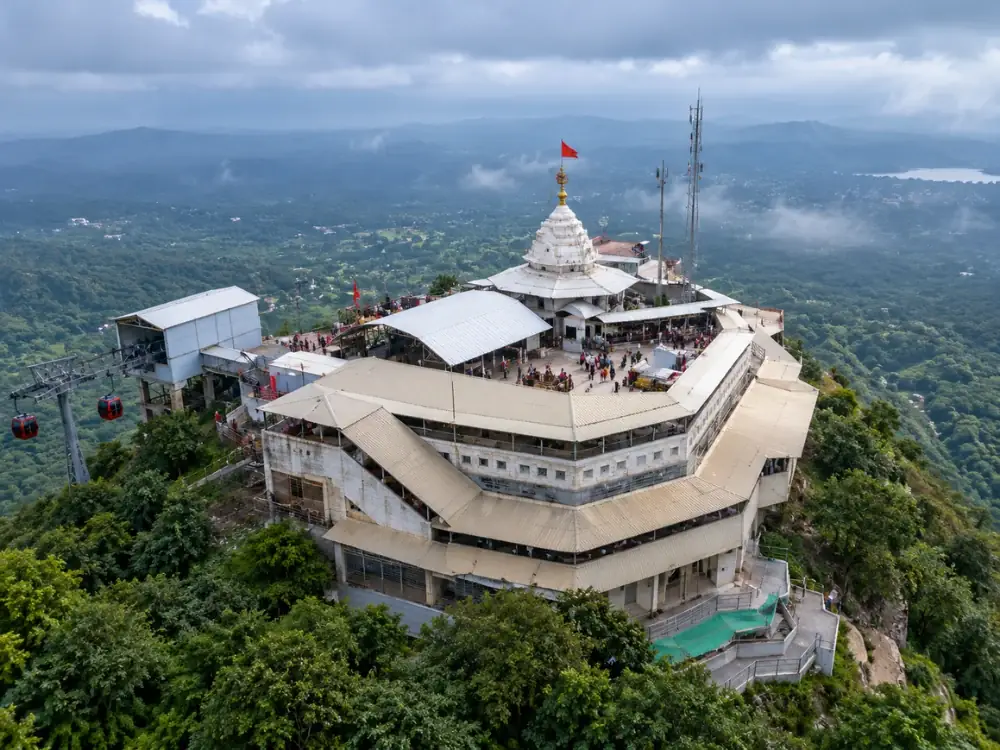
A visit involving Gabbar Hill requires separate planning because the hill pilgrimage and the main temple visit may not follow the same movement pattern. If your itinerary includes both locations, leave a generous buffer rather than treating them as a single stop.
Before a special-day visit, check the following on the same day or shortly beforehand:
Never rely on a search result snippet alone for “Ambaji Temple time today” or “Ambaji Temple time tomorrow.” Snippets can show old information, and they may not display temporary notices. The official temple website or verified administration announcement is the safer source.
The most reliable method is to begin with the official temple or temple trust website. Look for pages labelled Darshan timing, daily schedule, aarti, pooja, booking, notices, contact or visitor information. A genuine official page should provide identifiable administration details rather than only a generic travel description.
When the website is difficult to access, use an official government tourism page as a secondary reference for location and general visitor context. The Gujarat Tourism information on Ambaji can help confirm the destination and regional setting, but the temple’s own latest notice should still be used for day-specific Darshan or booking details.
Search carefully. Useful phrases include “Ambaji Temple official website,” “Ambaji Temple open or closed today,” “Ambaji Temple aarti time today,” and “Ambaji Temple booking.” Add the date to your search, but don’t assume a result with a recent-looking title is an official update. Check the domain, contact details and whether the notice clearly identifies the temple authority.
Official social media channels may also carry temporary announcements, but visitors should distinguish verified accounts from fan pages, tour operators and forwarded messages. A WhatsApp image without a date, issuing authority or reference number is not enough for a long-distance journey.
Save the relevant page or take a screenshot after checking it. Internet service can be unreliable during travel, and a booking receipt or schedule page may be useful at the entrance.
If a phone number is listed, save the temple number from the official source rather than from an unverified directory. Ask whether the information applies to general Darshan, aarti or a booked pooja.
General Darshan is usually the simplest option for a first-time visitor, but simple doesn’t mean unplanned. On arrival, look for the designated queue, security screening and information boards. Follow the route marked by the temple administration rather than joining a line that appears shorter but is meant for another service.
Devotees should keep footwear, bags, mobile phones and other personal belongings within the permitted arrangements. Rules can vary, so don’t carry an item into the temple assuming it will be accepted. If lockers or cloakrooms are available, use only the official facility and retain the token carefully.
Aarti attendance can involve a different experience from ordinary Darshan. The ceremony may draw a concentrated crowd because many visitors want to be present at the same time. If you want to attend the morning aarti or evening aarti, arrive well before the announced reporting period and ask staff where aarti attendees should wait.
Pooja arrangements need even more attention. Some services may require a booking receipt, identity details, a contribution or a fixed reporting time.
The word “booking” doesn’t necessarily mean that a person can select any time of day. It may refer to a scheduled ritual slot, a permission slip or a queue token issued by the temple office.
Ask these questions before paying for any service:
Keep your booking confirmation accessible, but remember that temple staff instructions at the entrance take priority if the route changes. A printed receipt can be useful for older travellers who don’t want to depend entirely on a phone.
Online ticket reservations can reduce uncertainty, but they don’t eliminate the need to check instructions. Begin by confirming that the booking page belongs to the official temple authority or its authorised service. Avoid paying through a link received in an unsolicited message, especially if it asks for a personal transfer to an unknown account.
Read the booking page from top to bottom before entering details. Look for the service name, date, reporting window, number of allowed participants, identity requirements, cancellation terms and instructions for collecting or showing the receipt.
Some portals may use terms such as Darshan pass, seva booking, pooja receipt or entry slot. These terms should be understood before you complete payment.
A reporting time is not always the same as the time you’ll see the sanctum or complete Darshan. You may need to arrive early for security checks, document verification and queue formation. If your booking is for the evening, keep your transport plan flexible because crowd movement can take longer on busy days.
Use the exact name and identity information requested by the official form. Carry the original document specified in the booking instructions, along with a digital and printed copy of the confirmation if practical. Don’t create multiple bookings simply because a confirmation message is delayed; first check your account, email, payment status and the portal’s help channel.
Be cautious about claims of guaranteed immediate entry, special access or unofficial VIP Darshan. If a priority facility exists, it should be described through official temple channels, with clear terms and an authorised payment process. A private agent’s promise isn’t proof that the arrangement is recognised by Ambaji Temple administration.
Take a screenshot of the payment reference, booking ID and error message. Contact the official booking support or temple office using the details shown on the portal. Don’t share your one-time password, card PIN or banking password with anyone claiming to “activate” a Darshan ticket.
If payment is deducted but no receipt appears, wait for the portal’s stated processing period before trying again. Carry the transaction reference when you contact support. At the temple, approach the official help desk rather than an unauthorised person outside the queue.
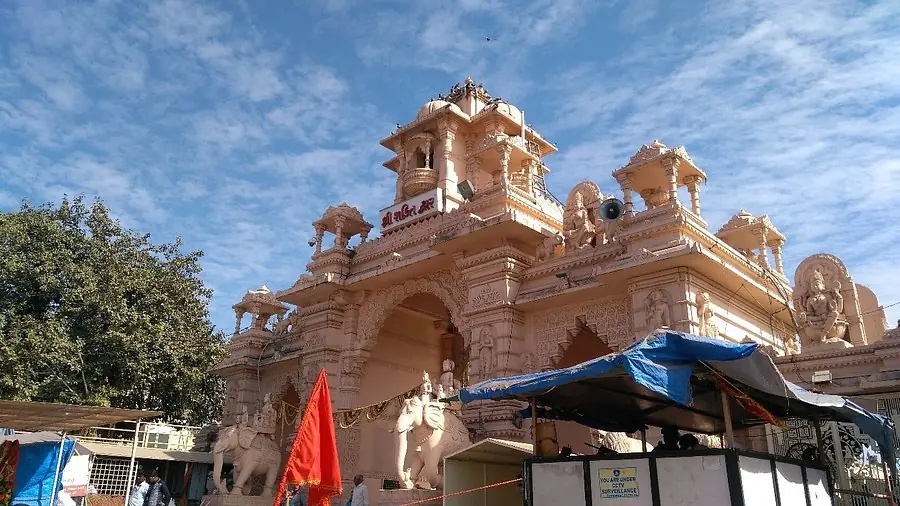
Good timing begins before you reach the temple town. Ambaji is in Banaskantha district in north Gujarat, and travellers may approach by road from different cities and transport points.
Travel time depends on your starting location, road conditions, traffic, stops and the number of people in your group. Don’t calculate your arrival using the temple’s opening time alone.
Plan to reach the area with enough time for parking, walking, security screening and locating the correct entrance. If you’re travelling with senior citizens, young children or someone with limited mobility, add extra time for rest stops and movement between the vehicle area and the temple. Ask local officials about permitted drop-off points instead of stopping on a busy road.
Parking arrangements may change during festivals or peak weekends. A parking area that works on an ordinary weekday may be full or restricted during a major gathering.
Follow signs and traffic personnel, even if a familiar route appears shorter. Private operators may charge differently, so use marked facilities and ask for a receipt where available.
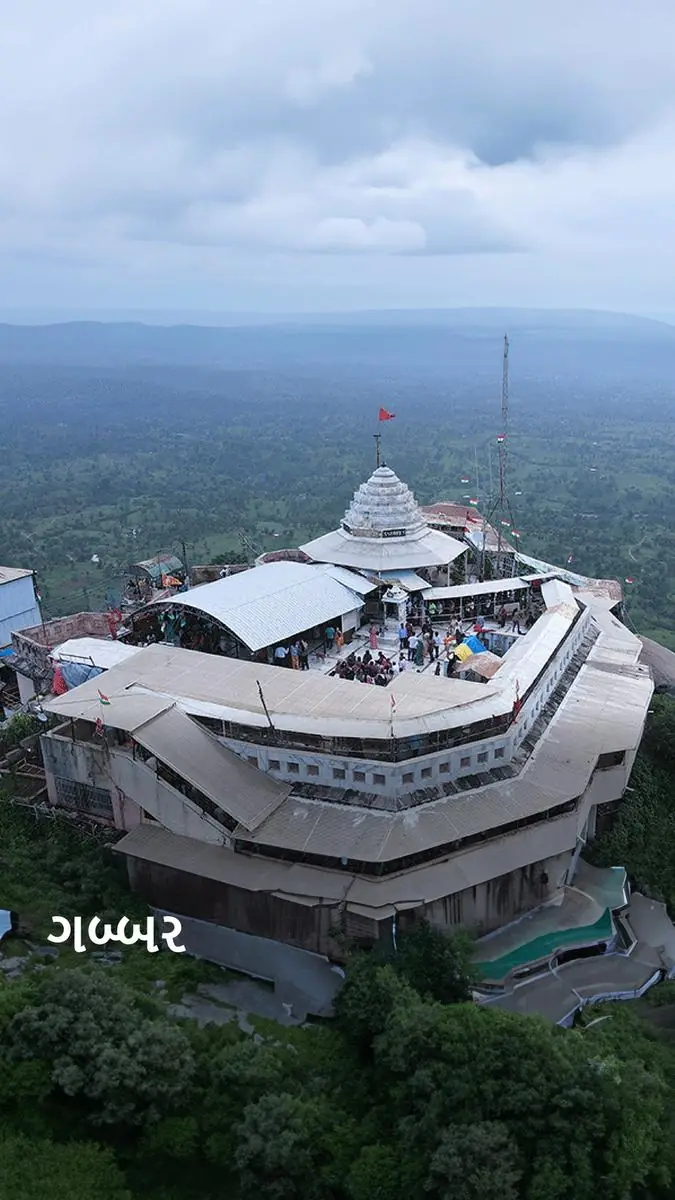
If Gabbar Hill is part of your plan, treat it as a separate activity. The climb, route, weather, crowd and transport arrangements can affect how quickly you can return to the main temple area.
Visitors often make the mistake of scheduling a tightly timed pooja immediately after a hill visit. A wider gap is safer and more comfortable.
Useful items to keep ready include:
Before leaving your hotel or transport point, ask whether the temple is open, whether a queue is active and whether a temporary notice has been issued. Local information is useful, but it should confirm—not replace—the official schedule.
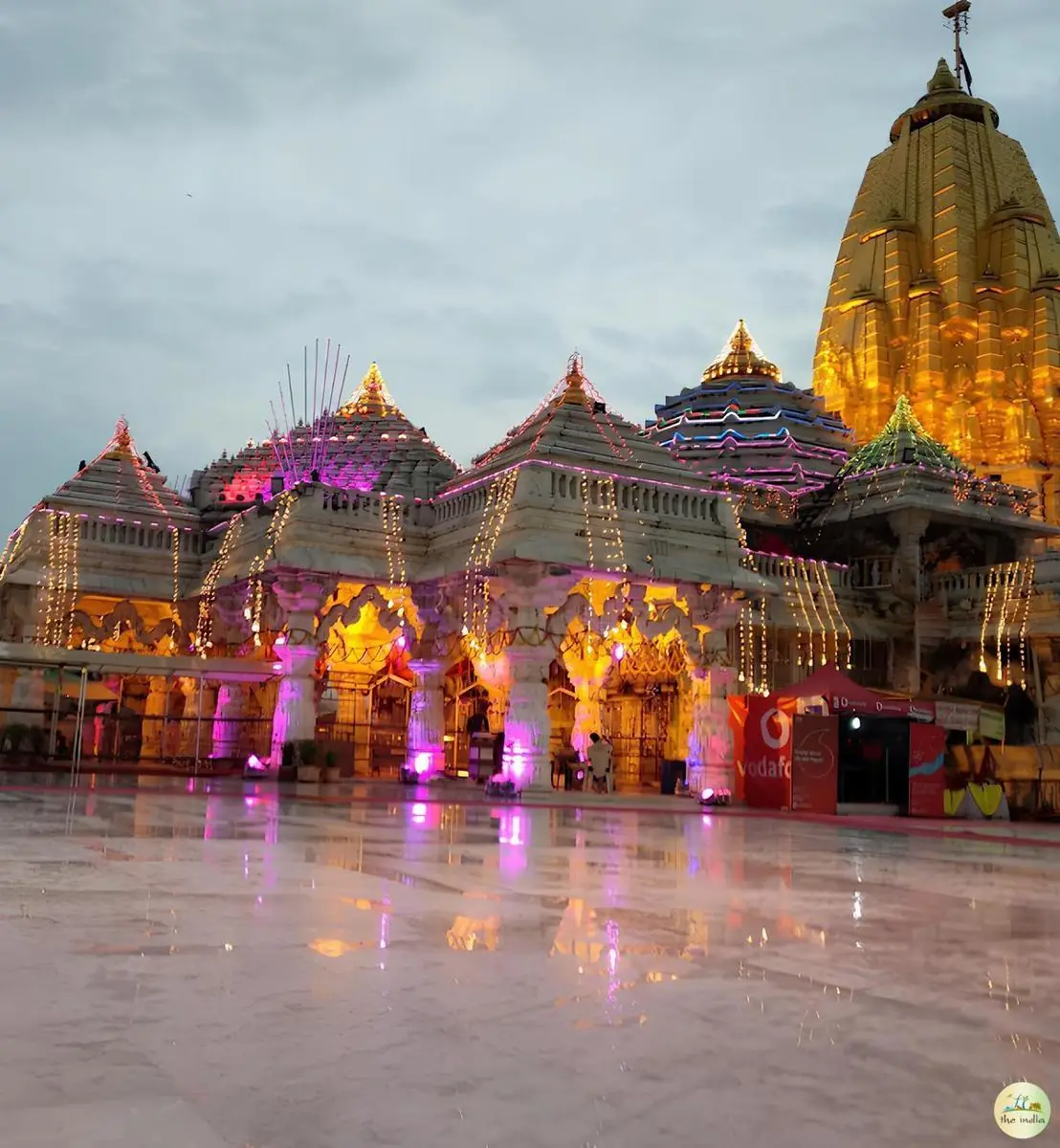
Ambaji can feel very different on a quiet weekday compared with a Sunday, public holiday or festival day. The published Darshan time may remain available, yet the time spent reaching the entrance and moving through the queue can increase substantially. That’s why planning only around the opening and closing hours gives an incomplete picture.
Arriving early is often practical for visitors who want a calmer start, but don’t assume that early arrival guarantees immediate Darshan. The temple may be preparing for aarti, conducting a ritual or managing entry in a controlled way. Ask the queue staff what line is operating and whether it is for general Darshan, a booked service or a ceremony.
During peak periods, keep your group together without blocking the movement of others. Fix a meeting point outside the crowded entrance in case someone becomes separated. Children should remain with a responsible adult, and older visitors should not be left standing in a queue without seating or assistance if they need support.
Festival travel also affects accommodation and road access. Rooms may be harder to find, and transport can take longer than expected. If your visit is tied to a booked pooja, consider arriving in Ambaji earlier or staying nearby rather than reaching just before the reporting time.
Temple volunteers and security personnel may ask visitors to change their route or wait temporarily. Cooperating with those instructions helps keep the queue moving. Do not argue for a faster entrance based on an old online post or a verbal promise from an unauthorised intermediary.
Sundays can be busier than an ordinary weekday because more people are free to travel, but crowd levels vary by season, festival calendar, weather and local events. The safest approach is to treat Sunday as a potentially busy day and allow extra time. Check current notices rather than assuming that every Sunday follows the same pattern.
If your schedule is flexible, compare a weekday visit with a weekend visit. A weekday may make parking and queue movement easier, although the temple’s ritual timetable and any special ceremony can still affect access.
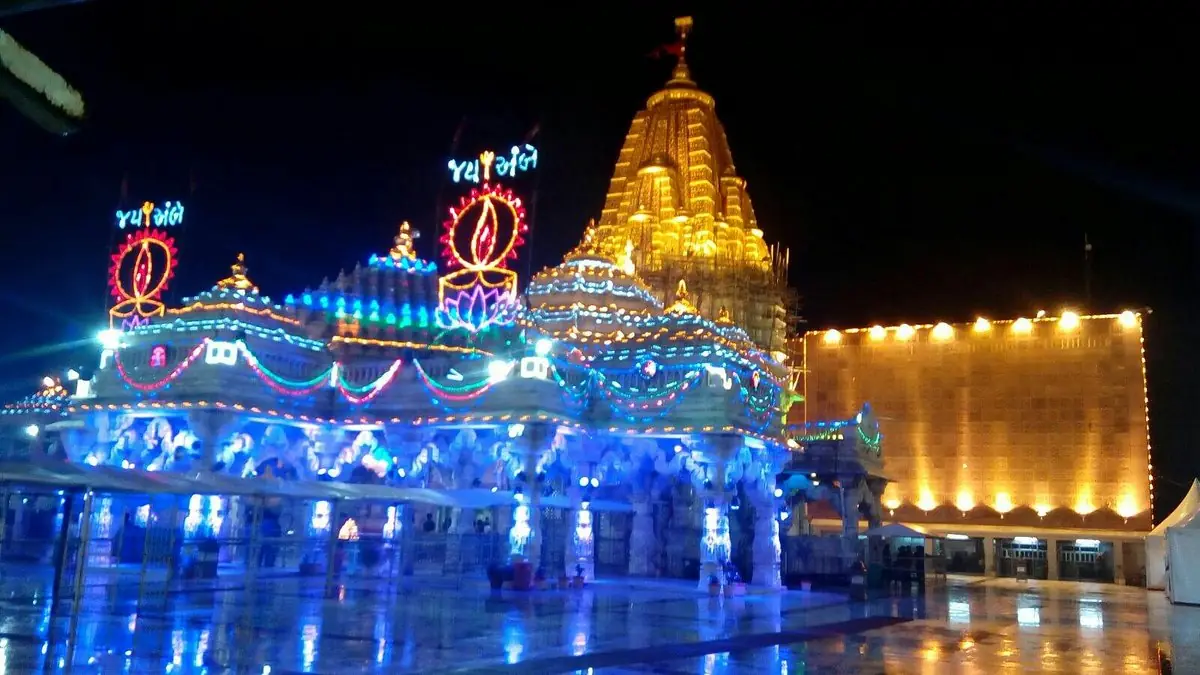
The most frequent mistake is trusting a static timing copied from an old website. Temple schedules are not permanent travel facts. Even a page that was accurate last year may omit a current festival arrangement, revised entry procedure or temporary closure.
Another mistake is confusing the main temple with nearby attractions. Ambaji Temple, Gabbar Hill and other local religious sites may have different access routes and practical schedules. If a person tells you that “the temple is open,” ask which temple, which entrance and which activity they mean.
Visitors also sometimes arrive at the last minute for an online booking. Reporting time allows the administration to organise entry; it shouldn’t be treated as a promise that you can reach the gate at that exact moment and still be admitted. Travel delays happen, especially during festival traffic.
Be wary of unofficial agents outside the temple who offer guaranteed VIP Darshan, instant pooja access or special blessings for an unexplained fee. Ask for a formal receipt and verify any special facility through the official temple office. Don’t hand over identity documents or payment details to an unknown person.
Other avoidable errors include:
A little preparation protects both your time and your religious experience. The aim isn’t to rush through the visit; it’s to avoid preventable confusion once you arrive.
Use the following process whether you’re visiting alone, with family or as part of a larger pilgrimage group.
This approach works because it separates religious planning from transport planning. You’re less likely to miss a booked service when you know exactly which part of the schedule controls your visit.
Darshan timings can change by day, ceremony, festival and administrative decision. Check the latest official schedule for the date of your visit rather than relying on a general timing copied from an old page.
The closing period may refer to the end of general entry, the end of a Darshan session or the closure of a specific gate. Confirm the final entry time directly with the official temple source, especially if you’re arriving late in the day.
Use the official website, verified temple notice or administration contact channel to confirm whether the temple is open today. Festival arrangements, maintenance, security restrictions or special rituals may alter ordinary access.
Do not assume that a private agent’s offer is authorised. If a priority or special Darshan facility is available, verify its name, price, booking method and entry rules through the official temple administration.
Online availability depends on the service and the current system used by the temple. Use only the official booking portal, read the reporting instructions and confirm whether the receipt covers one person or multiple devotees.
Reach early enough to manage parking, walking, security checks and queue formation. The right amount of extra time depends on your travel route, group size and whether you’re visiting on a busy day or attending a booked service.
There isn’t one dependable duration for every visitor. Fitness, weather, crowd movement, rest breaks and the chosen route all affect the time. Keep Gabbar Hill separate from a tightly scheduled temple booking and allow a comfortable buffer.
Many visitors plan both, but you should account for travel within the area, walking, queues and crowd conditions. Check the latest access information for both locations and avoid assuming that one schedule controls the other.
Reliable ambaji temple time is less about memorising one fixed set of hours and more about checking the right schedule for the right service on the right date. Verify general Darshan, aarti, pooja and booking information separately, then allow practical time for travel, parking, queues and Gabbar Hill if it’s part of your plan.
Before you leave for Ambaji, open the official source once more and confirm that no notice has changed the route or entry process. With that small final check, you can arrive prepared, respect the temple’s instructions and focus on the spiritual purpose of your visit.





