Physical Address
304 North Cardinal St.
Dorchester Center, MA 02124
Physical Address
304 North Cardinal St.
Dorchester Center, MA 02124
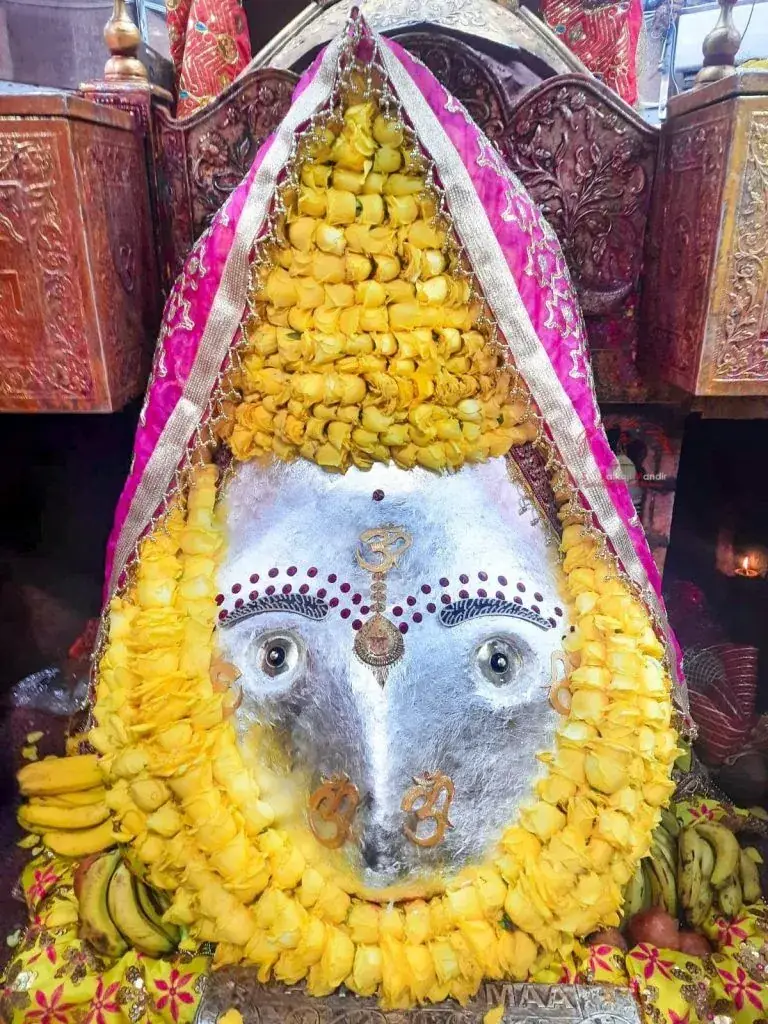
Kalkaji Mandir in South Delhi is one of the city’s most visited Shakti temples, and accurate timing information can make a major difference to your visit. Darshan hours, aarti schedules, special pooja arrangements, entry procedures and crowd conditions may change on ordinary days, weekends and festivals.
A plan that works on a quiet weekday may not work during Navratri. This article explains how to check the latest Kalkaji Mandir schedule, prepare for darshan, understand booking terms, reach the temple, and avoid common mistakes without relying on unverified timing lists or old social media posts.
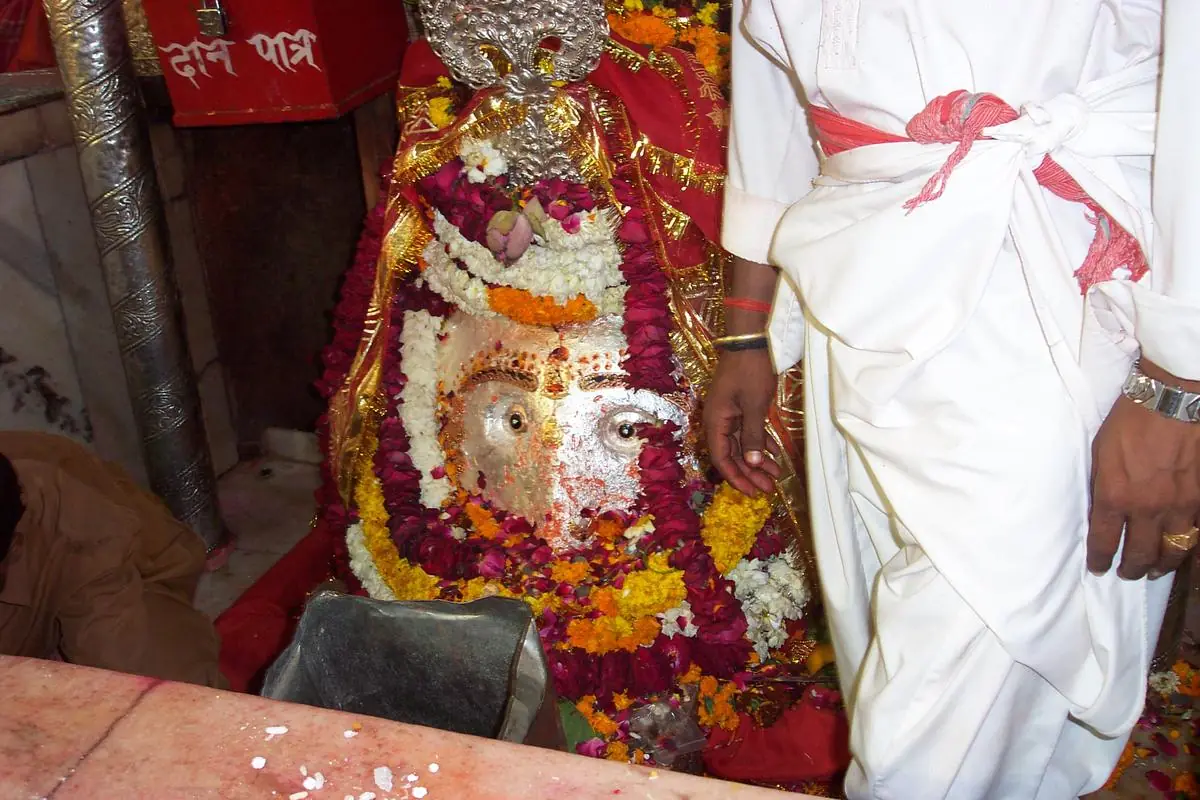
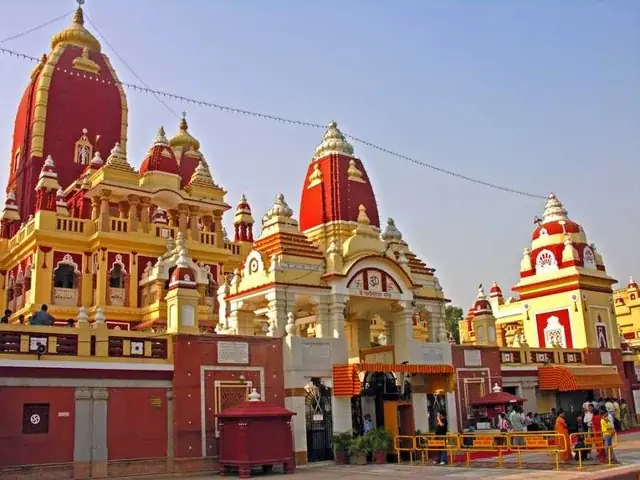
Kalkaji Mandir, also known as the Kalkaji Temple, stands in the Kalkaji area of South Delhi near Nehru Place, Okhla and Govindpuri. The temple is associated with Maa Kalka, a powerful form of Devi worshipped by devotees seeking courage, protection and blessings. Its location has also made it accessible to residents of Delhi NCR, visitors from Haryana and Uttar Pradesh, and travellers using the Delhi Metro.
The temple’s religious identity is connected with Shakti worship, in which the divine feminine is revered as Devi. Many devotees regard Kalkaji as a Shaktipeeth or Shakti shrine, although descriptions of the exact Shaktipeeth tradition can vary across religious sources and regional accounts. The popular association is with Sati and Shiva, and the temple’s name is linked to Kalka, Kali and the fierce protective forms of the goddess.
Local legends describe the area as a place where divine power defeated demons, including forces that threatened the gods and the wider world. Such stories belong to Hindu religious tradition and should be understood as sacred narratives rather than as archaeological or historical proof. Different retellings use different names, details and sequences.
For a visitor, the important point is that the temple is not simply a sightseeing stop. People arrive for darshan, sankalp, family prayers, special pooja, aarti and festival observances. Some visit once during a Delhi trip; others return every year or on particular days connected with their family’s worship.
The nearby Kalkaji Mandir Metro Station is a useful transport reference, but you should still check the current Delhi Metro route before leaving. Metro gates, road diversions and pedestrian access can be affected by construction, security arrangements or festival crowds. For a general overview of Delhi’s heritage and religious destinations, the Delhi Tourism official website is a useful government reference.
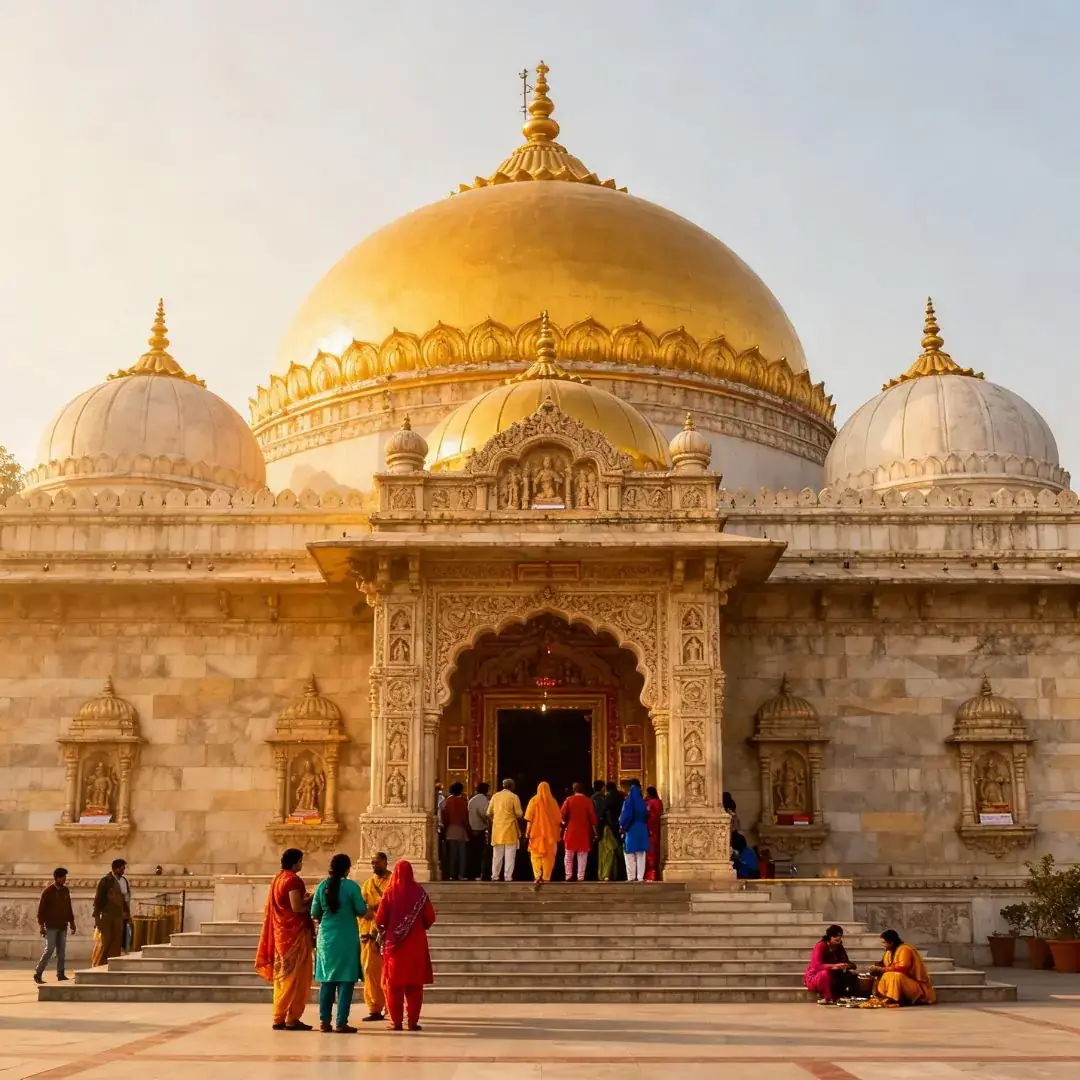
Search results often display a single opening time and closing time for Kalkaji Mandir. That information may be convenient, but it doesn’t always explain the difference between temple opening hours, inner sanctum access, darshan availability, pooja slots and aarti timings. A temple can be physically open while a particular ritual is underway or while a specific queue is temporarily paused.
There may also be a difference between general darshan and paid or pre-arranged pooja services. If you’re only seeking darshan, you may need to join the regular queue.
If you have arranged a special pooja, the organiser may provide a reporting time that is different from the time the temple opens. Never assume that reaching at the reporting time guarantees immediate entry.
| Timing or service | What it generally means | What you should verify |
|---|---|---|
| Temple opening hours | The period when devotees may normally approach the temple complex | Daily opening and closing changes, security restrictions and festival exceptions |
| Darshan timing | The period in which devotees can seek a viewing of the deity | Queue entry, temporary pauses and separate access arrangements |
| Pooja timing | A scheduled worship service, offering or prayer arrangement | Booking requirement, reporting time, permitted materials and fee |
| Aarti timing | A ritual involving lamps, prayers and devotional participation | Whether the public can stand inside, where to gather and crowd controls |
| Booking timing | The period during which an online or counter reservation may be made | Official portal availability, identity requirements and cancellation terms |
Timings can also vary during Navratri, special lunar dates, weekends, public holidays and local religious events. A schedule copied from an old article may be broadly correct but still unsuitable for the date of your visit. The safest approach is to check an official temple notice, verified temple administration channel or official booking portal shortly before travelling.
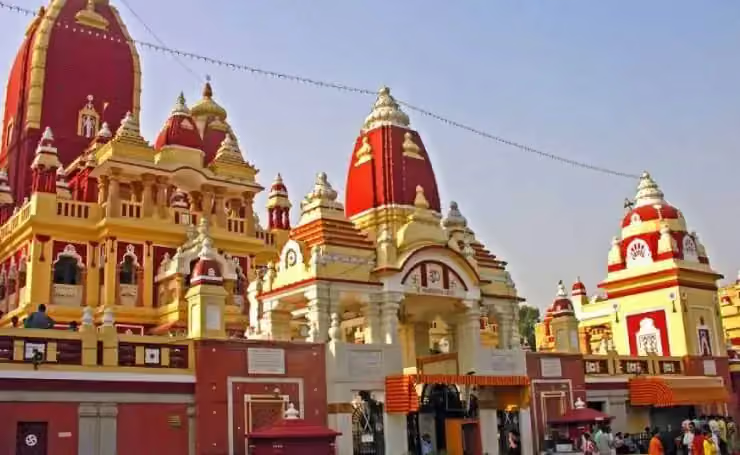
Darshan means viewing or presenting yourself before the deity with reverence. At a busy temple such as Kalkaji Mandir, darshan is normally organised through queues and controlled movement rather than through an appointment for every visitor. The exact arrangement can change according to crowd size, security instructions and ongoing rituals.
On arrival, first identify the current entry point and ask an authorised temple volunteer or security official where the general darshan queue begins. Avoid following people who offer to take you through a “special” route unless the temple administration clearly identifies that service. Informal intermediaries can create confusion and may ask for money without providing an authorised facility.
Keep your visit respectful and unhurried. Darshan may be brief because many other devotees are waiting. Don’t push forward, block the passage for photographs or attempt to place personal items directly near the deity unless temple staff permit it.
Families with older people, young children or visitors with mobility needs should ask about the most suitable access route before joining a long queue. Conditions can be different during a festival, and a route used on an ordinary day may be changed for crowd management. If you’re travelling in a group, agree on a meeting point outside the most crowded area rather than relying on mobile calls inside the temple complex.
Pooja is a devotional worship service that may include offerings, mantras, lamps, flowers or other ritual elements. Aarti is a particular form of worship in which a lamp or flame is offered before the deity, commonly accompanied by devotional singing or recitation. The terms are related, but they aren’t interchangeable: aarti is one ritual, while pooja can describe a broader worship arrangement.
Visitors often search for “Kalkaji Mandir pooja timings” when they actually need one of three different things: the general time for a daily ritual, a special pooja arranged by the temple, or permission to conduct a family prayer. These services may follow different rules. The presence of a daily ritual does not automatically mean that every visitor can book a private participation slot.
Before paying or making a commitment, ask the temple office or an authorised representative:
Aarti can attract a particularly large gathering because devotees want to participate in a shared ritual rather than simply pass through the darshan queue. If attending aarti matters to you, verify the current timing on the same day or shortly before your journey. Don’t treat a third-party listing as confirmation, especially during Navratri or other peak periods.
Religious practice also varies by family and tradition. Some devotees follow a particular method of offering prayers; others simply stand quietly before the deity. The temple’s instructions take priority over personal assumptions, online advice or practices seen at another Mandir.
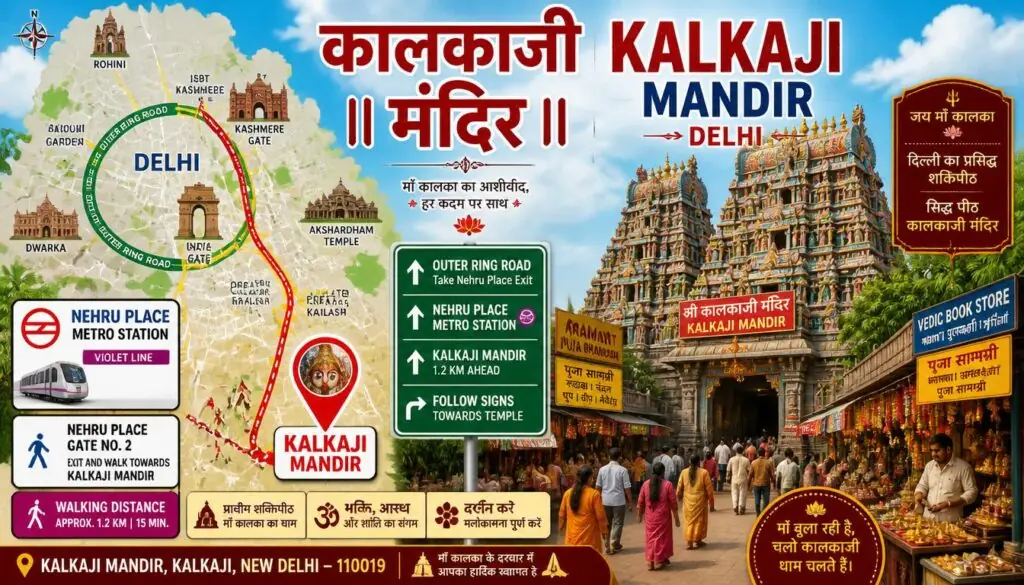
“Booking” can mean several things in temple-related searches. It may refer to a pooja reservation, an event pass, a special darshan arrangement, a donation receipt, a locker facility or a queue-management token. Unless the official temple administration clearly advertises a service, you shouldn’t assume that an online ticket is required for ordinary darshan.
The availability of online ticket reservations may change. Some temples use an official website, a government-supported portal or a recognised trust platform.
Others manage services through an on-site counter. A website that uses the temple’s name isn’t automatically official, so check whether the link is referenced by the temple administration or a verified government or trust channel.
Look for clear information about the organisation issuing the receipt, the date and time of the service, identification requirements, refund terms and contact details. Be cautious if a page promises guaranteed entry, immediate VIP access or a private darshan without explaining the authority behind that promise.
Keep the following distinctions in mind:
Save your confirmation number, payment receipt and identity details before travelling. If the portal is unavailable, don’t pay a second time through an unknown link simply because someone says that the first booking “didn’t go through.” Contact the official support channel or check the transaction status through the original portal.
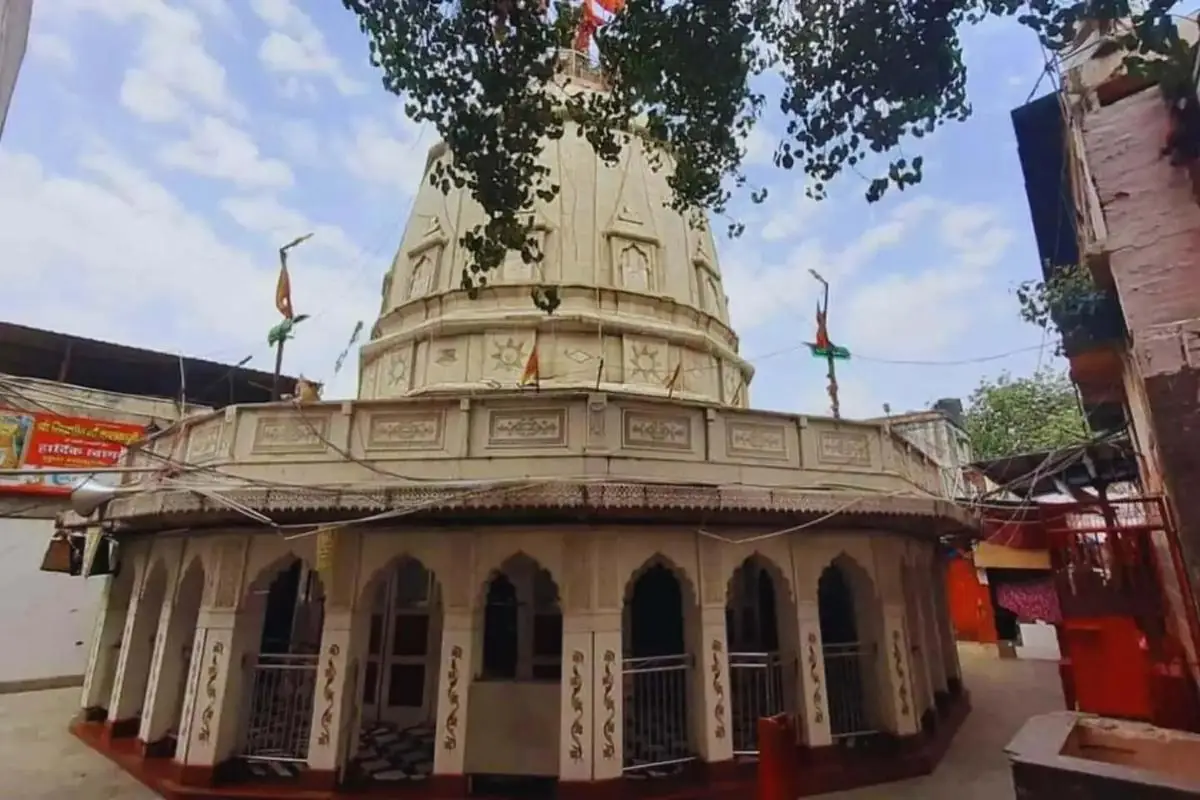
A reliable visit begins with verification rather than assumption. The following process is practical for both first-time visitors and families arranging a pooja.
If you’re visiting with children or older relatives, explain the plan before entering. Decide who will hold the documents, where everyone will meet if separated and which items are essential. Small preparations prevent avoidable stress in a dense crowd.
For a booking arranged through a priest or local contact, request written details: temple name, service name, date, reporting time, amount paid and the name of the authorised office. A verbal promise is difficult to verify later.
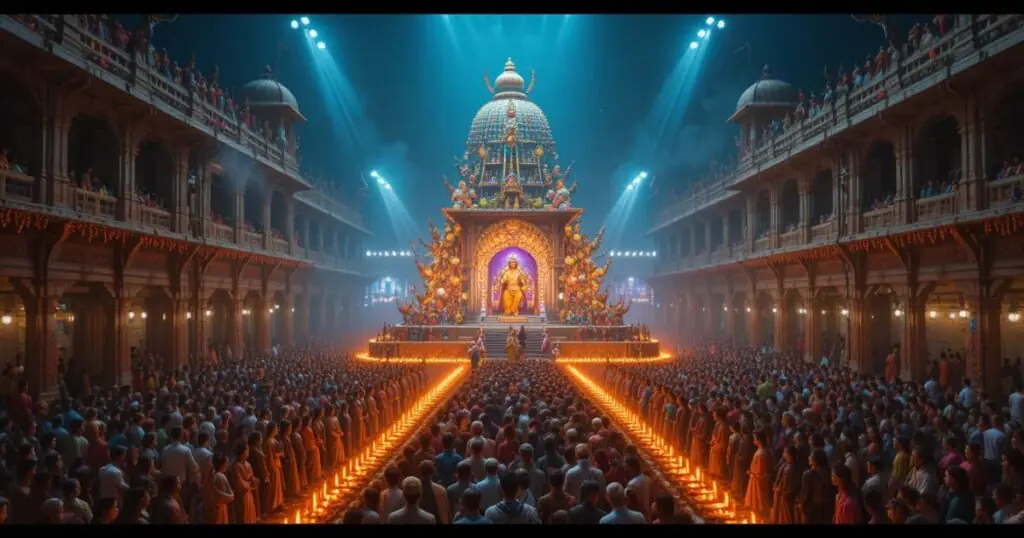
There is no single universally “best” time to visit Kalkaji Mandir because your priority may be different from another devotee’s. A person seeking a quieter darshan may prefer a non-festival weekday, while another visitor may specifically want to attend aarti or visit during Navratri. The right choice depends on the ritual, the people travelling with you and your tolerance for waiting.
Early arrival often helps on busy days, but it doesn’t guarantee immediate darshan. Other devotees may also plan to arrive early, and special rituals can influence queue movement. A quieter date is usually more predictable than simply choosing an early hour on a major festival day.
Navratri is especially important for Devi worship and can bring substantial crowds to temples across Delhi and other parts of North India. During such periods, expect changes in barricading, security checks, traffic, queue routes and access to nearby roads. The administration may issue temporary instructions that override the normal daily routine.
Peak conditions affect more than waiting time. Food and water arrangements may be harder to manage, transport can take longer, and mobile networks may become congested in crowded areas. Wear suitable footwear, avoid carrying valuables and give yourself enough time to leave the area without rushing.
Those seeking photographs should remember that a religious visit isn’t the same as a sightseeing tour. Photography restrictions may apply near the sanctum or during rituals. Always follow posted instructions and staff directions.
Kalkaji Mandir is located in South Delhi and is commonly associated with the Kalkaji, Govindpuri, Nehru Place and Okhla areas. The Delhi Metro is often a practical option for visitors, but the best station and route can depend on your starting point and the current operating arrangement of the Violet and Magenta corridors.
Searches for “Kalkaji Mandir near me” or “Kalkaji Mandir Metro Station” can return useful map results, but map listings don’t always show temporary pedestrian diversions or festival barricades. Check the route on the day of travel and allow time for the walk from the station, particularly if you’re carrying offerings or travelling with children.
Visitors searching for “Kalkaji Mandir Chandigarh” or “Kalkaji Mandir Haryana” should check the destination carefully before booking transport. Similar place names can lead to confusion, and a map result in another city or state may not be the Delhi temple. Confirm the full address, nearby landmarks and the intended temple before beginning your journey.
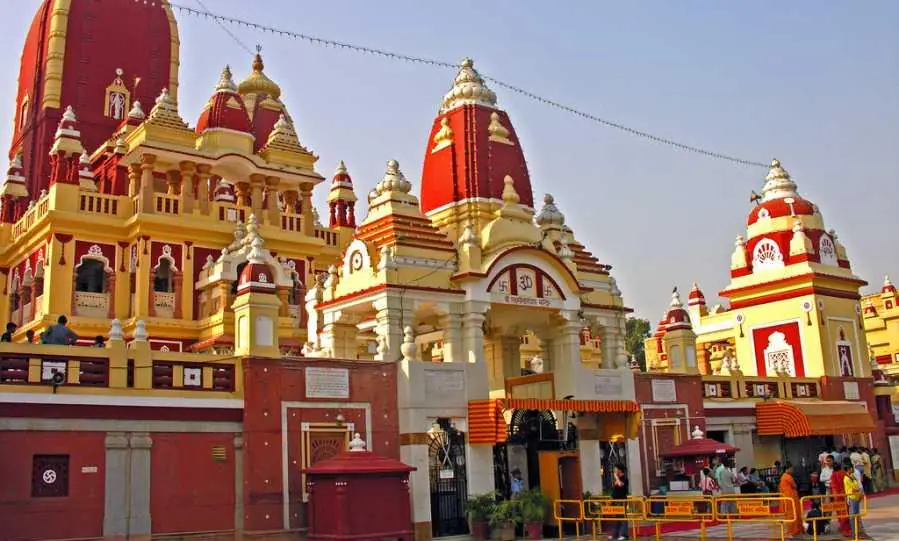
Temple entry rules are practical as well as devotional. Security personnel may inspect bags, restrict certain objects and direct visitors through specific gates.
Rules can be tightened during festivals or visits by important guests. Follow the current instruction even if you’ve visited before and remember that arrangements may differ from those at another Kali or Devi temple.
There isn’t a general reason to assume that an unmarried couple cannot visit Kalkaji Mandir. Visitors should follow the same public entry rules, maintain respectful conduct and comply with security instructions. Religious institutions may have specific rules for particular rituals or restricted areas, so ask the authorised temple office if you’re arranging a special service rather than ordinary darshan.
Stay alert around donation requests and unofficial “priority” offers. A genuine donation should be made through a recognised counter or official channel, with a receipt where applicable. Don’t hand over your phone, identity document or payment details to an unknown person who claims to represent the temple.
Keep valuables secure and avoid displaying expensive jewellery in a packed queue. If you become separated from your group, move to the agreed meeting point rather than trying to push back through the line. People with medical conditions should carry necessary medication and avoid long periods without water or rest.
Respect the deity, the priests, other devotees and the surrounding neighbourhood. Loud arguments, littering, blocking entrances and taking unauthorised pictures can create difficulty for everyone.
Source and status: The Shri Mata Vaishno Devi Shrine Board’s official online services provide a useful real-world example of why visitors must distinguish between general temple access and a separately managed booking service. The board has used online systems for services such as yatra registration and selected devotional or accommodation-related arrangements, with requirements and availability controlled by the shrine administration. These are verified characteristics of that shrine board’s official service model, not a claim about Kalkaji Mandir’s current booking rules.
The lesson is practical. A pilgrim may be able to visit a shrine but still need a separate registration, pass or reservation for a particular route, service or facility.
The existence of an online booking page does not mean that every form of darshan requires a ticket. Conversely, a visitor should not assume that arriving at the temple is enough for a pre-booked ritual if the confirmation includes a reporting time and identity check.
For Kalkaji Mandir, treat any booking information as current only when it comes from the temple administration or a verified official channel. If an exact portal, fee, opening date or quota isn’t confirmed, it’s better to state that clearly than to rely on a copied listing. Timing accuracy matters more than a confident-looking answer.
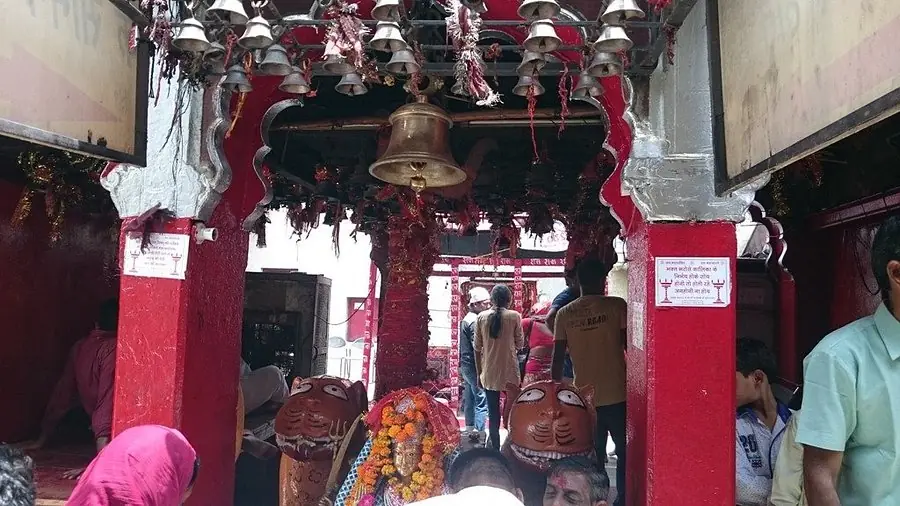
The most frequent problems at a busy temple are usually planning errors rather than religious misunderstandings. Visitors often save a timing from a search result, arrive during a changed festival arrangement and then discover that the relevant service operates differently from ordinary darshan.
One more mistake is treating a short darshan as a failed visit. At a crowded shrine, the purpose is devotional presence, not the length of time spent in front of the deity. Prepare respectfully, follow the queue and accept that the administration may need to prioritise safety and orderly movement.
The temple is famous for its worship of Maa Kalka, its association with Shakti traditions and its importance to devotees in Delhi and beyond. Local legends, annual festivals and its accessible South Delhi location have also contributed to its prominence.
Different religious accounts and regional traditions describe Shaktipeeth associations in varying ways. Because these details aren’t presented identically across all sources, verify the specific tradition through a trusted religious or temple source rather than treating one online statement as universal.
Many devotees and popular religious references identify Kalkaji with Shakti worship and a Shaktipeeth tradition. The classification and associated details can vary by source, so the temple’s own explanation or a respected religious reference should be used for precise doctrinal information.
Unmarried couples can generally visit a public temple for darshan while following the same entry and conduct rules as other visitors. Special pooja participation, restricted areas or festival arrangements may have additional instructions, so ask the authorised temple office if your visit involves a specific service.
Don’t assume that it is. The requirement can depend on the current system and the service you want. Check the official temple administration or booking portal before travelling.
Give priority to a current official notice, official portal or verified temple administration communication. If no current information is available, contact the temple office and allow extra time rather than relying on the most convenient listing.
Photography rules may vary by area and occasion. Follow signs and staff instructions, and don’t photograph the sanctum, rituals or other devotees where it isn’t permitted.
A successful visit to Kalkaji Mandir depends less on finding one supposedly permanent timing and more on matching your plan to the service you actually want. Confirm darshan, pooja, aarti and booking details through an official channel, especially before Navratri, weekends and other high-attendance occasions. Arrive with limited belongings, allow time for queues and follow the instructions in force that day.
Before leaving home, check the latest schedule once again and confirm that your map route leads to the South Delhi temple. That small step can protect your time, money and peace of mind while keeping the focus where it belongs: a respectful visit to Maa Kalka.





