Physical Address
304 North Cardinal St.
Dorchester Center, MA 02124
Physical Address
304 North Cardinal St.
Dorchester Center, MA 02124
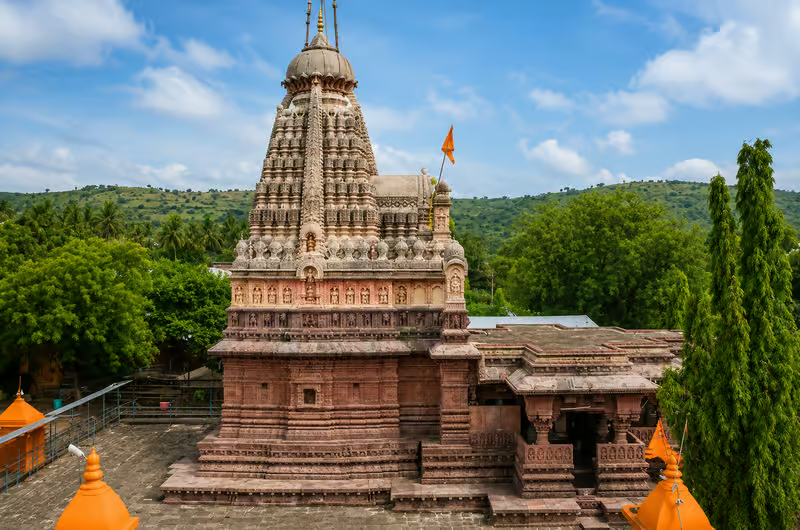
Grishneshwar temple tickets are a common search for devotees planning darshan at one of India’s twelve Jyotirlinga shrines. The important point is that temple entry, special puja services and priority darshan may not follow the same process, and information can change around Shravan, Mahashivratri and other major occasions.
Before travelling, you’ll want to know the likely opening hours, whether online booking is actually available, how early to arrive, what to wear and how much time to keep for the visit. This article explains those practical details cautiously, so your journey near Ellora and Chhatrapati Sambhajinagar is organised without relying on unverified ticket claims.
People use the phrase “Grishneshwar temple tickets” to describe several different things. They may be asking about ordinary darshan entry, a paid or priority queue, a booked abhishek, a special puja, or a pass issued for a particular ritual.
These are not automatically interchangeable. A ticket for a puja service may give you access to that ritual but may not function as a general VIP darshan pass, while ordinary temple darshan may not require advance online booking at all.
Grishneshwar, also written as Grishneshwar Jyotirlinga, is dedicated to Lord Shiva and is located near Ellora Caves in Maharashtra’s Chhatrapati Sambhajinagar district, formerly known as Aurangabad. It is a sacred destination for pilgrims as well as travellers visiting the historic cave complex. The temple’s religious importance means that crowd levels can change sharply according to the Hindu calendar, local festivals, school holidays and long weekends.
At the time of planning, visitors should distinguish among these terms:
There is no safe reason to buy a “VIP ticket” from an unknown website, social-media account, taxi driver or hotel intermediary without checking the issuing authority. A genuine booking should clearly identify the temple trust, an authorised shrine administration or a government-recognised booking system. It should also show the visitor’s name or booking reference where applicable, the date, the service selected, reporting instructions and cancellation or change conditions.
The most reliable public information may be published through the temple administration, a local government tourism authority or an authorised notice at the site. The official Incredible India listing for Grishneshwar Temple can help establish the shrine’s location and general visitor context, but it may not provide live queue conditions or every ritual booking rule. Treat any general tourism listing as a starting point, not as proof that a particular paid service is operating on your travel date.
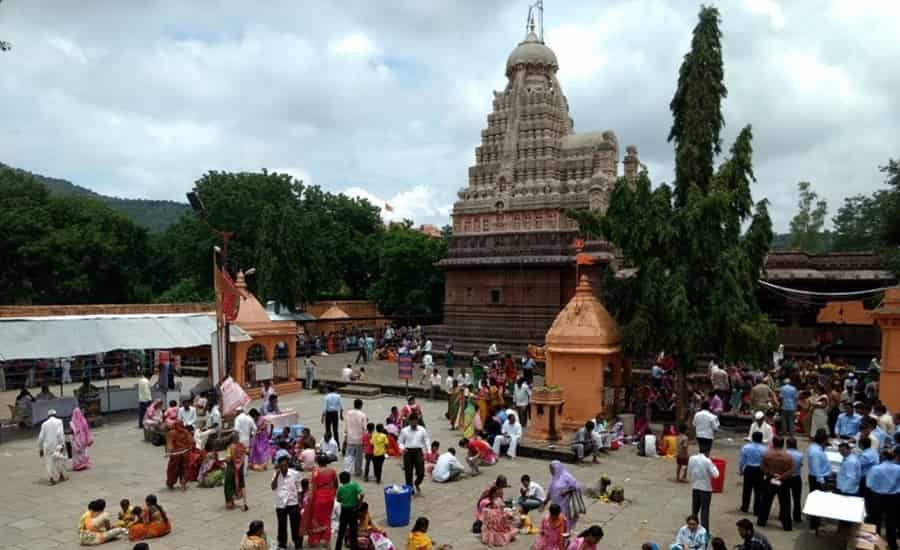
Published visitor information commonly places the temple’s regular opening period at approximately 5:30 a.m. to 9:30 p.m. These hours are widely repeated in travel and pilgrimage information, but devotees should verify them locally because temple schedules can be revised for festivals, security arrangements, maintenance, ceremonial requirements or crowd control. The opening time may also refer to the temple complex rather than uninterrupted access to every ritual area.
Early morning is usually the most practical period for devotees who want a quieter spiritual experience, especially outside major festival days. It is still possible for a queue to form before opening, because pilgrims often arrive early for abhishek or morning worship. During busy periods, the gate, footwear area, queue route and inner darshan arrangements may operate differently from a normal weekday.
| Visitor requirement | Commonly published or expected timing | What you should verify |
|---|---|---|
| General temple visit | Often reported as about 5:30 a.m. to 9:30 p.m. | Same-day opening and closing notices, especially during festivals |
| Morning darshan | Begins after the temple opens; the queue may form earlier | Whether entry starts exactly at opening and whether a queue token is issued |
| Abhishek or booked puja | Usually linked to a designated morning or daytime slot if offered | Service name, reporting time, eligibility, fee and permitted offerings |
| Aarti | Held at ritual times set by the temple’s daily schedule | Exact time, public access, seating or queue restrictions |
| Festival days | May differ substantially from the regular schedule | Special entry controls, extended hours, closures or route changes |
It is important not to convert a general timing into a guaranteed appointment. If a website says that the shrine is open until 9:30 p.m., that doesn’t necessarily mean a visitor arriving shortly before closing will receive immediate darshan. The queue may be regulated earlier, and ritual activities can temporarily affect movement inside the temple.
On a quieter weekday, a basic visit might fit into a short stop, particularly if you are not attending a puja. A busy Saturday, Monday, holiday or festival can take considerably longer. Waiting time depends on the crowd, security checks, footwear arrangements, the movement of the general queue and whether you have selected a ritual service.
For a trip that also includes Ellora Caves, keep a generous morning or half-day window rather than placing the temple between tightly timed transfers. This is especially sensible for families, older devotees and visitors carrying bags that must be deposited outside. Avoid planning a flight, train or long-distance bus immediately after darshan.
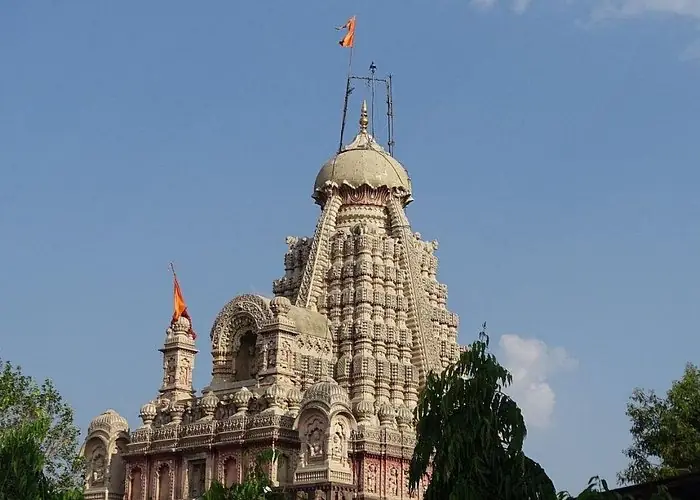
For ordinary darshan, online booking should not be assumed unless the temple administration has specifically announced it. Many Shiva temples allow regular entry through an on-site queue, while separate puja or abhishek services may follow a different registration process. Search results and travel pages sometimes use “ticket” loosely, even when they are describing an entry donation, a ritual receipt or an unofficial facilitation service.
A responsible booking check begins with the service itself. Ask: do you need a ticket for simple darshan, or are you trying to reserve a specific puja?
If your purpose is only to see the deity, an online payment made to a third party may offer no extra right of entry. If you want to perform abhishek, the temple may require your name, identity proof, a reporting time and compliance with rules about clothing or offerings.
Official booking systems generally share several identifiable features:
Be cautious if a page promises guaranteed VIP entry, instant access, a private meeting with the priest or a very high-priced package without naming the temple authority. A screenshot of a payment page isn’t enough. Confirm through the latest official notice, an authorised telephone number or the temple counter after arrival.
Large shrine administrations show why a genuine online system normally has clear service categories. The Shri Mata Vaishno Devi Shrine Board, for example, operates an official digital platform with defined pilgrimage and service information rather than leaving visitors to guess whether a payment is an entry pass, a ritual booking or a travel facility.
Tirumala Tirupati Devasthanams similarly separates darshan, seva and accommodation processes through its recognised channels. These examples, attributed to the respective shrine boards and temple administration systems, don’t prove that Grishneshwar offers the same facilities.
The lesson is practical: a legitimate system identifies the authority and the exact service. If no current official source confirms online Grishneshwar temple tickets, plan for an on-site process instead of paying a reseller in advance. Ask the temple office whether a receipt is required for special puja and whether ordinary devotees can join the general darshan queue without a reservation.
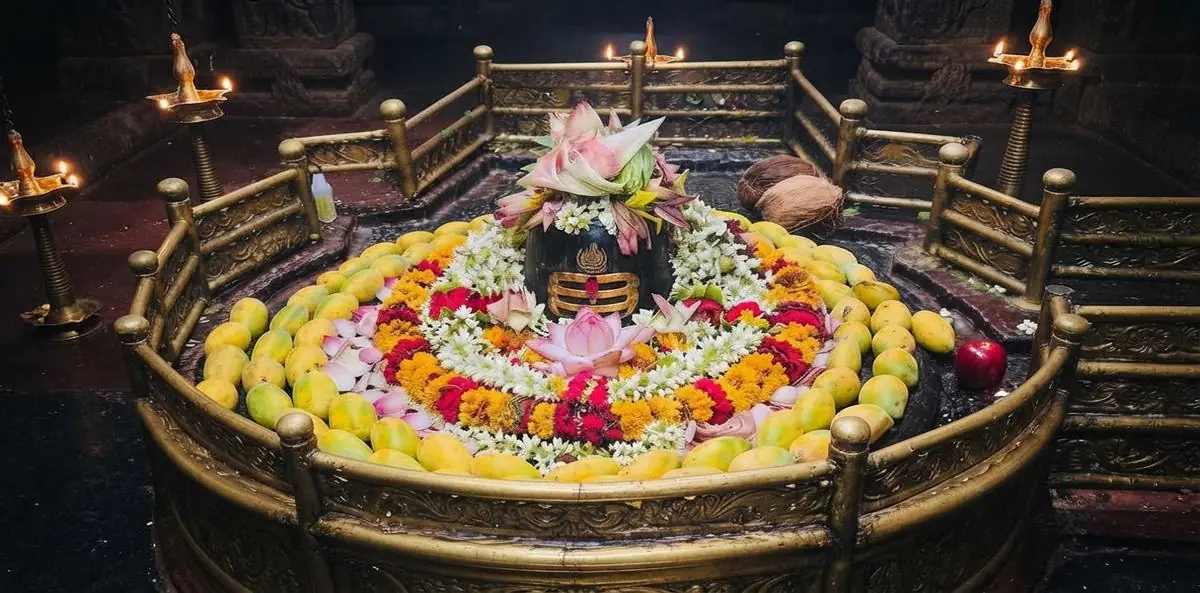
Darshan is the simplest form of temple visit, but it still involves customary conduct. You may need to remove footwear before entering designated areas, follow the queue, keep offerings within the permitted rules and move forward after prayer so that other devotees can have their turn. Queue arrangements can be especially controlled at a Jyotirlinga temple because the shrine attracts pilgrims from Maharashtra and many other parts of India.
Abhishek requires more careful checking. In some temples, devotees may perform or sponsor a ritual only during certain hours, while in others the priest conducts the offering on the devotee’s behalf.
The phrase “sparsh darshan” refers to an opportunity to touch or approach the deity or sanctum more closely, but it should never be presumed to be available. Access can depend on temple policy, crowd management, the ritual schedule and security directions on that day.
If you specifically want a sparsh darshan or abhishek, contact the temple administration before travelling and ask four direct questions:
Aarti has its own rhythm. It may be visually memorable, but a visitor shouldn’t treat it as a performance with guaranteed seating.
The inner area may be crowded, and access could be restricted even when the temple remains open for general darshan. Ask staff where visitors should stand and whether a booked puja receipt gives access to the aarti area; don’t rely on a package seller’s verbal promise.
| Purpose of visit | Likely process | Best preparation |
|---|---|---|
| Simple darshan | Join the general queue unless another arrangement is announced | Arrive early, travel light and allow extra waiting time |
| Abhishek | May require a designated service, receipt or priest-led procedure | Confirm slot, fee, reporting point and permitted offerings |
| Special puja | May be booked or registered through an authorised temple counter | Carry booking proof and identification if requested |
| Aarti | Access follows the daily ritual schedule and crowd controls | Verify time and whether public participation is allowed |
| Priority or VIP darshan | Available only if formally announced by the administration | Do not pay an unofficial agent without written confirmation |
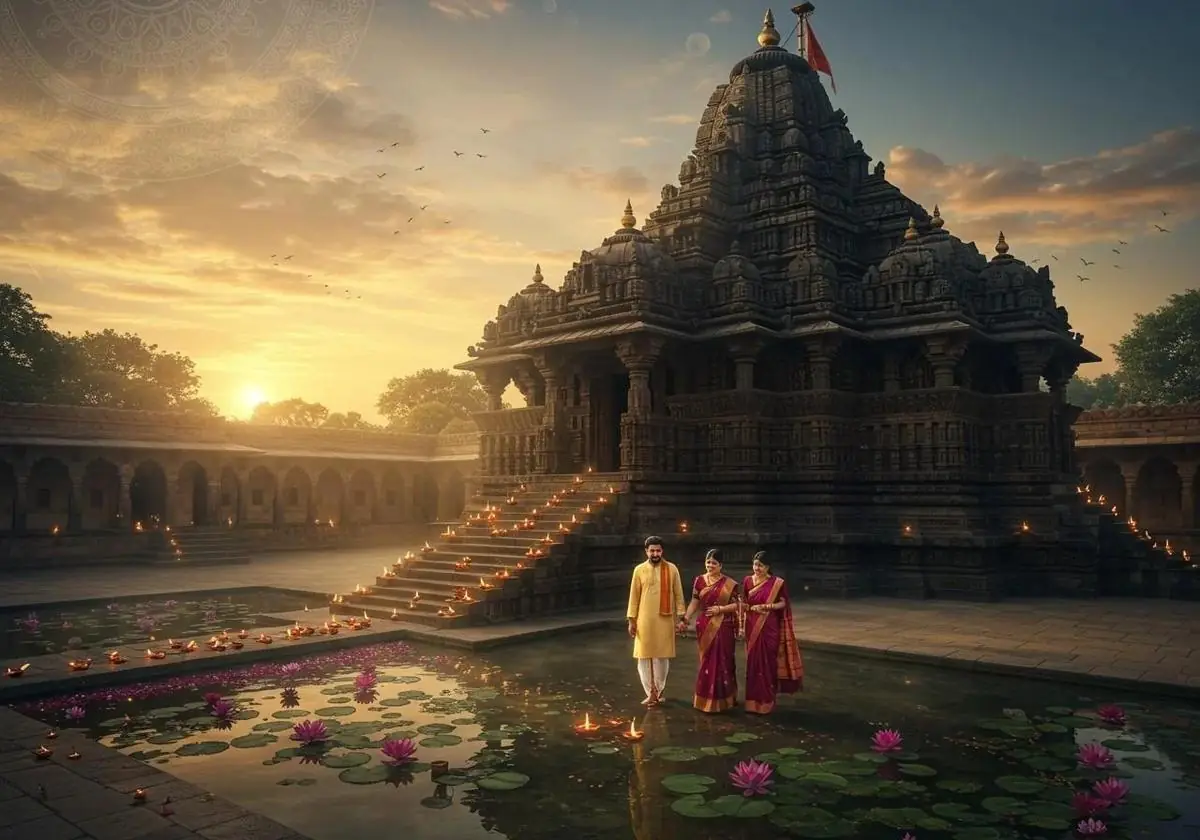
Visitors should choose modest, respectful clothing suitable for a Hindu place of worship. Traditional Indian clothing is commonly preferred for puja participation, although the exact dress rule should be confirmed with the temple.
Clothing that covers the shoulders and knees is a sensible choice for all visitors, especially if you hope to enter a ritual area. Some services may impose stricter expectations than ordinary darshan.
Carry only what you need. Temples may restrict large bags, electronic equipment, food, tobacco products and other items near the sanctum.
Storage arrangements, if available, can be limited and may not be suitable for valuables. Keep phones on silent and follow instructions from security staff rather than trying to photograph a restricted area.
Photography rules can differ between the outer complex and inner worship spaces. Don’t assume that a picture taken in the courtyard means photography is permitted near the deity.
Ask before recording priests, rituals or other devotees. Respectful behaviour is part of the visit, not merely a security requirement.
Identification requirements depend on the service. Ordinary entry may not require an identity document, but a booked puja, special pass or refund request may require the name on the receipt to match an ID. Carry a government-issued photo ID and a digital or printed copy of any genuine booking confirmation, but avoid handing over original documents to unauthorised intermediaries.
Accessibility also deserves advance planning. Uneven surfaces, steps, crowds and long periods of standing can make the visit difficult for wheelchair users, older adults, pregnant travellers and people with limited mobility.
Ask the temple office about accessible entry, seating, assistance and whether a companion may accompany the devotee through a particular route. Facilities can change, so a prior phone confirmation is more useful than an old travel review.
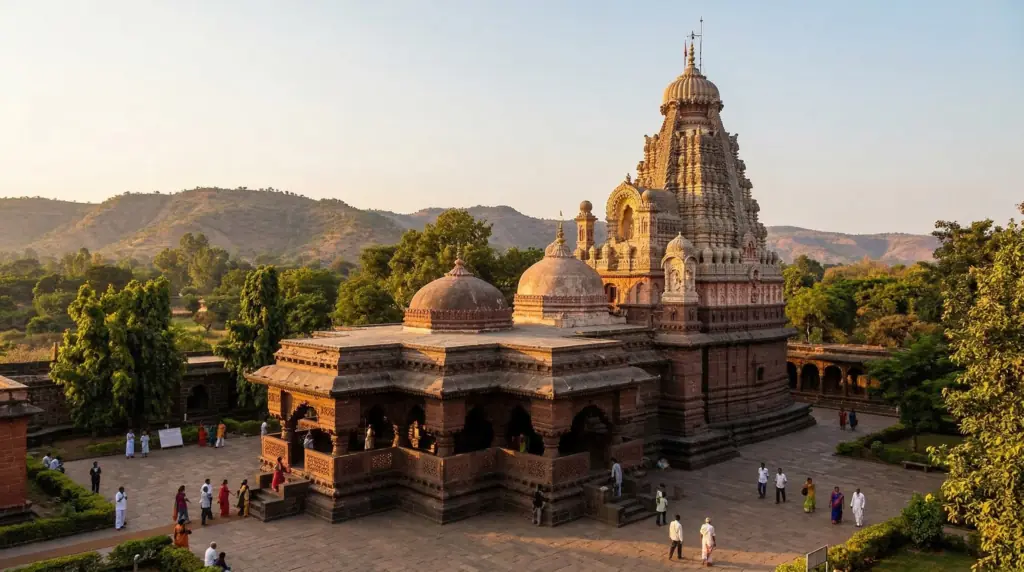
A normal weekday outside the principal festival season is usually easier for a calm visit than a Monday, weekend or public holiday. Monday is traditionally associated with Lord Shiva, so the crowd can be stronger even when no major festival is taking place. Shravan, Mahashivratri and other important religious occasions may bring large numbers of devotees, additional barricades, altered queues and different arrangements for abhishek.
Festival schedules should be treated as separate operating plans. A temple may open earlier, remain active later, limit close access to the sanctum, suspend a particular ritual for crowd control or require visitors to enter through a designated route. A regular online listing cannot reliably predict these changes.
Season and weather matter as well. The Ellora and Chhatrapati Sambhajinagar region can be hot, and standing in an outdoor queue during the day may be tiring.
Monsoon conditions can affect walking surfaces and road travel. If you’re travelling with children or older family members, an early arrival can be more comfortable than a late-morning visit, but you should still confirm the opening arrangement before setting out.
Use this practical comparison when selecting a date:
| Travel period | Potential advantage | Possible concern |
|---|---|---|
| Regular weekday | Often easier to manage for general darshan | Ritual timings may still require separate confirmation |
| Monday | Meaningful day for Shiva devotees | May attract more worshippers than an ordinary weekday |
| Weekend or public holiday | Convenient for working families | Queues and local traffic may be heavier |
| Shravan or Mahashivratri | Powerful devotional atmosphere and special worship | Major crowd, route controls and schedule changes are possible |
| Peak daytime heat | May fit a wider sightseeing itinerary | Outdoor waiting can be uncomfortable, particularly for seniors |
Check the crowd situation on the morning of travel through the temple office or a trusted local authority rather than relying on a generic “crowd today” page. Live queue information may not exist, and social-media posts can be delayed or misleading. Build flexibility into your trip, especially if Ellora Caves, local transport and return travel are part of the same day.
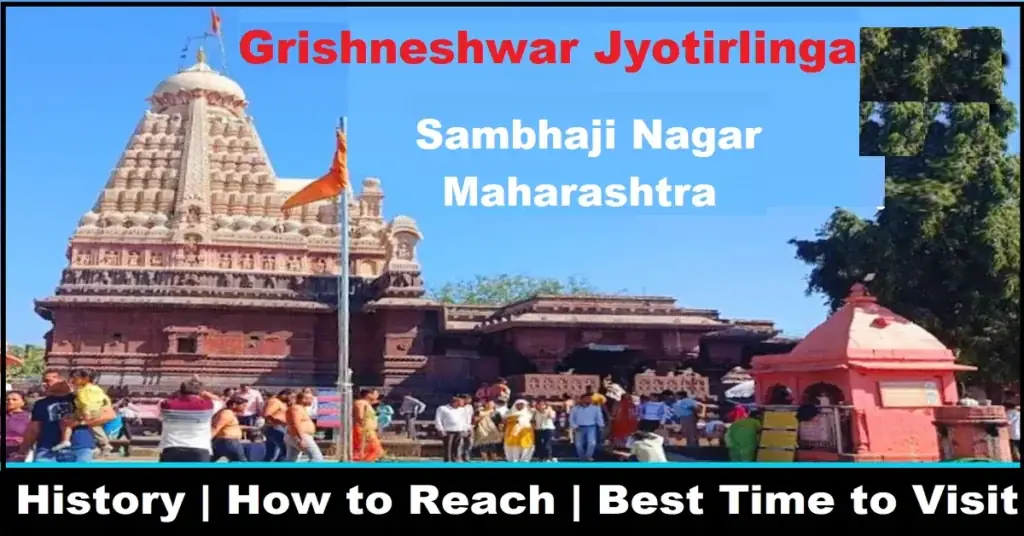
A few minutes of verification can prevent a wasted journey or an unnecessary payment. Follow this process before you leave home:
At the temple, ask uniformed staff or the official counter rather than an unsolicited guide. If a person says that general darshan is closed but offers an immediate paid alternative, request written confirmation from the temple office. Genuine staff should be able to explain the service and issue an official receipt.
Grishneshwar Temple is near Ellora Caves, so many visitors combine both places in one trip. Chhatrapati Sambhajinagar is the main regional base for travel, with road connections to the Ellora area. Your exact travel time will depend on traffic, transport mode, weather and the starting point, so avoid treating a map estimate as a guaranteed arrival time.
If you’re using a taxi or private vehicle, agree in advance on the waiting arrangement and parking point. Public transport and shared vehicles may be economical but can be less flexible if the temple queue expands. Families should carry water for the journey, while remembering that food and drink may need to remain outside restricted temple areas.
A sensible itinerary places darshan first and sightseeing afterward when possible. That approach reduces the risk of missing a booked ritual because the Ellora visit took longer than expected. It also gives you room to stay for prayer without watching the clock.
Online booking may be available for a particular puja or special service, but ordinary darshan should not be assumed to require an online ticket. Confirm the current system through the temple administration or an authorised official channel before paying anyone.
Do not assume that a VIP or priority darshan facility is active. If the temple formally offers one, the authority should publish the fee, eligibility, booking route and entry instructions. Unofficial agents cannot create a legitimate privilege simply by charging money.
There is no dependable single duration. A quiet weekday may be relatively quick, while Monday, weekends, Shravan and Mahashivratri can involve substantial waiting. Keep extra time for security, footwear arrangements and movement through the queue.
Abhishek arrangements depend on the temple’s current rules and daily puja schedule. Ask whether devotees may participate personally or whether the priest performs the ritual on their behalf. Confirm the reporting time, receipt, dress expectations and permitted materials.
Sparsh darshan should be treated as a restricted facility unless the temple administration confirms it. Access can change according to crowd levels, ritual requirements and security directions. Never rely on an unofficial promise of close or physical access to the deity.
Wear clean, modest clothing that covers the shoulders and knees. If you’re booking a special puja, ask whether the temple has additional dress requirements. Carry a shawl or traditional garment if that makes it easier to meet local expectations.
Photography may be restricted in the sanctum or other worship areas. Follow posted signs and staff instructions, and ask before photographing rituals, priests or fellow devotees. Keep your phone silent during prayer.
Yes, the temple is located near the Ellora Caves and is commonly included in the same travel itinerary. Allow enough time for road conditions, parking, walking and the temple queue rather than planning both visits with no buffer.
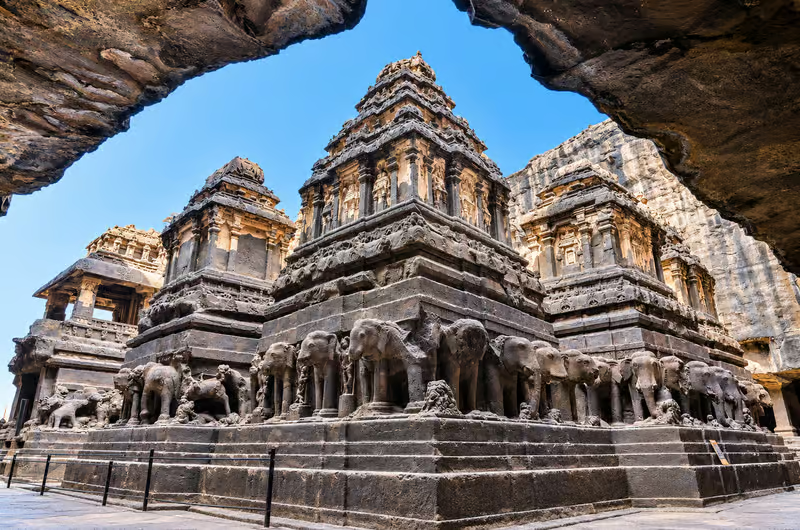
Grishneshwar temple tickets aren’t one universal product: ordinary darshan, abhishek, puja, aarti and any priority facility may each have different rules. Use the commonly published opening hours only as a planning reference, confirm the latest schedule with the temple administration, and carry proof only for a booking that comes from an authorised channel.
The best journey is usually the one with enough flexibility for devotion rather than a rushed timetable. Before leaving for Grishneshwar, check the current festival notice, reporting instructions and entry rules once more; that small step can turn an uncertain ticket search into a respectful, well-prepared visit.





