Physical Address
304 North Cardinal St.
Dorchester Center, MA 02124
Physical Address
304 North Cardinal St.
Dorchester Center, MA 02124

The pavagadh ropeway is one of the most practical ways to reach the hilltop area of Pavagadh and visit the revered Mahakali Temple in Panchmahal district, Gujarat. Yet a ropeway ride alone doesn’t determine whether your Darshan will be smooth: temple opening hours, Aarti schedules, ticket counters, queues, weather, festivals and maintenance notices can all affect the visit.
Accurate timing information matters because a late arrival may leave you waiting for the next cable car or missing a preferred Pooja period. Before travelling, check the latest official update and plan enough time for the ropeway, walking, security and temple access.
The Pavagadh ropeway is a passenger cable-car service that helps visitors travel up Pavagadh Hill instead of completing the entire ascent on foot. It is associated with the pilgrimage route to the Mahakali Temple, a major religious destination in Gujarat. For many families, senior citizens, children and visitors with limited stamina, the ropeway makes the hilltop visit more manageable, although it doesn’t remove every part of the journey.
Your ropeway ticket generally relates to the cable-car ride, not automatically to every temple service or special Darshan arrangement. This distinction is important.
A passenger may still need to walk from the upper ropeway station to the temple area, stand in a Darshan queue, follow security instructions and wait for access during a busy period. The final distance and walking conditions may vary according to the operating arrangement in force on the day.
The service is also not the same as a guaranteed appointment with Maa Mahakali. A ropeway booking, where available, normally helps reserve or authorise travel on the cable car.
It shouldn’t be interpreted as a promise that you’ll enter the sanctum at a particular minute. Temple access is influenced by worship rituals, crowd control, festival protocols and administrative decisions.
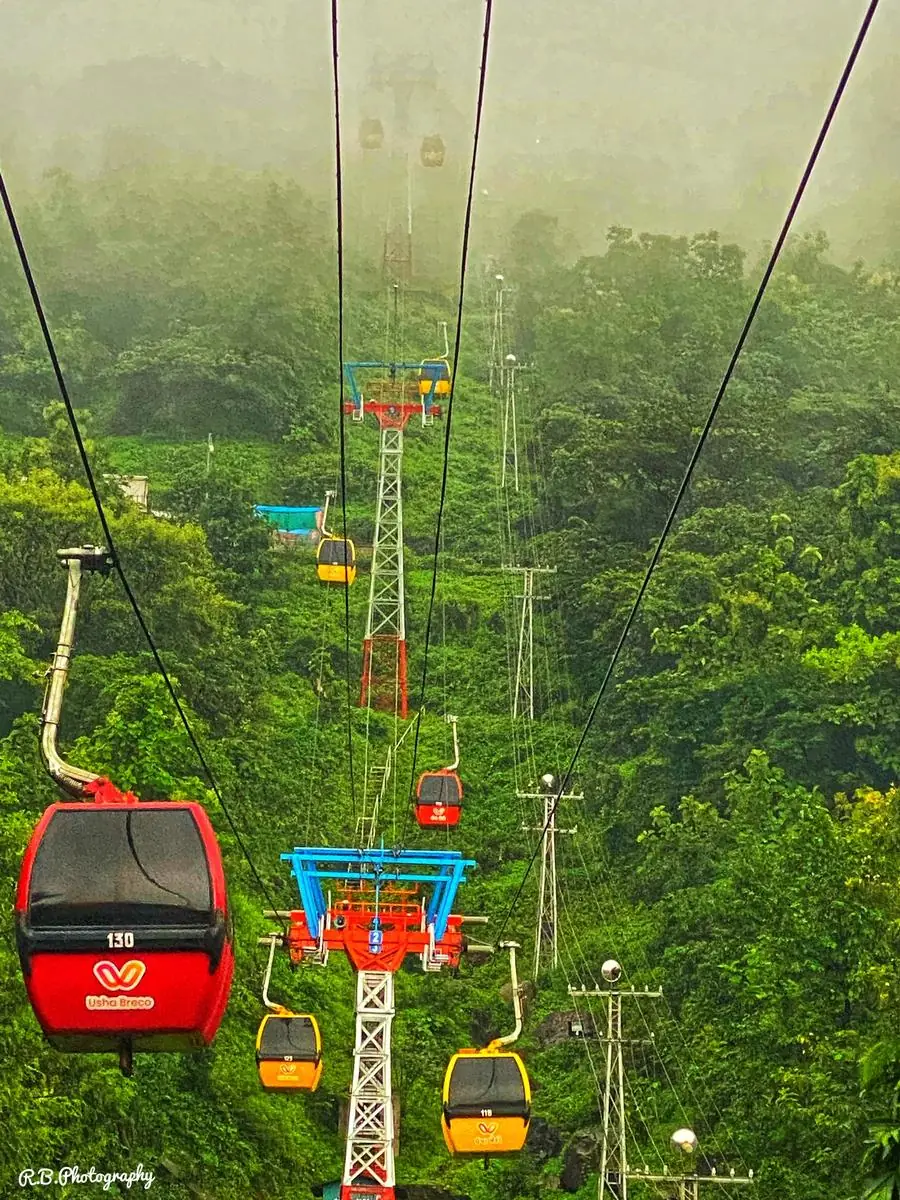
Pavagadh’s setting adds another practical consideration. The route passes over a hill environment with forests and steep terrain, so weather, wind or technical checks may affect operations.
A ropeway may be temporarily paused even when the temple itself remains open. This is why checking only an old ticket price or a search-result snippet isn’t enough.
Visitors often search for “Pavagadh ropeway time” as if there were one fixed schedule. In practice, several timing categories matter, and they may not match one another. The ropeway’s passenger operating window, the temple’s opening hours, Darshan access, Pooja periods and Aarti timings can each follow separate arrangements.
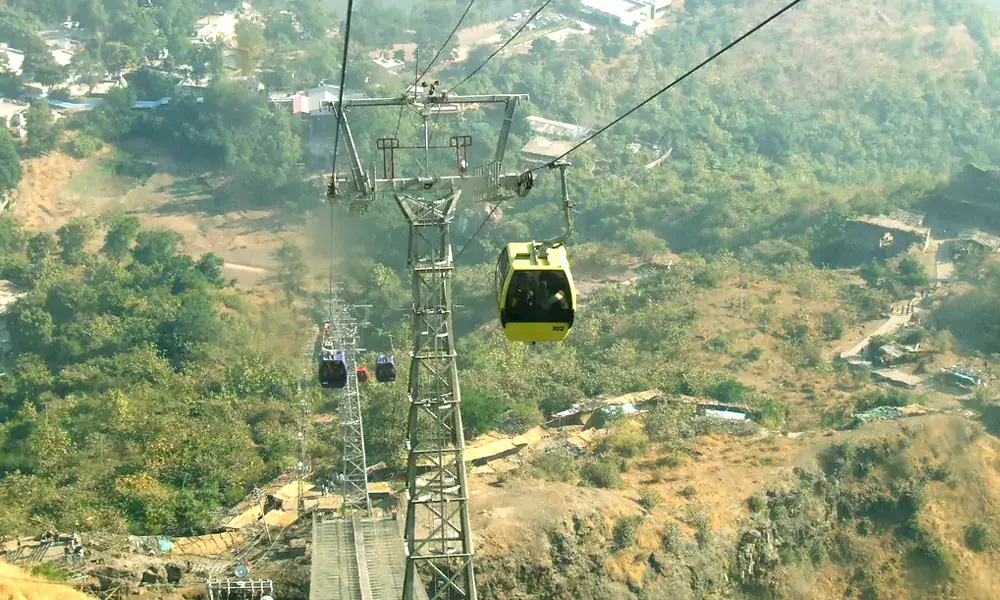
These are the hours during which the cable car is expected to carry passengers. The first ride of the day, last boarding time, temporary stoppages and maintenance breaks should be confirmed through the official operator or administration. A published operating window may also differ from the time at which ticket sales begin or end.
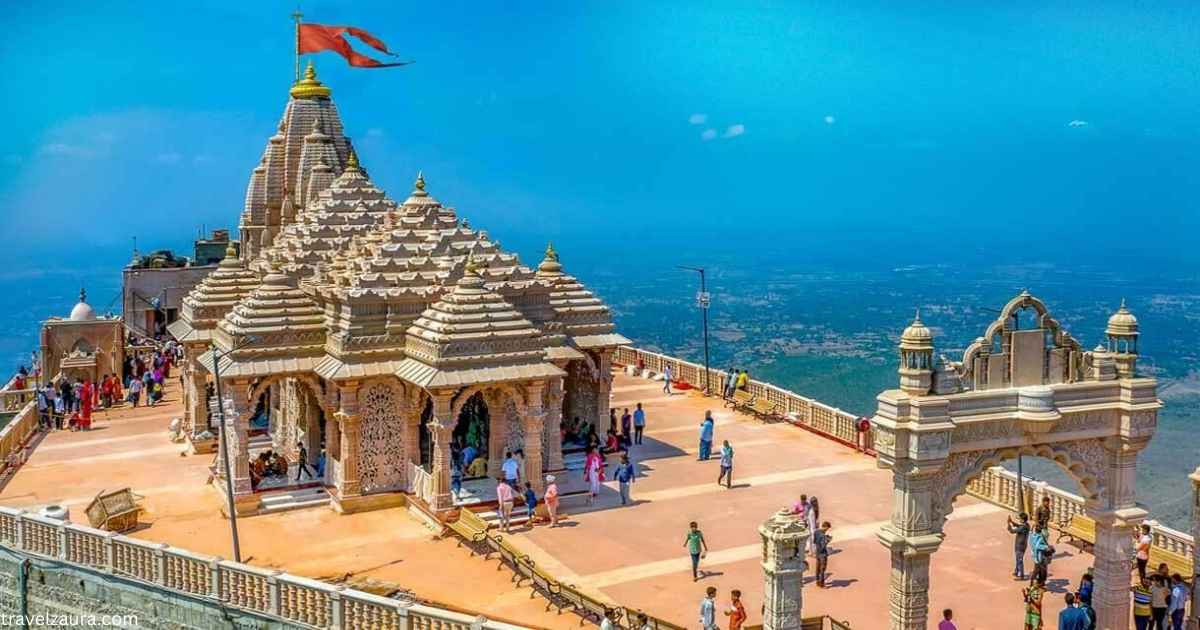
Temple opening hours indicate when devotees may approach the shrine or temple complex. Darshan timings describe the period when visitors are permitted to have religious viewing, subject to crowd management. Darshan may pause during a ritual, cleaning, security restriction or special ceremony, even if the wider temple complex is accessible.
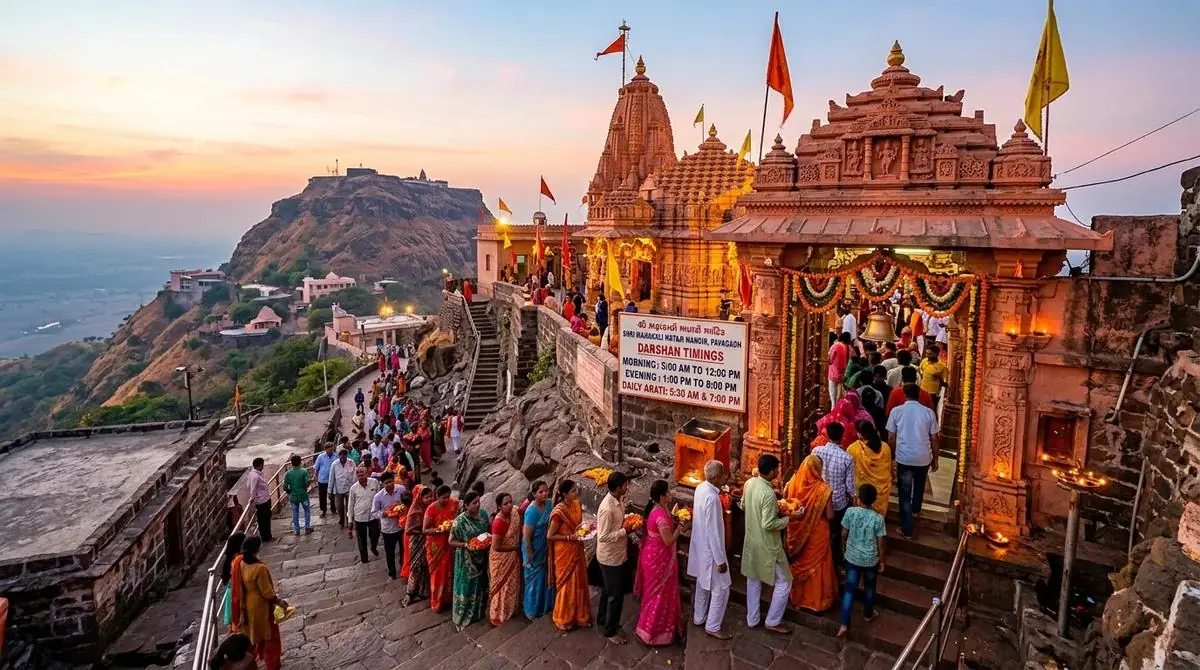
Pooja refers broadly to worship offered at the temple, while Aarti is a devotional ceremony involving lamps, chants and offerings. Some worship services may be conducted at fixed times, but the exact visitor-access rules can change. A devotee attending a Pooja shouldn’t assume that the ceremony is open for unrestricted participation or that a general ropeway ticket includes entry to it.
Ticket availability may depend on the official booking platform, the ropeway counter, daily capacity and operating conditions. Online reservations can close before the travel date or show no availability even when limited counter tickets are issued. The reverse can also happen during a high-demand day.
| Timing category | What it controls | What you should verify |
|---|---|---|
| Ropeway operating time | Passenger cable-car movement | First ride, last boarding, closures and weather interruptions |
| Temple opening hours | Access to the temple area | Opening, closing and restricted periods |
| Darshan timing | Devotee viewing of the deity | Queue entry, pauses and festival arrangements |
| Pooja and Aarti timing | Scheduled worship ceremonies | Whether visitors may attend, observe or book separately |
| Booking and counter hours | Purchase or collection of travel tickets | Identity rules, availability and reporting time |
Use the table as a planning framework, not as a substitute for a live notice. The exact timetable is operational information and can change without much notice.
Searches such as “Is Pavagadh ropeway open today?” are useful, but the answer should come from a current official source. Old travel pages, social media posts and user comments may describe a previous season. They can help you understand the route, but they shouldn’t be your final authority for a same-day decision.
Start with the official Gujarat Tourism information page for Pavagadh and then check the current ropeway operator or temple administration notice where the service is managed separately. The Gujarat Tourism information on Pavagadh is a useful official starting point for location context and visitor planning, but you should still confirm live operating information before departure.
Look for a dated notice rather than a generic page. A current announcement may mention maintenance, heavy rain, wind, a festival crowd plan, route restrictions or changes to ticket distribution. If the website provides an official helpline or contact number, use the number published there—not a number copied from an unverified directory.
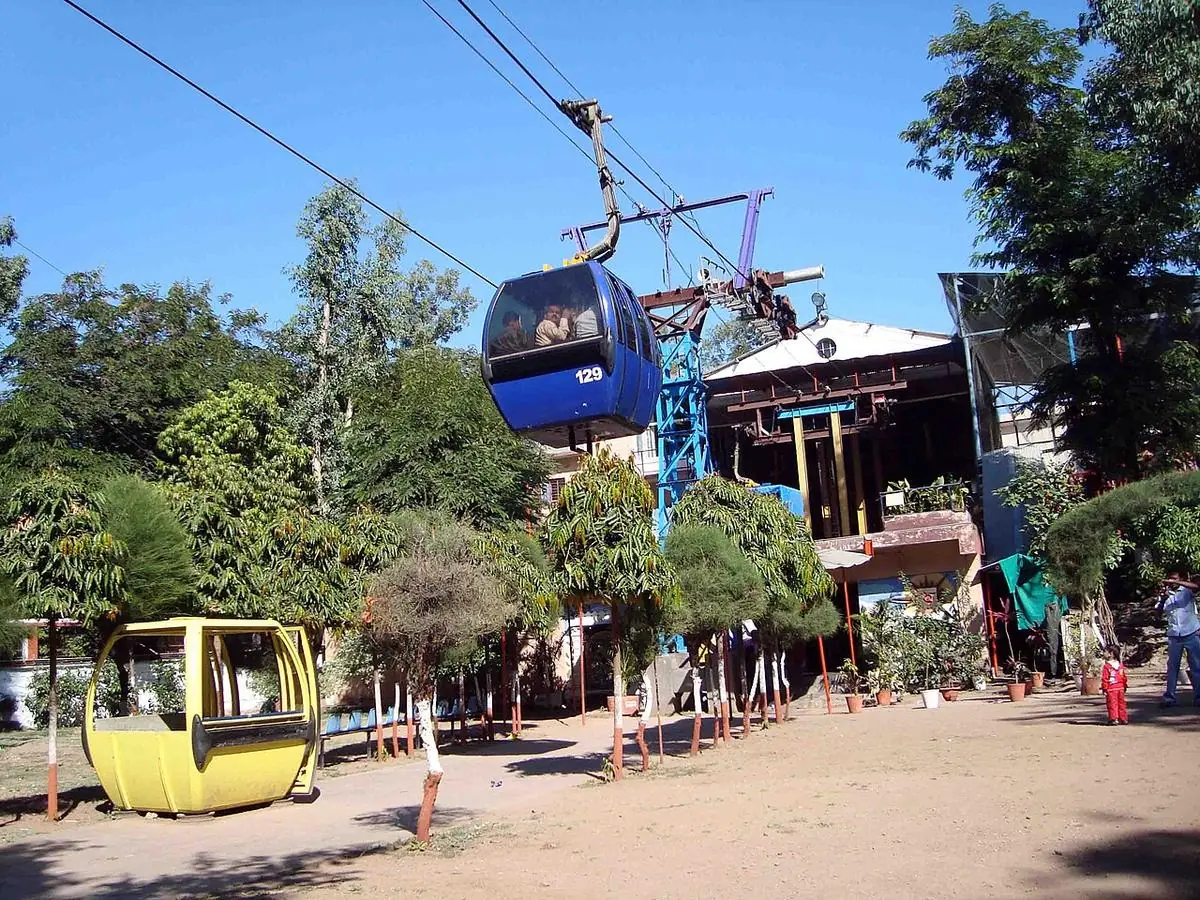
If two official channels show different information, don’t guess. Contact the administration or operator and ask which update applies to your date. A short confirmation call can prevent a wasted trip from Vadodara, Ahmedabad, Godhra or another part of Gujarat.
After you reach the upper station, expect a transition from transport to pilgrimage. The ropeway brings you closer to the hilltop, but you may still have to walk, follow signs, negotiate uneven sections and join a queue. The amount of walking depends on the route in use and the day’s crowd-control arrangements.
Mahakali Temple is the religious focus for many visitors travelling to Pavagadh. Devotees may come for ordinary Darshan, a family prayer, a vow, a festival visit or participation in a Pooja. The correct procedure can differ between a regular visit and a paid or specially arranged service, so ask the authorised counter or temple staff before making an offering.

Queue systems may separate ordinary visitors from people with a particular pass or service. They may also be reorganised when the hill becomes crowded. Keep your ticket, booking confirmation and identification accessible, but avoid handing personal documents to unauthorised intermediaries.
Temple security may restrict bags, photography, footwear, food items or other belongings. Rules can be stricter during major festivals. Follow the instructions displayed at the entrance and those given by temple staff, even if a previous visitor tells you that a different practice was allowed on another day.
Do not measure the success of your visit only by how quickly you reach the shrine. Ritual schedules can create waiting periods, and a respectful approach is part of the pilgrimage experience. If you’re travelling with older relatives, plan water, rest breaks and a slower return journey rather than scheduling an immediate connection after Darshan.
Many readers use “Pooja timing” to mean one of three things: the time of a regular temple ritual, the time when a devotee may offer worship, or the reporting time for a separately arranged service. These aren’t interchangeable. Before booking anything, ask what the service includes and where you must report.
Aarti can be particularly important to pilgrims because it follows a structured ritual sequence. Attendance may be limited by space, temple discipline or crowd levels. The presence of an Aarti at a stated time doesn’t necessarily mean that every visitor can stand close to the shrine or remain inside throughout the ceremony.
These questions protect you from purchasing a service based on an unclear promise. Avoid anyone who guarantees instant Darshan, claims personal control over temple staff or asks you to pay through an unofficial personal account. Religious services should be arranged through an authorised temple or administration channel.
Timing can also shift during festivals. The temple may prioritise ritual requirements and crowd safety over a normal visitor timetable. If your main purpose is to attend a particular Aarti, confirm the schedule immediately before travelling and arrive with a reasonable buffer.
Booking for the ropeway may be online, offline or a combination of both, depending on the current operating system. Since ticket rules and prices can change, this article doesn’t state a fixed fare or promise a particular booking method. Confirm the current Pavagadh ropeway ticket rate on the official platform before payment.
When online ticket reservations are offered, read the booking page carefully. Check whether the ticket is one-way or return, whether it carries a date or time slot, and whether the passenger name must match an identity document. Some systems display a reporting time rather than a guaranteed boarding minute.
Save the confirmation message, booking number and payment receipt. Carry a digital copy and, if practical, a screenshot that remains available without mobile data. Network coverage can be inconsistent in busy or hilly areas, and a battery problem shouldn’t force you into a last-minute argument at the counter.
Never assume that a low-priced ticket offered by a roadside agent is official. Ask for a printed receipt or digital confirmation showing the authorised operator. If an agent claims to provide “special temple entry” along with a ropeway booking, verify each component separately.
Arrival planning should begin with your intended Darshan, not just the ropeway departure. If you want an early temple visit, you’ll need time to reach the base area, park or get down from public transport, locate the ticket facility, pass any checks and board the cable car. A schedule that looks comfortable on paper can become tight once queues and walking are included.
Weekends, public holidays and festival periods usually require more patience, although the exact crowd level changes from day to day. Navratri and other significant religious occasions can bring special arrangements, longer queues and restricted movement. Check current advisories rather than relying on a general assumption that every festival follows the ordinary timetable.
Weather matters as well. Summer heat can make the approach and waiting areas tiring, while monsoon conditions may affect hill roads, visibility and ropeway operations.
During the cooler season, early starts can still involve a busy pilgrimage flow. Carry suitable footwear, drinking water where permitted, necessary medicines and a modest amount of cash for situations in which digital payment is unavailable.
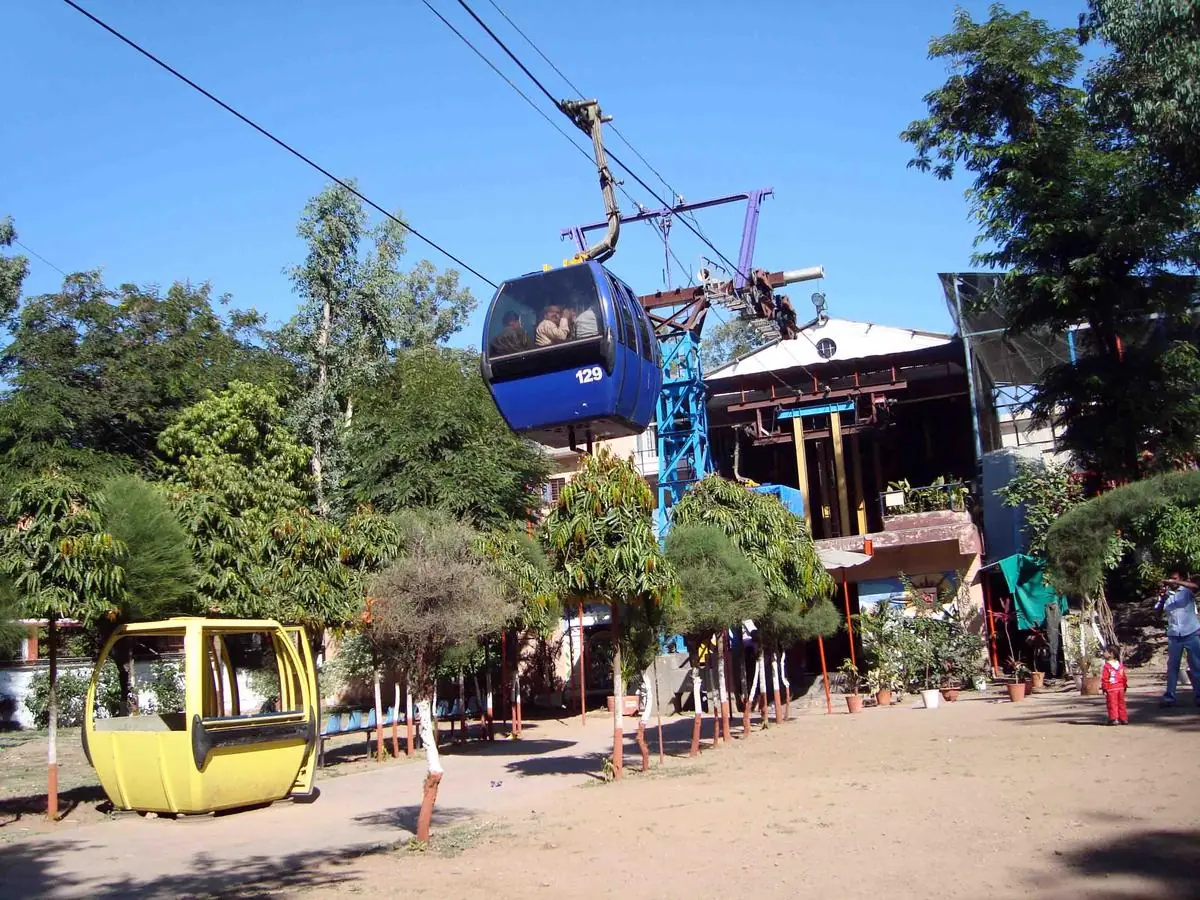
Give yourself time before the last possible ropeway boarding period. Missing the final ride can disrupt your return plan, particularly if you have arranged transport from the base station or need to travel onwards. Ask staff about the last boarding procedure rather than assuming that arriving at the station at the advertised closing time is sufficient.
Families should also plan for different walking speeds. A short ropeway journey doesn’t mean the entire visit will be short. The hilltop route, Darshan queue and return process may take considerably longer than the cable-car ride itself.
People frequently ask how many stairs remain after using the Pavagadh ropeway. The honest answer is that the experience depends on the exact route, station access, crowd-control path and the point you want to reach. The ropeway reduces the uphill climb, but it doesn’t necessarily deliver every passenger directly to the temple entrance.
Descriptions of stair counts found online may refer to different sections of Pavagadh Hill or to the traditional walking route from the base. They may also become outdated when access routes change. If a senior citizen or person with a mobility concern is travelling, ask the official administration about the current walking distance, slopes, seating, assistance and accessibility limits before booking.
A cable car can be easier than a long climb, yet boarding itself may require standing, moving through a queue and stepping into a cabin. During a crowded period, passengers may have limited time at the platform. Keep children close, follow staff instructions and don’t stop in the boarding lane to reorganise bags.
Wear secure footwear with a good grip. Avoid carrying unnecessary luggage because temple and ropeway security may restrict large bags. If someone in your group has a health condition, plan medicines and rest rather than depending on an assumption that the ropeway eliminates physical strain.
Festival visits are spiritually meaningful for many devotees, but they require a different planning approach. During Navratri, weekends and major public holidays, the normal relationship between ropeway capacity, Darshan queue and temple ritual may change. Additional barricades, holding areas, route diversions or restricted access may be introduced for safety and crowd management.
Special days can also affect Pooja participation. The temple’s priority may be the uninterrupted conduct of scheduled rituals, while general visitors are directed through a controlled Darshan line. A service that appears available on an ordinary day may be paused, limited or handled differently during a festival.
Check notices close to the travel date and again on the morning of departure if possible. Look for updates from the temple administration, ropeway operator, district authorities or official tourism channels. A verified notice is stronger evidence than a recently uploaded video because a video may show conditions from a different year.
Verified context: UNESCO lists Champaner-Pavagadh Archaeological Park as a World Heritage site, with inscription dating to 2004. That designation concerns the cultural and archaeological significance of the area; it does not establish current ropeway fares, temple Darshan hours or Pooja booking rules. Those operational details must come from current local authorities.
Illustrative example, not a published timetable: imagine a family planning a Sunday visit around a morning Aarti. They first confirm the Aarti information with the temple, then check whether the ropeway is open, book only through the authorised channel, and arrive early enough to allow for parking, ticket verification, boarding, walking and the Darshan queue. If a weather notice pauses the cable car, they don’t treat the old booking page as a guarantee; they seek the operator’s current instructions instead.
This example shows the decision process rather than claiming a particular schedule. It’s the safest approach when exact local timings are liable to change.
The most frequent planning error is treating a search-result timing as current. A page may have been written years earlier, and even an official page may provide general information rather than a same-day operational notice. Always look for a date, an update, or a confirmation from the relevant authority.
Another mistake is confusing the ropeway ticket with temple entry. A passenger may have a valid cable-car booking but still need to follow the ordinary Darshan queue. Ask what your ticket actually covers before payment.
Keep your group together at the station and agree on a meeting point before entering a crowded area. Carry emergency contact details, but use only official contact numbers for booking or operational questions. If a sign or staff instruction conflicts with advice from another visitor, follow the authorised instruction and ask for clarification politely.
A simple sequence can make the journey much less stressful. The key is to separate information gathering, booking and on-site decisions instead of trying to solve everything at the hill base.
If the ropeway is closed, don’t assume that the traditional climb or an alternative route is automatically suitable. Ask local administration staff about the current access conditions, particularly during rain, strong wind or a festival crowd.
Ticket rates can change, and different ticket types may apply. Confirm the current fare through the official operator or authorised booking counter before travelling; don’t rely on an old blog or an unverified social media post.
Online booking availability depends on the current operating system. Use only the official portal identified by the ropeway operator or temple administration, and read whether the booking is one-way, return, date-specific or time-specific.
Not automatically. A ropeway ticket normally concerns passenger transport. Temple Darshan, special entry, Pooja or Aarti participation may follow separate rules and should be confirmed with the temple authority.
There isn’t one universally reliable answer because routes and access points can differ. The ropeway reduces the uphill journey, but you may still walk or climb steps before reaching the temple area. Ask the official administration about current accessibility conditions.
It may operate under a modified arrangement, but the answer depends on the date, crowd plan, weather and maintenance status. Verify the latest notice before leaving and expect longer queues during major religious occasions.
Contact the authorised operator or temple administration immediately. Don’t assume that a previously issued confirmation overrides a safety closure or official operational update.
A successful Pavagadh visit depends on more than finding a ropeway ticket. Confirm the latest cable-car status, separate transport timings from Mahakali Temple Darshan and Pooja schedules, and leave room for walking, queues and changing festival arrangements. Keep your booking proof and use official channels for any question involving money, access or religious services.
Before setting out, check the current pavagadh ropeway notice once more and confirm the return plan. A few minutes spent verifying the schedule can help you reach the temple calmly, respect the day’s rituals and make better decisions if weather or crowd conditions change.





