Physical Address
304 North Cardinal St.
Dorchester Center, MA 02124
Physical Address
304 North Cardinal St.
Dorchester Center, MA 02124

Finding reliable chhatarpur mandir timing matters because the Chhatarpur Temple complex in South Delhi can have different rhythms for entry, darshan, pooja, aarti, and seva. A gate may be open while a particular shrine, ritual counter, or festival queue follows a separate schedule. The name can also lead people towards a different Guruji mandir in the wider Chhatarpur area.
A practical visit depends on reading the regular visiting window correctly, distinguishing public darshan from booked worship, checking special-day notices, and allowing time for parking, security, and queues. Timings, availability, and security arrangements may change, so the latest notice from the temple trust should always outrank an old listing.
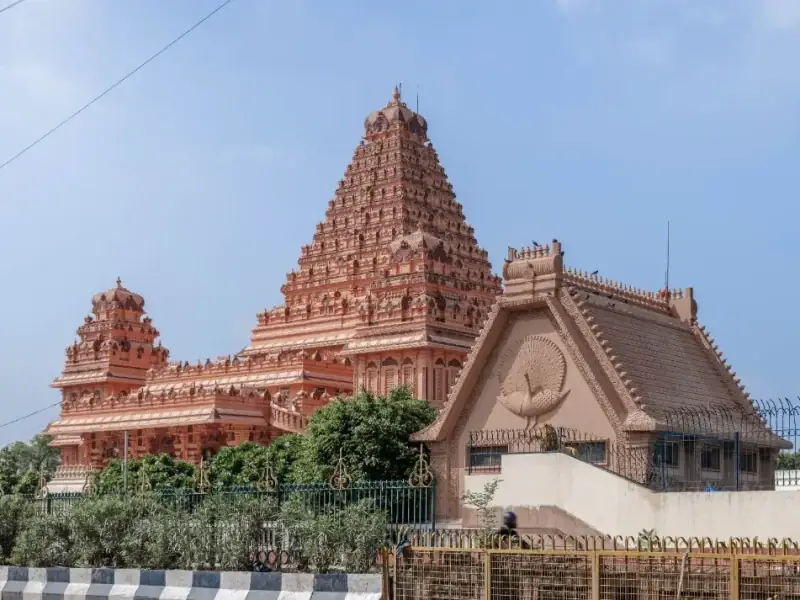
Most people searching for Chhatarpur Mandir timing mean Shri Aadya Katyayani Shakti Peetham, popularly known as Chhatarpur Temple or Chhatarpur Mandir in South Delhi. The complex is associated with Goddess Katyayani, a form of Durga, and includes more than one shrine or worship area. That matters because the timing for general entry may not be the timing for a particular pooja, aarti, or seva.
The words “Chhatarpur Temple” and “Chhatarpur Mandir Delhi” are used interchangeably in travel searches, maps, local conversations, and sightseeing information. Some devotees also use the phrase “shaktipeeth mandir” while referring to the site. For a visitor, the more important question is not only which deity is being visited, but which campus, gate, shrine, or organiser is responsible for the service you want.
There is also a naming problem around “Guruji Chattarpur Mandir.” A search for Guruji timings may refer to a separate devotional venue in the wider Chhatarpur or Bhati area rather than the main Katyayani temple complex. Its opening hours, satsang schedule, entry arrangements, and phone policy should not be assumed to match the main Chhatarpur Temple.
The phrase “main Chhatarpur” can itself be unclear on busy days. Visitors may be directed to a particular gate for general darshan, another entrance for a special event, or a separate counter for prasad and seva. If your purpose is a specific ritual, note the exact deity, organiser, and venue name before starting your journey.
A temple’s public opening time is only the outer boundary of a visit. Darshan may continue within that period, but the queue can be paused for cleaning, security checks, a ritual, or crowd control. Pooja and aarti are linked to religious practice and are therefore more likely to follow a notice, priest’s schedule, or festival plan than a general tourist timetable.
Before you leave, write down whether you want ordinary darshan, a personal pooja, an aarti, a booked seva, prasad, or a special festival visit. That small distinction prevents many timing mistakes.
General visitor information commonly circulates a broad opening window of approximately 6:00 a.m. to 10:00 p.m. for the main Chhatarpur complex. This range is useful as a preliminary planning reference, not as a guaranteed live schedule. A trust notice, gate announcement, or same-day instruction can change access even when a search engine still displays older hours.
It’s important to separate “open” from “easy to visit.” A temple may technically remain open while the entry line becomes slow during a busy evening, a weekend, or a religious observance. The final visitor admitted before a temporary closure may also be earlier than the published closing time, particularly if the queue is large or security arrangements are being changed.
| Visitor purpose | What the timing refers to | Planning reference | What you should verify |
|---|---|---|---|
| General temple access | Gate or campus opening | Public listings often circulate an approximate 6:00 a.m. to 10:00 p.m. window | Same-day trust notice, gate restrictions, and temporary closures |
| Ordinary darshan | Time when visitors can approach the shrine | Usually linked to open access, but may pause during rituals or crowd control | Queue status and whether the intended shrine is accessible |
| Pooja | Personal or priest-led worship | Often shrine-specific and subject to priest or counter availability | Booking method, reporting time, fee, and required items |
| Aarti | Scheduled lamp-offering ceremony | Not automatically the same as opening or closing time | Daily, weekday, weekend, and festival notice |
| Seva | Voluntary or organised devotional service | May operate through a separate office or registration process | Eligibility, slot availability, form, and reporting point |
| Online booking | Registration or payment window | May close before the temple itself closes | Official booking confirmation and cancellation conditions |
The table shows why a single answer such as “the temple is open from morning to night” is incomplete. If you only want to pray quietly, a normal weekday may be manageable within the broad public hours. If you want a particular aarti or booked pooja, the relevant reporting time could be much narrower.
Arriving shortly before closing is risky. Even if the gate remains open, the queue may be restricted, and a visitor who has travelled from another city may not have enough time for security and darshan. A safer plan is to reach well before the intended ritual or during a confirmed visitor window.
Darshan means seeing or receiving the presence of the deity. It usually refers to a devotee’s ordinary visit to the shrine, without arranging a separate priest-led ritual. Darshan timing is therefore connected to the public access schedule, but it can still be affected by queues, cleaning, security, and ongoing ceremonies.
Pooja is a worship service involving offerings, prayers, or ritual actions. A personal pooja may require a request at a counter, a booking form, a priest’s availability, or a fixed reporting time. Do not assume that reaching the temple during general opening hours guarantees that a priest can conduct a customised pooja immediately.
Aarti is a ceremonial offering of light, usually performed at a set point in the worship cycle. It may be held in the morning, evening, or on a special festival schedule, but the exact timing should come from the current temple notice. Aarti can attract a large crowd because many visitors want to participate at the same time, so arriving just before it begins may leave little room for parking or queue management.
Seva is a broad word for devotional service. In one context it may refer to helping with temple activities; in another, it may describe a registered devotional offering or a sponsored ritual.
The meaning varies by temple trust. Ask what the word means in that particular notice before paying money or submitting a form.
If your visit has a religious purpose beyond ordinary darshan, ask clear questions rather than using the single phrase “mandir timing.” These questions help the sewadars or office staff give a useful answer:
Use respectful, specific language. Temple staff and volunteers may be managing a large queue, so having the deity’s name, preferred day, and service type ready makes the exchange quicker. If a booking is important to you, ask for written confirmation rather than relying only on a verbal assurance.
Regular schedules are least dependable during major religious occasions. Navratri, especially, can bring a very different experience from an ordinary weekday because devotees visit the temple for Goddess Durga and Katyayani worship, fasting-related observances, special aarti, and offerings. The crowd may begin building before the most prominent ritual rather than only during the afternoon or evening.
Festival timings can affect more than the shrine itself. Police or civic arrangements may change the approach road, vehicles may be diverted, barricades may be placed around the complex, and some gates may be reserved for specific categories of visitors. Parking that is available on a normal day may be limited or unavailable during a huge gathering.
Weekends can also be busier even when there is no major festival. Families often visit after breakfast or in the evening, while out-of-town visitors may combine Chhatarpur with a wider Delhi tour. A broad opening window does not tell you how long the queue will be, so leave a buffer instead of planning a visit around a very tight appointment.

A special-day schedule may include an earlier opening, an extended evening programme, a temporary pause in general darshan, or a separate line for a ritual. None of these should be assumed without a current notice. The trust may also revise arrangements at short notice because of crowd safety, weather, visiting dignitaries, or local administration.
Searches for “Chhatarpur Mandir timing in Navratri” often produce older festival posts. Such pages can help you understand the type of event that takes place, but they should not be used to plan the current day. Check the year, the festival phase, and whether the announcement refers to the main temple or another mandir nearby.
Langar or community food arrangements deserve the same caution. If langar is offered on a particular day, serving times, location, and access may be managed separately from darshan.
Do not arrive expecting a meal service solely because an old visitor comment mentioned it. Ask the temple office or current volunteers before making it part of your travel plan.
The most dependable information should come from the temple trust or the authorised office managing the relevant service. A current notice may be displayed at the entrance, on an official communication channel, or through a verified booking system. If no live schedule is publicly available, the honest answer is that an online listing cannot confirm whether the temple is open today or tomorrow.
For location and identity, the official Delhi Tourism listing for Chhatarpur Temple can be useful. A government tourism page may help you distinguish the main attraction from nearby devotional venues, but it should not be treated as a same-day aarti bulletin or a guarantee of queue conditions.
Map applications are helpful for route planning, but user-submitted hours can remain online after a schedule changes. The same is true of old phone numbers copied into travel posts. If you need a contact number, obtain it from a current official listing, verified temple communication, or the office at the entrance rather than trusting a random directory.
When calling, ask one question at a time: “Is ordinary darshan available today?”, “What is the evening aarti time?”, or “Where is the seva reporting counter?” That is more effective than asking only for “Chhatarpur Mandir timing,” because staff can then answer for the exact activity you need.
Online booking is not automatically part of every temple visit. Some services may accept advance registration, while ordinary darshan may remain open without a ticket. A separate payment or form may apply to a pooja, donation-linked seva, special event, or accommodation arrangement, if such a facility is offered.
Only use an online booking page that is clearly connected with the temple trust or an authorised platform. A page that uses the temple’s name but does not show an office address, receipt process, contact method, or cancellation policy deserves caution. Never assume that a payment made to an unverified account secures entry or priority darshan.
A legitimate registration system should make the practical details reasonably clear. The exact process can change, but visitors should normally be able to identify:
At an offline counter, arrive before the service’s reporting time rather than at the advertised start. Counters can stop accepting requests once the day’s capacity is filled. Carry the booking reference, a valid identity document if requested, and the names of the devotees exactly as entered on the form.
A booking may reserve a service without guaranteeing immediate movement through the public queue. Ask whether booked devotees have a separate line, where they should wait, and whether family members can enter with them. The answer may differ on a festival day because queue management and safety take priority.
Fees and availability are changeable. A donation is not necessarily a ticket, and a paid seva is not automatically a promise of a shorter darshan. Read the receipt carefully, retain proof of payment, and ask the temple trust before paying a person who approaches you outside the official counter.
Reaching Chhatarpur is usually straightforward by road or Delhi Metro, but the last stretch can take longer than expected on a crowded day. Chhatarpur Metro station on the Yellow Line is a common starting point for the area, although the distance from the station to the particular temple gate can vary. An auto-rickshaw, e-rickshaw, taxi, or short walk may still be needed.
If you are coming from a railway station, do not calculate your trip only from the station to “Chhatarpur.” New Delhi railway station and other railway points are away from the temple area, and road traffic can change the journey considerably. Visitors arriving from the airport or from towards Gurugram should also confirm the exact gate and approach road instead of depending on a single map pin.
Parking is one of the most common sources of delay. A public listing may show a nearby parking area, but spaces can be restricted, occupied, or diverted during festivals.
If you are travelling by car, allow extra time to park and walk to the entrance. Do not block the road or leave a vehicle in a place that interferes with emergency movement.
For a normal weekday visit, reaching around 30 to 45 minutes before your preferred darshan period is a sensible personal buffer. On a weekend or festival day, you may need much more time, but no universal arrival allowance can guarantee a quick entry. The best time depends on the current notice, traffic, weather, and crowd level.
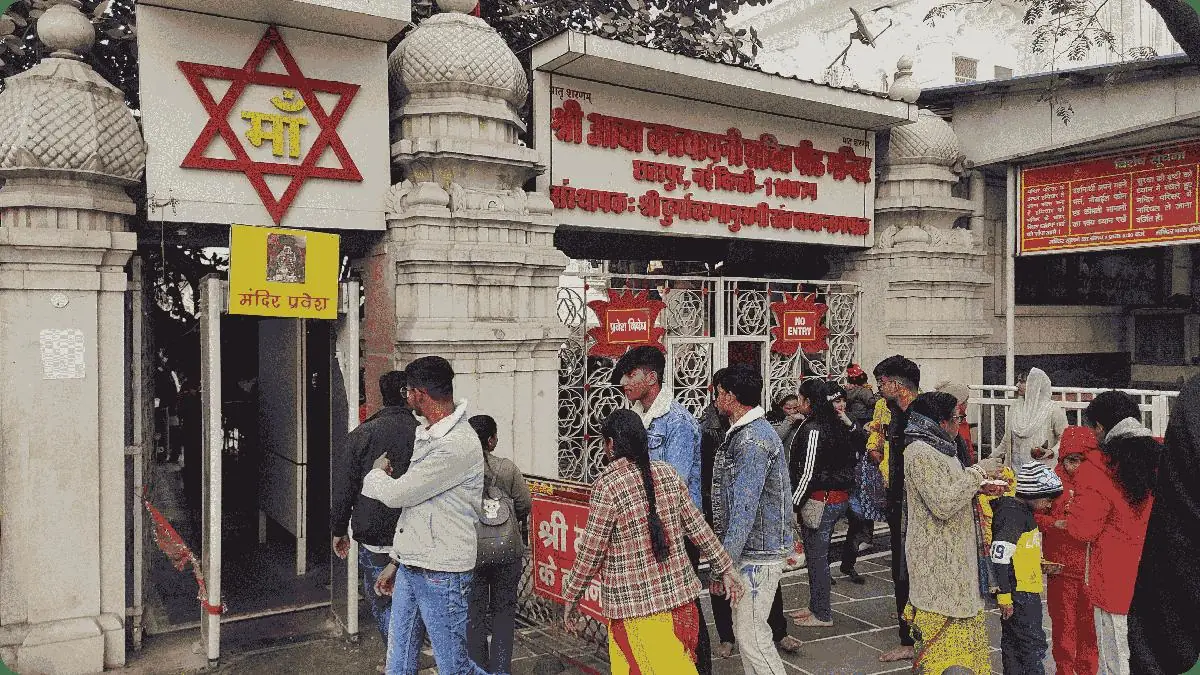
Temple rules can be stricter during busy periods. Follow the notice at the gate even if an older online page says something different. Keep the following points in mind:
Whether a phone is allowed is not always a simple yes-or-no question. A device may be permitted inside the larger campus but restricted near a sanctum, during a ritual, or at a security checkpoint. Ask before taking photographs, and never argue with staff over a camera rule during a crowded event.
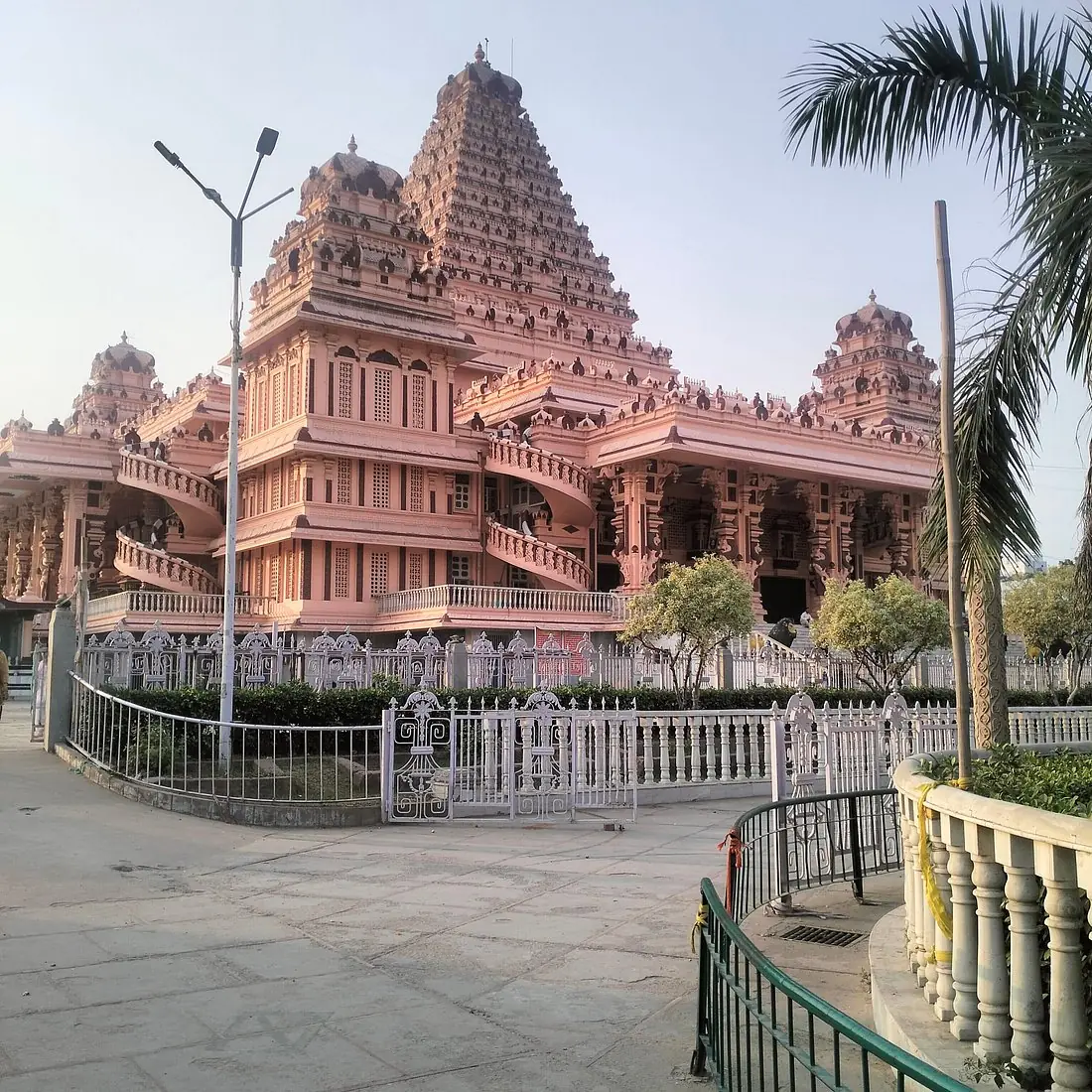
The official Delhi Tourism listing for Chhatarpur Temple provides a useful real-world example of responsible visitor planning. It identifies the temple as a recognised Delhi attraction and helps a traveller distinguish the destination from other religious venues in the Chhatarpur area. That is valuable when several map results use similar words such as mandir, temple, Guruji, or Katyayani.
The same type of official tourism page should not be interpreted as a live operations notice. It may not show the current aarti arrangement, whether a pooja counter has reached capacity, whether parking has been restricted, or whether a festival gate has changed. Those details belong to the temple trust or the authority managing that day’s arrangements.
A sensible visitor-planning sequence based on this real source is simple: first use the government listing to confirm the destination, then check the temple’s current notice for timing, and finally verify the route and entry conditions before leaving. If the visit involves a paid seva, add a booking confirmation from the authorised office. This approach avoids treating a general tourism description as proof that the temple is open at a particular time.
The lesson applies equally to visitors from within Delhi and to people travelling across India. Official sources are not all designed for the same purpose. A tourism page can establish location and public identity, while a temple office controls ritual schedules and a traffic authority may control road access.
A short check before departure can save an entire day, particularly if you are travelling with elderly relatives, children, or a group that has booked a pooja. Check the schedule as close to the visit as practical, especially after heavy rain, during Navratri, or on a day when a large public gathering is expected.
If you cannot confirm the current schedule, plan the journey around the broadest reasonable public-access period rather than a specific unverified aarti. That still carries some uncertainty, but it is safer than booking transport around a copied timing from an old page.
Visitors travelling from another city should also keep a flexible alternative. A delayed train, traffic on the road towards South Delhi, or a sudden restriction can make a tightly timed pooja impossible. If the ritual is important, contact the authorised office about rescheduling before making non-refundable travel arrangements.
There is no reliable universal answer without checking the latest temple or trust notice for that date. General online hours can remain visible even when a gate, shrine, or route is temporarily restricted, so confirm same-day access before travelling.
A broad 6:00 a.m. to 10:00 p.m. window is commonly circulated for the main complex, but it should be treated as a provisional public-access reference. Darshan, aarti, pooja, and special-day entry may follow narrower timings.
Not necessarily. “Guruji Chattarpur Mandir” can refer to a separate venue, so confirm the full address and organiser before relying on a schedule.
Phone rules may vary by gate, shrine, ritual, and festival arrangement. Keep your phone silent, follow photography notices, and be prepared for restrictions near the sanctum or during security checks.
Langar, if offered on a particular day, may have a separate serving location and schedule. Ask the current temple office or authorised sewadars instead of relying on an old visitor comment or assuming that langar runs throughout temple opening hours.
Reliable planning begins with separating the temple’s broad access hours from the narrower timings for darshan, aarti, pooja, and seva. Before you visit, confirm the exact venue, current notice, gate, booking requirement, parking arrangement, and phone rules.
Treat commonly circulated Chhatarpur mandir timing information as a starting point, then verify it with the responsible temple trust before leaving home. That small final check can turn a rushed trip into a calm and respectful visit.





