Physical Address
304 North Cardinal St.
Dorchester Center, MA 02124
Physical Address
304 North Cardinal St.
Dorchester Center, MA 02124
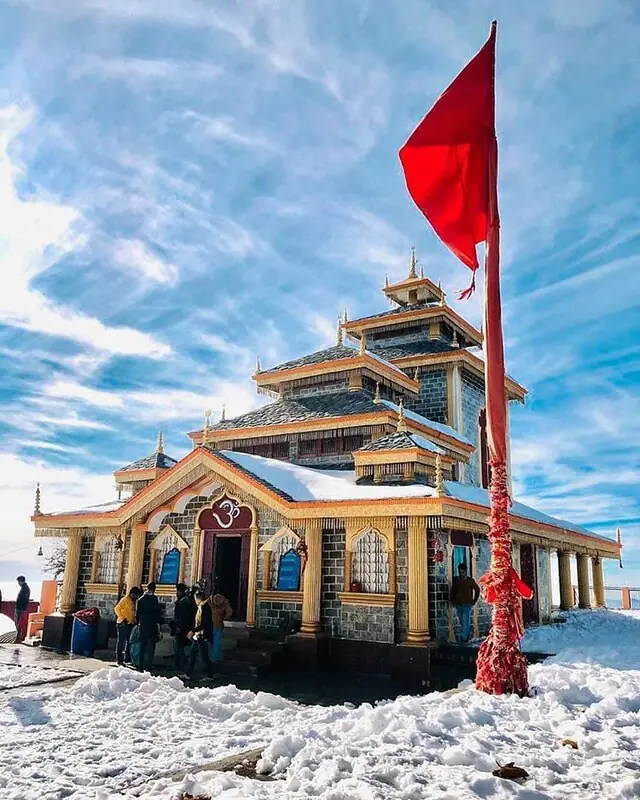
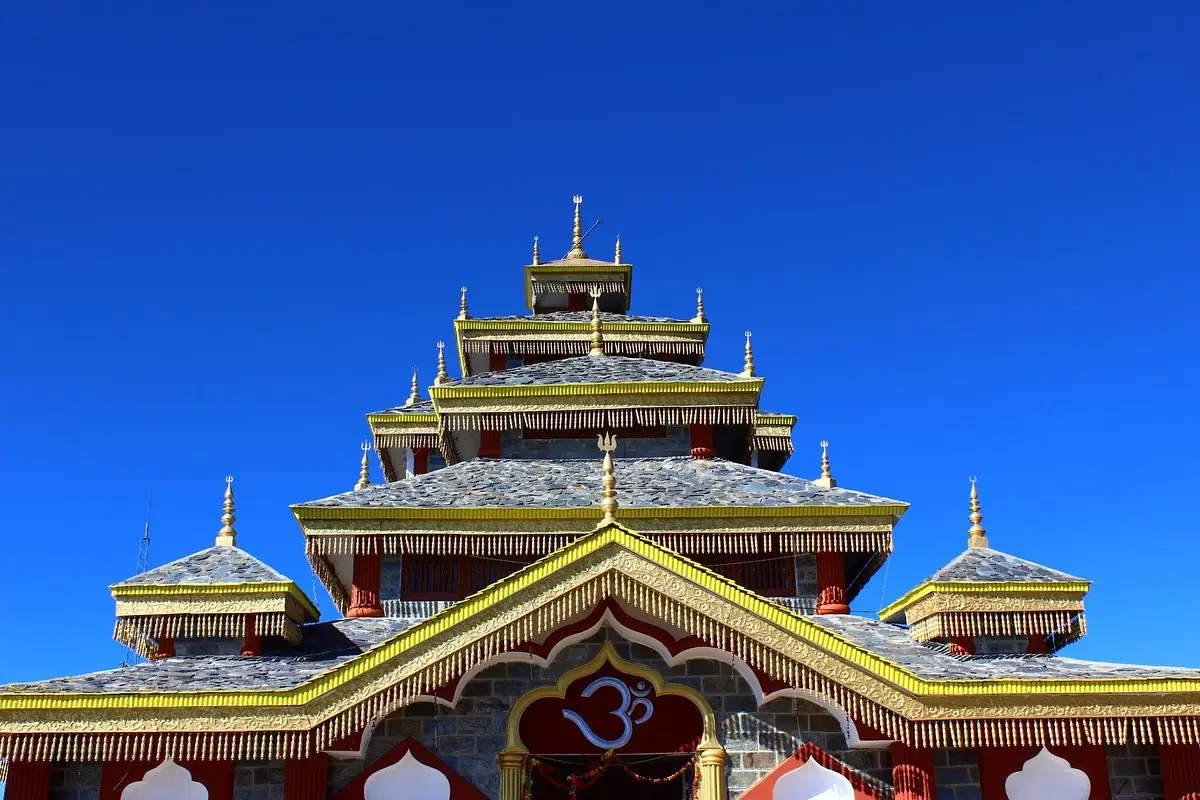
Surkanda Devi temple timings matter because the shrine sits on a hill, and your visit depends on daylight, weather, the trek or ropeway, and festival arrangements. The temple is near Kaddukhal in Uttarakhand’s Tehri Garhwal region, close to Dhanaulti and within driving distance of Mussoorie and Dehradun.
Publicly available schedules can change, particularly for the ropeway, special pooja, and winter travel. Checking the latest local notice before leaving helps you avoid reaching the hill after access has closed and gives you time for darshan, prayers, and the return journey.
This article explains what is reliably known, what should be confirmed locally, and how to plan a respectful and practical visit to Surkanda Devi.
Surkanda Devi is a hilltop devi temple dedicated to Goddess Surkanda, traditionally associated with the Shakti Peetha tradition. Local religious belief connects the site with the story of Sati and Shiva.
According to the widely told account, parts of Sati’s body fell at different places after Shiva carried her, and Surkanda Devi is regarded as one of the sacred Shakti sites in the Himalayan region. The temple’s spiritual importance draws pilgrims, local devotees, families, trekkers, and visitors travelling through Uttarakhand.
The main difficulty with publishing a single “official” schedule is that temple access and transport are not always governed by one continuously updated public timetable. The shrine, the road to Kaddukhal, the ropeway, and the walking route may each operate under different practical conditions. On a clear summer morning, access may feel straightforward; during winter, fog, ice, rain, or landslides can change the usable hours.
| Visitor information | What can be stated safely | What to confirm before travel |
|---|---|---|
| Temple opening and closing | Darshan is generally planned during daylight hours, but a single permanently published schedule should not be assumed. | Same-day opening, closing, and any temporary restriction from the temple management or local authorities. |
| Morning darshan | Early arrival is usually the most practical choice for a quieter atmosphere and more time on the hill. | Whether morning rituals temporarily pause public entry. |
| Evening darshan | Visitors should allow enough time to descend before darkness or before the last available transport. | Last ropeway ride, road conditions, and any evening closure. |
| Ropeway | Operation can depend on weather, maintenance, crowd control, and local instructions. | Opening time, last ticket, last return ride, ticket availability, and cancellation policy. |
| Special pooja or aarti | Ritual timings may follow the temple’s daily and festival calendar rather than a tourist timetable. | Whether advance permission, a donation receipt, or reporting at a particular time is required. |
For an official regional reference, you can check the Uttarakhand Tourism portal and compare its destination information with a current notice from the temple, ropeway operator, or local administration. A tourism listing is useful for location and access context, but it shouldn’t be treated as proof that a ropeway or ritual is operating on a particular day.
Darshan means viewing the deity in a devotional setting. It may be quick on a quiet weekday and slower during a festival, weekend, or school holiday.
At a hill shrine such as Surkanda Devi, the time required for darshan includes more than the few minutes inside the sanctum. You may need to walk from the parking or ropeway point, wait in a queue, remove footwear, make an offering, and return to the access point.
Daily worship normally includes temple opening rituals, offerings, prayers, and closing practices. The exact sequence and timing are matters for the priests and temple management.
Visitors shouldn’t assume that a ritual listed on an old travel page is still held at the same hour. A pooja may also be adjusted during Navratri, Ganga Dussehra, local fairs, or other important religious occasions.
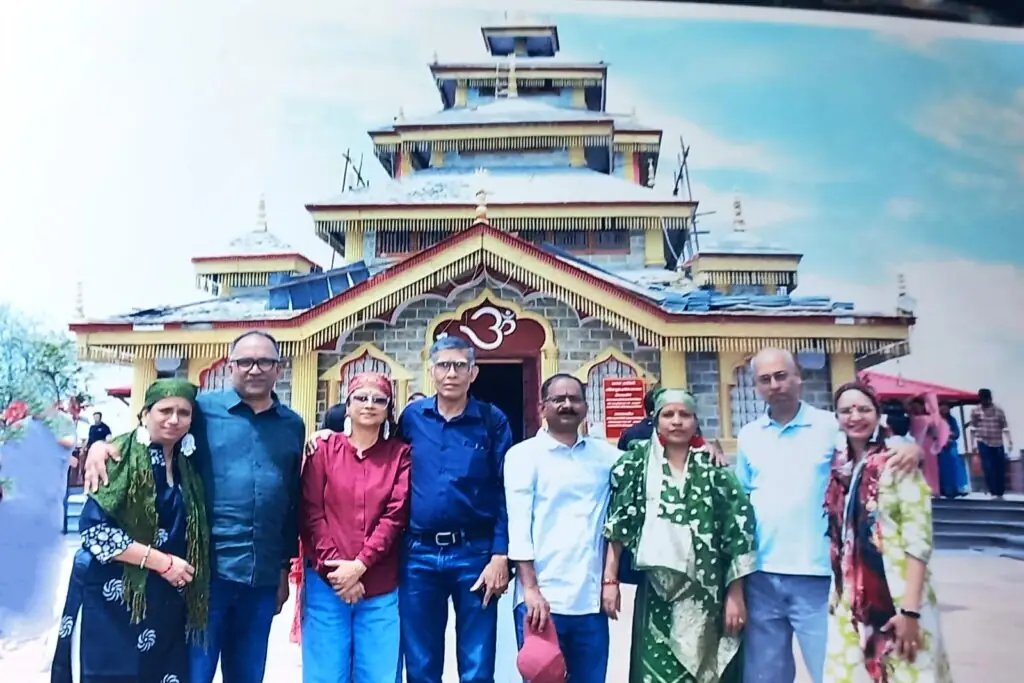
Arrive in the morning if your priority is a calmer visit. This gives you a buffer if the road from Dhanaulti or Dehradun is slow, if the ropeway queue grows, or if you decide to take the trek from Kaddukhal. Morning light is also useful for the final walk and for views of the surrounding mountains.
During busy periods, the waiting time may be affected by the number of pilgrims, the size of the queue, security arrangements, and the availability of the ropeway. There is no dependable universal waiting-time figure for every date. Rather than planning a tightly timed return, keep several hours for the complete visit.
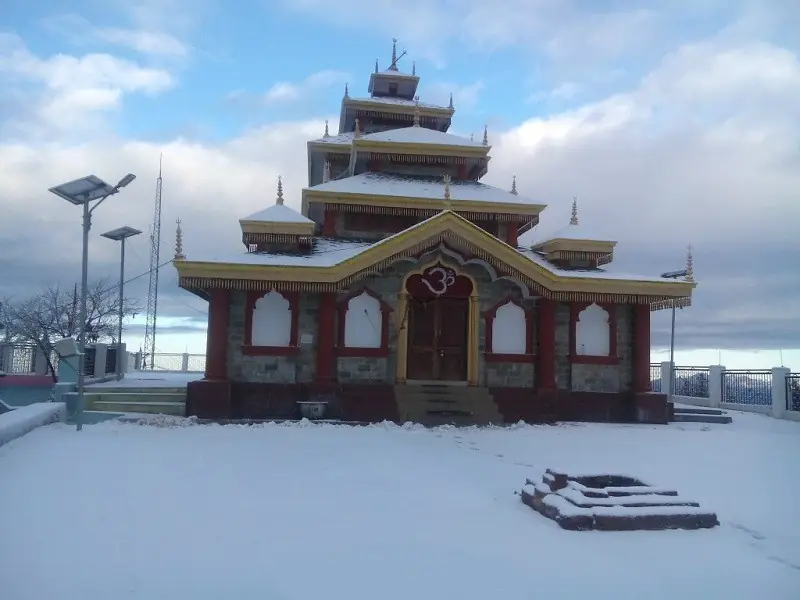
Not every visitor needs to book a separate pooja. Many people simply join the normal darshan and offer prayers according to the temple’s accepted practice.
If you want a sankalp, special offering, or family pooja, ask the temple office or an authorised priest about the current process. Confirm the reporting time, permitted materials, receipt, and whether the ritual is available on your chosen date.
Aarti is a devotional lamp ceremony, but its public timing can differ between ordinary days and festivals. Don’t rely on an unverified social-media post for an aarti schedule. If attending a particular ritual is central to your spiritual experience, check locally on the morning of your visit and plan transport around the ceremony rather than the other way around.
The ropeway is often the most important timing issue for visitors who don’t want to complete the full trek. Its starting point is generally associated with Kaddukhal, and the ropeway reduces the uphill walking distance to the temple area.
That convenience doesn’t mean it runs continuously or independently of conditions. Wind, rain, lightning, technical inspection, maintenance, crowd management, and power interruptions may affect service.
Temple hours and ropeway hours are therefore not interchangeable. A temple may still be accessible on foot after ropeway ticket sales have stopped, while a late visitor may find the walking route unsuitable because of darkness or weather. Conversely, a ropeway suspension can make a planned short visit much longer if you have not allowed time for trekking.
| Travel choice | Timing concern | Best suited to | What to confirm |
|---|---|---|---|
| Ropeway from Kaddukhal | First ride, last ticket, last return ride, weather suspension | Visitors seeking a shorter uphill walk or travelling with older family members | Same-day operation and whether tickets are sold online or only at the counter |
| Trek from the access point | Daylight, weather, personal walking pace, route conditions | Trekkers and visitors who want a slower mountain approach | Current path condition, approximate walking distance, and safe return time |
| Private vehicle to Kaddukhal | Hill-road traffic, parking, local restrictions, monsoon disruption | Families and groups travelling by car or taxi | Road access, parking availability, and the final transport connection |
Ticket prices and online booking availability should also be treated as changeable. A search result may show an old fare, a third-party listing may not represent the operator, and a booking page may be unavailable when the ropeway is closed. If you find an online booking option, read the terms carefully: the important details are the date, reporting window, passenger categories, cancellation rules, identification requirements, and whether the ticket covers a one-way or return ride.
For a ropeway visit, allow time for the drive to Kaddukhal, parking, ticketing, waiting, the ride, walking at the upper station, darshan, and the return. For a trek, add a generous margin because altitude, steps, uneven ground, and crowd movement can slow you down. The distance may appear manageable on a map, but mountain travel is measured by slope and conditions as much as by kilometres.
Never schedule the last part of the visit so tightly that you must run for the final ropeway or descend after dark. If the ropeway is unexpectedly closed, you should have enough daylight and fitness for the alternative route, or a safe plan to wait for transport advice.
The best time to visit depends on your purpose. Clearer weather can improve visibility and make the road and trekking route easier, while festival days bring a stronger devotional atmosphere but also larger crowds. Surkanda Devi is visited throughout the year, yet hill conditions change sharply between seasons.
| Period | Potential advantage | Potential difficulty | Timing approach |
|---|---|---|---|
| Spring | Comfortable conditions may support walking and sightseeing. | Weather can shift quickly at elevation. | Start early and check the forecast and access notice. |
| Summer | Longer daylight and popular travel conditions. | Weekends and holidays can create queues and road traffic. | Reach Kaddukhal before the busiest part of the day. |
| Monsoon | Lush mountain scenery and a quieter pilgrimage experience on suitable days. | Rain, slippery paths, landslides, and transport disruption. | Confirm road and ropeway status immediately before departure. |
| Autumn | Often attractive for mountain views and devotional travel. | Festival crowds may increase demand. | Reserve more time for parking, queues, and return travel. |
| Winter | A crisp Himalayan setting and a quieter visit on clear days. | Cold, fog, snow or ice, shorter practical daylight, and possible closures. | Travel in daylight and confirm every transport link before leaving. |
Ganga Dussehra and Navratri can be particularly important for devotees, although the exact crowd pattern changes from year to year. On a major occasion, the temple may introduce queue systems, altered pooja arrangements, traffic controls, or restricted vehicle movement. A local notice takes priority over a normal day’s routine.
Festival visits can be deeply meaningful, but they require realistic expectations. You may spend longer standing, find less parking, and have fewer opportunities to sit quietly inside the temple. If your goal is meditation, family prayer, or a less crowded darshan, a non-festival weekday may be more suitable.
Surkanda Devi temple is near Kaddukhal in Uttarakhand, with Dhanaulti serving as a commonly used nearby destination. Mussoorie, Dehradun, and Rishikesh are relevant bases depending on your route, while the nearest railway station and airport will depend on the transport plan you choose. Dehradun railway station and Jolly Grant Airport are often considered by travellers, but road travel from either point can take longer than a map estimate because of hill traffic and weather.
From Dehradun, plan the journey as a mountain road trip rather than as a simple city transfer. A private taxi may offer flexibility, while shared transport can require changes and may not match the ropeway’s operating window. Ask the driver to confirm the correct Kaddukhal access point and not merely the temple’s name in a navigation app.
The last section of the journey may involve parking, walking, ticketing, and a steep approach. Conditions can be different from those in Mussoorie or Dehradun. A bright morning in the valley does not guarantee clear weather at the temple stands on the ridge.
If you’re travelling with children, older adults, or someone with a health condition, make the transport choice before starting the journey. The ropeway can reduce the walking burden when operating, but stairs and uneven surfaces may still remain near the temple. Wheelchair access, seating, toilets, and assistance should be confirmed locally rather than assumed from a general destination listing.
Keep the return route in mind from the beginning. Mobile connectivity can be inconsistent in hill areas, and taxis may not be immediately available at the end of the day. Save your driver’s number, carry some cash, and don’t depend entirely on a last-minute online booking.
There may be separate arrangements for ropeway tickets, special pooja, parking, and ordinary temple entry. These should not be treated as one combined booking. A paid transport ticket, where available, doesn’t automatically guarantee a special ritual slot, and a temple donation receipt may not include travel.
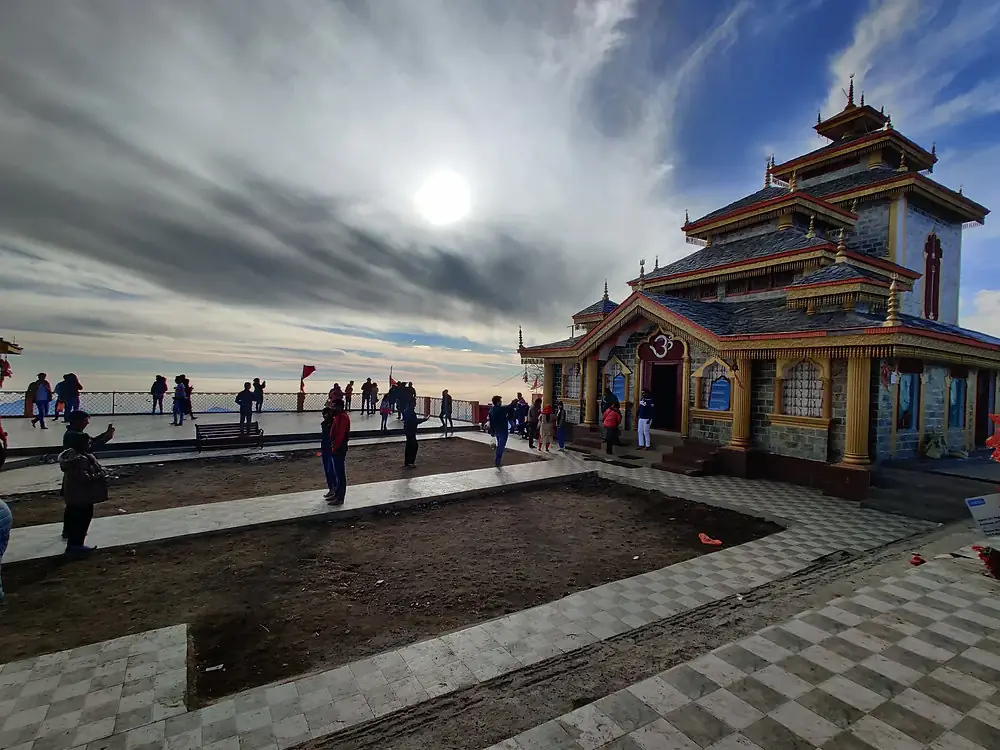
Use caution with unofficial agents who promise guaranteed darshan, instant access, or a special pooja without a clear receipt. Ask exactly what you are paying for and whether the payment goes to the temple, the ropeway operator, or a private service provider.
Read cancellation and rescheduling terms before payment. Weather-related suspension may be handled differently from a visitor arriving late. If the ropeway stops after you have reached Kaddukhal, ask the operator about the current alternative and don’t enter a risky trekking route simply to protect a timetable.
For a special pooja, contact the authorised temple office rather than assuming that a travel agency can arrange it. Religious services may depend on priest availability, festival workload, and the temple’s own process.
Surkanda Devi is a place of worship, not only a sightseeing stop. Wear clean, modest clothing suitable for walking and changing weather. Traditional Indian attire is welcome, but it isn’t necessary for ordinary darshan; respectful, comfortable clothing is the practical standard.
Remove footwear wherever instructed and keep it in the designated area. Follow the queue, avoid pushing, and listen to announcements during busy periods.
If you carry prasad or an offering, ask what is accepted before taking it into the inner area. Food, flowers, coconuts, or other materials may be subject to local rules.
Photography rules can change from one area to another. A scenic view outside may be acceptable while the sanctum, a ritual, or a priest’s work may not be photographed. When no sign is visible, ask a temple volunteer before taking pictures.
Visitors with mobility limitations should make a direct enquiry about the route, ropeway access, stairs, assistance, and available seating. “Near the ropeway” doesn’t necessarily mean step-free access to every part of the temple complex. If you have breathing difficulties, heart disease, or another condition affected by exertion or altitude, discuss the trip with a medical professional and take the walking distance seriously.
Official tourism portals provide a useful example of responsible travel information, but they also show why a destination page should be checked alongside local notices. Uttarakhand Tourism presents Surkanda Devi as a recognised religious and hill destination and describes its connection with the access route near Kaddukhal. That kind of government tourism reference helps establish the destination, location, and broader visitor context.
It does not necessarily publish a live, day-by-day ropeway timetable, the current last ticket time, or the exact aarti schedule. In practical terms, this means you can use the official destination listing to plan the geography of your trip, then verify operational details with the temple or transport authority. This is a more reliable method than copying a fixed time from an old article or social-media post.
The same principle applies to other Indian shrines. The Shri Mata Vaishno Devi Shrine Board, for example, separates pilgrimage registration, accommodation, and route-related information through its official systems rather than presenting every service as one informal booking.
That real-world model illustrates an important point: a temple visit may involve several authorities, and the booking source for one service may not control another. Surkanda Devi visitors should apply the same caution when checking ropeway tickets, pooja arrangements, and darshan information.
Arriving late is the most common avoidable problem. Visitors sometimes calculate only the drive to Kaddukhal and forget the time needed to park, buy tickets, queue, walk, and return. If the ropeway has a last boarding time, reaching the parking area shortly before it may not be enough.
Another mistake is treating an internet search snippet as a current official schedule. Search engines can display information from pages that have not been updated, and a phrase such as “open from morning to evening” may describe a general practice rather than a guaranteed operating commitment. Use it as a starting clue, not as confirmation.
Weather also deserves more attention than it usually receives. Rain can slow the road and make trekking slippery.
Winter fog can reduce visibility, while strong wind may affect ropeway operations. A flexible itinerary is safer than booking a same-day return train or flight that leaves no room for a hill-road delay.
A little preparation protects the devotional character of the visit. You’ll be less hurried, less dependent on strangers for basic information, and better able to spend time in prayer or simply appreciate the mountain setting.
A permanently fixed, universally published daily schedule should not be assumed. Darshan is generally planned during daylight, but opening, closing, ritual pauses, and festival arrangements can change. Confirm the current timing with the temple or a verified local authority before travelling.
Ropeway operation can change because of weather, maintenance, technical checks, or local crowd controls. Check the same-day status, first ride, last ticket, and last return ride before starting your journey. A general destination page cannot guarantee live operation.
The walking approach from the Kaddukhal area is commonly described as a short hill trek, but the effort depends on the exact starting point, route condition, slope, steps, and your pace. Ask locally for the current route and allow more time than a flat-ground distance estimate suggests.
Online availability can change, and not every search result represents an authorised booking channel. Use only a booking system identified by the operator or an official authority, read the terms, and confirm whether the ticket is one-way or return. If no verified online option is active, ask about the authorised counter at Kaddukhal.
For a quieter darshan, a clear weekday morning is usually more practical than a festival afternoon. Festival days can offer a powerful devotional atmosphere but may involve longer queues, road congestion, and altered rituals. Weather and the season should guide the final decision.
Photography may be restricted in the sanctum, during rituals, or in areas marked by temple staff. Follow posted instructions and ask before photographing people or ceremonies. Outside views may have different rules from the worship area.
Reliable surkanda devi temple timings are best treated as a date-specific question, not as a number copied permanently from an old webpage. Confirm darshan, pooja, ropeway operation, last return transport, road conditions, and festival changes shortly before you leave. Then build in time for the trek, queue, weather, and an unhurried return.
A careful check does more than prevent inconvenience: it lets you approach Surkanda Devi with the right expectations and respect for the temple’s living traditions. Before booking your vehicle or accommodation, which official or locally verified source will you use to confirm the latest schedule?





