Physical Address
304 North Cardinal St.
Dorchester Center, MA 02124
Physical Address
304 North Cardinal St.
Dorchester Center, MA 02124
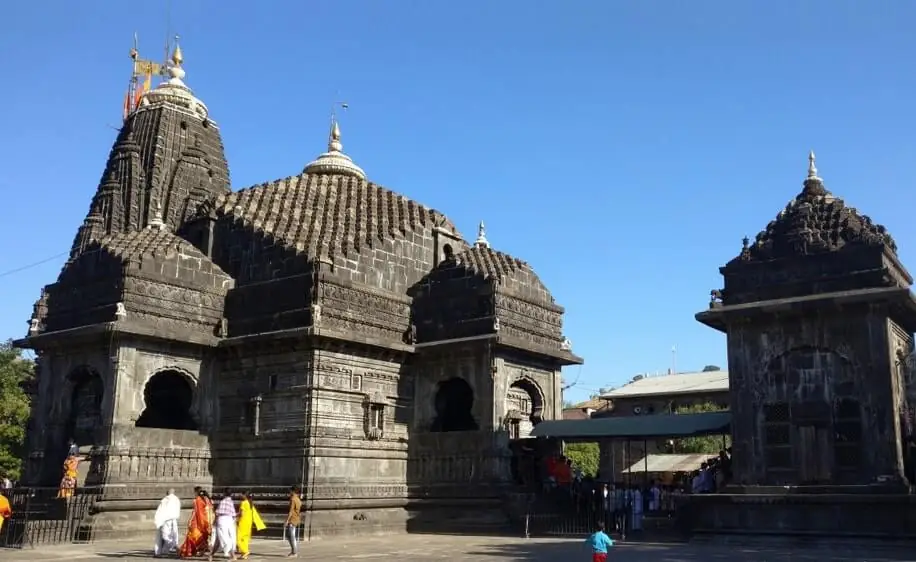
Trimbakeshwar Shiva Temple tickets are often searched by devotees planning darshan, Rudrabhishek, Narayan Nagbali, or a short pilgrimage to Nashik. The important point is that a regular temple visit, a special pooja, and a VIP or paid darshan pass may follow different rules. Timings, availability, reporting instructions, and charges can also change on festivals or during administrative updates.
Before travelling, confirm the latest notice from the Shri Trimbakeshwar Devasthan Trust, carry valid photo proof, and keep your booking transaction details accessible. The information below explains how the temple visit generally works, which details need verification, and how to avoid relying on outdated social-media posts or unofficial agents.
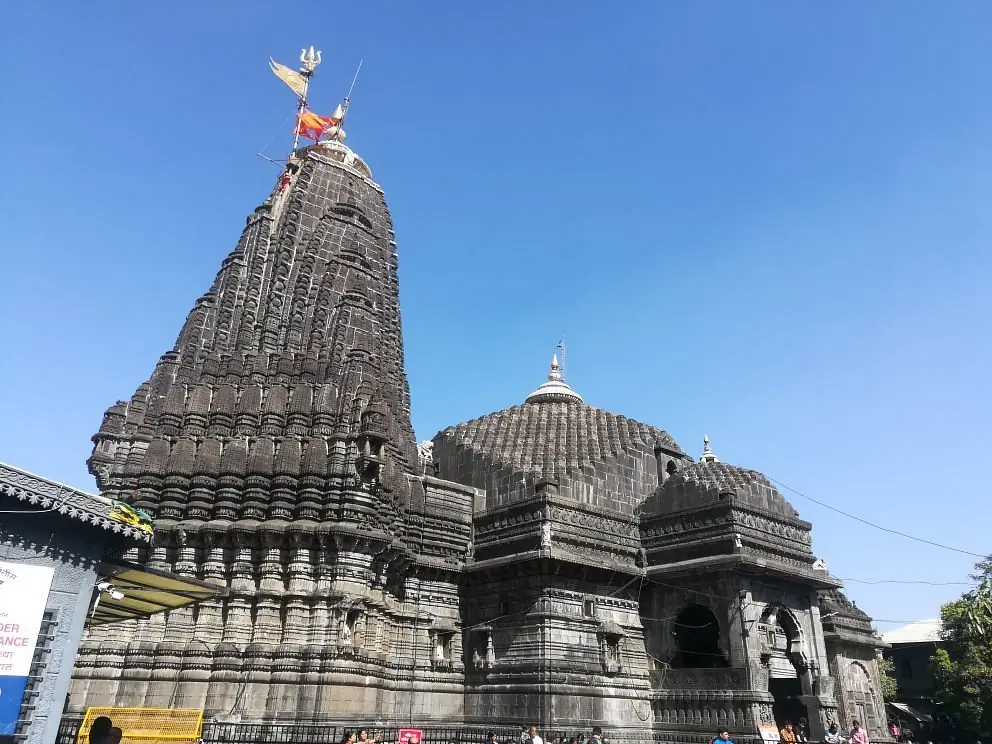
Trimbakeshwar Temple, near Nashik in Maharashtra, is one of the twelve revered Jyotirlinga shrines dedicated to Lord Shiva. It is also closely associated with the origin of the Godavari River and with several important Hindu rituals, including ancestral rites and special Shiva pooja services. Because the temple attracts both local worshippers and pilgrims from across India, the word “ticket” can refer to several different forms of access.
A regular darshan may be managed through a queue or a temple-issued pass, while a paid service may be connected to a particular pooja, date, devotee name, or reporting slot. A donation darshan facility, if offered under the current temple arrangement, should not automatically be treated as a guaranteed fast entry ticket. The exact entitlement depends on the official terms printed on the receipt or pass.
Many online searches mention a “VIP pass,” a “2500 pass,” or Trimbakeshwar online darshan booking. These labels are not always used consistently.
One website may describe a pooja donation as a VIP darshan fee, while another may refer to a special entry contribution, a ritual package, or an older rate. Check the official booking page, receipt, or notice for the current meaning.
The safest approach is to separate four questions:
The temple’s official trust remains the best authority for these points. The Shri Trimbakeshwar Devasthan Trust website should be checked shortly before your journey because schedules and booking arrangements can be revised without much notice.
Devotees commonly ask whether Trimbakeshwar Temple stays open throughout the day. In practice, the outer temple operations, regular darshan, pooja periods, aarti, and sanctum access may not follow identical hours. A temple can be open for visitors while a particular ritual is taking place, or it may regulate the queue during a busy worship period.
Publicly circulated schedules often describe the temple as beginning morning activities around the early morning hours and continuing until the evening, with interruptions or restrictions around worship services. Since the trust can alter the programme for festivals, maintenance, crowd control, or ritual requirements, use the following table as a planning framework rather than a guaranteed daily timetable.
| Visitor need | Commonly referenced timing pattern | What you should verify |
|---|---|---|
| Morning temple opening | Early morning, often around 5:30 a.m. in publicly available schedules | Whether entry begins at that time on your chosen date |
| Regular darshan | Morning through evening, subject to ritual breaks and crowd controls | Queue opening, last entry, and any pass requirement |
| Morning aarti or worship | Early morning worship period | Whether general devotees may attend or must hold a specific booking |
| Midday pooja period | Usually a scheduled ritual interval rather than continuous public access | Temporary suspension of darshan and resumption time |
| Evening aarti | Evening worship before the temple’s night closure | Exact aarti time and whether entry is restricted |
| Night closing | Often described as around 9:00 p.m., but subject to change | Last permitted entry, not merely the time doors close |
Arriving just before the stated closing time is risky. The last entry may be earlier than the formal closing, especially when the queue is long or security checks are slow. A pass with a printed reporting time also does not necessarily mean you can arrive at any point during the day.
On Mondays, Shravan Mondays, Mahashivratri, and major local festival days, the number of devotees can rise sharply. Ritual activity may be more extensive, and ordinary darshan arrangements may be adjusted. If your travel dates are flexible, a non-festival weekday usually makes it easier to plan around waiting time.
Look for separate references to temple opening, darshan hours, pooja timings, aarti timings, booking-counter hours, and last entry. A notice that says “temple open from 5:30 a.m. to 9:00 p.m.” may not mean that every service is available for the entire period. Also check whether the notice applies to a particular festival, month, or temporary arrangement.
A darshan pass is intended to regulate or facilitate a devotee’s viewing of the deity. A pooja booking, by contrast, relates to a religious service performed according to the temple’s procedure. Some services may include a form of darshan, but buying a pooja does not automatically guarantee that every person in your group receives separate priority entry.
The temple is known for rituals sought by families for religious, spiritual, or ancestral reasons. These may include abhishek-related services, offerings, and ceremonies conducted through authorised priests or the temple trust. Ritual names and eligibility requirements can be unfamiliar to first-time visitors, so ask the official counter what the service includes before paying.
| Type of visit or service | What it generally means | Questions to ask before payment |
|---|---|---|
| Regular darshan | Viewing the deity through the normal visitor arrangement | Is a pass required, and what is the queue or last-entry time? |
| Special or paid darshan | A trust-administered access category that may use a separate queue | Does the amount cover one person or a group? |
| Donation darshan | A contribution-linked entry arrangement where available | Is it valid for a specified date, slot, or reporting window? |
| Named pooja | A religious ceremony booked under a devotee or family name | Which documents, participants, and rituals are included? |
| Ancillary religious service | A ceremony separate from ordinary temple darshan | Where must you report, and how long should you reserve? |
Search results that mention a Trimbakeshwar VIP pass price should therefore be read carefully. The amount can change, and the label may describe a particular service rather than a universal fast-track ticket. Never transfer money to a personal UPI number, driver, guide, or social-media contact merely because they promise guaranteed entry.
For every legitimate pass transaction, check whether you receive a receipt, booking reference, QR code, or other confirmation. Save a screenshot and, if possible, keep the transaction history in your email or booking account. A payment message alone may not prove that the temple has accepted your booking.
Online booking can be convenient when the official system displays a live date and slot. It isn’t a substitute for reading the terms. Some temple services require the original applicant to appear at a counter, while others may accept a digital confirmation along with identity proof.
Offline booking may be available through a temple counter or authorised office, but counter hours and daily quotas should be confirmed locally. If you’re already in Nashik, ask for the official temple booking counter rather than accepting directions from an unauthorised intermediary. Keep your original ID with you, and don’t assume a screenshot of someone else’s receipt will be accepted.
A useful booking confirmation normally identifies the temple or trust, service name, devotee details, date, payment or receipt number, and any reporting instruction. It should make clear whether the booking is for darshan or pooja. If the document only says “VIP entry” without a date, name, amount, or issuing authority, seek clarification before travelling.
There is no single waiting period that applies every day. On a quiet weekday, the queue may move steadily. On a Monday, festival day, or holiday, waiting can extend considerably because more pilgrims arrive, security checks take longer, and ritual schedules may temporarily regulate the flow.
A paid or special pass can reduce uncertainty, but it shouldn’t be treated as a promise of instant access. The pass may place you in a separate line while the temple continues to manage crowd movement. People with elderly relatives, children, or mobility limitations should allow extra time rather than booking a tightly timed return journey.
These factors commonly influence the darshan experience:
Plan a buffer around the temple visit. If you have a train, airport transfer, or another pooja later in the day, avoid assuming that the published opening time equals immediate entry. A morning arrival may help on ordinary days, but festival crowds can begin forming well before the first public darshan period.
Ask the official staff about accessible routes, seating, priority arrangements, and the distance between parking areas and the temple. Accessibility provisions can vary by gate and by crowd-control plan. Wheelchair users and visitors with serious mobility concerns should confirm the current route in advance instead of relying on a general promise of priority access.
Carry water for the journey where permitted, essential medicines, and a small amount of cash for local needs. Temple security may restrict bags, electronic items, or other belongings, so travel light. A companion should retain all booking documents and identity proof in one secure place.
Visitors are expected to dress respectfully for a Shiva temple. Traditional or modest clothing is the safest choice, especially for a special pooja.
Rules can differ for men and women during specific rituals, and a pooja may have additional clothing or participation requirements. Confirm those details at the time of booking.
Carry an original, valid photo identity document if the booking is in your name. Depending on the service, the trust may ask for proof connected to the booking, age, or participant details. Keep a digital copy only as a backup; it may not replace the document required at the counter.
Temple entry can involve security screening. Items commonly restricted at religious sites may include large bags, food, tobacco products, sharp objects, and professional photography equipment. The exact list at Trimbakeshwar can change, so follow the instructions displayed at the entrance rather than arguing from an older visitor’s experience.
Photography rules deserve special attention. Many devotees assume that a phone camera is acceptable everywhere, but sanctum and inner-area restrictions are common in Indian temples.
If a guard asks you to put the phone away, comply immediately. The purpose of the visit is worship, not documentation of every stage of the queue.
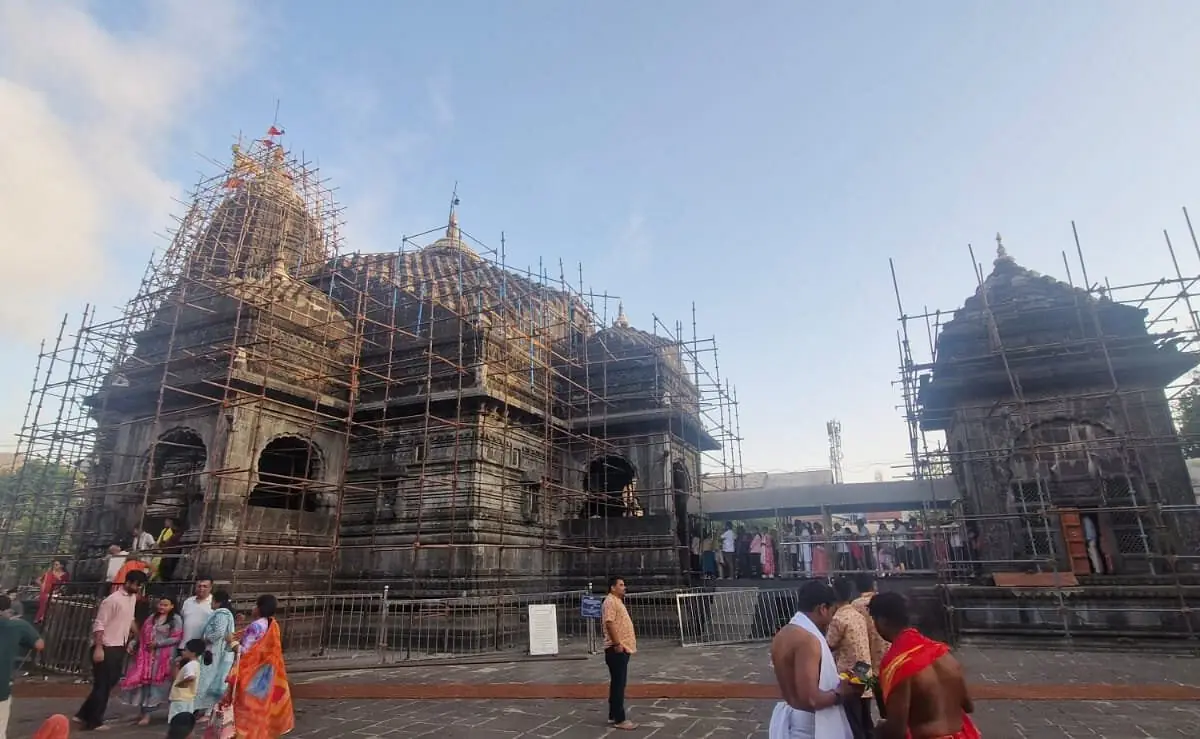
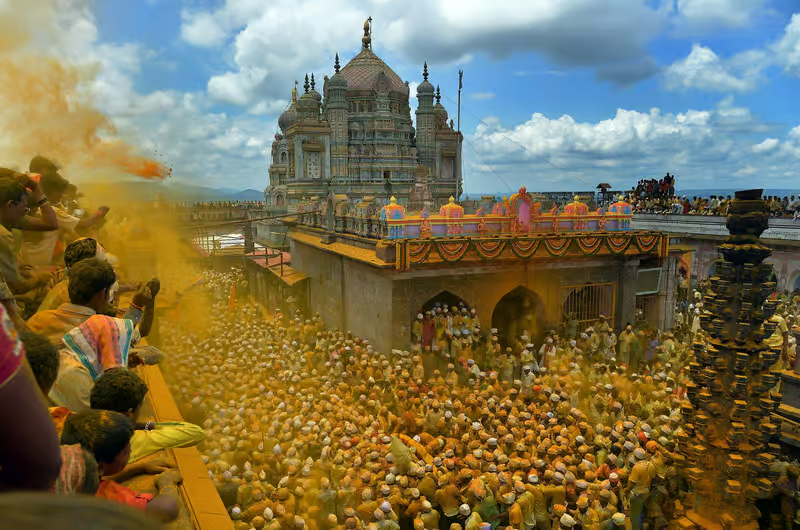
Festival periods can change the practical meaning of a temple timetable. During Mahashivratri, Shravan Mondays, or other high-footfall occasions, the trust may introduce barricades, separate queues, restricted entry, revised pooja schedules, or temporary limits on special services. A facility available during an ordinary week may be paused to manage the pilgrimage crowd.
Rain and seasonal travel conditions also matter. Trimbakeshwar lies in the Nashik region, where monsoon weather can affect roads and movement around the temple.
During heavy rain, allow more time between your hotel, transport point, booking counter, and temple gate. The official temple schedule may remain unchanged even when your road journey takes longer.
Festival planning should begin with the calendar, but finish with a current notice. Religious dates may be calculated according to the lunar calendar, and local arrangements can be announced close to the occasion. Check the date, opening hours, entry category, and reporting instructions together rather than relying on a generic yearly timetable.
| Travel situation | Likely planning concern | Safer approach |
|---|---|---|
| Ordinary weekday | Regular queue and routine pooja interruptions | Arrive with a modest time buffer and verify last entry |
| Monday | Higher Shiva-devotee attendance | Reach early and avoid a tightly timed onward journey |
| Shravan month | Greater pilgrimage demand and possible special arrangements | Confirm whether regular and paid darshan are operating normally |
| Mahashivratri | Very high crowds and possible restrictions | Follow the festival notice instead of an ordinary timetable |
| Monsoon visit | Slower road travel and wet conditions around approach routes | Add travel time and protect printed booking documents |
If your main purpose is a specific pooja, ask whether the ceremony requires advance booking for a chosen date. Some services may have limited daily capacity, and a general darshan pass won’t necessarily secure a ritual slot. Families travelling together should also check whether every participant must be named on the receipt.
Information about temple tickets spreads quickly through travel groups, local agents, and videos. Much of it may be based on an earlier rate or a temporary arrangement. A disciplined verification process takes only a few minutes and can prevent a wasted trip.
A real-world example of why this matters is the way the official trust’s visitor and booking information separates temple services from general visitor questions. A devotee asking for a “VIP ticket” may actually need information about a pooja, a donation-linked pass, or a regular queue. The trust’s own terminology and current notice—not a reseller’s description—should decide what you purchase.
Where a booking portal is unavailable, temporarily closed, or unclear, the responsible answer is not to guess the current price. Contact the official trust or use the authorised counter after arrival. That may require extra time, but it is safer than paying for an unrecognised pass transaction.
The amount can change according to the current trust policy and the exact service being offered. Online references may quote different figures, including a “2500” amount, but you should not treat any number as current unless it appears on an official receipt, booking page, or trust notice. Confirm whether the charge is per person, per pooja, or per booking.
Use the official Shri Trimbakeshwar Devasthan Trust booking facility when it is active. Select the correct service, enter the devotee details, pay through the authorised system, and download the confirmation. If the official page does not show a live option, contact the trust rather than using an unknown third-party website.
Not necessarily. The requirement can depend on the day, crowd level, service, and trust instructions.
Regular darshan, special entry, and pooja participation may each have different procedures. Verify the rule for your date before leaving for the temple.
There is no fixed duration. Queue movement can be faster on a quiet weekday and much slower on Mondays, Shravan days, holidays, and Mahashivratri. Allow a substantial buffer for security, queueing, pass validation, and possible ritual breaks.
That depends on the service. Some bookings may ask for the names of all participants, while a pooja may be recorded under one family or devotee name. Read the participant instructions and carry identification for everyone whose name appears on the confirmation.
A digital confirmation may be accepted, but this is not guaranteed for every counter or service. Keep the original booking message, QR code, payment reference, and a printed copy if possible. The final decision rests with the temple staff and the conditions shown on your receipt.
Restrictions may apply in the sanctum and other inner areas. Follow the signs and instructions of security personnel. Don’t assume that permission to carry a phone means permission to photograph the deity or a ritual.
Ask for the official receipt and verify the service directly with the trust. Avoid personal payment accounts, vague WhatsApp confirmations, and claims that bypass all temple rules. A genuine booking should identify the issuing authority, date, service, and transaction details.
Trimbakeshwar Shiva Temple tickets are useful only when the ticket type, date, reporting time, and entry conditions are clear. Before you start your journey, verify the latest trust notice, confirm whether your service is darshan or pooja, and check that every name and document detail is correct. Arrive early enough to manage queues, security, and any ritual break.
Temple arrangements can change with the season, festival calendar, and crowd situation, so a booking page checked weeks ago may not be enough. Recheck the official information shortly before travelling, keep your receipt accessible, and plan your visit around the worship experience rather than a rigid timetable. That small final check can make your Trimbakeshwar Shiva Temple tickets—and the pilgrimage itself—far more peaceful.





