Physical Address
304 North Cardinal St.
Dorchester Center, MA 02124
Physical Address
304 North Cardinal St.
Dorchester Center, MA 02124
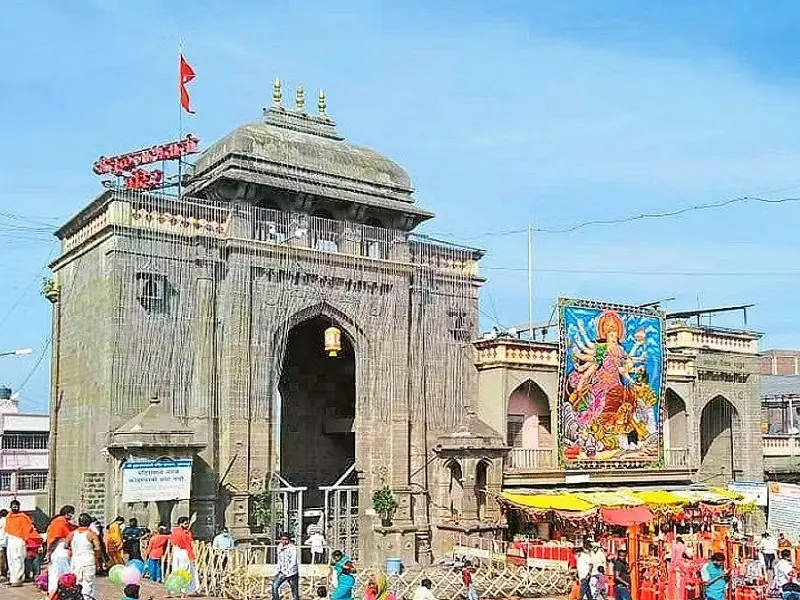
Tuljapur temple timings can change with daily rituals, festivals, crowd control and special notices, so checking the schedule before travelling is an important part of planning your darshan. The Shri Tulja Bhavani Temple in Tuljapur, Maharashtra, is a major Shakti pilgrimage site where devotees come to worship Goddess Tulja Bhavani and seek her blessings.
You’ll find practical information here on likely opening hours, darshan flow, pooja services, booking, reporting time, dress, access and festival-day changes. Since the temple administration may revise timings without much notice, use the latest official update before leaving home.
The temple’s daily routine is shaped by seva, ritual preparation and public darshan rather than by a simple “open” and “closed” timetable. The sanctum and surrounding temple areas may follow different access arrangements, and a ritual can temporarily slow or pause general entry. This is why two visitors may report slightly different experiences even on the same day.
Publicly available descriptions of the Tulja Bhavani Temple routine commonly refer to an early-morning opening, morning worship, daytime darshan, evening rituals and night closure. Exact clock times should be treated as a planning reference, not a permanent guarantee. The table below separates commonly reported activity from the information you must confirm with the temple trust.
| Temple activity | Commonly reported planning window | What visitors should understand |
|---|---|---|
| Early morning opening and first rituals | Early morning, often around 4:00–5:00 am | Opening may be connected to ritual preparation; public entry can be controlled. |
| Morning darshan and pooja services | Morning after the initial rituals | Some pooja services may require separate registration, payment or reporting. |
| General daytime darshan | Morning through afternoon, subject to seva breaks | Queue movement depends heavily on the day, season and crowd size. |
| Evening aarti and rituals | Evening, with timing determined by the daily schedule | Entry may slow or pause around the ritual period. |
| Night closure | Late evening or after night worship | The closing time can change during festivals and special observances. |
For the current schedule, consult the official Shri Tulja Bhavani Temple Sansthan website and look for current notices, darshan instructions or booking information. If a website page appears old, a notice displayed at the temple office or an announcement from the Sansthan should take priority. Do not assume that the opening time is the same as the first available general darshan.
Sunday and Saturday visits usually follow the regular daily pattern unless a festival, maintenance activity or special religious programme changes it. A temple may remain open while selected services are restricted, so “open today” does not always mean every type of darshan or pooja is available throughout the day.
The worship routine at the temple tuljapur is closely connected with the traditional seva of Tulja Bhavani. Devotees may see references to kakad aarti, abhishek, naivedya, aarti and other forms of worship. These terms describe ritual stages, not simply time slots for visitors.
Kakad aarti is an early morning worship ceremony, while abhishek generally refers to ritual bathing or consecration of the deity. Naivedya is the offering of food, and aarti is the ceremonial waving of lamps.
During an aarti or a principal offering, general darshan may move slowly or be temporarily regulated. The temple staff may also direct visitors into different queues for ordinary darshan, paid services, family rituals or special passes. You should allow space in your itinerary rather than scheduling a bus departure immediately after entering the queue.
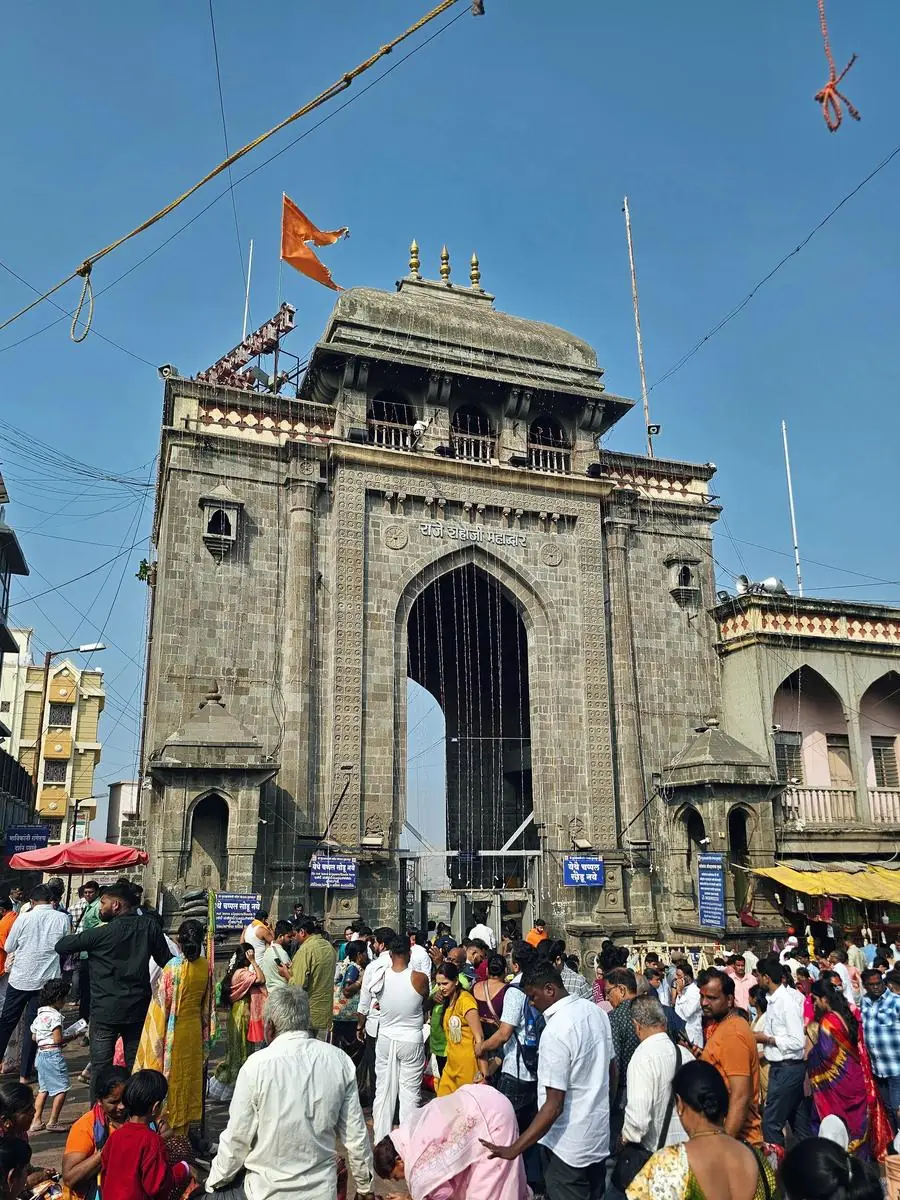
Darshan means viewing or having the sacred sight of the deity. It does not automatically include an abhishek, a personal sankalp, a naivedya offering or participation in a particular aarti. A pooja booking, if available, may have its own reporting counter, receipt, identity requirement and time window.
The availability of a service can also depend on the ritual calendar. A particular pooja may be restricted during a major festival, while an additional service may be introduced for a special observance.
Ask the official counter what your receipt covers before joining the queue. That simple check can prevent confusion, particularly for families carrying offerings or travelling with elderly devotees.
Visitors sometimes use “VIP darshan” as a general phrase for faster entry. It should not be assumed that a private or guaranteed access arrangement exists every day.
If a special darshan pass is offered, its name, price, validity, reporting location and conditions should be published or confirmed by the Shri Tulja Bhavani Temple Sansthan. Avoid paying a tout who promises an unofficial shortcut.
There is no single waiting time that applies to every visit to Tuljapur. Queue length changes with the weekday, school holidays, public holidays, wedding travel, Navratri, regional festivals and the number of buses arriving at the same time.
A quiet weekday morning can feel very different from a festival afternoon. Even within one day, the line may expand before a major aarti and shorten after a ritual is completed.
If your priority is a calmer visit, many pilgrims prefer arriving early on an ordinary weekday. That is a planning preference, not a guarantee of immediate darshan. The first part of the morning may be occupied by temple rituals, and the public queue may begin later than the time at which the temple complex opens.
| Visit situation | Likely crowd pattern | Practical approach |
|---|---|---|
| Ordinary weekday | Often more manageable, though no day is guaranteed to be quiet | Arrive with a flexible morning or afternoon window. |
| Saturday or Sunday | Usually greater local and family travel than a normal weekday | Reach early and keep transport after darshan flexible. |
| Public holiday | Potentially heavier attendance and longer queues | Confirm crowd instructions and avoid a tightly timed return journey. |
| Navratri or major religious festival | Very high demand, special rituals and possible route controls | Check official notices before booking hotels or transport. |
| Special pooja booking | Movement depends on the assigned reporting slot and ritual queue | Carry the receipt and arrive before the stated reporting time. |
Waiting time is affected by more than the number of people in line. Security checks, footwear storage, offerings, elderly assistance, ritual pauses and the physical layout around the shrine all influence the pace. If you are travelling with children, plan water, light food outside the restricted area and a way to reunite if your group becomes separated.
Do not interpret a long queue as evidence that the temple is closed. Conversely, a visible entrance does not mean all queues are accepting visitors. Ask authorised staff which line is for general darshan, which is for booked pooja and whether the route has changed for that day.
Booking arrangements at religious institutions can change more frequently than the daily ritual pattern. Some services may be available through a temple-run website, while others may require an in-person receipt from a counter. A third-party travel operator may sell a package that includes transport or accommodation, but that package is not necessarily an official temple booking.
Before making payment, identify the exact service. “Darshan,” “special darshan,” “abhishek,” “naivedya,” “aarti” and “donation” have different meanings. A donation receipt may not function as an entry pass, and a general visit may not require an advance booking even when a paid ritual does.
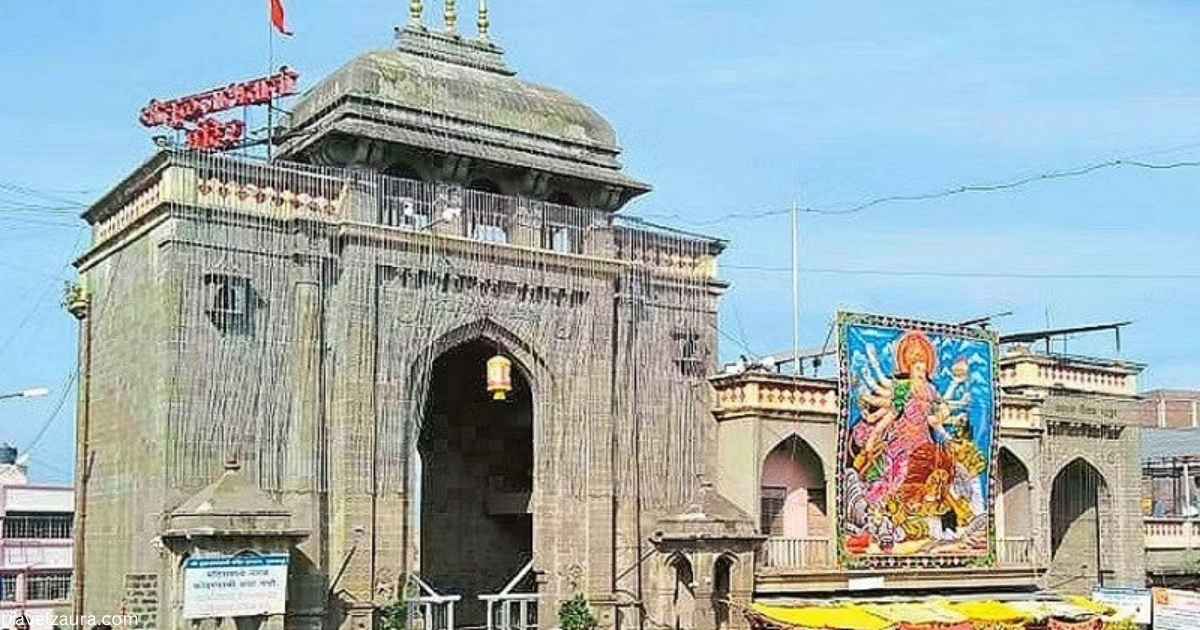
A booking confirmation should be saved on your phone and, where practical, carried as a printed copy. Screenshots are useful if mobile data fails, but they should show the full reference number, date, service and names. Keep the original payment message or receipt until you leave the temple area.
Online availability can disappear during busy periods because quotas are limited or because the administration temporarily changes its system. If the official portal shows no slots, do not assume that a social media agent can create a valid booking. Contact the Sansthan’s published office or counter instead.
Navratri is one of the most important periods for worshippers of Goddess Bhavani. The temple attracts large numbers of devotees from Maharashtra and from other parts of India, and some visitors travel internationally to visit Tuljapur. During this period, regular Tuljapur temple timings may be modified by special rituals, processions, security arrangements and crowd-management plans.
Festival schedules are not simply a longer version of the normal day. The temple may introduce controlled routes, barricaded queues, restricted vehicle access or separate arrangements for particular groups.
A ritual may also receive priority over ordinary darshan. If you plan to attend during Navratri, confirm the schedule close to your journey rather than relying on an old travel article.
Festival-day accommodation and transport can become difficult, particularly when many buses reach the town at similar times. A realistic itinerary should include time to find parking, walk to the temple, store footwear, pass security and wait in the queue. Keep valuables to a minimum and carry only what the published rules permit.
Other occasions can affect the timetable too. Tuesdays, Fridays, full-moon observances, local religious events and special days associated with the goddess may draw more worshippers than an ordinary weekday. The exact effect varies from year to year, so a calendar label alone cannot predict the queue.
The historical and cultural importance of Tulja Bhavani also explains why the temple can feel especially busy at certain times. The goddess is traditionally revered as a protective deity, and the shrine has a strong connection with Maratha history and the devotion associated with Chhatrapati Shivaji Maharaj.
Stories connected with the goddess, including the defeat of a demon in the wider devotional tradition, form part of the religious identity of the place. They are cultural and sacred narratives, not a substitute for the administrative timetable.
Dress respectfully for a Hindu shrine. Traditional Indian clothing is commonly chosen by many devotees, but the most important principle is clean, modest attire that allows you to move comfortably in a queue.
Avoid clothing or accessories that could create difficulty during security screening. Because local rules can be updated, check posted instructions at the entrance rather than assuming that a rule from another mandir applies here.
Photography and mobile-phone use may be restricted in the sanctum or in other designated areas. Do not photograph rituals, security points or fellow devotees without permission.
If staff ask you to switch off a phone or store it, follow the direction immediately. A temple visit is not the right setting for arguing over a camera rule.
Accessibility can vary between the approach road, temple entrance, queue and inner areas. A person who can manage a short walk may still find prolonged standing difficult. Contact the official temple office before travelling if wheelchair access, seating, medical support or an attendant arrangement is important for your group.
Tuljapur is in Maharashtra’s Dharashiv district, formerly known as Osmanabad district. It is commonly approached from Solapur, Pune and other cities in the state.
The nearest practical transport option depends on your route, and travellers may combine train, bus and road transport. Before choosing a return ticket, allow time for the distance from the parking or drop-off point to the temple entrance.
Visitors arriving by air often compare Pune Airport and airports serving the Solapur region, but the most convenient choice depends on flight availability, road conditions and onward transfers. Airport distance alone doesn’t tell you how long the final journey will take. Confirm the current road route and local transport options before you pay for a non-refundable connection.
| Planning choice | Best suited to | Timing consideration |
|---|---|---|
| Same-day road visit from Solapur | Travellers with an early start and a flexible return | Include traffic, parking and queue delays rather than calculating only driving time. |
| Visit from Pune | People combining Tuljapur with a wider Maharashtra itinerary | Overnight planning may be more comfortable than a rushed round trip. |
| Bus or group pilgrimage | Families and organised devotional groups | Confirm the bus drop-off point and allow the whole group to clear the queue. |
| Air travel followed by road transfer | International or long-distance visitors | Build a buffer for baggage, transfers, road delays and temple waiting time. |
Keep the main darshan as the fixed priority and place sightseeing around it. Tuljapur’s temple architecture, local markets and nearby places to visit can be explored after you have completed your religious purpose. If you are visiting more than one shrine, check each mandir’s schedule separately; opening times in the same region are not automatically identical.
For families, a hotel close to the town may offer more control over the morning than a distant day trip. For solo travellers, official transport counters and recognised accommodation desks are safer sources of local advice than unsolicited offers around the temple approach.
A useful real-world example is the way the Shri Tulja Bhavani Temple Sansthan functions as the primary authority for its own ritual and visitor information. The Sansthan’s official notices can distinguish between a normal darshan day, a special pooja arrangement and a festival schedule. That distinction matters because a general travel listing may show only a broad opening and closing range, while the shrine administration controls the actual entry process.
This is a common pattern across major Indian temples. The official institution—not a hotel listing, taxi driver or old social-media post—sets the operative rules for queues, paid services, identity checks and temporary closures. Maharashtra’s tourism information can be useful for understanding the site’s history and regional importance, but the temple trust remains the better source for same-day darshan instructions.
Use this example as a verification habit. If three websites give three different versions of Tuljapur temple timings, don’t average them. Check the newest notice from the Sansthan, ask the official counter when you arrive and retain enough time for the possibility that the published schedule has changed.
The temple is commonly described as opening in the early morning, but the exact public-entry time may differ from the time of the first ritual. Confirm the current opening and darshan arrangement with the Shri Tulja Bhavani Temple Sansthan before travelling.
Closing generally follows the final evening or night worship, but the time can change during festivals, special pooja and crowd-control operations. Treat any fixed closing time found on an old listing as provisional.
The temple generally receives visitors on weekends, but Saturday and Sunday can be busier than ordinary weekdays. A festival or special religious occasion may alter the regular schedule, so check the notice for your date.
Rush is more likely on weekends, public holidays, Navratri and important devotional occasions. Queue conditions can change within hours, especially around aarti and special rituals.
Do not assume that an online VIP darshan pass is permanently available. If the Sansthan officially offers a special darshan or priority facility, verify its name, fee, date, reporting point and terms through the authorised channel.
Booking requirements can vary by date and service. Ordinary darshan may follow a general queue, while special pooja services can require a separate receipt or registration. Ask the official counter if the current notice is unclear.
Follow the reporting time printed on the official receipt and arrive with enough time for security and verification. Reaching at the last minute is risky because a booking may have a separate reporting location from the general darshan queue.
Carry your booking receipt if applicable, a valid identity document when required, essential medicines and a small amount of permitted personal belongings. Avoid unnecessary valuables, large bags and items restricted by the temple’s current security instructions.
A successful visit to Tuljapur depends less on finding one perfect clock time and more on allowing room for rituals, queues and official changes. Check the current Tuljapur temple timings shortly before departure, confirm whether your pooja or darshan requires a receipt, and keep transport flexible after your temple visit. That approach is especially important during Navratri and other crowded periods.
The shrine’s spiritual meaning, history and architecture make it a significant place for devotees, but practical preparation helps you experience it with patience and respect. Before you set out to receive Tulja Bhavani’s blessings, ask one final question: has the temple administration issued a newer notice for the day you plan to visit?





