Physical Address
304 North Cardinal St.
Dorchester Center, MA 02124
Physical Address
304 North Cardinal St.
Dorchester Center, MA 02124

A kolhapur darshan pass can mean different things: a temple entry arrangement, a special darshan ticket, a paid pooja service, or a package sold by a local travel operator. For devotees visiting Shri Mahalakshmi Temple, also known as Ambabai Temple, that distinction matters because availability, reporting time, fees and queue access may change.
Before travelling, you’ll want to know which services are officially offered, when the temple is open, how rituals are scheduled and where a booking can be verified. This article explains the practical details without treating unconfirmed online listings as fixed temple policy.
The information is especially useful for families, senior citizens and visitors planning a short Kolhapur trip around a festival or weekend. Since timings and passes may change, use the official temple notice board or authorised counter as the final reference on the day of your visit.
“Kolhapur darshan pass” is a popular search phrase, but it doesn’t always refer to one standard product issued by the Shri Mahalakshmi Temple. In practice, visitors may use the phrase for a special darshan ticket, a paid queue arrangement, a receipt for a seva or pooja, or a broader Kolhapur sightseeing package that includes temple visits. These are different services, and confusing them can lead to incorrect expectations at the entrance.
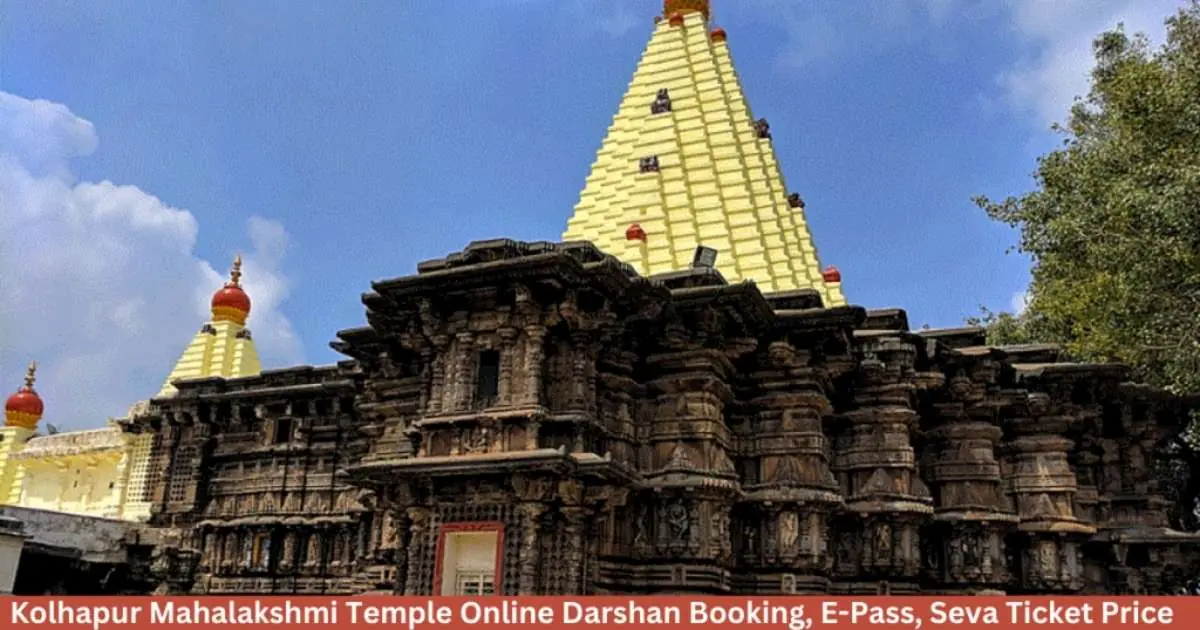
Shri Mahalakshmi Temple is dedicated to goddess Mahalakshmi, revered locally as Ambabai. It is one of Maharashtra’s important Shakti worship centres and attracts devotees throughout the year.
A normal darshan generally means viewing and offering prayers to the deity according to the temple’s queue and security arrangements. A seva or ritual booking, by contrast, may involve a specific pooja, abhishek, aarti or offering conducted at a prescribed time.
Some third-party operators may advertise a “VIP darshan pass” or “Mahalaxmi Temple Kolhapur VIP pass.” Such a listing does not automatically prove that the temple trust has authorised it. A genuine temple-issued receipt should normally identify the service, date, reporting instructions and issuing authority. If a seller only promises that you’ll “skip every line” without showing an official receipt or clear terms, treat the offer cautiously.
The practical question is not simply “What is the pass price?” Ask what the pass actually covers. Does it include one person or a family group? Is it valid for a particular time slot?
Does it permit participation in a ritual, or only entry to a queue? Are children included?
Is identification required? These details matter more than the label printed in an advertisement.
Temple opening hours and pooja timings are not always identical. A shrine can open for devotees while a particular ritual is taking place, or temporarily regulate entry during an aarti.
The main Mahalakshmi shrine may also follow a different rhythm on ordinary weekdays, weekends, religious occasions and festival days. That is why a generic timetable found on an old travel page shouldn’t be treated as a guaranteed schedule.
Daily worship traditionally includes early-morning rituals, darshan periods, offerings and aarti. The exact names, sequence and public access rules are controlled by the temple’s management.
Pooja abhishek services may require advance registration or may be accepted only at an authorised counter. The reporting time printed on a receipt is more reliable than a broad statement such as “the temple is open all day.”
| Visitor need | What can generally be checked | What must be confirmed locally |
|---|---|---|
| Ordinary darshan | Whether the shrine is open and whether a general queue is operating | Opening time, queue closure, crowd control and temporary restrictions |
| Aarti attendance | Whether the day’s aarti is listed on an official notice | Exact reporting time, seating or entry limits and photography rules |
| Pooja or abhishek | Whether the service is offered and whether booking is required | Fee, materials, number of devotees and ritual timing |
| Special darshan | Whether an authorised pass exists for that date | Price, entry gate, validity and whether it includes family members |
| Festival visit | Published notices about crowd arrangements | Changed hours, barricades, vehicle restrictions and pass distribution |
Because publicly circulated timings can become outdated, this article doesn’t invent fixed opening and closing hours or quote an unverified ticket price. Before leaving for the temple, check the latest official notice issued by the Shri Mahalakshmi Temple authorities or ask at the authorised temple counter. If you’re travelling by train or bus, keep a buffer rather than planning a tight connection immediately after darshan.
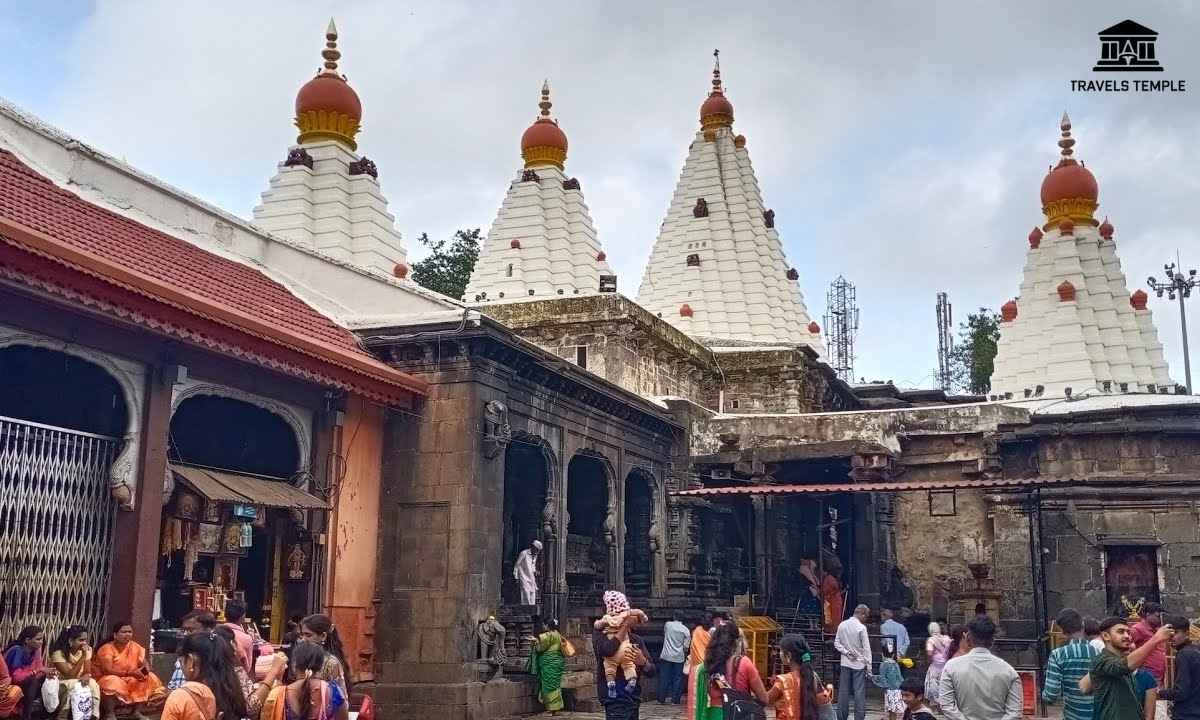
Special rituals, cleaning, security instructions, large religious gatherings and VIP or official visits can affect access. During Navratri, Kirnotsav, major Hindu festivals and important local celebrations, the number of devotees can rise sharply. The temple may introduce barricaded routes, controlled entry, separate queues or restrictions on offerings brought from outside.
Kirnotsav is particularly significant because sunlight is traditionally associated with illuminating the deity’s image during specific days of the year. The event draws attention well beyond routine worship, so ordinary darshan assumptions may not apply. Check notices before assuming that a normal pass, pooja slot or vehicle route remains valid.
Online booking can be convenient, but only when the booking page belongs to the temple, its officially identified trust or an authorised government-linked service. Search results and social media posts often use similar wording for unrelated tour products. A page that accepts payment is not necessarily an official temple booking system.
For many temple services, offline booking at an authorised counter remains important. The counter may issue a receipt, explain the reporting time and tell you whether the ritual is available on that day. This is particularly useful for visitors who need clarification about family participation, age limits, dress requirements or the difference between a pooja service and a special darshan queue.
Don’t rely on a screenshot alone. A screenshot can be edited, copied or separated from the terms that applied when it was issued.
Save the confirmation number, payment receipt and the name of the booking channel. If a website asks for unnecessary personal details, directs you to an unrelated payment account or refuses to identify the temple authority, stop before making a payment.
For official background on Kolhapur as a pilgrimage and tourism destination, readers can consult the Maharashtra Tourism information on Kolhapur. That type of government tourism information is useful for destination context, but it should not be assumed to provide live temple ticket inventory or same-day darshan confirmation.

Visitors use the phrase “booking timings” in two ways. It can mean the hours during which a counter accepts applications, or the time at which a booked devotee must report for a ritual.
These are not interchangeable. A counter may accept bookings during a limited window, while the actual abhishek or pooja takes place later.
Ask for the reporting time in writing, especially if the booking is made for an early-morning ritual. Arriving at the temple at the ritual’s start time may be too late if identity checks and queue formation happen beforehand. Keep the receipt accessible rather than packed inside luggage or stored only on a phone with low battery.
A short verification routine can prevent most problems connected with a Kolhapur darshan pass. The goal is to confirm three things: whether the service exists, whether it is available on your date and whether the person selling it is authorised. Do this before arranging transport around a promised time slot.
If the booking source cannot answer basic questions, use the ordinary darshan route instead of taking a financial risk. A genuine temple service should have a recognisable name, a stated procedure and a way to resolve a problem. You shouldn’t have to depend on vague assurances from a broker standing outside the temple.
Devotees visit the Mahalakshmi shrine for different reasons. Some want a quiet darshan, while others wish to perform or sponsor a ritual for a birthday, wedding anniversary, family milestone or religious observance.
Pooja services may involve priests, temple materials and a prescribed sequence of worship. The person booking the service should understand whether they are personally participating or whether temple staff are performing the ritual on their behalf.
Abhishek generally refers to the ritual bathing or anointing of a deity with permitted substances. The exact materials, quantity and method depend on temple practice.
Don’t assume that every item sold by a nearby shop is allowed inside the sanctum. Follow the instructions given by the authorised temple staff.
Aarti access can be more restricted than ordinary darshan because the space may be limited and movement must be controlled during the ritual. If you’re carrying a child, arrange your belongings before joining the queue. Keep phones silent and obey staff instructions, even if another visitor appears to be receiving different treatment.
The word “VIP” also requires care. Some temples offer a defined paid or priority service, while others use different categories for donors, officials or ritual participants. Unless the temple has publicly identified a service as a special or priority darshan option, don’t assume that a private operator’s “VIP pass” guarantees entry.
There is no single waiting time for Kolhapur darshan. On a quiet weekday, the experience may be relatively quick; during a weekend, festival or special observance, the queue can become substantially longer. Crowd movement also depends on security checks, ritual pauses, barricade layouts and the number of visitors arriving at the same time.
Travel plans should allow room for uncertainty. If your train departs at a fixed hour, avoid booking a temple ritual so close to departure that even a modest delay would create a problem.
Families often need extra time for footwear storage, water breaks, children and older relatives. A calm schedule is more useful than a promise of instant entry.
| Visit type | Planning approach | Main uncertainty |
|---|---|---|
| Weekday general darshan | Arrive with flexible time and check the active queue | Temporary ritual or security restrictions |
| Weekend visit | Reach earlier than your preferred worship time | Higher footfall and longer queue movement |
| Booked pooja | Report before the time printed on the receipt | Participation limits and ritual changes |
| Festival or Kirnotsav period | Confirm route, entry rules and pass arrangements in advance | Large crowds, barricades and revised access |
| Family trip with seniors | Ask about accessible routes and seating before joining the queue | Uneven walking routes or limited rest areas |
Watch for unofficial claims such as “five-minute darshan guaranteed.” Crowd conditions can change after the claim was posted, and no outside seller can necessarily control temple entry. Use a pass, when officially available, as an administrative convenience rather than a guarantee that every delay will disappear.
Temple rules can be updated by local authorities or the temple management, so check the latest instructions at the entrance. Modest, comfortable clothing is a sensible choice for worship. Avoid arriving with large bags, prohibited objects or unnecessary valuables, since security and storage arrangements may be limited.
Identification may be requested for a booked seva or special entry, especially when a receipt is issued in one person’s name. Carry the same identity document used during booking if the system required one. For a family, confirm whether the primary booker can bring all listed members or whether each person needs a separate entry record.
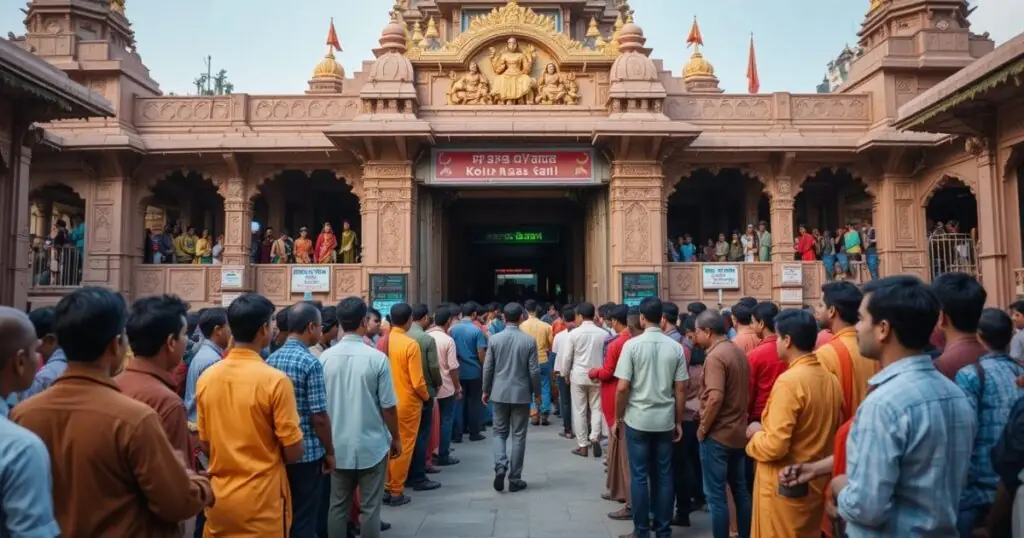
Photography rules deserve special attention. Even if photography is allowed in a courtyard or outer area, that doesn’t mean it is allowed inside the sanctum.
Live-streaming a ritual can disturb worship and may violate temple instructions. Put the phone away when staff request it.
Accessibility information may not always be presented clearly online. Contact the temple or ask at the entrance about step-free access, wheelchair movement, seating and the possibility of a companion joining an elderly or disabled devotee. Don’t assume that a special pass automatically provides an accessible route; those are separate arrangements.
A useful real-world example comes from the Shri Saibaba Sansthan Trust, Shirdi, which publishes separate information for darshan, accommodation and related services through its official institutional channels. The important lesson is not that Shirdi’s arrangements are identical to Kolhapur’s.
They aren’t. The example shows why pilgrims should distinguish between a temple trust’s own service categories and packages promoted by private operators.
In an official booking system, a devotee can normally identify the service being selected, the date or slot where applicable and the terms attached to it. That structure is different from a loosely worded local advertisement promising priority access. The same verification principle applies to Shri Mahalakshmi Temple: identify the issuing authority, read the service description and keep the official receipt.
This example also demonstrates why visitors shouldn’t transfer rules from one shrine to another. A booking process, fee, reporting time or ID rule used by Shirdi may not apply in Kolhapur. Treat every temple’s official notice as its own source of truth, particularly for pooja booking and special darshan.
A priority or special darshan facility may be available at particular times, but availability and terminology can change. Confirm it directly through the temple’s authorised communication or counter. Don’t assume that every online “VIP pass” is temple-issued.
There is no single price because a package may mean a temple seva, a special entry ticket or a private sightseeing plan. Ask for an itemised amount showing the official temple charge and any separate operator fee. Confirm the current amount before payment.
Online availability depends on the current system used by the temple or its authorised body. Use only a clearly identified official channel, and verify whether the booking is for darshan, pooja or a travel package. If online information is unclear, ask at the authorised offline counter.
The duration depends on crowd levels, security, ritual activity and the route operating that day. Ordinary darshan may be faster on a quiet day, while weekends and festivals can require considerably more time. Plan with a buffer instead of relying on a fixed duration.
That depends on the temple’s ritual calendar, priest availability and daily arrangements. Some services may have limited capacity or require advance booking. Confirm the date, reporting time and participation rules before travelling.
Only if the terms specifically include the family members. Some receipts cover a named service or a limited number of devotees, while others may be issued per person. Check the booking details rather than assuming that one payment covers everyone.
A reliable kolhapur darshan pass is less about finding the cheapest promise online and more about matching the correct service to your visit. Confirm the shrine, timing, reporting point, authorised issuer and current rules before paying. If no official special facility is available, ordinary darshan remains the straightforward option.
Keep your schedule flexible, especially around festivals and major rituals, and recheck the latest notice shortly before departure. Temple arrangements can evolve with crowd conditions, so the most useful final step is simple: verify the information at the authorised source on the day you worship, then arrive with enough time to pray without rushing.





