Physical Address
304 North Cardinal St.
Dorchester Center, MA 02124
Physical Address
304 North Cardinal St.
Dorchester Center, MA 02124

Babulnath Temple timings matter because a small change in Darshan access, Aarti, or Pooja arrangements can affect your entire visit. The Babulnath Mandir in Mumbai is a sacred place dedicated to Lord Shiva, and devotees often plan their journey around prayers, Mondays, Shravan, Mahashivratri, and other important occasions.
Before leaving home, you’ll want to know which timings are regular, which may change, and whether a booking is actually required. This article explains how to check the latest schedule, reach the temple, prepare for queues, and avoid common mistakes without relying on unverified timing lists.
There isn’t just one timing to remember at Babulnath Temple. A temple schedule may include opening hours, Darshan availability, Pooja slots, Aarti timings, closing or temporary access periods, and special arrangements for festivals.
These categories don’t always follow the same pattern. The time at which the temple opens to devotees may differ from the time assigned for a specific ritual, while a festival day can bring crowd-control measures that affect ordinary Darshan.
For that reason, treat any timing displayed on an old travel page, social media post, map listing, or forwarded message as a starting point rather than final confirmation. Temple schedules can change because of religious observances, maintenance, security instructions, VIP movement, weather, crowd levels, or decisions by the temple administration. The most reliable information normally comes from the official temple website, verified temple administration channels, or a current notice issued at the premises.
Babulnath Temple is located in South Mumbai, Maharashtra, near Girgaum Chowpatty and Malabar Hill. Its location makes it accessible from several parts of the city, but traffic and pedestrian movement can vary sharply by day. A morning that feels manageable on an ordinary weekday may be much slower on a Monday, a public holiday, or a festival connected with Lord Shiva.
| Timing category | What it usually means | What you should verify |
|---|---|---|
| Temple opening hours | The period when devotees may enter for ordinary Darshan | Opening and closing times for your visit date |
| Darshan timing | The period during which visitors can see the deity or Shiva linga | Whether general Darshan is continuous or temporarily restricted |
| Pooja booking | A reserved or arranged ritual service, if offered | Availability, reporting time, documents, and payment rules |
| Aarti timing | A scheduled devotional ceremony involving lamps and prayers | Entry procedure, seating or queue rules, and crowd limits |
| Festival schedule | Special arrangements for occasions such as Shravan or Mahashivratri | Extended hours, restricted entry, token systems, and security rules |
If you’re travelling from outside Mumbai, leave a buffer instead of planning to arrive at the exact minute shown online. The published time may describe the beginning of a service, not the point at which you’ll complete entry, security checks, footwear arrangements, and the queue.
Darshan means viewing or receiving the presence of the deity in a devotional setting. At Babulnath Temple, your Darshan experience may involve entering a queue, following directions from volunteers or security personnel, and moving through the worship area without stopping for a long period. The exact arrangement can change during crowded periods, so a normal visit shouldn’t be compared too closely with a festival visit.
Pooja is a ritual offering or act of worship. Depending on the service, it may be performed by temple priests, by devotees under guidance, or on behalf of a family.
A person asking about “Pooja timings” may actually mean one of several things: the time to attend a scheduled ritual, the time to submit a request, the time to report for a booked service, or the period when offerings are accepted. Ask the administration to clarify which of these applies.
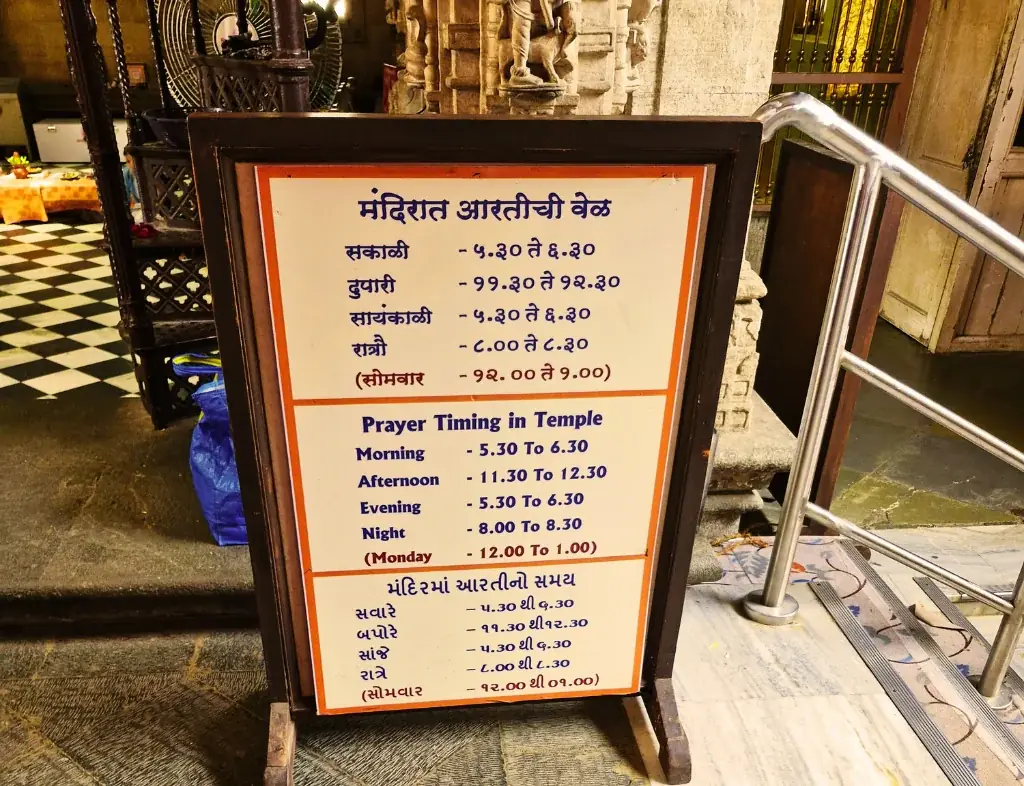
Aarti is a devotional ceremony in which a lamp or flame is offered as part of worship. It normally has a fixed ritual sequence, but the public entry process around it may be different from ordinary Darshan. Some visitors arrive early expecting to walk in immediately, only to find that access is controlled before the ceremony begins.
If attending Aarti is important to you, verify three separate points: the announced ceremony time, the reporting time for devotees, and whether general visitors can enter during that period. These are not necessarily identical. On a busy day, the administration may pause or redirect ordinary movement to maintain order around the ritual.
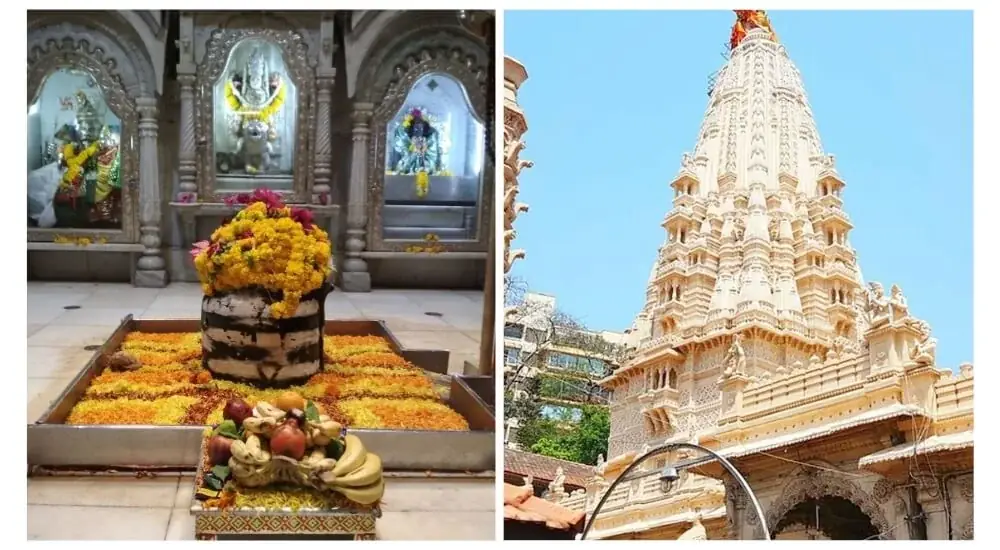
Babulnath Temple is associated with Lord Shiva and worship of the Shiva linga, also commonly written as Shivling. Devotees may wish to offer flowers, water, bilva leaves, or other permitted items, but you shouldn’t assume every offering is allowed at every time. Some temples regulate direct offerings, hand over offerings through priests, or restrict particular materials during crowded periods.
Follow the instructions displayed at the temple rather than relying on general customs from another Mandir. If you have a specific religious question, ask a temple representative respectfully before joining the line. This is especially useful for elderly visitors, families bringing children, and devotees arranging a Pooja for a special occasion.
Regular timings are often easiest to follow on ordinary weekdays, but even then, you should verify the date. Mondays are traditionally significant for many Shiva devotees, and Babulnath Temple may receive more visitors on that day than on a typical midweek afternoon. A larger crowd can affect the practical time needed for entry even if the official opening hours remain unchanged.
Sunday timings are another frequent search query because many families plan temple visits around their weekly holiday. Sunday may be convenient, but convenience also brings demand.
Public holidays, school breaks, and long weekends can produce similar conditions. Don’t confuse a temple being open with a short waiting time; both details matter when planning your journey.
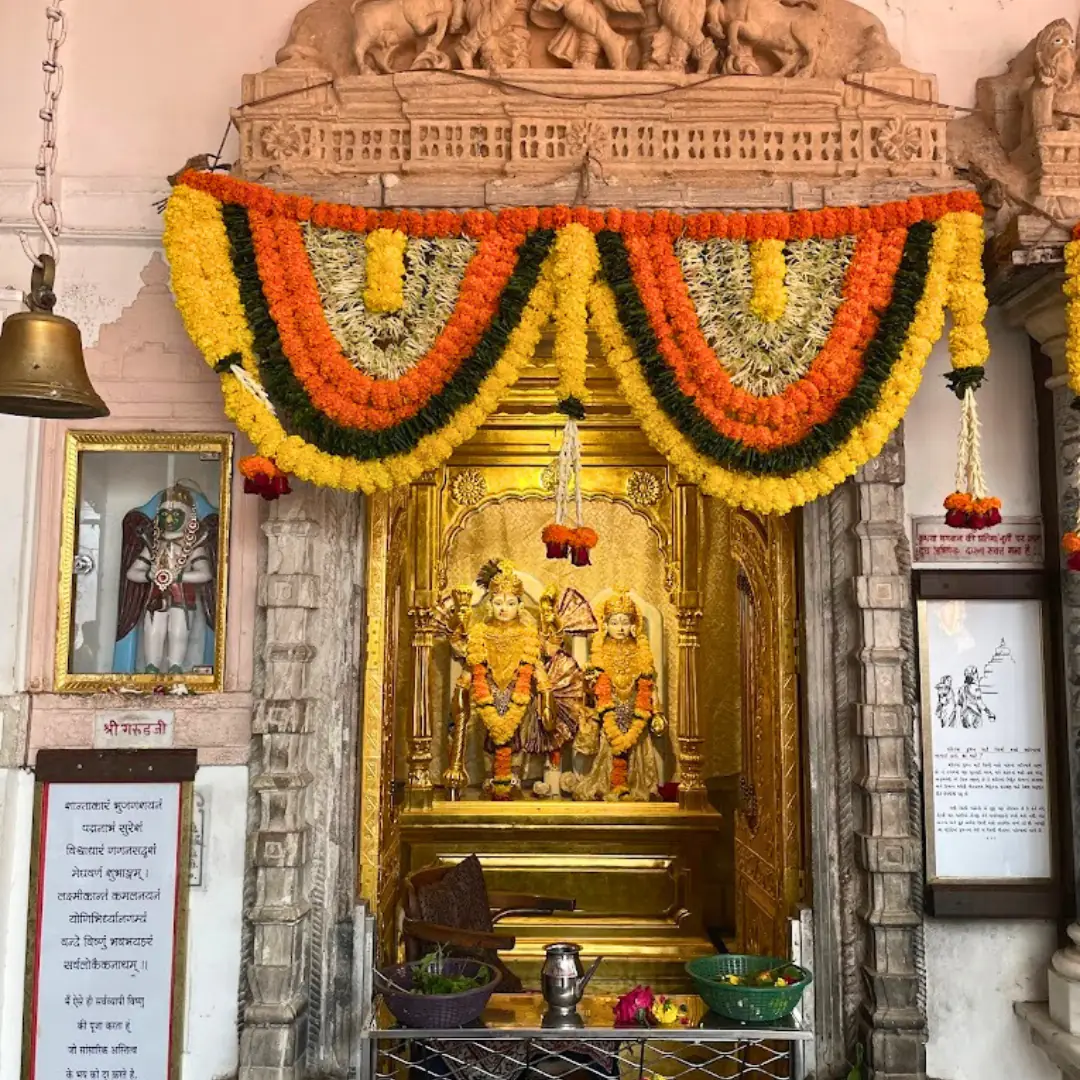
If you’re visiting on Monday, consider arriving earlier than you would on a quieter weekday and checking the latest notice before travelling. The queue may begin outside the principal entry area, and traffic near South Mumbai can slow your arrival. Carry only what you need, since large bags can make security and storage more difficult.
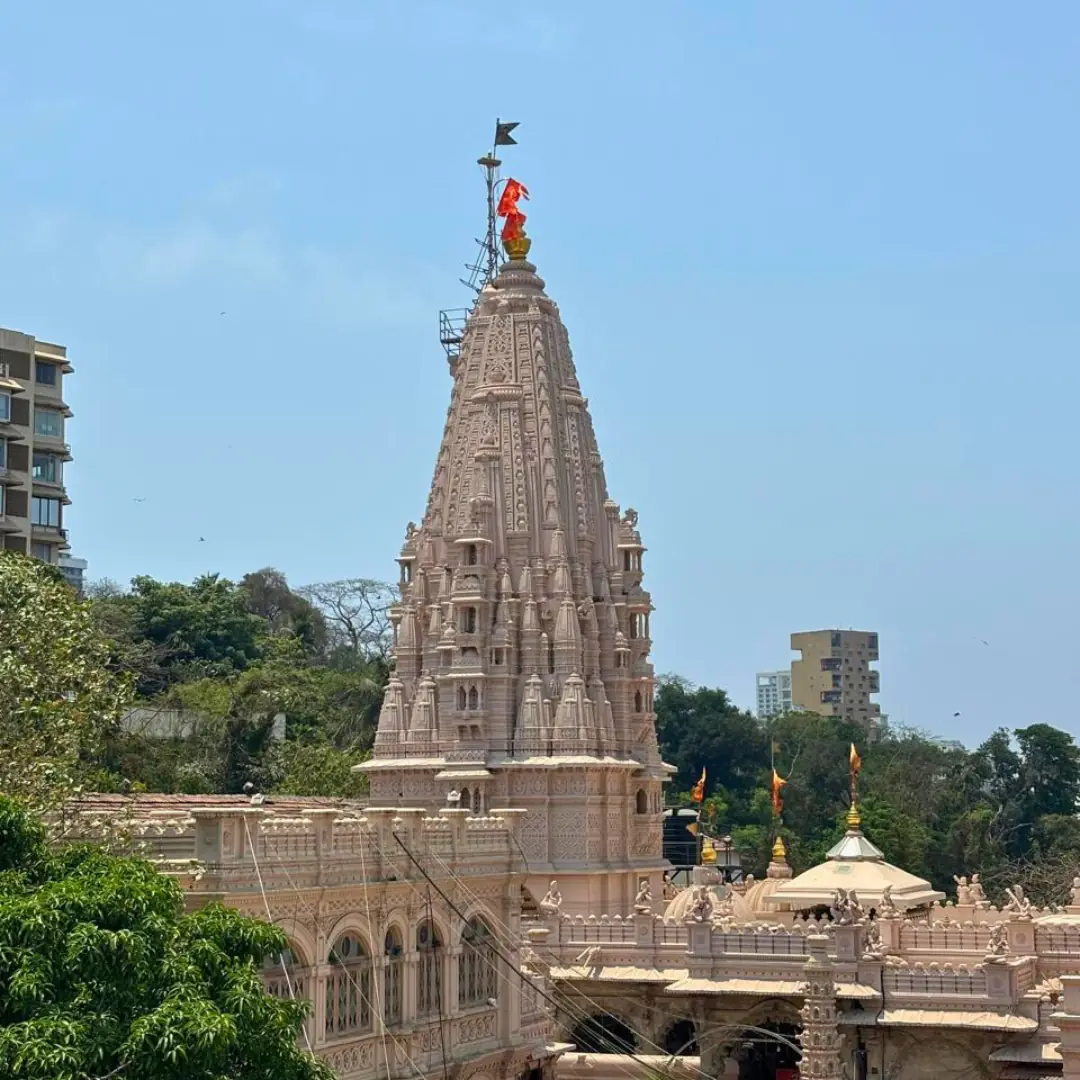
People often search specifically for Babulnath Temple afternoon timings because afternoon visits can fit around work, school, or travel plans. The important question is whether the temple remains open for uninterrupted Darshan during the afternoon or whether a ritual, cleaning period, or administrative pause affects access. Don’t infer the answer from a general “open all day” listing.
An afternoon visit may also feel different from an early morning visit because of heat, road traffic, and the number of group tours moving through the area. If you’re travelling with older family members, check the walking route and available assistance before selecting this period.
Shravan is an important period for many Shiva devotees, and temples commonly experience increased attendance during this month. Mahashivratri can be even more demanding because worshippers may arrive across extended periods, sometimes including late-night or overnight observances. The schedule, access route, queue system, and security arrangements on these occasions shouldn’t be assumed from ordinary Babulnath Temple timings.
Peak-day planning begins with accepting that the visit may take much longer than the Darshan itself. You may spend time reaching the area, locating the correct entrance, joining a controlled queue, passing security, arranging footwear, and waiting for movement inside the temple. If the temple introduces tokens or barricaded lanes, a visitor without current information may lose time in the wrong line.
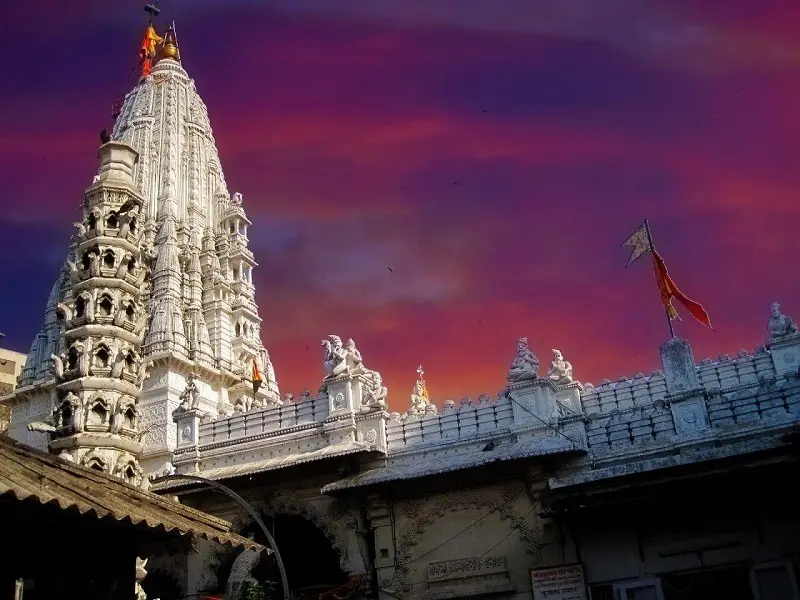
Festival rules may be announced only shortly before the occasion. Check the official source again on the day before travel, and if possible, confirm at the temple’s verified contact channel on the morning of your visit. A forwarded festival poster can be genuine but outdated, especially if it was created for a previous year.
Illustrative example, not a report of a specific current schedule: imagine a family planning a Monday visit during Shravan. They find a regular Darshan time on an old listing and arrive just before that period begins.
At the entrance, they learn that the temple is using a separate queue and that Pooja requests close earlier than general entry. The family can still have Darshan, but their plan for a booked ritual fails because they checked only one timing.
This example reflects a planning risk, not a claim about a particular festival year. The lesson is simple: confirm Darshan, Pooja, Aarti, and entry rules separately. For broader cultural context about Mumbai’s major places of worship and visitor attractions, you can consult the official Incredible India information on Mumbai, while using the temple administration for current operational details.
A reliable timing check should be date-specific. Search for the temple’s official online presence first, then compare the information with a verified notice or contact channel if the visit falls on a Monday, public holiday, Shravan day, or festival. A map application can help you identify the location, but it shouldn’t be treated as the final authority for ritual timings.
Look carefully at the wording used by the source. “Temple open” may refer to the premises being accessible, while “Darshan” may refer to the period when devotees can approach the deity. “Pooja booking” might mean online registration, a request form, or an in-person arrangement. If a page gives only one broad opening period and no date of update, use it cautiously.
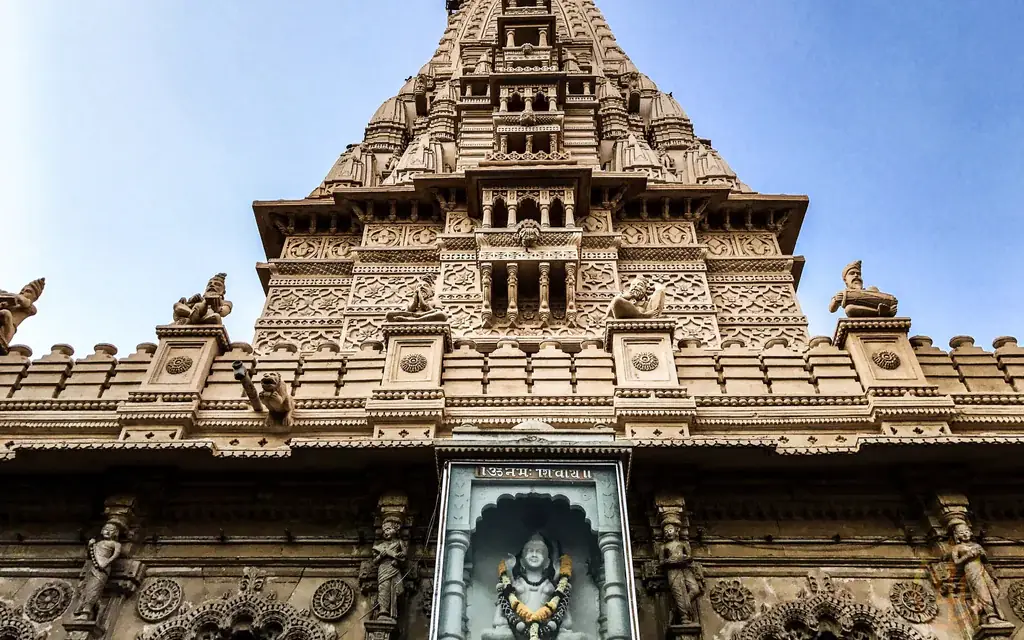
If two sources disagree, don’t average the timings or choose the more convenient one. Give priority to the latest message from the temple administration and ask for clarification through a verified contact method. This habit prevents one of the most common temple-visit problems: arriving with information that was accurate for a different day.
Not every temple visit requires online booking. General Darshan may be available without advance registration, while selected Pooja services, donations, ceremonies, or special access arrangements may use a booking process. The availability of online ticket reservations can also change by season, event, or administrative decision.
Before paying for anything, identify exactly what you’re booking. A Darshan reservation may provide an entry slot but not a priest-led Pooja.
A Pooja booking may require you to report before the ritual begins and may not guarantee immediate entry if a separate security queue applies. Read the description, inclusions, cancellation terms, and reporting instructions carefully.
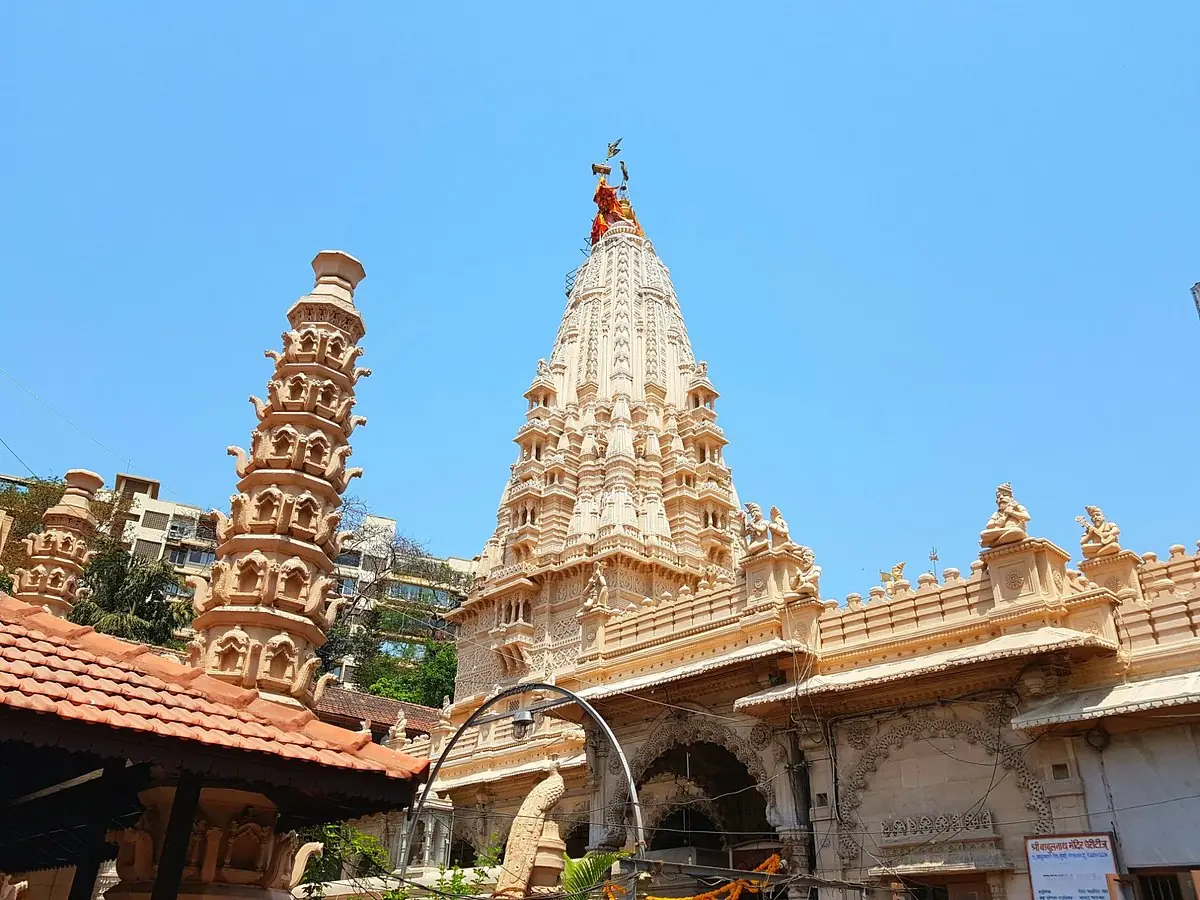
An official portal may ask for the devotee’s name, mobile number, email address, preferred date, service type, and number of participants. Some services may ask for identity details or additional information, but you shouldn’t submit sensitive documents on an unverified website. Check that the web address, payment page, and confirmation message belong to the temple or its authorised booking partner.
Keep the booking reference available on your phone and, where practical, carry a printed copy. Don’t depend entirely on mobile data inside a crowded area. If the booking is for several family members, check whether all names need to be entered and whether children are counted separately.
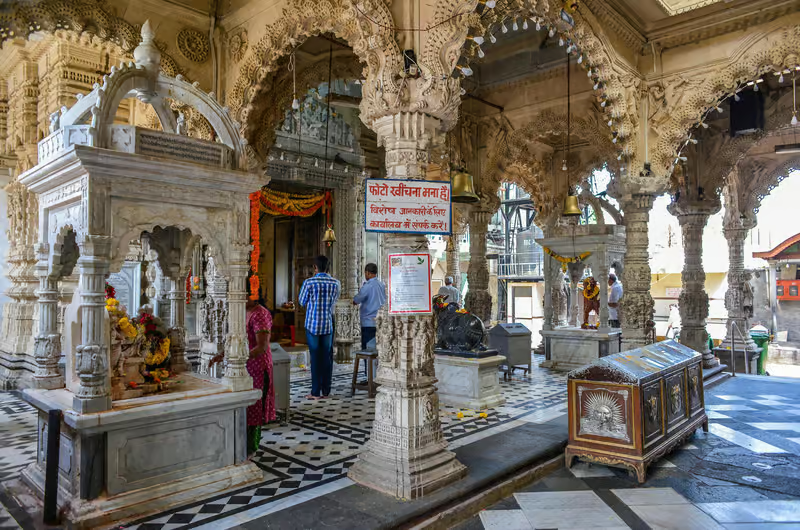
Be cautious if a page promises guaranteed immediate Darshan, asks for payment through a personal account, uses a spelling variation of the temple name, or provides no official contact details. A genuine-looking logo isn’t proof of authorisation. Never share an OTP, card PIN, or banking password with a person claiming to arrange temple access.
If you’ve paid through an official route but haven’t received confirmation, contact the named support channel before making a second payment. Save transaction information, the date and time of payment, and any message received. These details help the administration investigate a failed or duplicated transaction.
Visitors should choose clean, respectful clothing suitable for a sacred place of worship. The exact dress code at Babulnath Mandir should be confirmed through current temple instructions, especially if you’re attending a special Pooja. Avoid assuming that a rule from another Shiva temple automatically applies here.
Footwear is generally handled before entry in a designated area, but the current arrangement may depend on crowd management. Carrying expensive footwear, large luggage, or unnecessary valuables can make the visit stressful. Keep essential medication and a small amount of cash or a secure payment option with you, while following instructions about phones and photography.
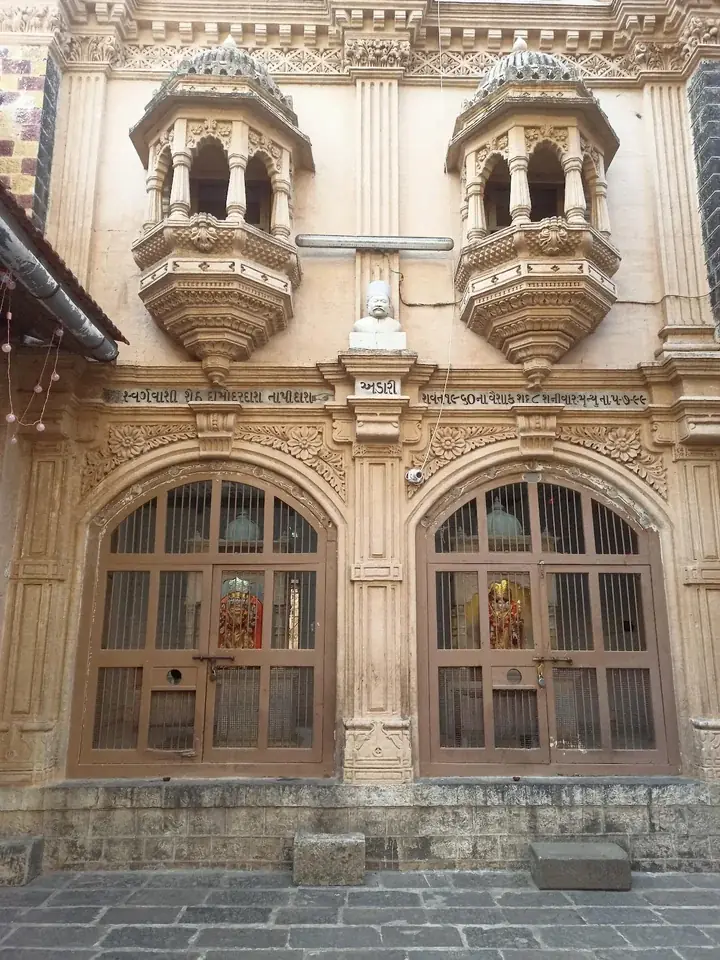
The temple’s approach includes steps, and the route may be tiring for some visitors. References to a temple elevator or elevator facility should be checked directly with the administration before arrival; availability, operating hours, and eligibility can change. Don’t promise an elevator to an elderly relative or a wheelchair user without confirming that it’s functioning and accessible on the intended date.
Families travelling with infants should plan for pauses, shade, water, and a manageable queue position. If someone in your group has a mobility concern, ask about the accessible route before joining the main line. Temple volunteers may provide directions, but assistance can be limited during a major festival.
Photography and video rules deserve attention too. Even if photography is permitted in parts of the surrounding architecture, it may be restricted near the idols or sanctum. Follow signs and instructions from temple staff rather than arguing from what another visitor is doing.
Babulnath Temple is in the Girgaum and Malabar Hill area of Mumbai, close to well-known South Mumbai landmarks. Its central location makes it reachable by local transport, taxi, bus, and private vehicle, but the best route depends on the time of day and current road conditions. The nearest railway station, walking distance, and parking situation should be confirmed using a current map and local traffic information before you leave.
Public transport can be practical for visitors who don’t want to deal with limited parking. If you’re coming by train, plan the final leg separately; the station-to-temple route may involve road crossings, crowded pavements, and an uphill or stepped approach. A taxi can reduce walking, but it may not be able to stop directly at the entrance during busy periods.
Private vehicles need extra planning. Don’t assume that a nearby parking space belongs to the temple or is available to visitors.
On festival days, roads can be diverted or access can be restricted. Leave early, keep the driver’s meeting point clear, and avoid blocking residential or emergency access routes.
Arrive with enough time for the journey and the expected queue, not just the advertised Darshan period. For a booked Pooja, follow the reporting time printed on the confirmation even if general Darshan appears to start later. For ordinary worship, a quieter non-festival period may be more comfortable, but only the administration can confirm current crowd conditions.
Checking whether there is a rush at Babulnath Temple today is difficult through a static timetable. Online map traffic may show road congestion but not the length of the temple queue. A current notice, verified temple update, or direct local confirmation is more useful than relying on a generic “busy hours” label.
The most avoidable error is treating a search-result snippet as a confirmed schedule. Snippets can combine old information, omit a temporary closure, or display a broad opening time without explaining Darshan restrictions. Always open the source and look for the date, service description, and issuing authority.
Another mistake is arriving just before Aarti and expecting ordinary entry to work normally. Ritual movement and crowd control may change access. If Aarti is your priority, plan around the reporting instructions; if ordinary Darshan is your priority, consider visiting outside the busiest ritual window after checking the official schedule.
A little flexibility helps. If the queue is longer than expected, your group may need to divide responsibilities: one person can confirm the correct entrance, another can manage footwear or booking documents, and someone else can stay with children or elderly family members. Keep the arrangement respectful and follow temple staff directions.
The current Darshan schedule should be confirmed through the official temple administration because opening hours and access arrangements can change. Check the date-specific notice rather than relying on an old online listing.
Visitors commonly plan Monday worship, but being open doesn’t mean the queue or ritual schedule will match an ordinary weekday. Verify Monday Darshan, Aarti, and any crowd-control instructions before travelling.
They may be different in practice because attendance, security, queues, and Pooja arrangements can change during Shravan. Confirm the festival-period schedule directly with the temple rather than assuming regular timings continue.
Online Pooja booking may be available for selected services, but it shouldn’t be assumed. Use only the official booking portal or an authorised channel, and check whether the confirmation includes a reporting time and entry instructions.
Wear clean, modest clothing appropriate for a place of worship and check the temple’s current entry instructions. Rules can be stricter or more specific during special events.
General Darshan may be possible without an advance reservation, while a particular Pooja or special service may require booking. Confirm the difference before leaving, especially if your purpose is ritual participation rather than a brief visit.
The temple is located in South Mumbai, Maharashtra, in the Girgaum and Malabar Hill area near Girgaum Chowpatty. Use current navigation information for the best entrance and transport route on your chosen day.
Accurate Babulnath Temple timings are less about memorising one fixed schedule and more about matching the right timing category to your purpose. Check general Darshan, Pooja reporting time, Aarti access, festival rules, and travel conditions separately. If your visit is important, verify the latest notice shortly before departure and keep your plans flexible enough for queues.
Babulnath Temple remains a meaningful place for devotees visiting Mumbai to worship Lord Shiva and experience its sacred architecture and long religious history. Before you set out, confirm the current schedule through the temple’s official channel, prepare respectfully, and ask the administration about any detail that could affect your Darshan.





