Physical Address
304 North Cardinal St.
Dorchester Center, MA 02124
Physical Address
304 North Cardinal St.
Dorchester Center, MA 02124
Accurate draksharamam temple timings matter because a visit to Sri Bhimeswara Swamy Temple often involves more than reaching the entrance. Darshan hours, Pooja schedules, special Seva arrangements, festival queues, and booking rules may follow different calendars, and a small change can affect your entire travel plan from Kakinada, Rajahmundry, or another part of Andhra Pradesh. Before you leave, it’s important to know which timings are fixed, which can change, and where the latest information should come from.
This article explains how to plan Darshan at Draksharamam, how Pooja and Aarti schedules usually work, what to check before booking, and how to manage busy days. You’ll also find practical travel advice, a timing comparison table, an illustrative booking example, and answers to common questions about this important Shiva temple.
Draksharamam temple timings are not always a single opening-and-closing figure. A temple may open for general devotees at one time, conduct an important Pooja soon afterwards, pause or restrict entry during a ritual, and then resume ordinary Darshan. Paid Seva timings, Archana availability, special entry arrangements, and free Darshan queues may also follow separate procedures.
That distinction is especially important at Sri Bhimeswara Swamy Temple, commonly called Draksharamam Bhimeswara or Bhimeswara Swamy Temple. The shrine is associated with Lord Shiva and is widely recognised as one of the Pancharama Kshetras in Andhra Pradesh. Religious importance, local travel demand, and festival observances can all affect the number of devotees arriving at the same time.
A schedule shown on an old travel page may not reflect the present arrangement. Temple administrations can revise entry windows for renovation work, crowd control, festivals, VIP movement, or special religious observances.
Even the Sunday or Saturday schedule you find in a search result may be an earlier version. Treat online information as a starting point, not as final confirmation, unless it comes from a current official notice or verified temple administration channel.
There’s another practical reason to check carefully: “temple opening hours” and “Darshan timings” don’t necessarily mean identical things. The complex may be accessible while a particular sanctum entry, Seva counter, or ritual service is temporarily unavailable.
If your aim is simply to pray, you need one type of information. If you’ve arranged a specific Pooja, you need another.
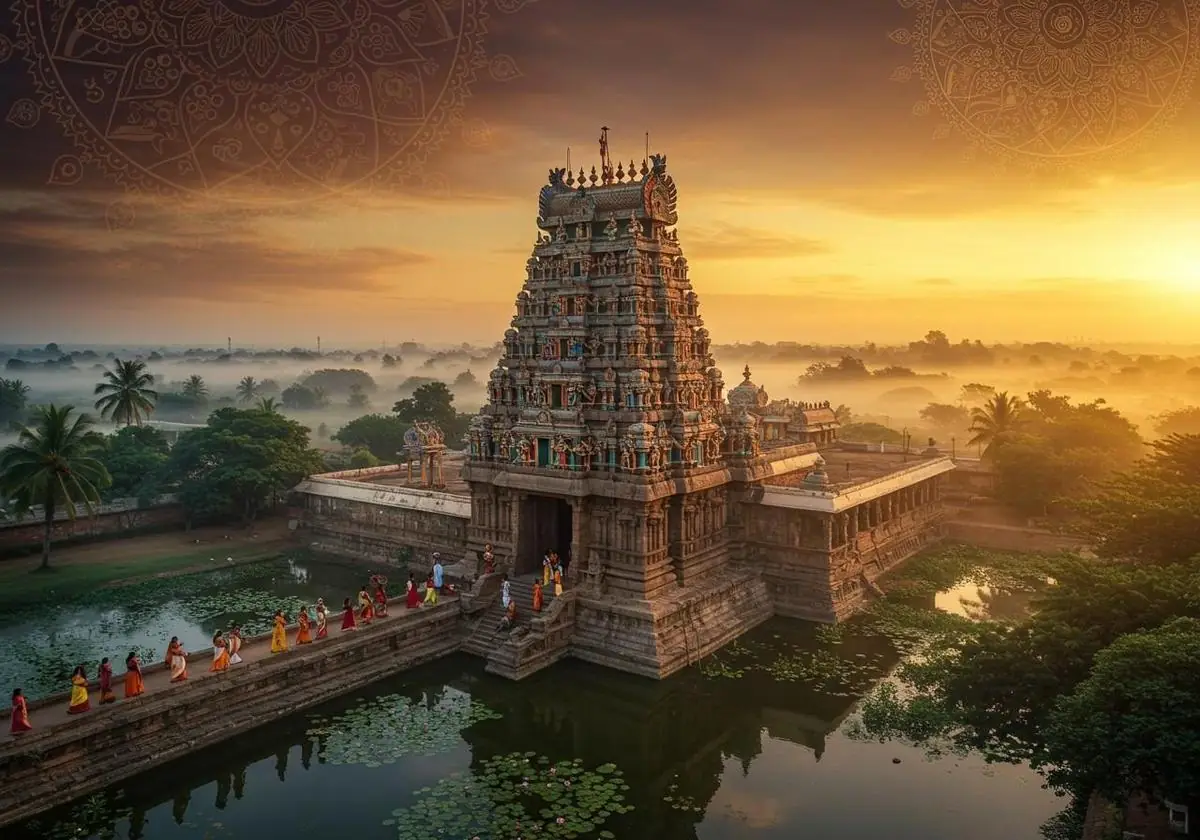
These checks take only a few minutes, but they can prevent a long wait or a missed ritual. The safest approach is to compare the latest official information with a direct confirmation from the temple office when the visit is important.
Visitors usually search for one timing, but temple activity is divided into several categories. General Darshan refers to the opportunity for devotees to enter the designated worship area and have the sacred sight of the deity.
Pooja means a scheduled worship service, while Aarti is a ritual offering of light. A Seva can include a specific devotional service performed according to the temple’s rules and availability.
The daily rhythm may begin with opening rituals before ordinary visitors are admitted. Later, devotees may be allowed to enter through the general queue.
During an important ritual, the temple may limit movement, redirect visitors, or temporarily pause a particular form of Darshan. After the ceremony, access can resume, sometimes with a fresh queue.
| Timing category | What it generally means | What you should verify |
|---|---|---|
| Temple opening hours | The period during which the temple complex or public entry area is open | Opening and closing time for your exact date |
| General Darshan | Ordinary devotee entry without a special Seva reservation | Queue entry point, last admission, and temporary pauses |
| Pooja or Aarti | Scheduled worship performed at particular parts of the day | Whether visitors may watch, participate, or need a ticket |
| Special Seva | A named devotional service with its own registration or reporting process | Availability, booking cut-off, fee, and reporting time |
| Prasadam or food counter | Distribution or sale of offerings and temple food | Separate service hours and stock availability |
The table is a planning framework, not a substitute for the current schedule. Exact times should be confirmed through official temple communications because the administration may adjust them. If you’re travelling with older family members or children, allow time for walking, footwear arrangements, security checks, and the queue itself rather than arriving exactly at the listed opening time.
A devotee with a Darshan ticket may still need to report before a specified time. A visitor hoping to attend an Aarti may find that the ritual area has limited capacity. In both cases, the existence of a booking option doesn’t guarantee unrestricted access throughout the day.
Ask one clear question when contacting the temple: “For this date, what time should a general Darshan visitor report, and what time should a Seva ticket holder report?” That wording helps distinguish the public entry schedule from the service schedule.
Many travellers specifically search for Draksharamam Temple Timings on Sunday or Saturday. A weekend can bring more families, local pilgrims, and tour groups, even if the published schedule remains the same. The practical difference may be the queue length rather than the formal opening hour.
Weekdays often provide more flexibility for visitors who want a quieter experience, but you shouldn’t assume every weekday has identical access. A major regional festival, a temple anniversary, a special Shiva observance, or a government-declared holiday can change the normal flow. Likewise, maintenance or an internal religious programme may affect entry on a date that appears ordinary to an outside visitor.
Festivals connected with Lord Shiva can create a very different atmosphere. Devotees may arrive before dawn, roads near the temple may become crowded, and local authorities or temple officials may introduce barricades and separate queues.
Special Darshan tickets, if offered, may sell out or operate under different reporting instructions. In such circumstances, an old “daily timings” graphic is not enough.
Do not plan a train, bus, or return journey with no time cushion on a peak day. Darshan duration depends on crowd movement, security arrangements, ritual pauses, and queue management. A visit can be peaceful and well organised while still taking longer than a normal weekday stop.
The most reliable source is the temple administration or the relevant official Hindu religious and charitable endowments authority. Start with the temple’s official website, official booking portal, verified notice, or a phone number published by the administration itself. Search results, social media posts, map listings, and travel videos can be useful for orientation, but they may display outdated phone numbers or schedules.
For official Andhra Pradesh temple information, you can begin with the Andhra Pradesh Endowments Department temple portal and then check whether Draksharamam is listed with current notices or service information. Use the details shown there to identify the correct administration channel. If a page doesn’t show a date or update period, contact the temple office before relying on it for a time-sensitive journey.
Calling is particularly sensible when you need information about a named Pooja, family ritual, accommodation, prasadam, or a festival day. Keep your question specific and note the date you were given. If the person answering directs you to a counter or portal, ask whether the instruction applies to general Darshan or only to a booked Seva.
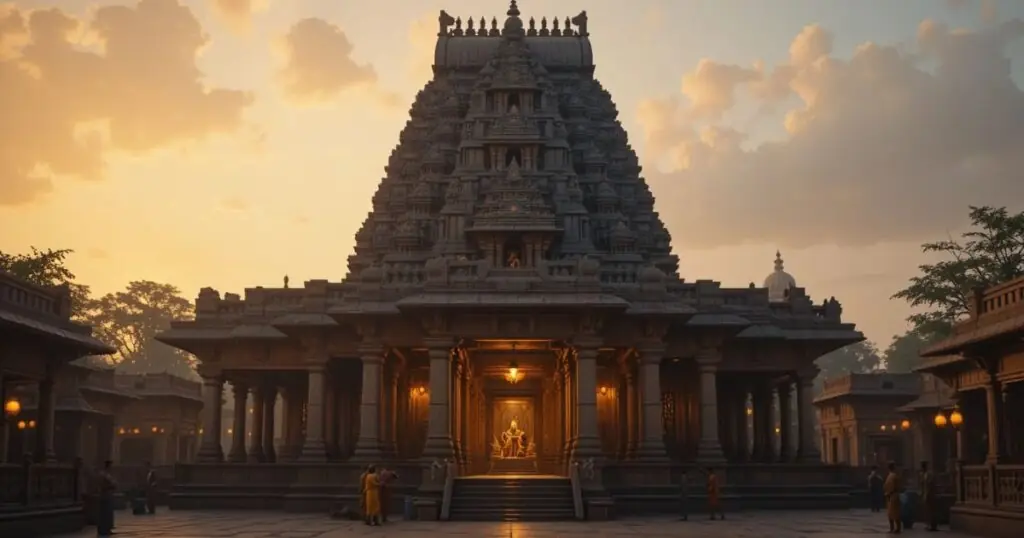
A dependable notice normally identifies the temple, the service, and the applicable date or period. It should distinguish regular days from special occasions and provide an administration contact or booking reference. Be cautious with pages that promise guaranteed immediate entry, quote unexplained prices, or use vague language such as “open all day” without discussing ritual breaks.
Never send payment to a personal number simply because a social media account uses the temple’s name. Use only a verified portal or a counter recognised by the temple. Screenshots can be edited, and unofficial agents may charge extra without giving a valid reservation.
On arrival, first identify the correct entrance and the queue intended for your category. General visitors, special-ticket holders, and those carrying a Seva receipt may not use the same line. If you’re unsure, ask an authorised volunteer or temple staff member before joining a long queue; moving later can be difficult during a busy period.
Keep your ticket, booking confirmation, and a valid identification document available if the reservation instructions require them. The name and date on the booking should match the conditions shown on the official portal. Don’t assume a screenshot alone is sufficient if the portal asks for a printed receipt or an original identity document.
Temple entry is a religious visit, not a normal tourist attraction. Dress modestly and follow instructions regarding footwear, bags, mobile phones, photography, and movement near the sanctum.
Rules can change by location and occasion, so observe the signs at the entrance. If you have a medical need, inform a family member and plan medication, water, and rest breaks before entering the queue.
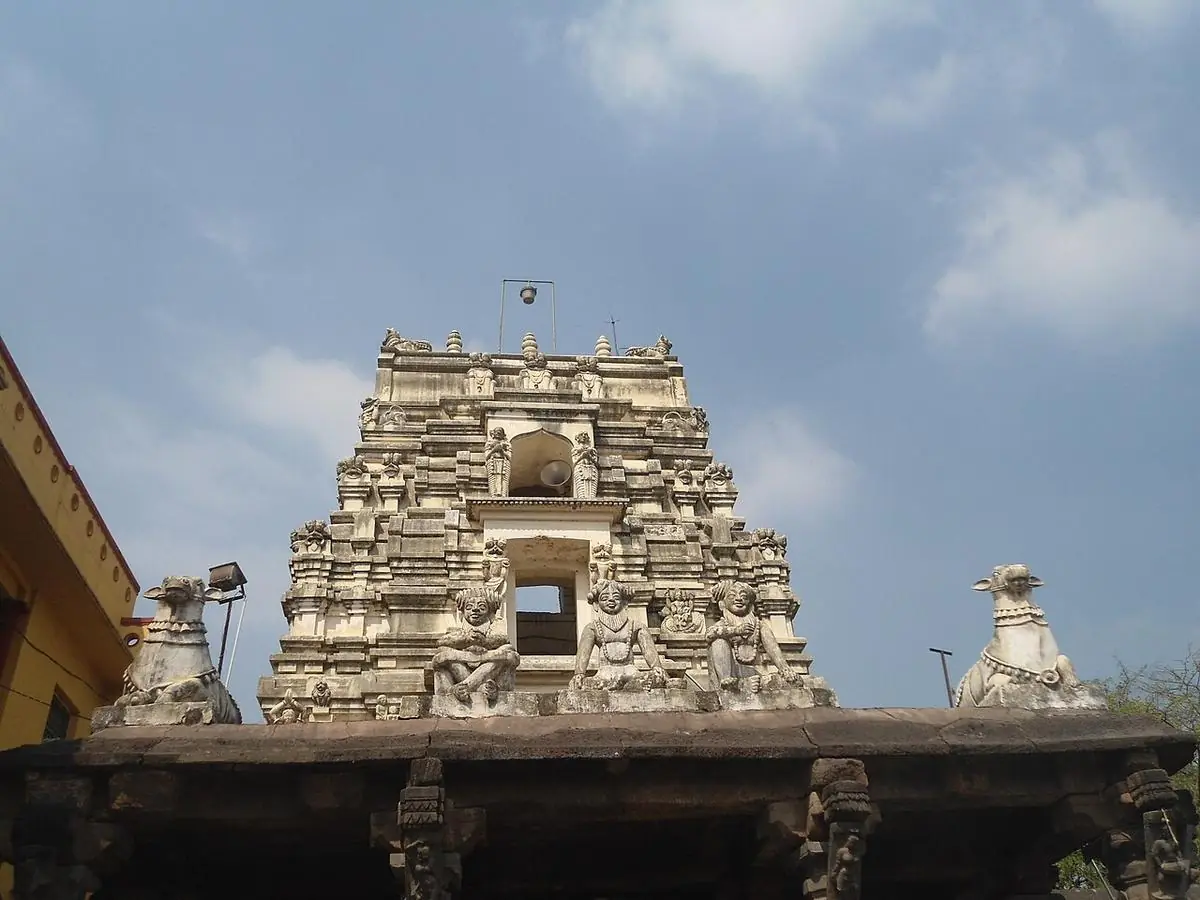
The actual Darshan may be brief, particularly when many devotees are waiting. That doesn’t make the visit less meaningful; it simply means you should avoid carrying large bags or expecting to pause near the sanctum. Follow the line, keep children close, and avoid blocking other devotees while trying to take photographs.
Visitors who have booked a Pooja should read the reporting instructions carefully. Some services require you to reach a counter before the ritual begins, while others may direct you to a specific waiting area. Arriving at the temple at the start of a Pooja may be too late if the booking requires earlier verification.
After Darshan, you may have time to visit associated shrines or receive prasadam, subject to the temple’s current rules. Don’t enter restricted areas simply because another visitor appears to do so. Ask before participating in a ritual that isn’t clearly open to general devotees.
Not every temple visit requires advance booking. General Darshan may be managed through an on-site queue, while selected Sevas or special entry categories may require online ticket reservations or counter registration. The answer depends on the service, date, and current administrative decision.
Before booking, read the service name rather than relying on a picture or short label. A “Darshan” product may provide entry at a reporting window, while a “Pooja” product may relate to participation in a ritual. Check whether the booking includes the devotee’s name, the number of people allowed, reporting location, identity requirements, cancellation terms, and permitted date.
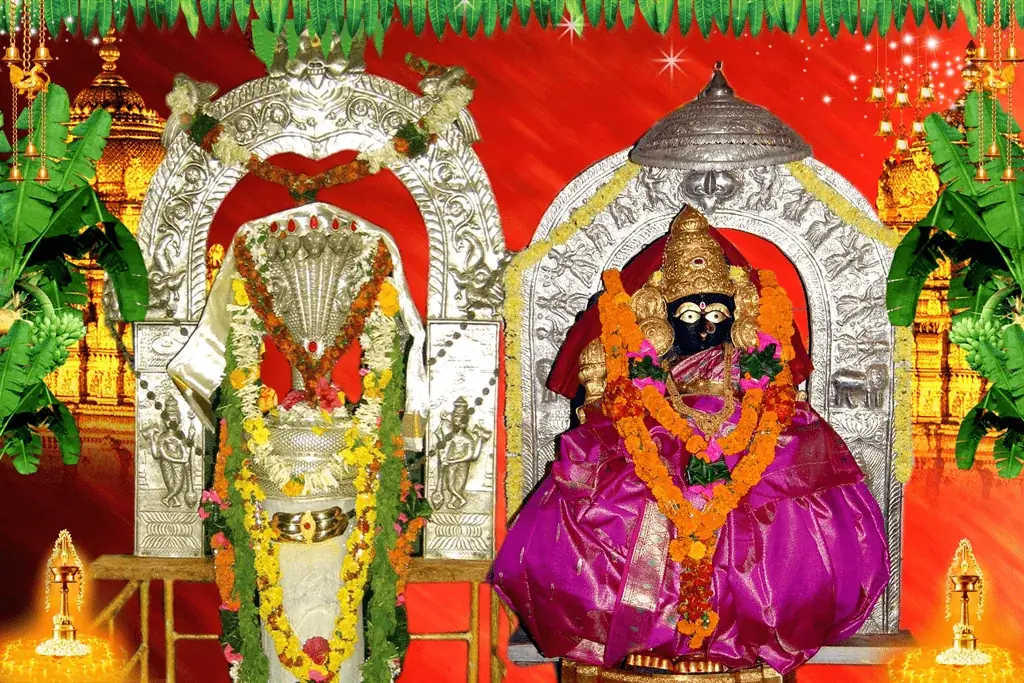
Booking is not the same as a promise of instant Darshan. It generally gives you access to a particular service or reporting arrangement, subject to the temple’s operational rules.
If the portal shows no availability, don’t assume an agent can provide a legitimate ticket. Contact the administration instead.
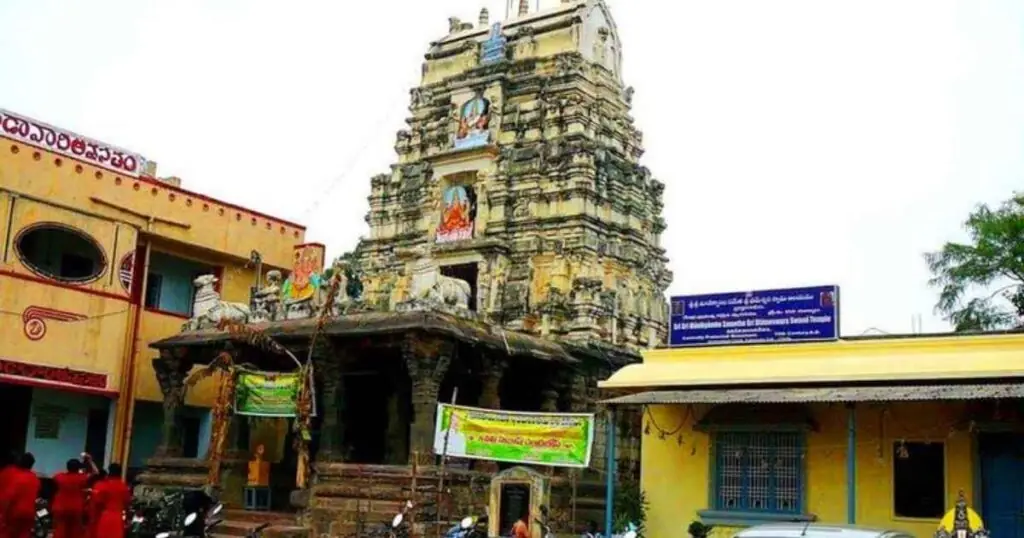
Illustrative scenario, not a record of a specific transaction: imagine that Ravi and his parents plan to visit Draksharamam from Rajahmundry on a Sunday. They first check the official portal and see that a named Pooja has a reporting instruction separate from general Darshan. Ravi saves the confirmation, calls the temple office to confirm the entry gate, and schedules his travel with extra time.
At the temple, the family doesn’t join the general queue immediately. They show the reservation at the designated counter, follow the staff direction, and then complete Darshan according to the service instructions.
This example reflects sound planning, not a claim that the temple always uses one particular counter, ticket price, or queue system. Those details must be verified for the actual date.
Draksharamam is a significant pilgrimage place in the Godavari region, and many visitors combine the temple with travel through East Godavari or nearby Andhra destinations. Kakinada is a common starting point for local trips, while Rajahmundry may be relevant for visitors arriving through a larger transport connection. Exact road conditions, public transport availability, and journey time can vary, so check current maps and local transport information before departure.
Don’t calculate your arrival time from the temple gate alone. A realistic plan includes the final road approach, parking or vehicle drop-off, walking distance, security checks, ticket verification, and queue formation.
A family travelling with senior citizens may need rest stops and a slower pace. If you’re visiting during a festival, local traffic control can add further delay.
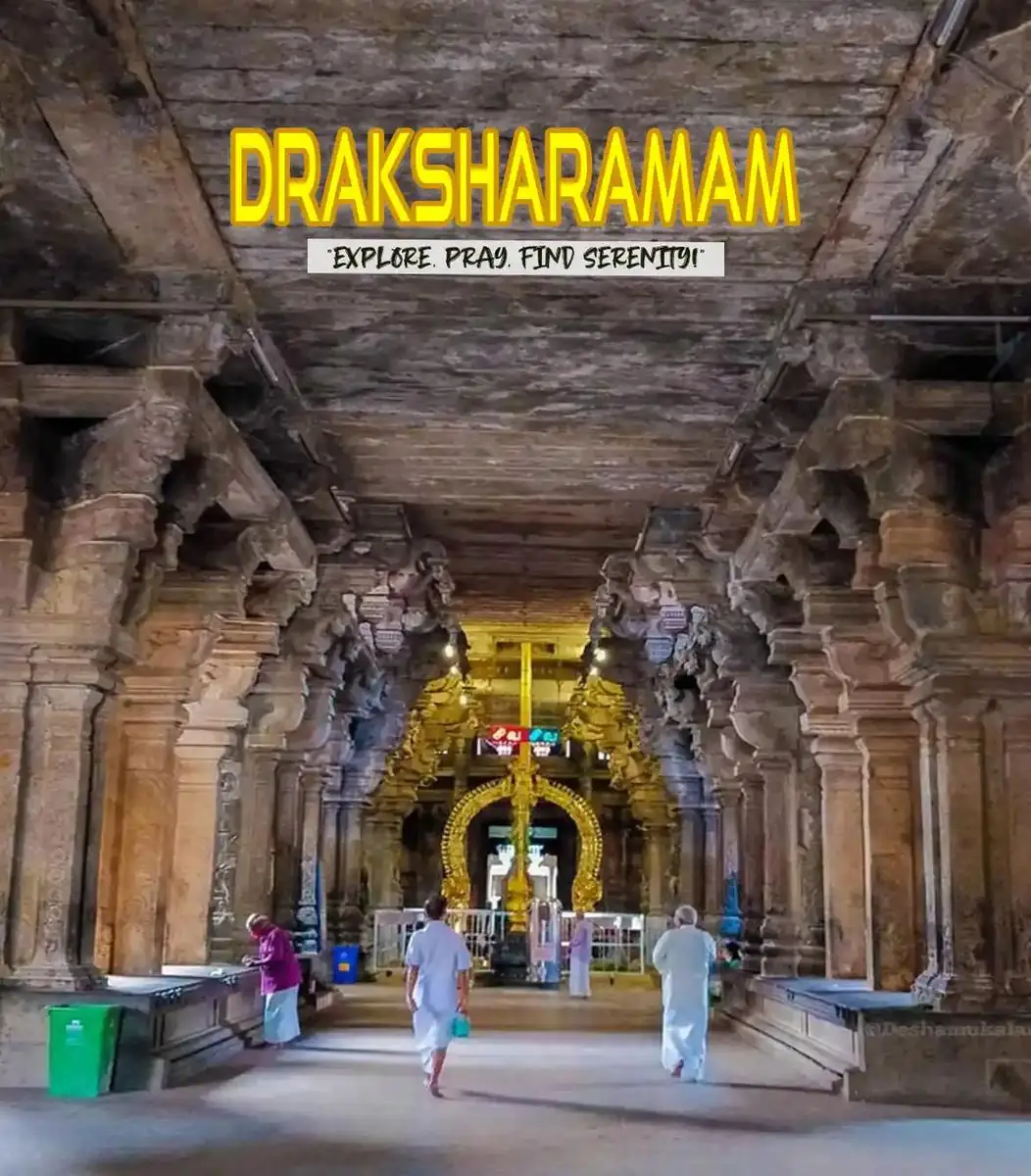
For a short visit, confirm Darshan timings first and build the rest of the day around them. Avoid booking a return bus or train immediately after the expected Darshan completion, particularly on Saturday, Sunday, or a festival date. A flexible lunch and departure plan is safer than a tightly packed itinerary.
Visitors sometimes search for Draksharamam temple food timings. Prasadam distribution and food counters may not operate like a regular restaurant, and availability can depend on the day, ritual schedule, or stock. If food is important for your group, ask the temple office or local administration about current service hours and carry suitable provisions for the journey.
Those arranging tours should confirm whether the operator has included only transport or also Darshan assistance. A tour package may take you to the temple but may not include a Seva ticket, priority entry, or a guaranteed time inside the shrine. Read the inclusions carefully and verify any religious service directly with the official administration.
Draksharamam is associated with Sri Bhimeswara Swamy, a form of Lord Shiva, and the temple is an important devotional destination in South India. The site’s history, architecture, associated goddess shrine, and traditions attract both pilgrims and visitors interested in Andhra heritage. Different devotional narratives may describe the sacred origin of the place in different ways, so readers should distinguish traditional belief from a documented historical claim.
Some accounts connect the broader Pancharama tradition with stories involving Sati’s body and Shiva. Such narratives belong to Hindu religious tradition and should be approached respectfully rather than presented as archaeological evidence. The word “history” can refer to inscriptions, construction phases, local records, oral tradition, or sacred belief; these are related but not identical forms of information.
At the temple, speak quietly near worship areas and follow instructions from priests and staff. Ask before offering personal items, performing a ritual, or touching a structure. Temple traditions may use terms such as Lingam, Abhishekam, Archana, Seva, and Prasadam, but the exact procedure and participation rules are determined by the temple administration.
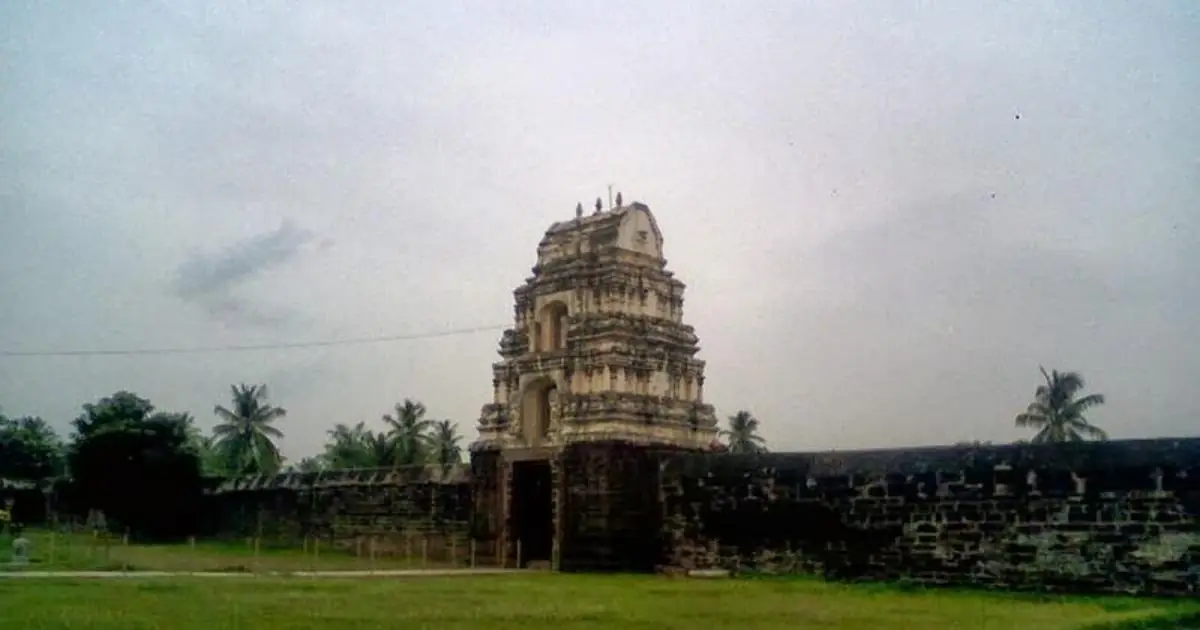
A respectful visit is also a safer visit. Clear cooperation helps temple staff manage crowds, especially when several groups arrive together.
The most common mistake is relying on a timing copied from an old page. Search engines may show a useful-looking answer without showing when it was last checked. A second mistake is assuming that a temple that opens early will provide every Pooja or every form of Darshan from that moment.
Some travellers also confuse booking availability with entry availability. A portal may show a service that is available only on selected dates, while general visitors follow a separate process.
Others book through unofficial contacts and discover at the gate that the receipt isn’t recognised. If a payment request comes without a proper confirmation number or official receipt, stop and verify.
Arriving at the last minute creates avoidable stress. Even a confirmed visitor may need to walk from a vehicle area, pass security, find the right counter, and complete verification. Build a buffer, especially if you’re travelling from Kakinada, Rajahmundry, or farther away.
Take a screenshot of the official instructions, but don’t stop there if the information appears old or unclear. A short confirmation call can protect an entire day of travel.
There isn’t one dependable duration for every visit. Queue length, day of the week, festival activity, security arrangements, and ritual pauses can all affect the experience. Allow extra time beyond the published Darshan window, and use a larger buffer on weekends and special occasions.
Today’s schedule should be confirmed through the official temple administration or current government temple portal. A daily timetable found on an old travel page may not reflect a temporary closure, festival arrangement, or revised Seva schedule.
First identify whether you need general Darshan or a particular Pooja or Seva. Then use the official booking portal or temple counter, read the reporting instructions, complete the required details, and save the confirmation. Avoid unofficial agents and personal payment requests.
The formal schedule may or may not change, but visitor numbers can be higher on weekends. Confirm the exact date rather than assuming a weekday timetable applies. Festival dates can create larger changes than the day of the week itself.
No. A reservation normally relates to a service or reporting arrangement, while entry remains subject to verification, queue control, temple rules, and operational conditions. Follow the instructions printed on the official confirmation.
Use only a number published by the official temple website, government endowments portal, or a verified administration notice. Map listings and social media pages may contain outdated or unofficial numbers.
The temple is widely known as a major Shiva pilgrimage centre and is associated with the Bhimeswara tradition and the Pancharama Kshetras. Visitors may also value its religious atmosphere, architectural character, and place in the cultural history of Andhra Pradesh.
Good planning for Draksharamam begins with the latest official Darshan and Pooja information, not with a copied timetable. Confirm whether you need a booking, note the reporting instructions, and allow extra time for queues, travel, and festival-day changes.
Because draksharamam temple timings can change with the date and occasion, make one final verification before leaving home. A current notice or direct temple confirmation can turn a rushed visit into a calmer and more meaningful experience.





