Physical Address
304 North Cardinal St.
Dorchester Center, MA 02124
Physical Address
304 North Cardinal St.
Dorchester Center, MA 02124
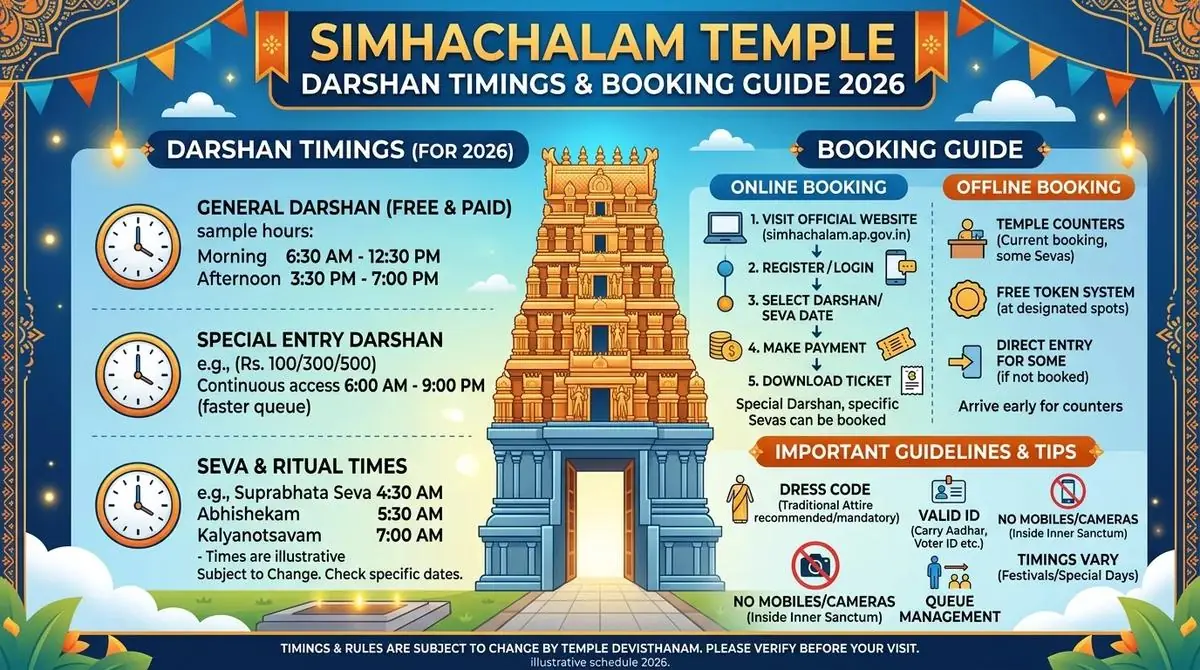
Accurate Simhachalam temple timings can make the difference between a peaceful visit and a long wait outside the shrine. The schedule may include separate hours for temple opening, general Darshan, Pooja, break periods, special Sevas, and closing rituals, so a single “opening time” rarely tells the whole story.
Since schedules can change during festivals, weekends, and administrative arrangements, checking current information before leaving for Simhachalam is essential. You’ll learn how to read the timing categories, plan Darshan and Pooja, use online booking safely, and avoid common mistakes during a visit to the Varaha Lakshmi Narasimha Swamy temple near Visakhapatnam.
Use the guidance below as a planning framework, not as a substitute for a same-day announcement. The temple administration’s latest notice should always take priority over older timetables, search snippets, social media posts, or information shared by drivers and informal agents.
Simhachalam Temple is one of the important pilgrimage destinations in Andhra Pradesh, and many visitors search for a single set of “temple timings” before travelling. In practice, a temple day is divided into several activities. The main entrance may open at one time, general Darshan may begin later, a Pooja or ritual may temporarily restrict access, and the final entry may happen before the outer premises close.
This distinction matters especially if you’re travelling from Visakhapatnam city, Vijayawada, Hyderabad, or another district. A journey that takes several hours can be wasted if you arrive during a break or assume that the last listed closing time is also the final time for entering the queue. Temple staff may also regulate entry when the queue becomes lengthy or when an important ritual is in progress.
“Darshan” generally means viewing and offering prayers to the deity. “Pooja” refers to worship conducted with prescribed rituals, offerings, chants, or services. A visitor with a general Darshan ticket may not automatically have access to a particular Seva, and a Pooja booking may carry a reporting time that differs from the public Darshan schedule.
There’s another reason to verify the information: the calendar affects crowd movement. Sundays, public holidays, festival periods, school vacations, and auspicious days can bring a very different experience from an ordinary weekday. A timing page that was correct during one season may not reflect temporary arrangements made for a major celebration.
Before your trip, confirm four things:
Many timing-related misunderstandings happen because different sources use the words “opening,” “Darshan,” and “closing” as though they mean the same thing. They don’t always. For a useful plan, separate the temple’s operating schedule into the categories shown below.
| Timing category | What it usually means | Why visitors should check it |
|---|---|---|
| Temple opening | The period when devotees may begin entering an eligible area of the temple complex. | Entry may not mean immediate Darshan or access to every shrine. |
| General Darshan | The public viewing period for devotees without a special Seva arrangement. | It can be affected by rituals, crowd control, or temporary breaks. |
| Special Darshan | A separately managed queue or ticket category, if offered by the administration. | Ticket validity, reporting time, and entry route may differ from general entry. |
| Pooja or Seva | A scheduled worship service that may require prior registration or a ticket. | Devotees may need to report before the listed ritual time. |
| Break period | A time during which public access may pause or change temporarily. | Online pages often omit breaks, while queues may continue to be regulated. |
| Last entry | The latest time the administration allows a visitor to enter a queue or designated area. | It can be earlier than the official closing of the premises. |
These labels are useful even when the official schedule uses Telugu terms or different wording. If a notice says that a ritual takes place at a certain time, don’t assume general visitors can continue walking into the sanctum area without interruption. The administration may pause, redirect, or stagger the queues.
Some websites display a neat morning-and-evening timetable. Treat that format as a helpful summary only if it matches a current official notice.
It shouldn’t be treated as permanent. The most reliable approach is to check the official temple administration’s latest website notice, booking page, or verified announcement before you begin the journey.
Darshan at the Simhachalam temple generally involves entering through the designated visitor route, following queue instructions, and proceeding toward the area from which devotees can view the deity. The exact process can differ according to the ticket type, crowd level, festival arrangements, and the temple’s instructions on that day.
General Darshan usually means that you join the public queue without booking a special worship service. A paid or priority Darshan category, if available at the time of your visit, should be purchased only through an authorised counter or official booking channel. The name, validity, entry gate, and reporting requirements printed on the ticket matter more than verbal assurances from third parties.
There is no single dependable answer to the question, “How much time does Darshan take?” The waiting period depends on the day, the number of devotees, active rituals, security arrangements, and whether you’re using a general or reserved queue. A weekday visit may move differently from a Sunday or festival visit, and a short queue at the entrance doesn’t guarantee a short wait inside the complex.
Plan the visit as a time window rather than promising yourself an exact completion time. If you have a train, flight, wedding, medical appointment, or return bus, leave a generous buffer. Avoid booking transport immediately after your expected Darshan exit, particularly during a major festival.
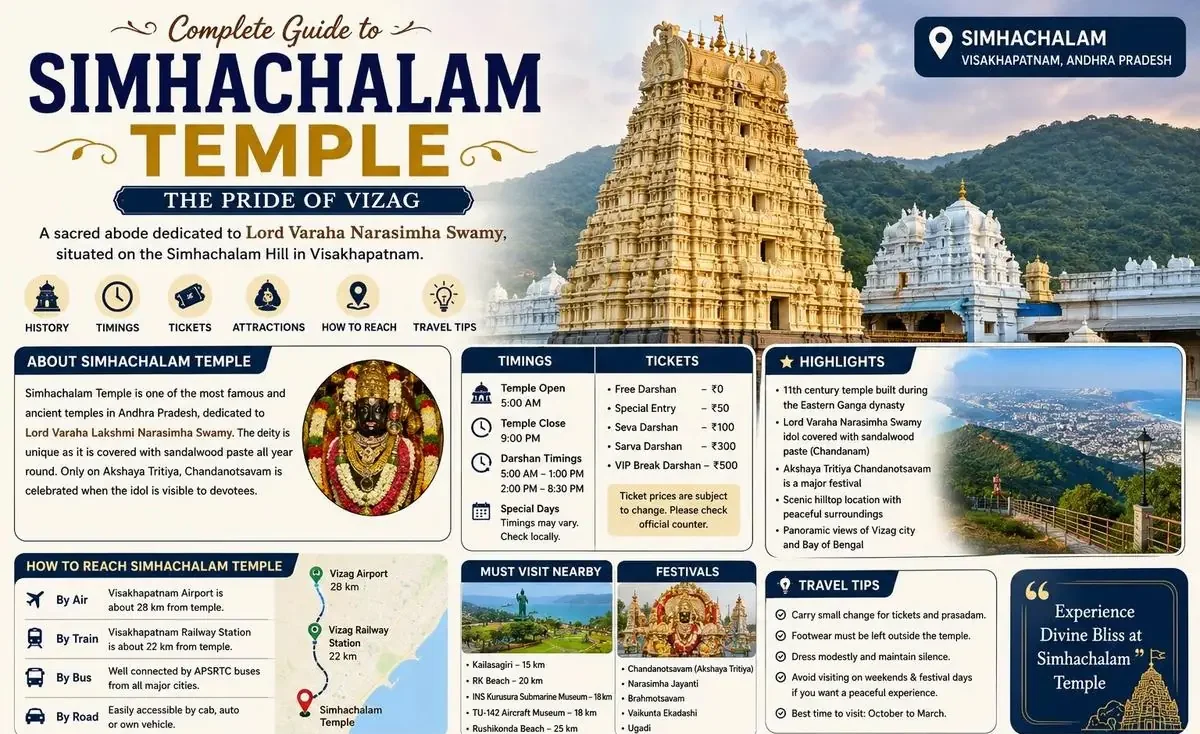
Wear clothing that is respectful and suitable for walking. Follow instructions about footwear, mobile phones, photography, bags, and restricted areas; these rules can be enforced differently in various parts of a large temple complex. Don’t carry unnecessary luggage into the queue, because screening and storage arrangements may add time.
Keep your ticket, identification if required, and booking confirmation accessible. Screenshots can be useful when network coverage is poor, but you should also retain the original booking details and transaction record. Never hand your phone to an unknown person who offers to “fix” a ticket or arrange quicker entry.
A temple’s Pooja schedule is not the same as its general Darshan schedule. Some rituals are conducted for the deity before or during public visiting hours, while others may be available only to devotees who have registered for a specific Seva. The name of the service, eligibility, reporting time, permitted number of participants, and ticket rules should be read together.
Visitors sometimes arrive at the listed Pooja time and expect to begin the process immediately. In many temple systems, the printed time marks the service or reporting window rather than the time you can casually reach the gate.
If your ticket says to report earlier, follow that instruction. Late arrival may affect participation, and the administration’s terms will determine whether a refund, transfer, or alternative arrangement is possible.
Aarti is a worship ritual involving the offering of light. The public may be permitted to witness or participate in a designated manner, but access can be limited when the sanctum or inner area is reserved for ritual activity. Don’t rely on a social media post that describes a daily Aarti as though the arrangement never changes.
Use the official service description as the controlling information. Names translated into English can vary, so compare the service code, date, time, and ticket details rather than relying only on a familiar label such as “special Pooja.”
Online booking can make planning easier, but only when you use the correct portal. Search results may show old pages, unofficial agents, or websites that use temple-related words without being connected to the administration. Before entering payment or personal information, check that the portal is linked from the official temple or government-administered source.
The temple’s official website or administration notice should be your first reference for current Darshan, Pooja, Seva, accommodation, and ticket information. For official updates, consult the Simhachalam Devasthanam website and verify that the page you’re reading applies to your intended date.
Read the booking page carefully. A real booking flow should identify the service, date, available slot or reporting period, number of devotees, applicable terms, and payment or confirmation process. If a page promises guaranteed access despite a sold-out official schedule, treats a normal queue as a private shortcut, or demands payment through an unrelated personal account, stop and verify it.
After payment, save the confirmation number, receipt, QR code if provided, and the name used for the booking. Check spelling immediately. A mismatch between the booking identity and the identification document may create difficulty at the entry counter, depending on the administration’s rules.
Online availability isn’t proof that every visitor must book. Some services may be walk-in, some may require a ticket, and some may be unavailable online.
The correct answer changes by service and date. Don’t buy a generic “temple entry” product from an agent unless the official administration clearly recognises that booking channel.
A simple process helps prevent last-minute confusion. The following steps are intentionally practical and can be adapted to a general Darshan visit or a reserved Seva.
This process works because it separates planning from assumptions. You first establish what service you want, then verify its timing, and only after that arrange travel. It also gives you a clear way to respond if a festival notice changes the normal routine.
There isn’t a universal “rush-free” day at a major pilgrimage temple. A weekday outside a major festival may feel less crowded than a holiday, but visitor numbers can still change because of local events, auspicious dates, school breaks, and tour groups. Search queries such as “Simhachalam Temple rush today” or “tomorrow timings” can reveal recent discussion, but they aren’t a substitute for an official crowd or entry announcement.
Early arrival is often sensible when your ticket has a morning reporting time, but arriving before the gate or counter opens may simply mean waiting outside. Check whether the relevant facility opens at the same time as the main premises. A person carrying elderly relatives or young children should balance the benefit of arriving early with the need for drinking water, rest, shade, and access to washrooms.
Weekends deserve separate planning. Simhachalam temple timings on Saturday and Sunday may follow the regular framework, yet the queue experience can be different. Don’t assume that a Sunday timetable copied from a weekday page includes the same breaks, ticket availability, or crowd-control measures.
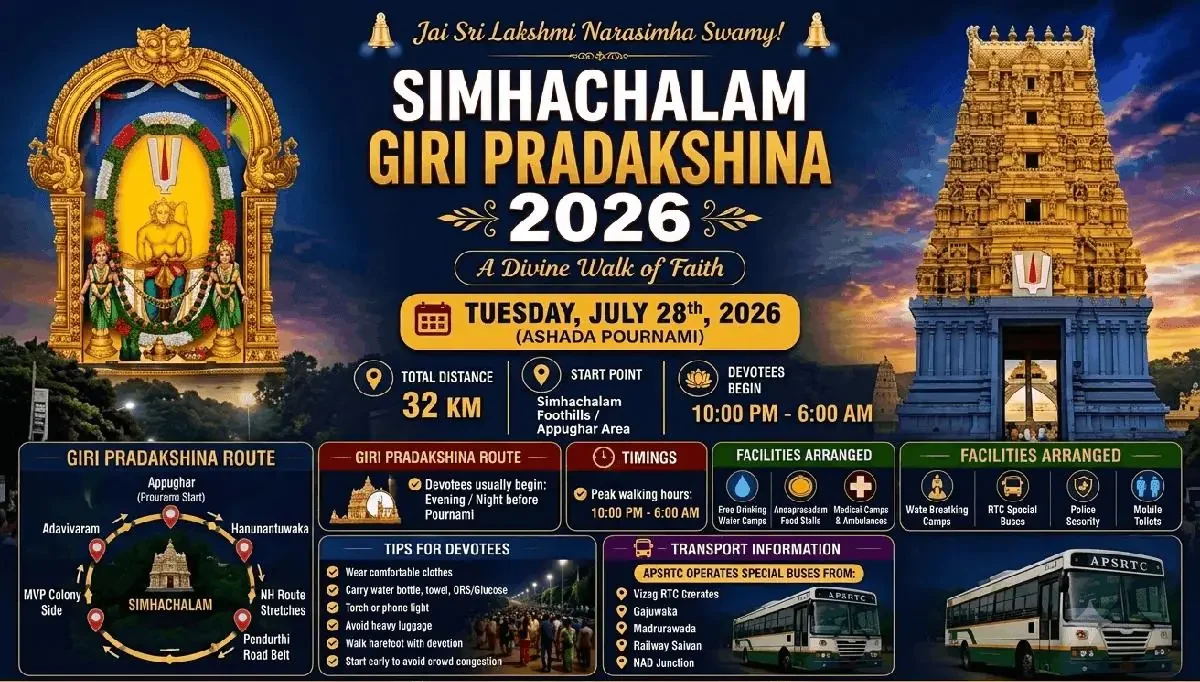
Festival days can affect Darshan routes, Pooja availability, vehicle movement, security checks, and the time at which general visitors are admitted. Ritual importance may also mean that some areas are reserved at particular periods. The famous Chandanotsavam associated with Simhachalam attracts special attention, but the exact public arrangements, ticket procedures, and access rules must be checked from the administration’s current announcement for that year.
For a major occasion, arrange transport with flexibility. If you’re travelling as a group, choose one meeting point outside the most crowded route and make sure every member has the booking details. Phones can lose signal or battery power, so write down the essential confirmation information.
Simhachalam is located near Visakhapatnam, and visitors commonly combine a temple visit with travel through the city and surrounding area. Your route may include road traffic, parking delays, walking, security checks, and a climb or change in elevation depending on the approach and facility used. Check current local transport and access arrangements rather than assuming that a previous visitor’s route remains unchanged.
The question “Do we need to climb steps in Simhachalam Temple?” needs a practical answer based on your entry route, mobility, and the areas you intend to visit. Different approaches and internal paths may involve walking or steps. Elderly devotees, people with disabilities, pregnant visitors, and families with small children should ask the official help desk about accessible entry options before joining a long queue.
Accessibility information is especially important because a ticket doesn’t necessarily remove every physical part of the visit. A reserved Darshan may reduce queue time while still requiring walking between the vehicle drop-off point, screening area, counter, and shrine route. Carry prescribed medicines, water where permitted, and any mobility support you normally use.
Visitors also search for Simhachalam Temple rooms or accommodation. Availability, check-in rules, identity requirements, and booking channels can change, so treat accommodation as a separate reservation from Darshan. A room booking should not be taken as proof that a temple ticket has been issued, and a Darshan ticket does not automatically guarantee a room.
Keep the visit respectful and efficient. Follow signs, don’t block corridors for photographs, and avoid arguments with staff or other devotees when queues are slow. The administration may alter movement patterns to protect the sanctity of rituals and maintain safety.
The most frequent error is using a static timing page without checking its date. Even a well-written page can become outdated after a festival notice, administrative decision, renovation, security instruction, or change in ticketing system. Use online articles to understand the categories, then verify the live schedule through the official channel.
Another mistake is confusing temple opening with guaranteed Darshan. The outer complex may be accessible while a specific shrine area is temporarily restricted. Similarly, the time printed beside a Pooja may not be your arrival time; the booking instructions may require earlier reporting.

Illustrative example, not a report of a specific visitor: imagine a family booking a morning Seva online and planning to reach the hill shortly before the listed ritual time. The booking confirmation says “reporting time” rather than “Darshan starts,” so the family should arrive earlier, locate the designated counter, and keep identification ready. If the same date later receives a festival notice, they should check whether the administration has changed the reporting point or route instead of assuming the original plan remains valid.
This example demonstrates a general booking principle, not an invented claim about a particular day, price, queue length, or temple policy. For real arrangements, the official confirmation and latest notice always override general advice.
Begin with the official Simhachalam administration source, not a third-party timetable. Check the date of the notice, the language version if multiple versions are available, and whether the information applies to Darshan, Pooja, accommodation, or a festival arrangement. A page can be official yet still describe a particular service rather than the complete daily schedule.
Look for wording such as “temporary change,” “special day,” “reporting time,” “last entry,” or “subject to administrative instructions.” These phrases tell you that the schedule has conditions. If two official-looking pages disagree, use the newer notice and confirm with the temple office or authorised counter before travelling.
Keep a short verification note on your phone:
When calling an office, ask a precise question. “What are the timings?” may produce a general answer, while “What time must a ticket holder report for this Seva on Saturday?” is easier to answer accurately. Write down the name of the service and date so you don’t accidentally apply advice for a different booking category.
Online information can be useful right up to departure, but it can also change after you’ve checked it. Reconfirm on the evening before travel and again on the morning of a major festival or reserved Pooja. That small habit protects your time and reduces avoidable stress.
The opening schedule can vary by day, ritual, and special occasion. Check the current official administration notice for the date you plan to visit, and distinguish the opening of the premises from the start of general Darshan.
They may follow a regular pattern, but you shouldn’t assume that Sunday has identical queue movement, break periods, or ticket availability. Verify the latest Sunday information before travelling.
A break or temporary restriction may apply during rituals or administrative arrangements. Look specifically for break timings, last-entry information, and notices affecting general Darshan; some summaries mention only opening and closing hours.
Use the official temple or authorised administration booking channel for the particular Darshan, Pooja, or Seva. Confirm the date, reporting time, service name, identity requirements, and cancellation terms before paying.
That depends on the service and the arrangements in force on your visit date. General Darshan and special Sevas can have different requirements, so confirm with the official source rather than assuming that one ticket rule applies to every visitor.
Reach before the reporting time printed on your Pooja or Seva ticket, allowing extra time for traffic, parking, walking, security screening, and queues. For general Darshan, arrive with a flexible schedule because waiting periods can change.
Walking and steps may depend on the approach route and the area you want to visit. If mobility is a concern, contact the official help desk before travelling and ask about the current accessible route or assistance.
Search results and social media may provide informal clues, but they’re not authoritative. Check official notices and, if needed, contact the administration for current entry or crowd instructions.
Simhachalam temple timings are best treated as a live schedule rather than a permanent timetable. Confirm the date-specific Darshan window, any break, your Pooja reporting time, and the final entry rule through the official administration channel. Keep your booking proof ready, arrive with a realistic buffer, and allow extra flexibility on Sundays, holidays, and festival days.
A few minutes spent verifying the latest notice can prevent hours of avoidable waiting. Before you leave for Simhachalam, will the schedule you saved still apply to your exact visit date and ticket category?





