Physical Address
304 North Cardinal St.
Dorchester Center, MA 02124
Physical Address
304 North Cardinal St.
Dorchester Center, MA 02124
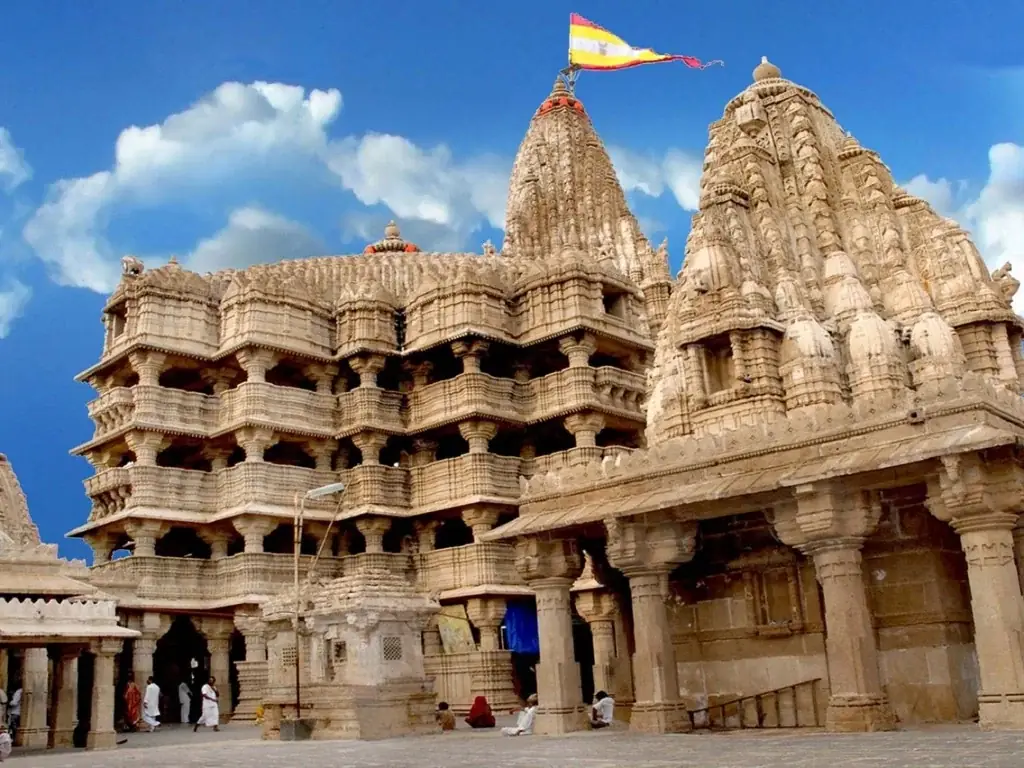
Information about dwarkadhish temple tickets is often misunderstood because regular darshan at the Dwarkadhish Temple in Gujarat is generally treated differently from a paid seva or special-entry service. Most visitors want three practical answers: when the mandir opens, whether a ticket is required, and how to confirm aarti or pooja timings before travelling.
The schedule can change during festivals, religious observances, administrative decisions, or heavy pilgrim movement. This article explains the usual pattern, what booking terms mean, how to verify the latest notice, and how to plan your visit without relying on unofficial claims about VIP darshan or online prices.
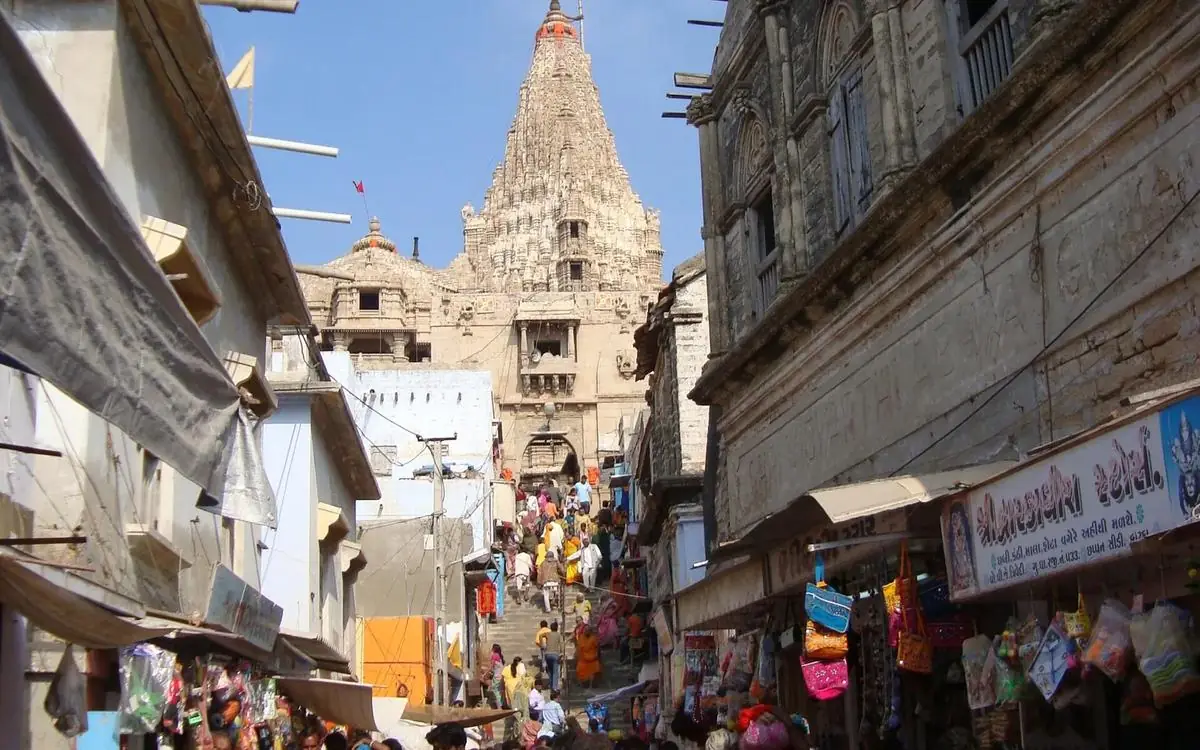
The Dwarkadhish Temple, also called Jagat Mandir, is a major Hindu shrine dedicated to Lord Krishna in his form as Dwarkadhish, the “King of Dwarka.” It is located in Dwarka, Devbhumi Dwarka district, Gujarat, near the Gomti River and the Arabian Sea. The temple is associated with the Char Dham pilgrimage tradition and attracts devotees, tourists, families, and groups throughout the year.
For a first-time visitor, the phrase “temple ticket” can be confusing. It may refer to an entry pass, a donation receipt, a special darshan arrangement, a pooja booking, a bhog seva, or a package sold by a travel operator.
These are not automatically the same thing. General darshan is commonly available without an admission fee, but services connected with a particular pooja or seva may follow separate rules.
The most careful way to understand the position is this: do not assume that every online page advertising a Dwarkadhish ticket is an official temple booking page. Check whether the service is issued by the temple administration, an officially recognised trust, or a government-authorised channel. A receipt for a religious offering may not guarantee immediate entry into the sanctum, and a travel package may include transport or a guide rather than a temple-issued ticket.
The temple’s religious routine is built around darshan and seva rather than a cinema-style ticketing model. Devotees may enter during public viewing periods, while the doors close temporarily for rituals, preparation of offerings, bhog, adornment of the deity, or rest periods. This is why a person who arrives during the building’s broad opening window may still have to wait for the next darshan session.
The temple may use different arrangements during Janmashtami, major festival days, school holidays, weekends, or periods of unusual crowding. A visitor should therefore treat the latest notice as more reliable than an old social-media post or a travel forum comment.
Published timings for the Dwarkadhish mandir are often presented as a morning and evening schedule, with a closure in the afternoon. The exact daily sequence is linked to worship, food offerings, shringar, aarti, and the temple’s internal routine. Since these timings can change, the table below should be used as a planning framework rather than a guaranteed timetable for every date.
| Visitor requirement | Commonly published or observed pattern | What you should confirm |
|---|---|---|
| Morning opening | Early morning darshan generally begins around the first morning worship period | Opening time for your date and whether the first session is restricted by aarti |
| Morning darshan | Several viewing periods may take place before the afternoon break | Temporary closures for shringar, bhog, or other seva |
| Afternoon interval | The temple commonly has a closure or reduced access during the afternoon | Exact reopening time and whether a queue will be held outside |
| Evening darshan | Public access usually resumes in the late afternoon or evening | Evening aarti timing and final entry time |
| Night closure | Darshan ends after the final evening or shayan-related worship | Last permitted entry, which may be earlier than the closing ritual |
Many travel references describe broad public opening hours of approximately 6:30 a.m. to 1:00 p.m. and 5:00 p.m. to 9:30 p.m. These figures are useful for initial planning, but they should not be treated as a permanent official promise. The actual darshan windows inside those hours can be shorter because the deity is taken through different ritual stages.
Aarti is not simply a performance scheduled for tourists. It is part of the temple’s worship, and public visibility may depend on space, crowd movement, and the instructions of temple staff. During a busy evening, you might be allowed into the wider temple area but not receive the same position or viewing opportunity as someone who arrived earlier.
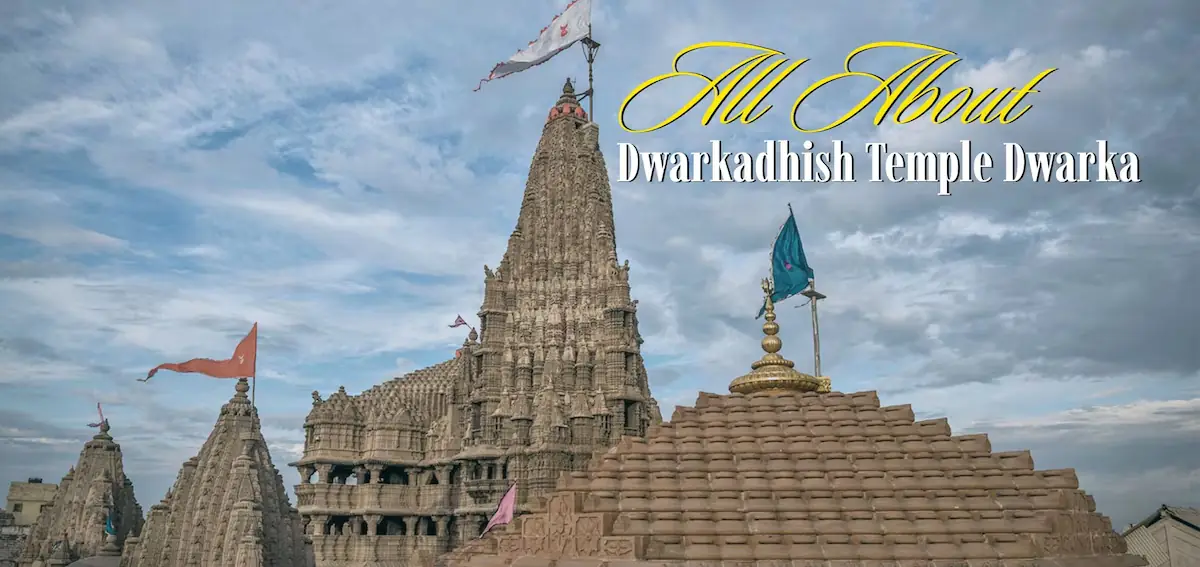
Hindu temple worship includes periods when the deity is offered food, dressed, decorated, or ritually attended. A bhog seva may require the doors to close while an offering is presented.
Shringar refers to adornment, while shayan is associated with the deity’s night rest. These terms explain why “open from morning to night” does not mean continuous darshan.
Festival schedules can be more complicated. On Janmashtami, Kartik-related observances, Holi, Diwali, or other important dates, the temple may alter entry routes, shorten public viewing periods, introduce crowd-control barriers, or reserve particular areas for ritual duties. A pilgrimage planned around one specific aarti should include spare time rather than a tight onward-travel connection.
For ordinary darshan, visitors are generally not expected to purchase a standard admission ticket. The temple is a place of worship, not a paid monument in which every visitor must buy an entrance pass. This does not mean that every form of access, pooja, seva, or special arrangement is free.
General entry can still be subject to practical limits. Security personnel may regulate the line, restrict bags, close an entrance temporarily, or ask visitors to wait until a ritual ends.
On crowded days, the absence of an admission fee does not mean the absence of a queue. Your time cost may be significant even when the financial cost is zero.
| Type of visit or service | Is a regular ticket normally assumed? | Important caution |
|---|---|---|
| Ordinary public darshan | Usually no paid admission ticket | Entry remains subject to timings, security, crowd control, and temple directions |
| Aarti viewing | Do not assume a separate paid ticket | Access and visibility may depend on the ritual and space available |
| Bhog seva or other pooja | May involve a separate offering or booking process | Confirm what the receipt actually includes |
| VIP or priority darshan | Not something to assume from an agent’s advertisement | Verify the authorised issuer, price, ID rules, and reporting point |
| Travel package | Depends on the package | Transport, hotel, guide, and temple access may be separate components |
One common mistake is to pay a person near the temple who promises instant darshan. Even if the person is familiar with local procedures, that does not establish official authority.
Ask for a printed or digital receipt that names the issuing organisation, service, date, and conditions. If those details are absent, treat the offer cautiously.
Search results may use phrases such as “Dwarkadhish VIP darshan online booking,” “special entry,” or “priority darshan price.” Those phrases are not proof that the temple has released an official product under that name. Before paying, check whether the page identifies the temple trust or administration, provides a verifiable office contact, explains cancellation terms, and distinguishes a donation from an entry entitlement.
Be especially careful with claims that guarantee a particular darshan time during a major festival. No genuine operator can always control crowd restrictions, security checks, aarti duration, or a sudden administrative closure. An honest booking service should explain those limits rather than promise that you will bypass every queue.
Reliable planning begins with the date of travel, not with a copied timetable. Select the day you expect to visit and then check the latest notice from the temple administration or an official government tourism source. Gujarat Tourism describes the temple’s location, religious importance, and visitor context, and its listing can help you distinguish the Dwarka shrine from unrelated attractions; consult the Gujarat Tourism information on Dwarkadhish Temple before finalising your route.
If there is no official online booking option for the service you want, that absence is meaningful. It is safer to attend general darshan under the published public timings than to use a third-party page that cannot explain its authority. A local hotel may provide practical directions, but hotel advice should not replace confirmation from the temple administration.
The Tirumala Tirupati Devasthanams system provides a useful example from another major Indian pilgrimage institution. TTD publishes separate categories for darshan, seva, accommodation, and related pilgrim services through its own channels, rather than treating every religious visit as one generic ticket. That distinction is verifiable through TTD’s official pilgrim-service communications and is a helpful model for reading any Dwarka offer: identify the service category, issuing authority, date, entitlement, and reporting instructions before making payment.
This example does not prove that Dwarkadhish Temple follows the same system. It shows why visitors should not transfer assumptions from Tirupati, Vaishno Devi, Somnath, or another shrine to Dwarka. Each mandir has its own trust structure, rituals, queue management, and booking rules.
Even when a service has a confirmed booking, you should plan to arrive before the stated reporting time. The route to the temple may include walking through busy lanes, a security check, footwear removal, and a wait at the designated counter. If you arrive exactly at the last minute, a short delay can cause you to miss the reporting window.
Queue length varies by day and hour. Weekends, public holidays, school vacations, Janmashtami, and other religious occasions typically bring more visitors, but the crowd can also rise unexpectedly because of group tours or local events.
No responsible source can promise a fixed waiting period for every date. Early morning visits may feel more manageable, while evening periods around aarti can become particularly busy.
Build a buffer of at least several hours if you have a train, flight, hotel check-in, or onward visit to Bet Dwarka. A darshan queue can pause during aarti or bhog, and traffic around the temple area can slow down even when the road distance appears short. Keep your itinerary flexible.
Visitors with mobility limitations should make enquiries before travelling. The approach roads, steps, narrow areas, crowd barriers, and queue design may not be comfortable for every person. Ask the official office or local administration about the current accessible route, wheelchair assistance, seating, and whether a companion can accompany the visitor.
A Dwarkadhish Temple visit is a religious experience as well as a sightseeing stop. Modest, comfortable clothing is the sensible choice for all visitors. Traditional attire is not always mandatory for general entry unless a current notice says otherwise, but clothing that covers the shoulders and knees is respectful and practical in a crowded mandir.
Do not carry the assumption that a camera or phone can be used everywhere. Photography and video rules may apply in the temple interior, near the deity, during aarti, or at security points.
If a sign or staff member prohibits photography, follow that direction. A temple photograph taken from an outside area should not be treated as permission to photograph the sanctum or worshippers.
Identification requirements depend on the service. Ordinary darshan may not require a pre-booked identity document, whereas a special pooja, accommodation, donation receipt, or controlled entry arrangement may require the name and ID of the devotee. Carry an original government-issued ID and a secure digital copy, but show it only to authorised staff.
Some useful etiquette is simple:
Older adults, young children, pregnant visitors, and people with health conditions should avoid rushing toward a crowded entrance. A slower arrival during a less congested period can make the visit safer and more meaningful than attempting to stand in a dense queue during peak aarti time.
Festival days deserve separate planning. The temple may receive unusually high numbers of devotees during Janmashtami, when Lord Krishna’s birth is celebrated, and during other important religious periods. Public entry can be channelled through different gates, roads may be regulated, and darshan windows may be changed to accommodate rituals and security.
Do not book a non-refundable hotel or onward transport solely around a timetable copied from a travel blog. Confirm the latest schedule close to your visit. Seasonal weather also matters.
Dwarka can be hot and sunny, and walking between parking areas, the temple, markets, and nearby pilgrimage points may take longer than expected. Carry sun protection and water where permitted, while remembering that items allowed on the street may not be allowed inside the shrine.
The temple’s location makes it part of a wider pilgrimage circuit. Visitors often combine it with Gomti Ghat, Rukmini Devi Temple, Bet Dwarka, and other places in the region.
Travel time to these sites can change with ferry operations, road conditions, security arrangements, or local crowd movement. A plan that places two fixed aartis at opposite ends of the day may be unrealistic.
| Travel situation | Planning adjustment | Reason |
|---|---|---|
| Ordinary weekday | Keep a moderate buffer around the listed darshan period | Ritual closures and local queues still occur |
| Weekend or public holiday | Arrive earlier and allow extra queue time | Visitor numbers may rise substantially |
| Janmashtami or major festival | Check date-specific notices and avoid tight onward bookings | Rituals, security, and crowd routes may change |
| Summer visit | Plan walking and waiting with shade, water, and rest in mind | Heat can make an outdoor queue difficult |
| Family or senior-citizen group | Ask about accessibility and choose a less rushed itinerary | Steps, distance, and crowd density may affect comfort |
Religious travel works best when the schedule has room for the unexpected. A delayed darshan is disappointing, but it becomes a serious problem only when every part of the journey has been booked without flexibility.
General darshan is commonly available without a standard admission fee. Separate pooja, seva, donation, or special-entry arrangements may have their own rules and charges. Confirm the current position with the authorised temple office.
Do not assume that an online booking is available simply because a website uses the words “Dwarka darshan.” Check whether the booking is issued by the temple administration, a recognised trust, or an official authority. If the page does not identify the issuer clearly, avoid payment until its status is verified.
VIP darshan claims require careful verification. Availability, eligibility, price, reporting time, and queue benefits can change. A private agent’s promise is not enough; ask the temple or authorised office whether the service exists on your date and what the receipt guarantees.
Public schedules commonly show morning and evening darshan with an afternoon interval, and many references cite broad hours around 6:30 a.m. to 1:00 p.m. and 5:00 p.m. to 9:30 p.m. Ritual closures can occur within those periods, so confirm the exact date-specific timetable before setting out.
It can be, particularly on weekends, holidays, festivals, and around important aarti periods. Waiting time is not fixed. Arrive early, keep your itinerary flexible, and expect security or queue controls even if general darshan is free.
Photography may be restricted in parts of the temple, especially near the deity and worship areas. Follow displayed notices and staff instructions. Never assume that permission to photograph the exterior applies to the interior.
Carry the booking receipt or confirmation, the required identity document, and any instructions supplied by the issuing office. Check whether the booking is for participation, an offering in your name, or a receipt for a donation; these have different meanings.
Reach before the reporting time shown on any official receipt. For general darshan, arriving early is sensible on busy dates, but there is no universal arrival time that guarantees immediate entry. Include time for walking, security checks, footwear storage, and queues.
The safest approach to dwarkadhish temple tickets is to separate what is usually free from what is a paid religious service, then verify every special claim through an authorised source. General darshan may not require a ticket, while pooja, bhog seva, or special entry can have different conditions. Timings are useful for planning, but rituals, festivals, crowd controls, and seasonal notices can change the day’s experience.
Before leaving for Dwarka, check the latest official information, carry the right documents, allow extra time, and avoid agents who promise benefits they cannot document. Your visit will be easier when the booking, timing, and entitlement are clear before you reach the queue. If you’ve visited recently, sharing a date-specific experience can also help other devotees compare practical conditions with the latest official notice.





