Physical Address
304 North Cardinal St.
Dorchester Center, MA 02124
Physical Address
304 North Cardinal St.
Dorchester Center, MA 02124
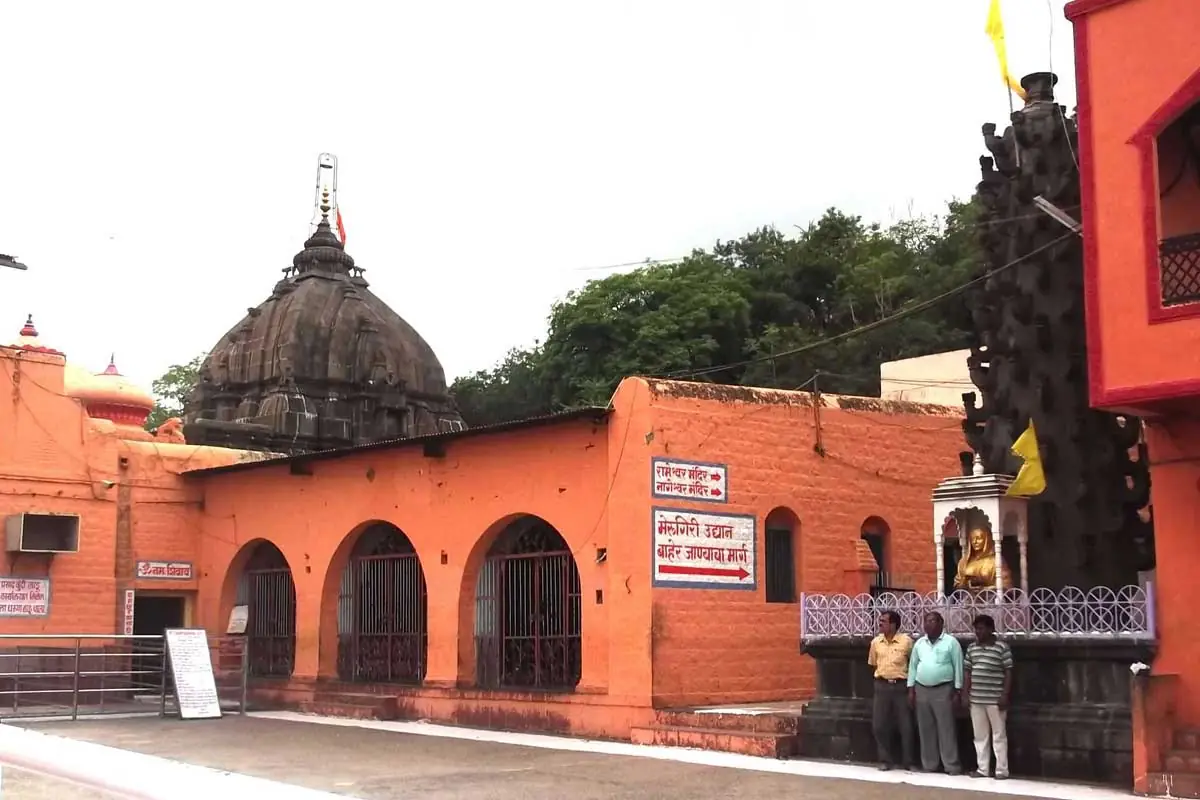
Parli Vaijnath Jyotirlinga in Maharashtra draws pilgrims who want darshan of Lord Shiva, a calm temple visit, and a chance to take part in traditional pooja. The shrine is in Parli town of Beed district, so planning matters if you’re travelling by train, road, or from another Jyotirlinga. Temple hours, aarti schedules, special-entry arrangements, and festival-day rules may change without much notice.
Before setting out, check the latest announcement from the temple administration and keep extra time for queues, security, and local transport. This information explains what to verify and how to prepare without relying on unconfirmed timings.
Parli Vaijnath, also called Parli Vaidyanath or Vaijnath Temple, is traditionally counted among the twelve Jyotirlingas associated with Lord Shiva. The word Jyotirlinga refers to a sacred manifestation of Shiva, and the twelve shrines are revered across India as especially important pilgrimage places.
For many devotees, visiting one of these temples is not simply a sightseeing activity. It is an act of prayer, family devotion, and a personal spiritual journey.
The temple stands in Parli town in Maharashtra’s Beed district. Its location makes it accessible from several parts of the state, although the final journey may involve a combination of rail and road travel.
Travellers commonly plan visits from Mumbai, Pune, Nanded, Aurangabad, Latur, and nearby pilgrimage centres. The town is also considered in multi-temple itineraries that include Aundha Nagnath, Grishneshwar, Tulja Bhavani, and other important shrines.
The identity of the “true” Vaijnath or Vaidyanath Jyotirlinga is discussed in different religious traditions. Parli Vaijnath’s temple administration and Maharashtra tourism authorities present this shrine as one of the Jyotirlinga temples, while Deoghar in Jharkhand is also widely revered as Baba Baidyanath Dham.
That difference should not be turned into an argument during your visit. Pilgrims generally approach the question through faith, regional tradition, and the local temple’s established worship practices.
A useful real-world reference is the Maharashtra Tourism page for Parli Vaijnath, which identifies the shrine as a major religious destination in the state. For exact daily schedules, the temple’s own notices remain more useful than a general tourism page because a tourism listing may not reflect a temporary change, festival arrangement, or special pooja restriction.
Published and locally circulated schedules commonly show the temple opening early in the morning and remaining available for darshan through the evening. Many references describe opening hours of approximately 5:00 a.m. to 9:00 p.m., but devotees should treat this as a planning indication rather than a permanent guarantee. Aarti, naivedya, cleaning, security checks, and special religious events can affect the movement of visitors inside the sanctum area.
The table below separates commonly reported timings from the information you should confirm. It deliberately avoids presenting an unverified daily schedule as if it were fixed for every date.
| Activity | Commonly reported timing or pattern | What you should verify |
|---|---|---|
| Temple opening | Often reported around 5:00 a.m. | Whether the gate opens at the same time on your date and whether an early morning queue token is required |
| Morning pooja and aarti | Held after the morning opening, with exact times set by the temple routine | Whether general darshan pauses during the ritual and whether devotees may attend directly |
| Midday worship | May include naivedya or a scheduled midday aarti | The length of any temporary darshan interruption |
| Evening aarti | Usually conducted in the evening before night closure | The reporting point, entry limit, and whether a separate pass is issued |
| Temple closing | Often reported around 9:00 p.m. | Last entry time, which may be earlier than the closing time |
“Open until 9:00 p.m.” does not necessarily mean that a visitor arriving at 8:55 p.m. will receive darshan. Temples may stop admitting new visitors earlier so that the final queue can be cleared before the closing ritual. If you’re travelling by a late train or bus, ask locally about last entry rather than relying only on the advertised closing hour.
On an ordinary weekday, early morning is usually the most practical period for people who want a shorter queue and cooler weather. Mondays, Shravan, Mahashivratri, Pradosh, and major Hindu festivals can attract substantially more devotees. A schedule that works on a quiet Tuesday may not be realistic on a festival morning.
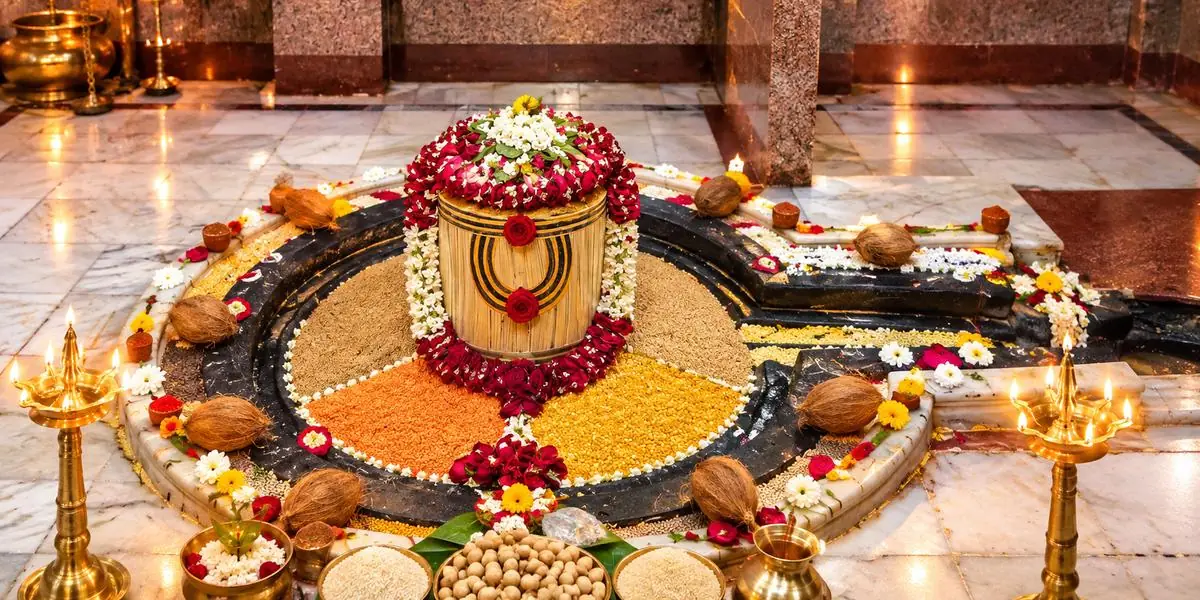
The traditional daily routine may include opening worship, abhishek-related rituals, offerings, aarti, naivedya, and the night closing ceremony. Names and timings can vary in public notices, and not every ritual is necessarily open to all visitors. Some ceremonies are performed by authorised priests while the public watches from a designated area.
Do not assume that buying a pooja ticket guarantees uninterrupted access to the sanctum. The ticket may cover a service, an offering, or a designated queue rather than private entry. Read the description on the official counter or booking receipt carefully.
One of the most common questions is whether devotees can touch the Parli Vaijnath linga. The answer can change according to the temple’s current arrangement, crowd level, festival restrictions, and the type of darshan being offered.
Some Shiva temples permit physical contact during specific periods or rituals; others use a barrier, priest-mediated offering, or visual darshan only. You should not attempt to touch the linga unless temple staff or an authorised priest clearly permits it.
Rules can be stricter during Mahashivratri, Shravan Mondays, and other high-footfall occasions. A contact darshan arrangement that exists on a regular day may be suspended to protect the shrine, maintain order, or accommodate a large crowd. Follow the instruction given at the entrance even if you have heard a different rule from a previous visitor.
Darshan generally involves standing in a queue and moving forward when instructed. Keep your offerings packed simply and avoid carrying unnecessary bags into the temple. Flowers, bilva leaves, milk, water, and other offerings should be accepted only if they comply with the temple’s current practice; some sanctums restrict outside materials or direct visitors to approved counters.
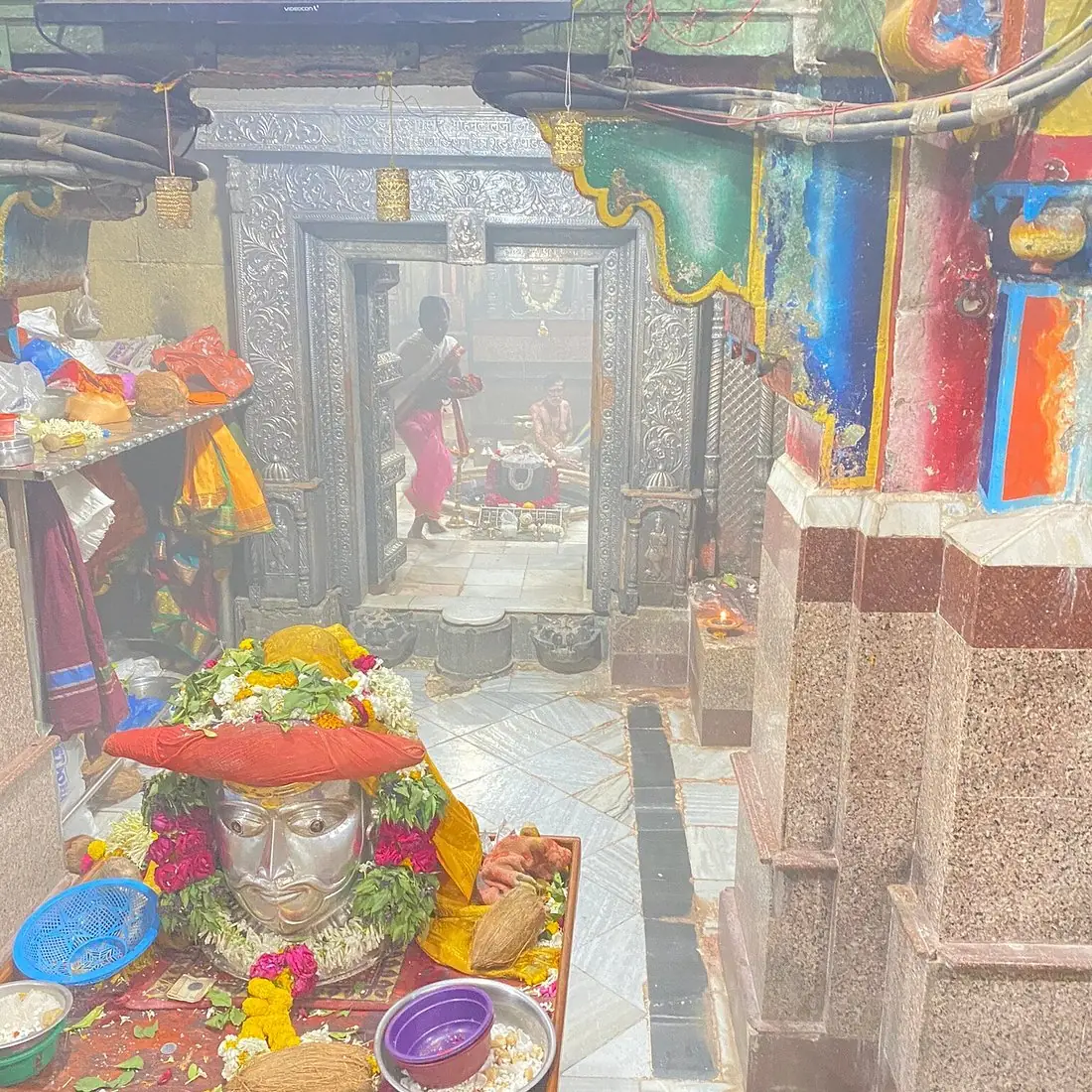
There may not be a single publicly stated dress code for every day, but modest and clean clothing is the safest choice. Traditional Indian clothing is commonly preferred for pooja, though simple full-length trousers, shirts, salwar suits, sarees, or other respectful attire may be acceptable. Avoid clothing that could create discomfort in a crowded religious setting.
Children, older adults, and people with disabilities may need a slower plan because a queue can involve standing, narrow passages, or changes in floor level. Ask at the official help desk about accessible entry, seating, wheelchairs, and whether an attendant can accompany the visitor. Availability may vary by date, so it’s better to ask before joining a long queue.
Booking information for Parli Vaijnath can be difficult to interpret because temple services may be offered through a physical counter, a local trust arrangement, an official portal, or a temporary festival system. A page or social-media post using the temple’s name is not automatically an authorised booking channel. Before paying, check whether the receipt identifies the temple trust, the service name, the date, the devotee’s details, and the reporting location.
Possible services may include special darshan, abhishek, aarti participation, sankalp, archana, or other offerings. The availability of each service should be confirmed for your date. A service may be stopped during a major festival, restricted to certain hours, or available only to a limited number of devotees.
| Visit option | Best suited to | Advantages | Points to check |
|---|---|---|---|
| General darshan | Visitors who want regular temple prayer without a booked ritual | Usually the simplest and least complicated choice | Queue length, last entry, and temporary closures for aarti |
| Pre-booked pooja | Families planning an offering or sankalp on a particular date | May provide a defined reporting process and service slot | Whether the booking is official, cancellable, transferable, or linked to ID |
| Special darshan | Visitors with limited time or mobility concerns, where offered | May use a separate queue or designated entry | Whether it operates on festivals and whether it truly reduces waiting |
| Festival visit | Devotees who want to experience a major celebration | Strong religious atmosphere and extended participation | Heavy crowds, route diversions, changed timings, and unavailable services |
Do not publish or rely on a specific pooja price unless it appears on a current official notice or receipt. Fees can change, and some amounts may be donations rather than fixed service charges. If an online page asks for payment but does not identify the managing trust or provide a verifiable receipt, pause and confirm through the temple office.
Reporting time is especially important. If a pooja ticket says 6:00 a.m., arriving at the town at 6:00 a.m. is not enough; you may need to reach a counter before that time for verification. Ask whether the reporting time refers to the gate, the ticket counter, or the ritual venue.
Mahashivratri is the most prominent occasion associated with Shiva worship, and Parli Vaijnath can become exceptionally busy during the festival period. Shravan, particularly Mondays, also brings increased attendance. Other dates connected with Pradosh, local religious calendars, and annual temple celebrations may alter the regular rhythm of darshan.
During crowded periods, authorities may introduce barricades, queue compartments, holding areas, token systems, or traffic controls. Special arrangements are often designed for safety rather than convenience. You may have to leave large bags outside, use a different entrance, or walk farther from a parking area.
There is no reliable universal waiting time. On a quiet day, a visitor may move through the general queue relatively quickly; on a Monday in Shravan or during Mahashivratri, the wait may become much longer. Online claims such as “five-minute darshan” or “guaranteed immediate entry” should be treated cautiously unless the temple itself has announced such a facility.
If your trip includes elderly family members, plan for breaks, shade, food, water, and toilet access outside the main queue. A morning arrival may reduce heat exposure, but it won’t necessarily mean a short wait on a major festival day. Families should also decide in advance where to reunite if mobile signals become weak or the queue separates members.
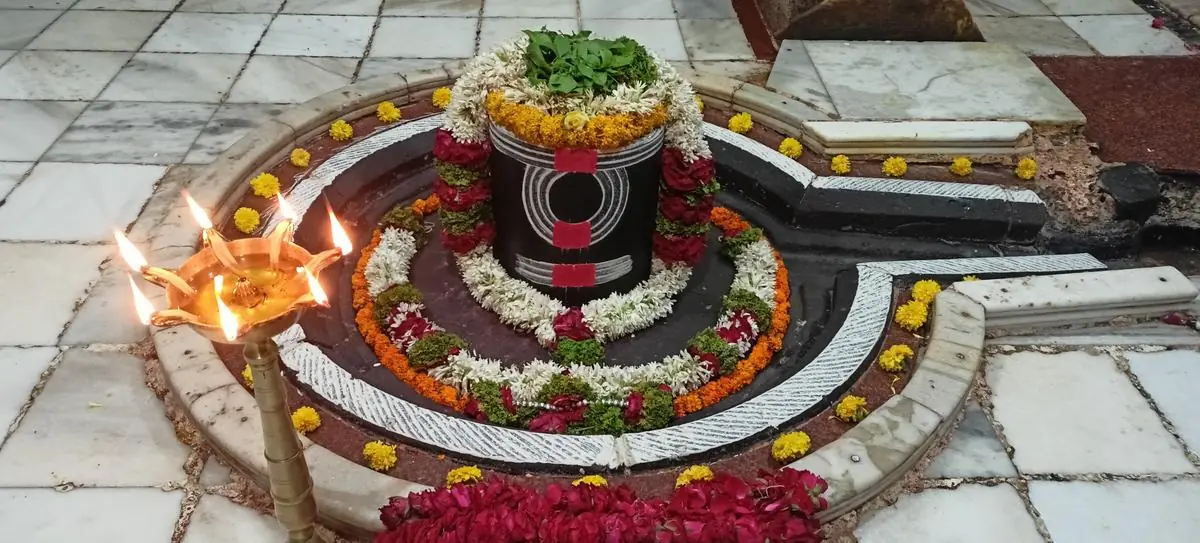
A special ritual can be unavailable for several legitimate reasons: the priestly schedule, crowd-control rules, sanctum maintenance, a festival protocol, or a temporary decision by the temple trust. A booking page from an earlier month should not be treated as proof that the same service is operating today.
Ask these questions before paying:
Clear answers protect both your time and your faith experience. They also reduce the chance of being pressured by unofficial intermediaries near the temple.
Parli is a town in Beed district, Maharashtra, and the temple is located within the urban area rather than at a remote hilltop. The nearest practical transport option depends on your starting point and the current train timetable.
Parli Vaijnath railway station serves the town, while nearby larger stations may be considered when a direct connection is unavailable. Always check the live railway schedule for your travel date because routes and train frequency can change.
People travelling from Mumbai or Pune may compare direct rail services, connecting trains, and road journeys. Nanded is another relevant regional reference point for itinerary planning.
Travellers arriving by air normally need a road or rail connection for the final leg because Parli is not generally treated as a major airport destination. The nearest airport for your route can vary depending on available flights and road conditions, so confirm the complete journey rather than selecting an airport based only on map distance.
| Starting point or connection | What to plan | Why confirmation matters |
|---|---|---|
| Parli Vaijnath railway station | Local transport from the station to the temple and return timing | Train schedules, cancellations, and local vehicle availability can change |
| Mumbai | Compare rail, road, and connecting routes before booking accommodation | The fastest route may differ from the shortest distance |
| Pune | Check whether a direct train is operating or whether a road connection is more practical | Travel duration depends heavily on connections and road conditions |
| Nanded | Consider a combined regional pilgrimage itinerary | The distance and journey time depend on the chosen road route |
| Airport connection | Confirm onward taxi, bus, or train arrangements before flying | Airport distance alone doesn’t show total door-to-door travel time |
Queries about the distance from Parli Vaijnath to Aundha Nagnath or Grishneshwar are useful for planning, but map estimates can differ from actual road distance. A pilgrimage route may take longer because of local traffic, road repairs, meal stops, and temple queues. If you’re visiting more than one Jyotirlinga in the same trip, avoid booking a tight same-day connection after darshan.
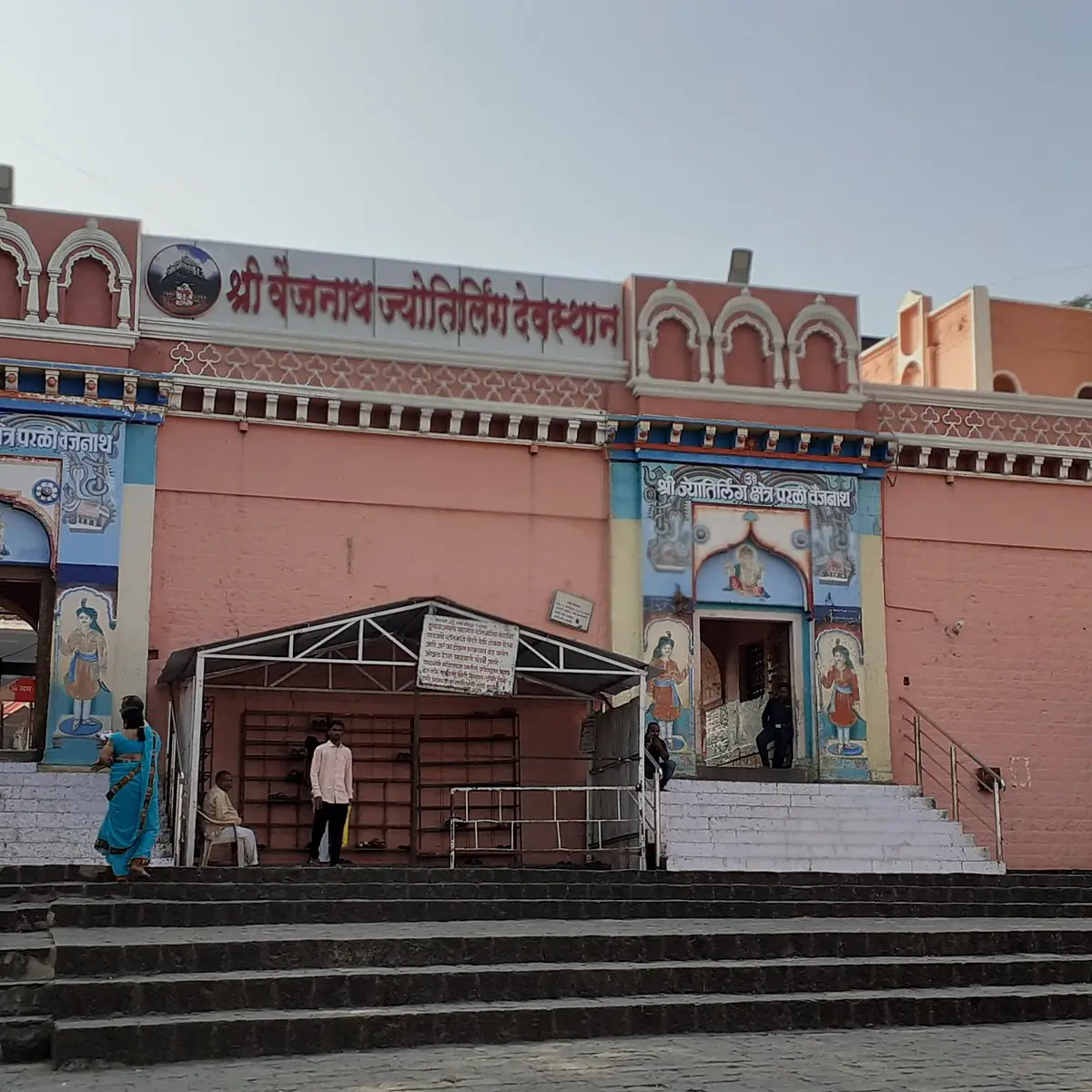
Parli has accommodation options in and around the town, but availability becomes tighter during festivals and holiday periods. Temple guesthouses, dharmashalas, hotels, and private lodgings may follow different check-in rules. Ask whether the property provides early check-in, luggage storage, parking, hot water, and transport to the temple.
Keep one buffer period in your itinerary. A train arriving shortly before a booked pooja can create unnecessary stress, especially if the station-to-temple transfer takes longer than expected. For a family visit, reaching the town on the previous evening is often more comfortable than attempting an early-morning connection on the same day.
Carry a valid government-issued identity document if your booking or special service requires verification. The name on the receipt may need to match the document, and the person named on the booking may be required to appear in person. Don’t assume that a screenshot of a payment confirmation is enough if the temple has instructed visitors to carry an original ID.
Keep valuables to a minimum. Crowded temple lanes are not the right place for loose jewellery, large wallets, or expensive camera equipment.
Use only authorised lockers or cloakrooms if available, and retain the token until collection. Never hand over your phone or valuables to an unknown person offering informal “special darshan.”
Weather also affects comfort. Summer afternoons in Maharashtra can be hot, while monsoon travel may involve wet roads and slower traffic.
Wear footwear that is easy to remove, carry necessary medicines, and plan meals around the likely queue. If you have a medical condition, don’t skip food or medication merely to remain in a line.
Photography rules can vary by zone. Exterior architecture and town scenes may be suitable for photographs, but the sanctum, ritual objects, priests, and inner areas may be restricted. A prohibition sign or staff instruction takes priority over a visitor’s assumption that photography is allowed elsewhere.
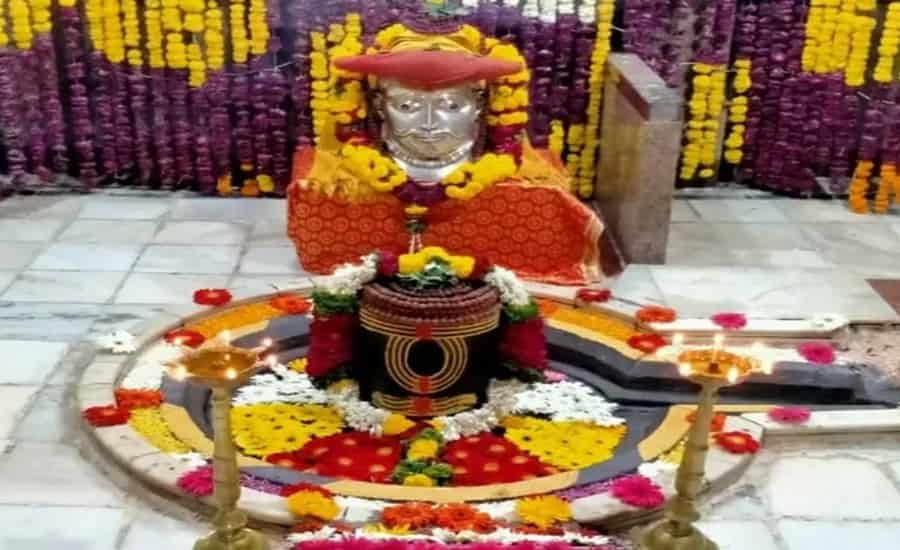
Parli Vaijnath is a living place of worship, not only a monument. Speak quietly near worship areas, avoid pushing ahead, and give priests and local devotees room to complete rituals. If you’re visiting as part of a broader Maharashtra trip, allow the religious setting to set the pace rather than treating darshan as a quick stop between tourist attractions.
Offerings should be handled through the recognised system. If you want to offer water, bilva leaves, flowers, or another item, ask the counter or priest whether it is accepted and where it should be placed. This prevents confusion and helps keep the sanctum clean.
Parli Vaijnath is traditionally identified by the temple and Maharashtra tourism authorities as one of the twelve Jyotirlingas. Another long-standing tradition identifies Baba Baidyanath at Deoghar as the Vaidyanath Jyotirlinga. The two traditions coexist, so visitors should understand the regional and textual context rather than expecting a universally settled answer.
The temple is commonly reported as opening at about 5:00 a.m. and closing around 9:00 p.m. These hours can change, and last entry may occur before the closing time. Confirm the schedule with the temple administration for your date, especially during Shravan, Mahashivratri, and other festivals.
That depends on the current temple rule, the time of day, and the type of darshan. Do not touch the linga unless authorised staff or a priest clearly permits it. Festival arrangements may suspend contact darshan even if it is allowed at another time.
Booking arrangements can change. Some services may be available through an official online system, while others may require a temple counter.
Use only a channel that clearly identifies the temple authority and provides a proper receipt. If the official status is unclear, contact the temple office before making payment.
For ordinary darshan, early morning is generally a sensible choice. For a booked pooja, arrive according to the reporting time printed on the receipt, which may be earlier than the ritual itself. On major festivals, allow substantial extra time for queues, security, and traffic.
Some services may allow a priest-mediated abhishek or offering, but the exact process is controlled by the temple. Ask whether outside water or materials are accepted, whether a ticket is needed, and whether devotees can enter the relevant area. Never pour anything into the sanctum without permission.
Parli Vaijnath railway station is the most direct rail reference for the town. Depending on your origin and train availability, another regional station may be more convenient. Check live train schedules and arrange the final local transfer before departure.
The travel distance and duration vary by road route, train connection, and traffic. A map distance is not the same as door-to-door travel time. Compare the complete journey, including the final transfer to the temple and any waiting time.
A visit to Parli Vaijnath Jyotirlinga becomes easier when you separate reliable facts from old schedules and informal promises. Confirm the opening time, last entry, aarti interruptions, pooja availability, reporting instructions, and festival arrangements close to your travel date. Keep your booking receipt and identification ready, leave room for queues, and respect any instruction issued by the temple administration.
The most useful next step is simple: decide your preferred darshan date, verify the current notice, and then build your train, road, and accommodation plans around that information. Before you leave home, check once more—because at a living shrine such as Parli Vaijnath, the latest official instruction should always have the final word.





