Physical Address
304 North Cardinal St.
Dorchester Center, MA 02124
Physical Address
304 North Cardinal St.
Dorchester Center, MA 02124

Kamakhya temple tickets can mean different things: ordinary entry, a special darshan pass, a pooja service, or a booking arranged through an authorised temple channel. Knowing the difference matters because the shrine on Nilachal Hill does not operate like a cinema or railway counter, and timings may change during festivals, maintenance, or major religious observances.
Before travelling to Guwahati, you’ll want to confirm the day’s opening hours, reporting time, queue arrangements, identification requirements, and whether a particular service is available. The most reliable approach is to use current information from the Kamakhya Devalaya authorities or local administration rather than relying only on old visitor posts.
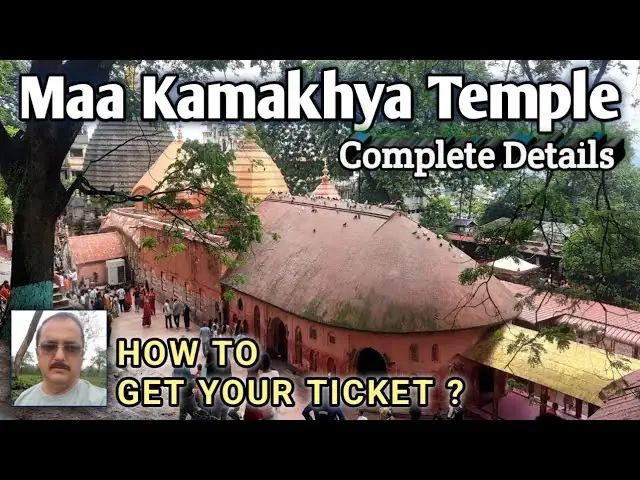
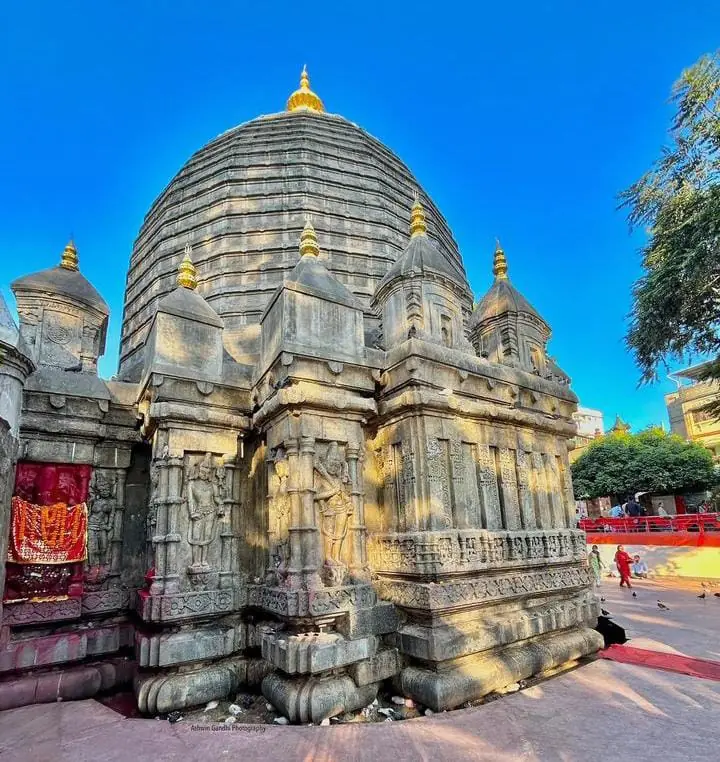
The Kamakhya Temple, also called Kamakhya Devalaya, is one of Assam’s most important Shakti worship centres. Devotees worship Maa Kamakhya, a form of the goddess associated with feminine power, fertility, and the creative energy of the earth. The principal shrine is located on Nilachal Hill in Guwahati, and the sanctum is distinctive because worship centres on a naturally formed stone representation rather than a conventional image of the goddess.
When people search for Kamakhya temple tickets, they may be asking about several different arrangements. Some want to know whether a ticket is necessary for normal darshan.
Others are asking about a VIP pass, a quicker queue, a special darshan facility, or a paid pooja service. These are not always the same thing, and their availability can vary by date and by the temple’s administrative instructions.
| Visitor requirement | What it generally refers to | What to verify before travelling |
|---|---|---|
| Ordinary darshan | Entry through the regular devotee queue, subject to crowd control | Opening hours, queue entry time and any temporary restrictions |
| Special darshan | A separately managed access arrangement, if offered by the temple | Official availability, price, reporting point and identity rules |
| Pooja service | A ritual booked or requested through an authorised temple office | Service schedule, samagri requirements, receipt and attendance rules |
| Festival entry | Access during periods such as Ambubachi Mela or other major observances | Closures, passes, security controls and restricted routes |
There is no single universal “ticket price” that can safely be quoted for every visitor. A normal temple visit may follow the regular entry process, while a ritual, special access facility, or festival pass may involve separate instructions. Prices and services can also change without much notice, particularly during high-footfall periods.
Use the official temple office or an authorised counter for payment. Avoid sending money to a personal number, an unverified social media account, or a travel intermediary that cannot provide a proper receipt. A genuine booking should clearly state the devotee’s name, service or darshan category, date, reporting time, and issuing authority.
Visitors often plan their entire Guwahati itinerary around the shrine, so timing is a practical concern. Public access is commonly described in two broad daytime windows, with a morning session followed by a break and an afternoon session.
Frequently published visitor information lists temple access around 8:00 a.m. to 1:00 p.m. and again around 2:30 p.m. to 5:30 p.m. These hours should be treated as a general planning reference, not a permanent guarantee.
The internal ritual schedule begins earlier than the main public entry period. Morning cleansing rituals, preparation of the shrine, and daily pujas may take place before ordinary visitors are admitted. The exact order and timing of these services can be affected by the temple calendar, ritual requirements, crowd conditions, and special observances.
| Part of the day | General planning information | Important caution |
|---|---|---|
| Early morning | Temple rituals and preparation may begin before public darshan | Early ritual activity does not necessarily mean general entry is open |
| Morning public session | Often planned around 8:00 a.m. to 1:00 p.m. | Queue closure may occur before the stated closing time |
| Midday interval | Public access may pause for temple arrangements and rituals | Do not assume a ticket bought in the morning remains valid later |
| Afternoon public session | Often planned around 2:30 p.m. to 5:30 p.m. | Last entry can be earlier than the closing time |
People sometimes confuse the temple’s closing time with the last time a devotee can join the queue. Those are different.
If a large crowd is already waiting, staff may regulate entry so that the premises can be cleared safely. A visitor who arrives at 5:20 p.m. may not receive the same access as someone who joined the queue earlier.
For a regular visit on a quieter weekday, a few hours may be enough for travel to the hill, security checks, queueing, darshan, and departure. During weekends, school holidays and religious occasions, the waiting period can be considerably longer. There is no reliable public rule that guarantees a fixed waiting time because the number of devotees changes throughout the day.
If your journey depends on a train, flight, wedding, or connecting tour, keep a generous buffer. Do not schedule a tightly timed return immediately after darshan. The climb and approach roads may also become slow when traffic management is introduced around the temple premises.
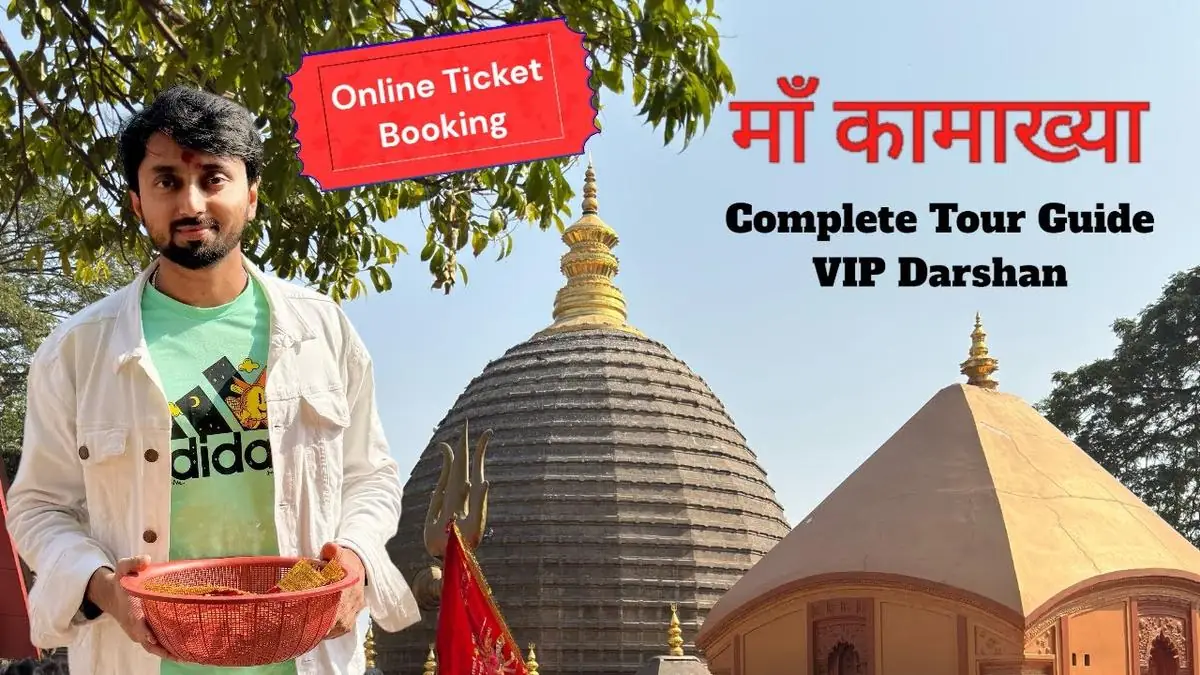
The phrase “VIP ticket” is widely used by visitors, but it should not be assumed that every online advertisement represents an official temple service. Some arrangements described as special darshan may be available only through a temple office, an authorised counter, or a specific local procedure. Others may be unavailable on a particular day because of ritual activity, security instructions, or exceptionally high demand.
A special darshan facility, where officially offered, may reduce time spent in a general queue, but it cannot always remove waiting altogether. You may still need to report at a designated time, show identification, pass through security, and follow the instructions of temple staff. Access can be paused even for ticket holders if the sanctum or approach route is temporarily closed for a ritual.
| Option | Potential advantage | Limitations to remember |
|---|---|---|
| Regular darshan | No dependence on a special service being available | Waiting may be longer during crowded periods |
| Authorised special darshan | May provide a separate queue or managed access | Availability, reporting time and charges can change |
| Booked pooja | Allows participation in a named ritual or offering where permitted | It may not provide immediate or private access to the sanctum |
| Unofficial agent package | May appear convenient in advertisements | Risk of unclear charges, false promises or invalid entry claims |
Before paying for a VIP pass, ask five direct questions: who issues it, what exactly it includes, where you must report, whether it is refundable, and whether every member of your group needs separate identification. Request a printed or digital receipt. If the seller refuses to identify the issuing temple office or uses language such as “guaranteed darshan in five minutes,” treat that as a warning sign.
For elderly visitors, families with young children, or travellers with mobility and time constraints, an authorised special arrangement may be useful if it is genuinely available. It is less valuable if the day already has restrictions or if the pass only covers a counter service while the actual darshan queue remains subject to crowd control.
Do not judge value only by the price. Consider the distance you have travelled, the health needs of your group, the likely crowd, and whether the facility has clear official terms. A regular visit on a non-festival weekday may be simpler than trying to secure a last-minute pass from an unknown source.
Online information about the Kamakhya Temple can become outdated quickly. A page that displays an old schedule or a previous festival notice may still appear in search results. The safest process is to verify the information close to your travel date and again on the morning of your visit if possible.
For background on the shrine’s location and religious importance, the Assam Tourism information on Kamakhya Temple is a useful reference. It should complement, not replace, the latest temple-specific instructions about tickets, access, and daily operations.
Take a screenshot of the confirmation if the booking is digital, but carry the original identity document requested by the issuing authority. A screenshot may prove that you made a payment, yet it may not be accepted as an entry document if the temple requires a receipt or printed pass.

Kamakhya is an active place of worship, not simply a sightseeing monument. Dress should be modest and comfortable, with clothing that is respectful of a Hindu temple environment. Loose footwear, heavy bags, and unnecessary valuables create practical problems because security arrangements may restrict what can be carried inside.
Photography rules can be especially sensitive near the sanctum and ritual areas. Even if a phone is permitted on the hill or in an outer courtyard, that does not mean photography is allowed inside every shrine. Staff instructions take priority over assumptions based on what another visitor has done.
Visitors should also be prepared for stairs, uneven surfaces, crowds, and periods of standing. Accessibility facilities available on a particular day may not cover every part of the historic complex. If someone in your group has mobility limitations, contact the temple office before travel and ask about the nearest practical drop-off point, assistance, and whether a companion may accompany the person through a special route.
Devotees may wish to bring flowers or make an offering, but the temple may regulate which materials can enter and where they may be purchased. Avoid buying expensive ritual packages from anyone who cannot explain what is included. Ask for a receipt and confirm whether the offering is part of a booked pooja or simply an item available at a temple-approved counter.
A pooja booking does not necessarily mean that you can conduct the ritual privately or remain in the sanctum for an unlimited time. Rituals follow established procedures, and crowd movement may limit personal participation. Clarify the service name, approximate duration, number of participants, and collection arrangements before making payment.
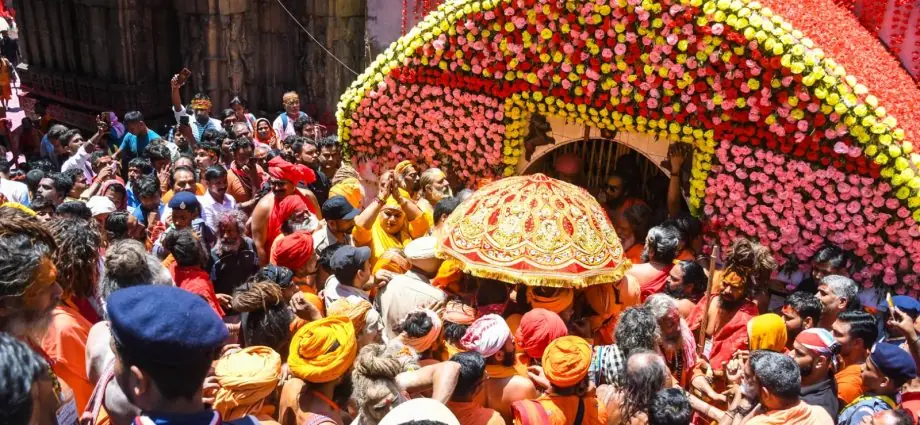
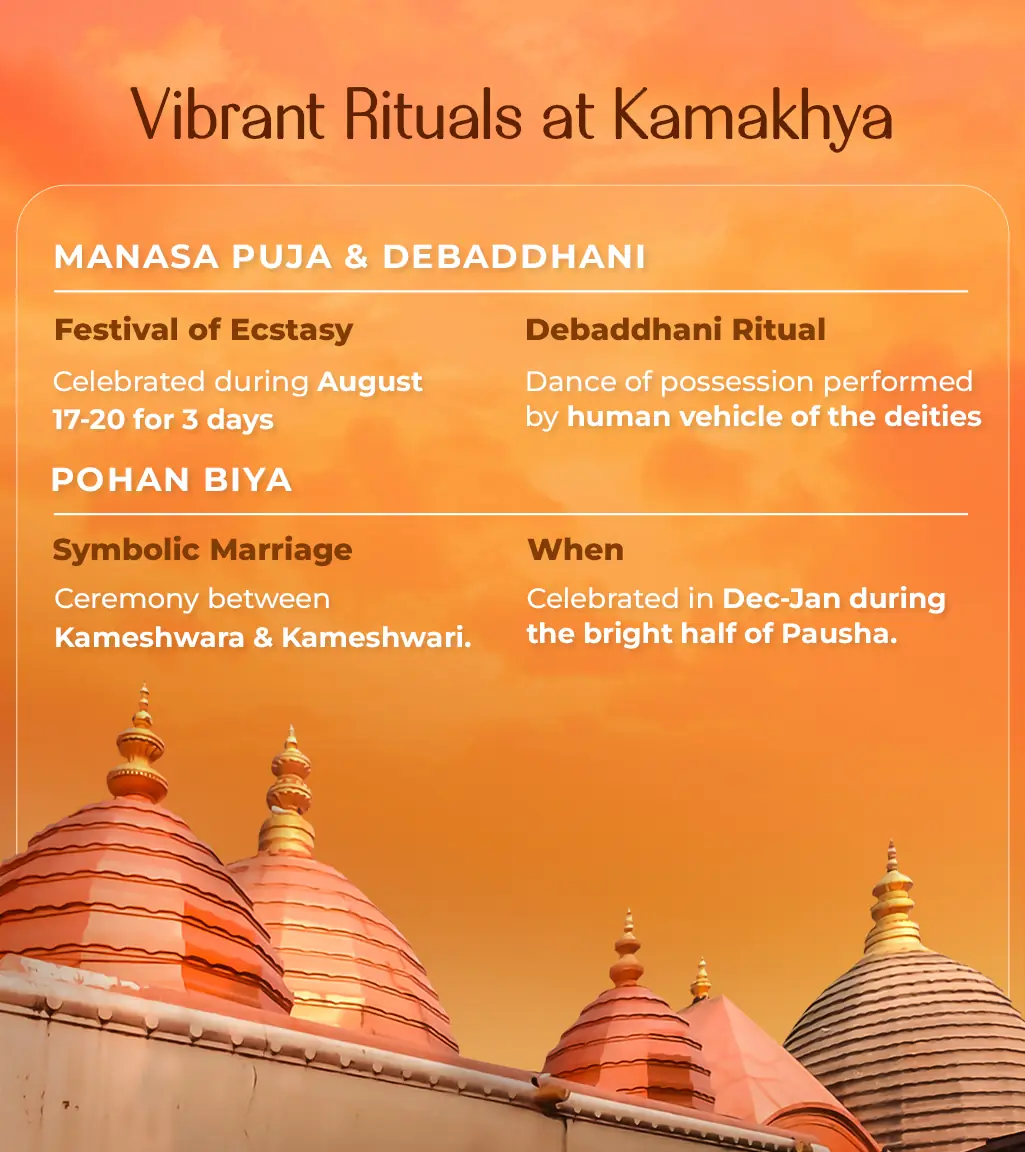
The most important timing change associated with Kamakhya is linked to Ambubachi, an annual observance connected with the goddess’s symbolic menstruation. During Ambubachi Mela, the main shrine traditionally closes for a period of several days and reopens after the observance. The exact public access arrangements, opening ceremony, crowd controls, and distribution of religious items are announced for each year.
This is a real-world example of why a normal timetable cannot be applied mechanically. In years when the Ambubachi Mela draws large crowds, authorities may introduce route restrictions, traffic controls, temporary facilities, registration arrangements, or limits on movement around Nilachal Hill. The usual morning and afternoon darshan pattern may not operate during the closure or immediately around the reopening.
Other occasions can also change the experience. Navratri, Durga Puja periods, New Year holidays, weekends, and important lunar-calendar dates may bring more devotees.
A day that is comparatively calm in one month can become exceptionally busy in another. The temple’s religious calendar is more useful for planning than a generic tourist itinerary.
| Travel period | Likely planning issue | Best response |
|---|---|---|
| Ordinary weekday | Regular public schedule may be easier to follow | Still verify opening and last-entry information |
| Weekend or holiday | Longer queues and slower movement around the hill | Arrive early and avoid tight onward bookings |
| Ambubachi period | Main shrine closure and major crowd-management measures | Check the annual official notice before booking travel |
| Major festival day | Special rituals may affect ordinary darshan | Confirm whether public access or passes are restricted |
Visitors should not travel to Guwahati expecting to purchase a ticket at the last minute during Ambubachi or another major occasion. Accommodation, transport and entry arrangements can become difficult at the same time. If the purpose of your journey is a particular ritual, obtain confirmation from the temple authority before paying for non-refundable travel.
Kamakhya Temple is in Guwahati, Assam, on Nilachal Hill. The final approach can involve traffic, walking, stairs, queues and security checks. Even if a vehicle takes you close to the entrance, you should plan for time on foot and for waiting in a controlled line.
Start with the day’s first confirmed public access period rather than assuming that arriving at dawn guarantees entry. Early arrival can be sensible on a crowded day, but visitors may have to wait outside until the designated entry process begins. Carry water for the journey where permitted, keep medication accessible, and eat appropriately before joining a long queue.
Families should decide in advance who will remain with children, who will carry documents, and where the group will meet if mobile connectivity becomes unreliable. Older devotees may need a slower route and more rest breaks. Avoid separating from a booked group without informing the person responsible for the receipt or pass.
Food, water and other visitor facilities may be available around the broader approach area, but you should not assume that every facility operates at all hours or close to every gate. People with medical needs should carry their own essential supplies and identify a meeting point outside the busiest area.
For many devotees, the purpose of the visit is spiritual rather than architectural. That does not make practical planning less important. A calm arrival, realistic time allowance and respectful conduct help you focus on darshan instead of arguing about queues or rushing through the temple premises.
Ordinary entry may follow the regular queue and may not be the same as a paid VIP or pooja booking. Rules can change by date, crowd level and festival, so confirm the current process with the temple office before travelling.
Online availability should be confirmed through an authorised temple channel. Do not assume that a website or social media account offering a VIP pass is genuine. Check the issuing authority, receipt, reporting location, identity requirements and cancellation terms before paying.
There is no single price that can be responsibly stated for every date and service. Charges, if applicable, depend on the facility offered and the temple’s current instructions. Ask the official counter or authorised booking channel for the current amount.
Visitor information commonly places the main public access period in the morning, often around 8:00 a.m., with a later afternoon session after a midday interval. Ritual activity may begin earlier, and last entry may occur before the stated closing time. Confirm the schedule for your date.
Many visitors plan ordinary darshan through the regular entry process rather than a pre-booked service. Whether that is possible on a particular day depends on crowd controls, festival arrangements, security restrictions and any active registration system.
A non-festival weekday may be easier if your priority is shorter waiting and simpler movement. Devotees may choose a particular day for religious reasons, but no day guarantees immediate darshan. Check the temple calendar and current notices before finalising your trip.
Rules can differ between outer areas, queue zones and shrine interiors. Follow notices and staff directions, and never photograph a restricted ritual or sanctum area merely because another person appears to be doing so.
Use the reporting time printed on your receipt or confirmation, not just the general temple opening time. Arriving early is usually safer because security checks, traffic and queues can delay you, but ask the issuing office how early they expect devotees to report.
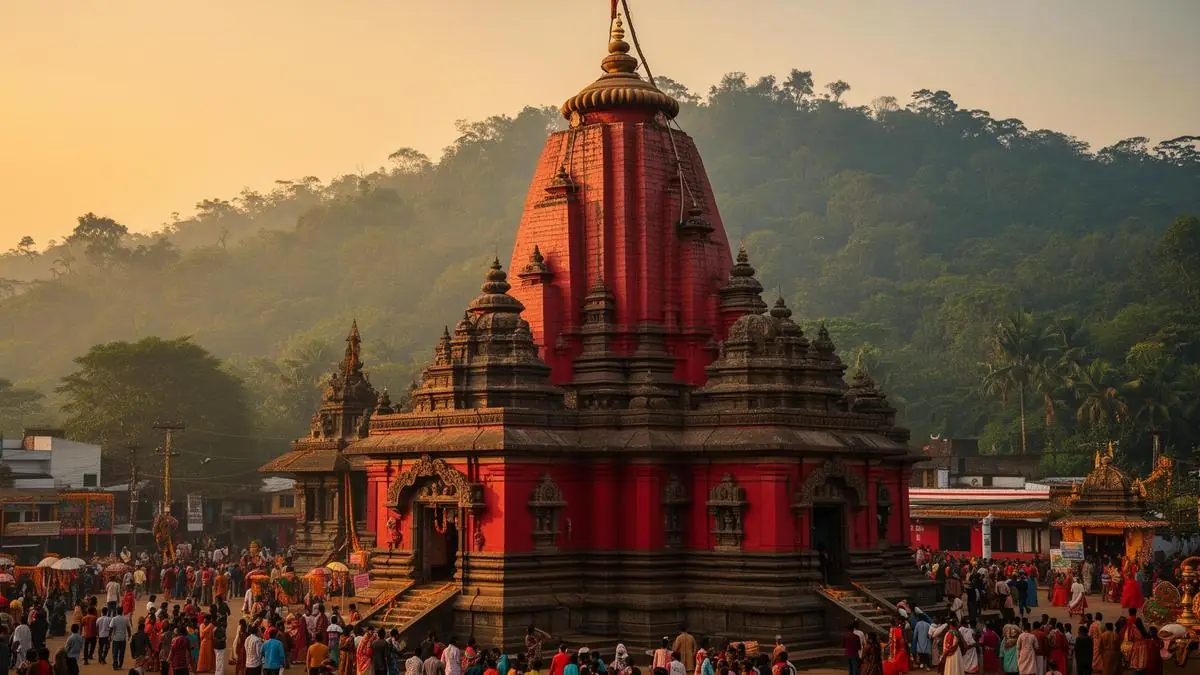
Kamakhya temple tickets are not one universal product, and the right arrangement depends on whether you need ordinary darshan, special access, or a specific pooja. Treat published timings as planning guidance until the temple authorities confirm the schedule for your date. Carry identification, preserve your receipt, allow extra time, and be especially cautious around Ambubachi Mela and other crowded observances.
Before you leave for Guwahati, verify the latest opening hours, booking channel, reporting point and entry rules directly through an authorised source. A few minutes spent checking current information can prevent a wasted journey—and help you approach Maa Kamakhya’s shrine with the patience and respect the visit deserves.





