Physical Address
304 North Cardinal St.
Dorchester Center, MA 02124
Physical Address
304 North Cardinal St.
Dorchester Center, MA 02124
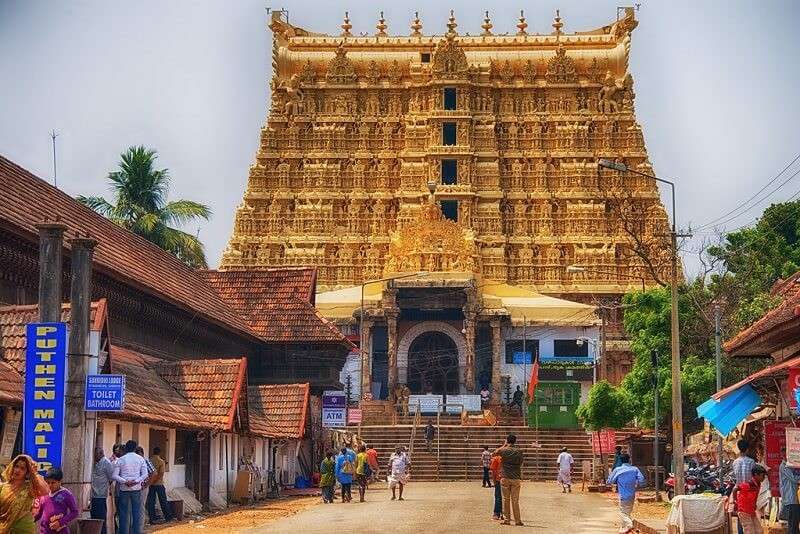
Padmanabhaswamy Temple tickets can be confusing because darshan access, ritual schedules, dress requirements and booking arrangements may not follow the pattern used at many other Indian temples. At the Sree Padmanabhaswamy Temple in Thiruvananthapuram, Kerala, devotees should confirm the latest position before travelling rather than rely on an old timing chart or an unverified claim about a ₹500 darshan ticket. This article explains how to check Padmanabhaswamy Temple darshan tickets, understand pooja timings, plan for queues and follow entry rules respectfully, while clearly separating dependable guidance from details that can change.
The temple is an important Vaishnavite shrine dedicated to Lord Padmanabha, a form of Lord Vishnu reclining on Ananta. Its worship follows a highly traditional system, so a successful visit depends as much on preparation and appropriate conduct as on reaching the entrance at the right hour.
Many people begin their search with a simple question: “Where can I buy Padmanabhaswamy Temple tickets?” The answer may depend on the type of access being discussed. A standard temple visit, a particular ritual, special darshan, a festival-day entry arrangement and an offering may each be handled differently. A reference to a “ticket” doesn’t automatically mean that every devotee needs an online pass before entering.
The first task is to identify the official current arrangement. Check the temple’s official website, official notice, authorised temple office or published helpline before making travel plans. If an online booking page is available, confirm that the domain belongs to the temple administration and that the page clearly states the applicable date, service, fee, reporting point and identification requirements.
Search results often mix current information with old pages. A statement about a VIP darshan ticket price, a ₹500 darshan ticket or online ticket booking may have been accurate for a particular period, a particular ritual or another temple entirely. Don’t pay an intermediary merely because a page uses words such as “confirmed,” “priority” or “guaranteed.” Those descriptions aren’t proof of authorisation.
Before travelling, verify these basic details:
For background on the shrine, its history and visitor context, you can also consult the Kerala Tourism information page on Sree Padmanabhaswamy Temple. Treat general tourism information as background, though; the temple administration remains the right authority for live booking rules and daily entry decisions.
Darshan timings are not simply the same as a building’s opening hours. A temple may open for a specific worship sequence, close temporarily while a pooja is conducted, and reopen for devotees later. The hours printed on a travel website may describe a broad visiting period rather than the exact time when devotees can approach the sanctum or join a particular darshan queue.
At the Sree Padmanabhaswamy Temple, ritual discipline is central to the daily routine. Morning darshan and evening darshan may be separated by worship activities, preparation of offerings and other temple procedures. Even if the outer premises appear accessible, that doesn’t mean every form of entry or viewing is available at that moment.
Use a two-stage checking method. First, look for the latest schedule on an official temple channel.
Second, confirm it close to the date of your visit, particularly if you’re travelling from another district or state. A schedule copied onto a hotel page or social-media post may not include a temporary closure.
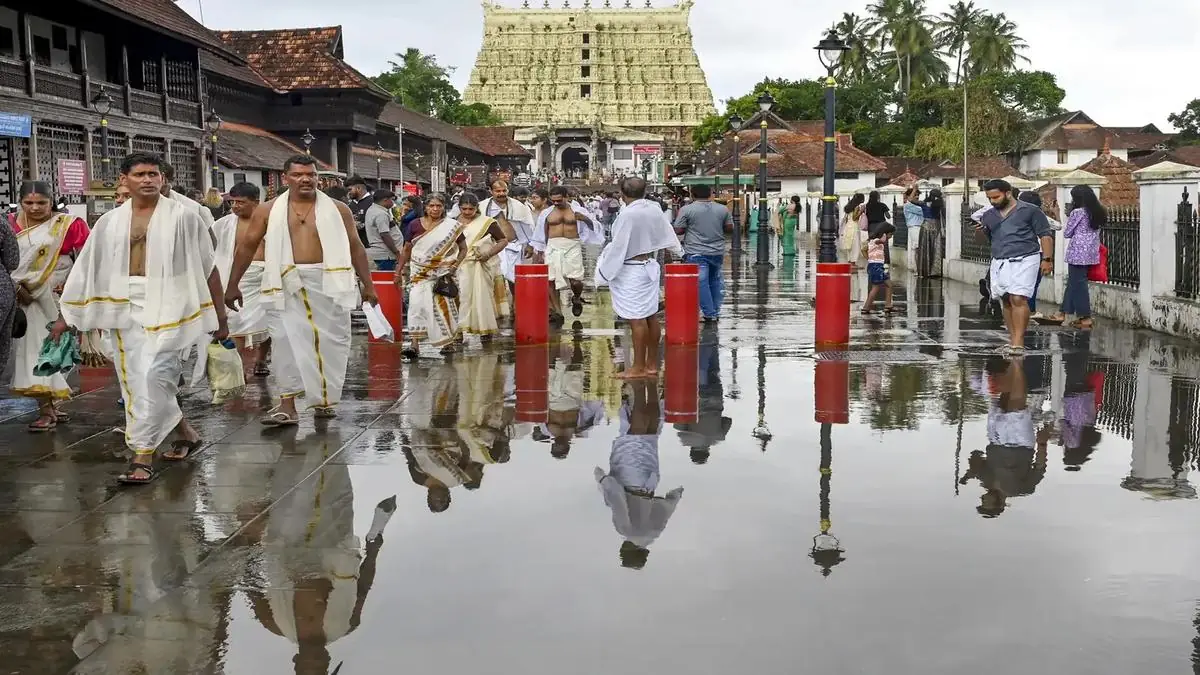
Temple timings may be adjusted because of festivals, Ekadashi observances, special poojas, ceremonial processions, VIP visits, maintenance, security instructions or crowd-management decisions. Some changes are planned, while others are announced at short notice. A festival darshan arrangement may also involve separate queues or restrictions that don’t apply on an ordinary weekday.
Look for wording such as “reporting time,” “entry time,” “darshan slot” and “pooja time.” These terms are not interchangeable. A reporting time tells you when to arrive for verification.
A darshan slot may indicate a window rather than an exact minute. A pooja time can describe a ritual when ordinary movement near the sanctum is restricted.
It’s sensible to save a screenshot or print your booking confirmation, but don’t assume a screenshot replaces identity proof or a valid original pass. If the official page lists a helpline or temple office, ask whether the schedule has changed before setting out. This small step can prevent a long journey ending in a closed or restricted entry window.
Online ticket booking is convenient when an authorised facility exists, but visitors should first determine what the booking actually covers. Some temple systems issue a digital pass for a defined darshan service.
Others use online registration only for selected offerings or special occasions. A payment receipt by itself may not be an entry ticket.
Use the official temple website or an officially announced booking portal. Check the web address carefully, especially if you found it through an advertisement. Fake pages may copy temple photographs, colours and wording while directing users to personal bank accounts, messaging-app numbers or unfamiliar payment gateways.
An authorised form may ask for the devotee’s name, mobile number, date of visit, number of visitors and identity details. The exact fields vary, so don’t assume that a form requiring excessive personal information is genuine. Read the privacy and cancellation information where available, and keep the transaction reference until the visit is complete.
After payment or registration, confirm that the document shows:
An offline ticket counter may be used for certain services, but visitors shouldn’t assume that a counter is open throughout the day. Ask at the authorised temple office or security information point rather than a tout outside the complex. If the temple has not publicly confirmed an online system for your intended service, an in-person enquiry is safer than paying a third-party “booking agent.”
Keep the original identity document used during booking. A clear photocopy or digital image may not be accepted, depending on the temple’s procedure. Families should also check whether every member must be listed individually, including children, and whether an accompanying person can enter under the same booking.
Visitors often use “darshan ticket” and “pooja ticket” as if they mean the same thing. They usually don’t. Darshan is the act of receiving the deity’s sight and blessings.
A pooja or offering may involve a separate payment, registration, receipt and ritual procedure. Buying an offering doesn’t necessarily provide priority entry, a longer viewing period or permission to participate inside restricted areas.
The daily worship of Lord Padmanabha follows established temple customs. Ritual names and access conditions should be confirmed from the temple administration because services can be suspended, rescheduled or limited on specific days. Avoid relying on a list that gives exact times without showing its source and update date.
Morning darshan is often attractive to devotees who want to reach the temple before the city becomes busy. It may also coincide with important early worship procedures, so arriving very early doesn’t guarantee immediate entry. Evening darshan can offer a different atmosphere, but queues may build after working hours and during local observances.
Ekadashi is especially significant in Vaishnavite worship. The precise arrangements on an Ekadashi day, including queue movement and access to special rituals, should be checked for the relevant date. A regular weekday pattern cannot safely be applied to a major observance.
Some visitors search for special darshan because they expect a shorter queue. That may be true only if the temple has formally announced such a service, and “special” can refer to a ritual category rather than a guaranteed fast entry. Ask three direct questions before paying: What does the ticket include?
Where must the holder report? Does it reduce queue waiting time, or does it only authorise a particular offering?
Respect the difference between a devotional offering and a sightseeing product. Temple staff may limit photography, conversation, movement and the time spent near the viewing point so that worship can proceed without disturbance.
“How much is VIP darshan at Padmanabhaswamy Temple?” is one of the most common search questions. There is no responsible single answer unless the temple administration has published a current price for a clearly defined service. Fees can change, and the expression VIP darshan may be used informally by agents for a service that the temple itself does not describe that way.
Never treat a price mentioned in an old video, blog post or message as current. The same amount may have referred to a donation, an offering, an administrative charge or a special event rather than an entry pass. A ₹500 darshan ticket, for example, should be regarded as unverified unless the official source currently identifies that amount, service and eligibility.
| Term used by visitors | What it may refer to | What you should verify |
|---|---|---|
| Ordinary darshan | Regular devotee entry under the daily temple arrangement | Queue process, opening hours and whether a pass is required |
| Special darshan | A formally announced service or a distinct entry category | Exact inclusions, reporting point and current fee |
| VIP darshan | An official priority or designated access arrangement, if offered | Whether the temple uses this term and who is eligible |
| Offering or pooja receipt | Payment connected with a devotional ritual or offering | Whether it includes entry, participation or only the offering |
| Online registration | A digital record or appointment request | Whether registration is a confirmed ticket and how to validate it |
Ask for a printed receipt or official digital confirmation. If an agent promises instant access, a guaranteed viewing duration or entry through a private door, be cautious. Temple security and administration control access, not independent guides or transport providers.
A higher fee doesn’t override dress rules, identity checks, prohibited-item rules or instructions from temple personnel. Every category of visitor remains responsible for respectful conduct and compliance with the current entry rules.
The temple’s dress code is one of the most important practical points for first-time visitors. Traditional attire is generally expected, and visitors should confirm the current requirements before leaving their accommodation. Men may be required to wear a dhoti or an accepted traditional lower garment, while women may be expected to wear a saree or another form of traditional dress accepted under the temple’s rules.
Clothing that is acceptable at a tourist attraction may not be acceptable for temple entry. Don’t wait until you reach the gate to discover that shorts, trousers, sleeveless clothing or an unsuitable wrap is not permitted. Hotels, local shops and authorised temple facilities may provide changing arrangements, but availability and charges should be checked locally rather than assumed.
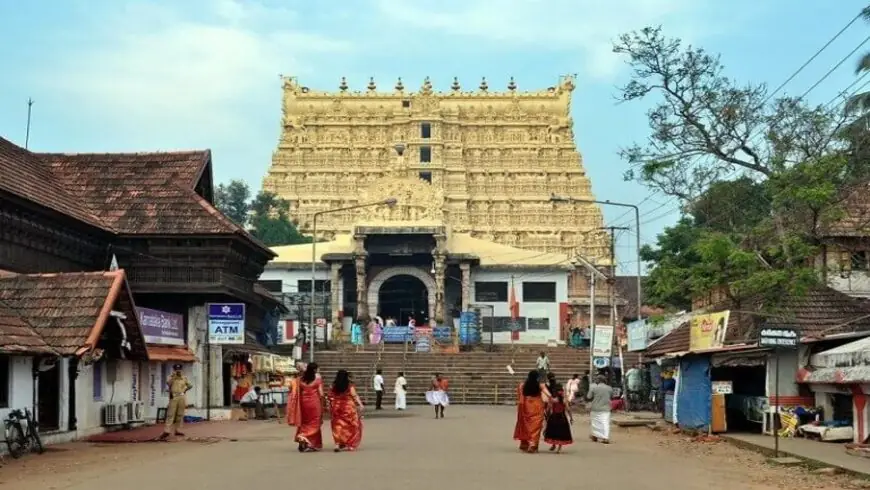
Mobile phone restrictions and camera restrictions may apply inside parts of the temple complex. Devotees should follow signs and staff instructions even if another visitor appears to be using a device. Photography rules can be stricter near the sanctum, and recording a ritual without permission is inappropriate as well as potentially prohibited.
Before visiting, prepare:
Ask the temple office where footwear, bags and electronic devices may be deposited. Don’t leave valuables with unauthorised persons outside the entrance. Rules regarding children, senior citizens, mobility aids and accompanying attendants can also vary, so families requiring assistance should contact the temple before arrival.
Entry rules exist to protect the sanctity of worship and manage large numbers of devotees. Cooperation usually makes the visit calmer for everyone, especially on crowded days.
Searchers frequently ask how long darshan takes at Padmanabhaswamy Temple or how long the queue will be. No honest source can guarantee a fixed waiting time for every day. Queue length depends on the date, season, festival calendar, local holidays, special observances, security arrangements and the number of visitors arriving at the same time.
Darshan duration is also different from the total visit duration. You may spend a considerable period waiting but only a brief time near the viewing area. That short viewing period is normal in a busy temple and allows more devotees to receive darshan without prolonged congestion.
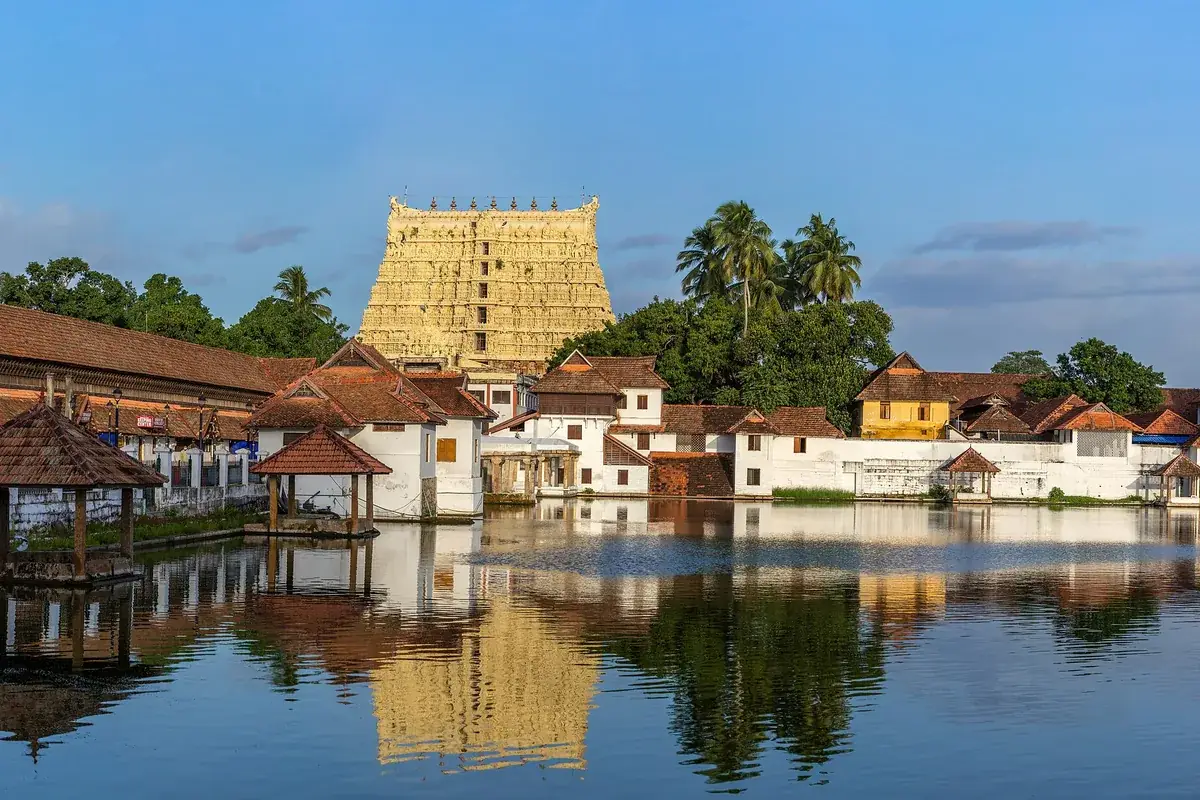
Allow a buffer before and after your intended darshan. This matters if you have a train, flight, hotel checkout, wedding ceremony or another temple visit scheduled. A booking slot, where one exists, should be treated as a reporting window rather than a promise that the complete visit will finish at a precise minute.
Weekdays can be quieter than major festival days, but no date should be described as guaranteed to have a short line without current local information. Early arrival may help with organisation, yet it may not shorten the wait if a major ritual is underway or entry begins only after a scheduled opening.
For a smoother visit, consider the following habits:
If you have a medical condition that makes standing difficult, contact the temple administration before the visit. Don’t presume that a paid ticket automatically provides seating, a separate entrance or assisted access.
Ordinary daily schedules are least reliable during festivals and special occasions. The temple may introduce additional security, restrict photography, change queues, suspend some services or alter the timing of public access. A festival darshan can be deeply meaningful, but it requires more patience and advance preparation than a routine weekday visit.
Ekadashi days deserve particular attention for devotees following Vaishnavite traditions. Crowd levels, ritual priorities and entry arrangements may differ from the standard timetable. The name of the observance alone isn’t enough to predict what will happen; check the notice for the exact date and year.
Other possible causes of change include temple ceremonies, visits by dignitaries, maintenance, local administration orders and weather-related crowd management. Security personnel may temporarily pause movement even when a published schedule says the temple should be open. Such pauses don’t necessarily mean that your ticket is invalid, but you must follow the instructions given at the site.
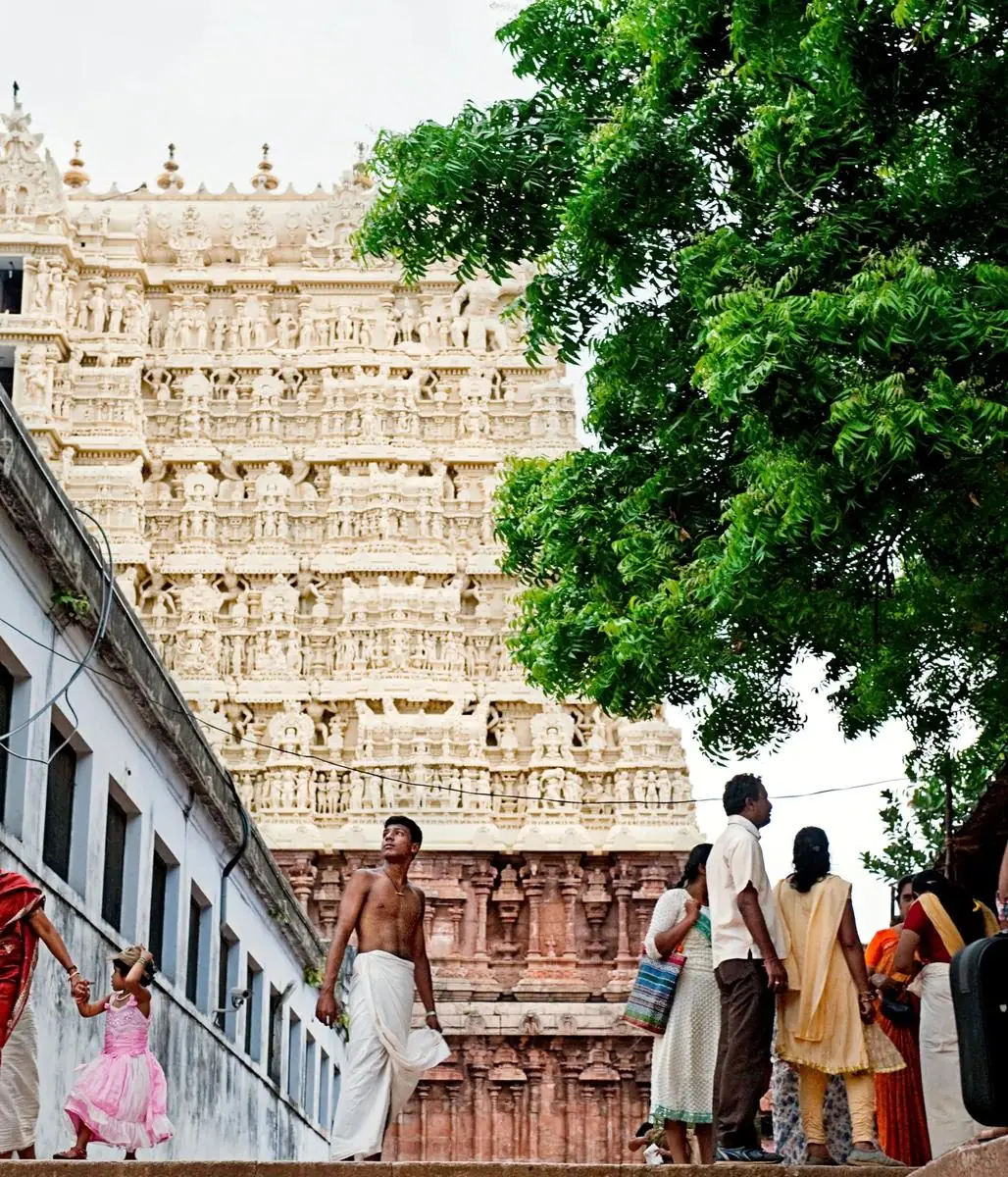
Begin by checking the official festival notice and any booking release information. If tickets are released in batches, note the opening time in Indian Standard Time and avoid waiting until the last day. A successful payment attempt should be followed by a confirmation message or receipt; a bank debit without a generated booking record requires prompt clarification through the official channel.
Arrange accommodation and transport with flexibility. Roads around Thiruvananthapuram may be busier during major events, and vehicles may not be able to stop close to the temple entrance. Wear suitable clothing from the start if changing facilities are crowded, and keep your identity documents in a secure but easily reachable place.
Most importantly, don’t confuse a festival pass with permission to enter every ritual area. Access remains subject to temple administration, security and the worship sequence underway.
Example, not a verified report of a particular booking: imagine a family from Bengaluru planning a Saturday visit to the temple during a period when they have seen online references to VIP darshan and a ₹500 ticket. They should not choose a seller solely because the seller offers a convenient price or promises a short queue.
The family’s first step would be to check whether the official temple administration currently lists any online darshan service for that Saturday. They would record the exact service name, fee, reporting location, visitor limit and required identity proof. If no official listing confirms a VIP darshan category, they should treat the third-party claim as unverified and ask the temple office about ordinary entry.
Next, they would check the relevant darshan timings shortly before travel. Because one member is elderly, they would ask about queue conditions, seating or assisted access rather than assuming that a paid offering includes these facilities. They would also prepare traditional clothing, leave cameras and unnecessary devices at the accommodation, and allow extra time for security and footwear procedures.
Suppose their online payment is deducted but no booking confirmation appears. The correct response is to preserve the transaction reference, check the official payment status and contact the authorised support channel. They shouldn’t make a second payment to an agent simply to obtain a document that looks similar to a ticket.
This example illustrates a useful principle: a reliable temple visit is built from several confirmations, not from one attractive search result. The details here are planning guidance only, not a claim about the temple’s current prices, timings or ticket categories.
The most common mistake is treating every web page as equally authoritative. A page may rank well in search results and still contain an old timetable, an incomplete dress code or a price from a previous arrangement. Date-sensitive temple information needs a source and a recent confirmation.
Another problem is confusing temple access with nearby attractions. Thiruvananthapuram has many places of interest, but a sightseeing pass, hotel package or local tour does not necessarily provide entry to the Sree Padmanabhaswamy Temple. Ask exactly what the payment covers before accepting an itinerary.
Visitors also sometimes book travel before checking whether the temple is open to the public on the desired day. Ritual closures and special events may be announced after transport has been arranged. A flexible plan is safer than a tightly packed schedule with no allowance for queue waiting time.
Avoid these errors:
If information conflicts, give priority to a current official notice, then confirm by telephone or at the authorised temple office. Keep a note of the date and time of your enquiry. That record can be useful if a booking page changes before your visit.
Requirements can vary by service and date. Don’t assume that a ticket is always mandatory or always unnecessary. Check the latest official temple instruction for ordinary darshan before travelling.
Only use online VIP darshan booking if the temple administration currently identifies that service through an authorised channel. An agent’s claim or a social-media advertisement isn’t sufficient proof.
The amount should not be treated as current without an official confirmation. It may refer to an old arrangement, an offering or another category. Verify the service name, fee and validity on the official booking source.
Queue waiting time and darshan duration change with crowd conditions, rituals, festivals and security procedures. Allow a generous buffer rather than planning around a guaranteed number of minutes.
Traditional attire is generally important at this temple, but the accepted details should be checked before your visit. Men should confirm requirements concerning a dhoti, and women should verify whether a saree or another approved traditional garment is required.
Mobile phone restrictions and camera restrictions may apply. Follow the latest signs and staff directions, and ask about authorised storage instead of carrying valuable devices through the queue.
Check the official notice or contact the authorised temple office with your booking reference. Ask whether the ticket is rescheduled, refunded or valid for a revised reporting time.
The safest way to arrange Padmanabhaswamy Temple tickets is to verify the service, date, fee, reporting time and entry conditions directly through an authorised temple channel. Keep your booking confirmation and identity proof together, dress according to the current temple code, and allow more time than the minimum estimate for queues and rituals.
Before leaving for Thiruvananthapuram, check the latest darshan timings once more. A careful final confirmation is far more valuable than an attractive but outdated promise of VIP access or a fixed ₹500 ticket. If you’ve recently received an official update about booking or timings, sharing that experience can help other devotees plan responsibly too.





