Physical Address
304 North Cardinal St.
Dorchester Center, MA 02124
Physical Address
304 North Cardinal St.
Dorchester Center, MA 02124
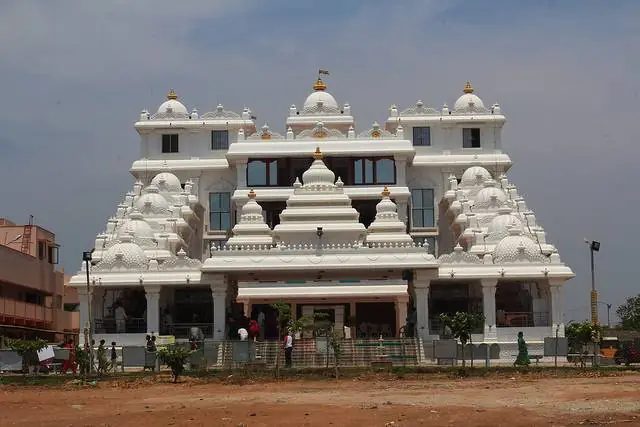
Planning a visit becomes much easier when you know how ISKCON Temple in Chennai ECR timings work, especially if you’re travelling from central Chennai, Sholinganallur, or along the East Coast Road. The temple’s public darshan hours, morning and evening worship, prasadam service, festivals, and special programmes may follow different schedules. This article explains what visitors should check before leaving home, how darshan and puja timings generally operate, what to expect at the entrance, and how to confirm the latest information through ISKCON Chennai’s official channels.
Because temple programmes can change for festivals, maintenance, guest visits, or special spiritual events, a last-minute confirmation is important. You’ll also find practical guidance on booking, clothing, photography, accessibility, parking, and the best way to plan a peaceful visit.
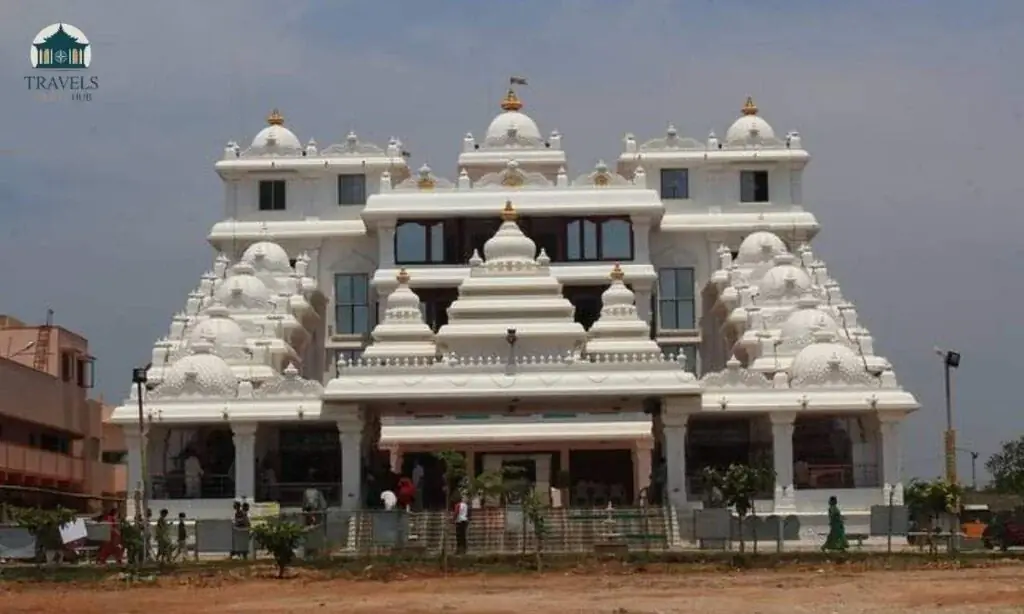
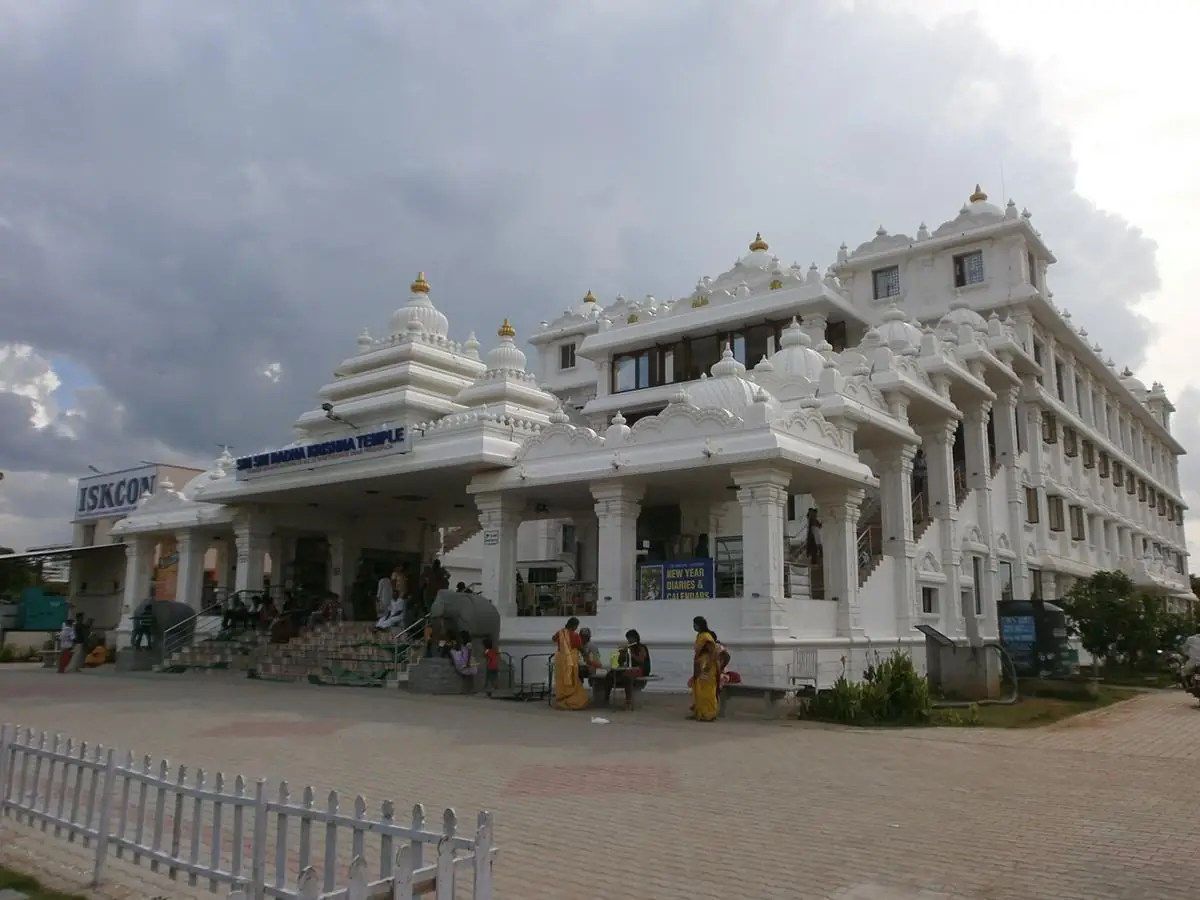
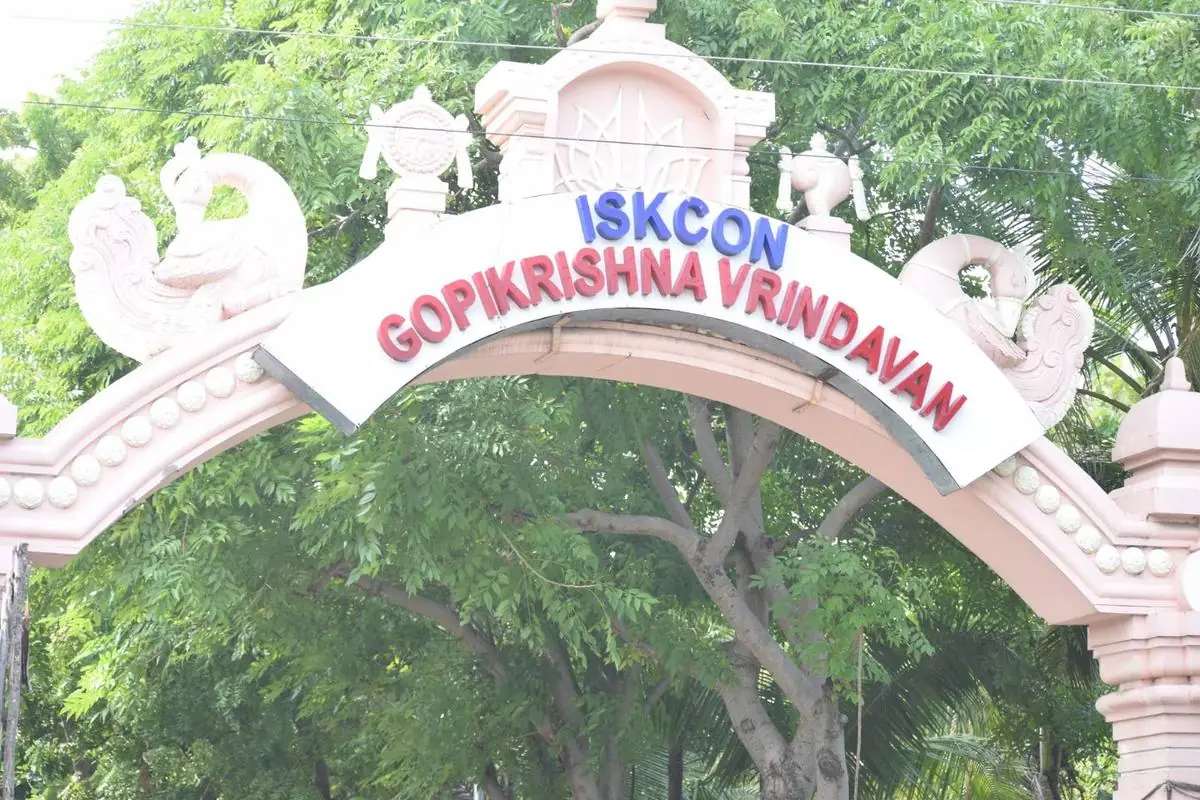
ISKCON Chennai’s temple complex is associated with the East Coast Road area near Akkarai and Sholinganallur. Many people refer to it simply as the ISKCON temple in ECR, while searchers may also use terms such as “ISKCON Temple Chennai timings,” “ISKCON Temple Sholinganallur timings,” or “ISKCON ECR timings.” These searches generally refer to the same Chennai temple destination, but it’s still sensible to confirm the exact location before starting your journey.
Public visiting hours and worship schedules aren’t always identical. A temple can be open for a particular period while a specific altar, hall, restaurant, or programme operates on a different timetable. The schedule may also be altered during Janmashtami, Gaura Purnima, Radhashtami, special kirtans, lectures, or other Vaishnava observances.
| What you want to attend | What to verify before travelling | Why the timing matters |
|---|---|---|
| General darshan | Morning and evening public viewing hours | Altar access may pause during worship or service activities |
| Morning puja or arati | Exact start time and entry instructions | Devotees are expected to arrive before the ceremony begins |
| Sandhya arati | Evening programme time on that date | It may be especially busy on weekends and festival days |
| Prasadam | Serving hours, availability, and whether tokens are required | Prasadam service may not run throughout temple opening hours |
| Discourse or class | Venue, language, topic, and registration requirement | Programmes may be in Tamil, English, or another language |
| Special festival | Entry, queue, parking, and pass arrangements | Normal timings may be replaced by an extended or controlled schedule |
For the latest official announcement, check the temple administration or the official ISKCON Chennai website before leaving. Treat map listings, social media posts, and older directory pages as useful reference points rather than final authority.
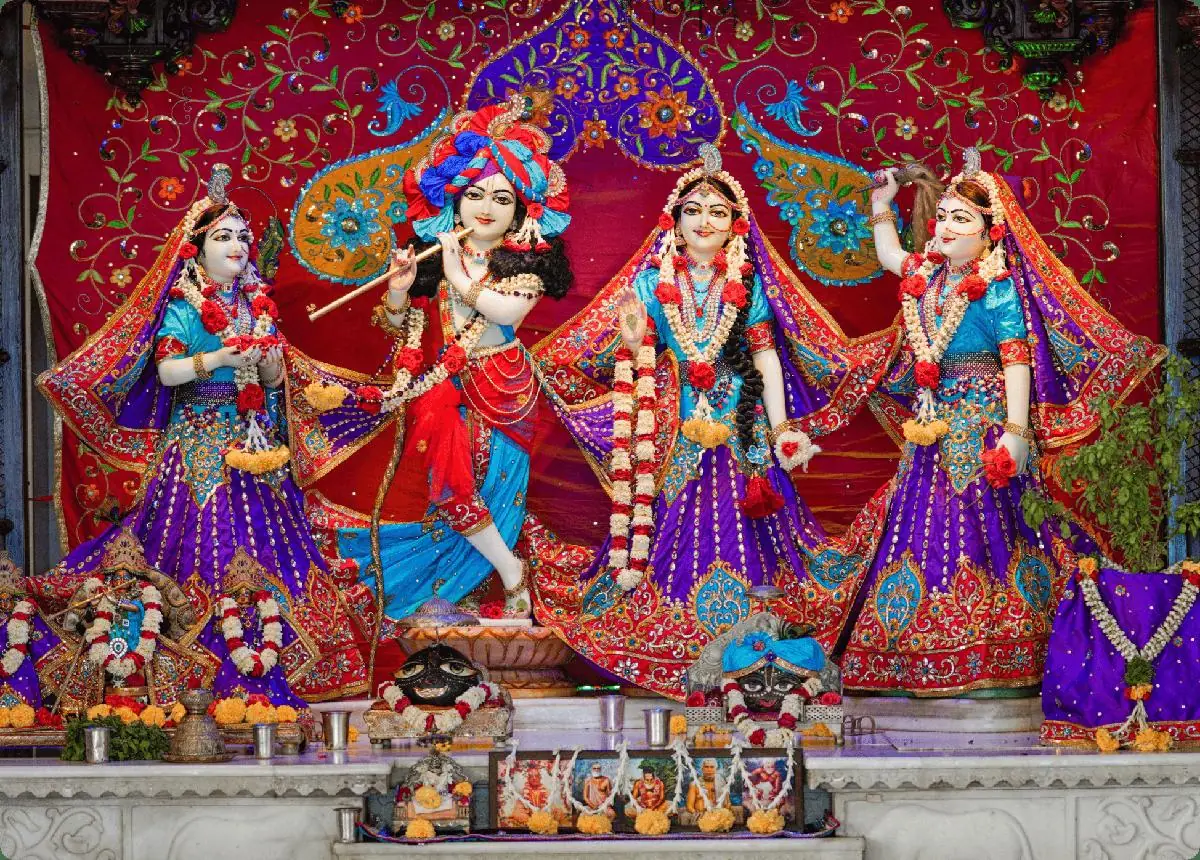
Darshan means respectfully seeing and offering prayers to the deities. At an ISKCON temple, darshan usually relates to the period when the altar is open for devotees to view Sri Sri Radha Krishna and other installed deities. It isn’t the same as a museum viewing slot: the altar may close temporarily for deity services, offerings, dressing, meals, or scheduled worship.
ISKCON temples commonly organise the day around early-morning worship, a morning public period, a midday closure or service interval, and an evening public period. That pattern is useful for planning, but it should not be mistaken for a guaranteed Chennai timetable. The ISKCON Chennai administration may publish a daily schedule, and that schedule takes precedence over general ISKCON practice.

Morning visits can be rewarding because the temple atmosphere is often quieter than during a major evening programme. Early worship may include mangala arati, guru puja, chanting, and a Srimad Bhagavatam or Bhagavad Gita class, depending on the day’s programme.
Visitors who only want darshan don’t necessarily need to attend every ceremony. Still, arriving shortly before a scheduled arati can help you find a suitable place and understand the flow of worship. Some areas may become temporarily restricted while priests or temple volunteers carry out deity service.
Many temples have a midday period when the public altar is closed or when regular visitor movement is limited. People who arrive in the afternoon expecting continuous access may therefore have to wait. An evening visit is often more suitable for families, office-goers, and students, but it can also be the busiest period.
Sandhya arati, meaning evening worship, may include bells, singing, mridanga, conch blowing, and congregational chanting. If you want to participate rather than simply take a quick darshan, arrive early enough to settle in without disturbing the ceremony.
The word puja is widely used in India for ritual worship. ISKCON generally uses terms such as arati, kirtan, guru puja, deity worship, and bhoga offering for different parts of its daily devotional routine. These activities are connected, but they aren’t interchangeable.
The exact timing of each item can vary by weekday, festival calendar, priestly service, and administrative decisions. A schedule displayed in a temple noticeboard may also be more current than an old page indexed by a search engine.
A daily programme is intended to show devotees how the temple’s spiritual activities are arranged. Public visiting time tells you when a visitor can reasonably expect to enter, view the deities, and use approved visitor facilities. One does not automatically guarantee the other.
For example, a morning ceremony may begin before general visitors are comfortable arriving, while a class may continue after the altar has closed. If your priority is a particular puja, ask the temple office whether visitors may attend and whether seating or registration is required.
Hindu temples follow calendars that can produce changes around lunar observances and festival dates. ISKCON’s calendar includes important Vaishnava occasions such as Janmashtami, Gaura Purnima, Nrisimha Chaturdashi, Ratha-yatra events, and Radhashtami. Dates shown in February, March, October, or any other month may carry a special schedule rather than the normal daily routine.
Large festivals may involve crowd controls, separate queues, passes, traffic restrictions, volunteer briefings, and changes to parking. Don’t rely on a normal weekday schedule for a major celebration.
The safest approach is to use a two-step check. First, consult the official ISKCON Chennai website or the temple’s verified communication channel. Second, contact the temple office, reception, or administration if you’re travelling for a specific arati, class, prasadam service, or group visit.
When you make an enquiry, ask a complete question rather than only asking, “Is the temple open?” The answer may be technically yes while the darshan area or prasadam counter is temporarily unavailable.
Keep the date and day of the week in your message. “Tomorrow” can cause confusion, particularly if the temple team receives your enquiry late at night or if a special festival begins after midnight.
For ordinary temple darshan, many Hindu temples allow walk-in visitors. That does not mean every programme, tour, lecture, meal service, or festival event is walk-in. ISKCON temples may use different arrangements for regular darshan, volunteer service, educational programmes, community events, and large celebrations.
Do not assume that an online booking page is needed simply because you saw one for another ISKCON temple. Different centres have different administrative systems. The Chennai temple’s own announcement for the relevant date should determine whether a booking is necessary.

If an official booking facility is available, read the event description carefully. It may be for a class, a guided tour, a festival entry pass, a sponsored puja, a guesthouse stay, or a volunteer slot rather than ordinary darshan.
Before submitting details, check:
Save the confirmation on your phone and, if practical, keep a screenshot for use when mobile connectivity is weak. A booking confirmation is not a substitute for following temple entry rules.
Some visitors prefer to speak with the administration, especially when arranging a group visit, a school or college programme, a senior-citizen outing, or a spiritual class. Ask whether the office handles such requests on the same day or only during designated working hours.
For a puja sponsorship or seva request, clarify whether the payment is a donation, a service contribution, or a specific booking. Ask for an official receipt where applicable. Never hand money to an unauthorised person claiming to arrange a special darshan.
The entry process is usually straightforward, but temple etiquette matters. ISKCON temples are active places of worship, not merely tourist attractions. Visitors may see devotees chanting, volunteers cleaning, priests serving the deities, and families attending religious programmes.
Choose clean, modest clothing that’s comfortable in Chennai’s warm and humid climate. Clothing expectations can be stricter during special ceremonies, and volunteers may advise visitors to dress more conservatively if shoulders, knees, or midriff are exposed.
Footwear is normally removed before entering designated worship areas. Carrying a small footwear bag may be useful if the temple permits it, though you should follow the facility’s own instructions rather than leaving shoes in an unauthorised location.
Follow the queue and speak to volunteers if you’re unsure where to go. Security checks may be introduced during festivals or large gatherings. Bags, food, cameras, and other belongings may be subject to restrictions that change according to the day’s arrangements.
There’s no need to rush. A few quiet minutes of preparation often make the visit more meaningful than arriving just as a ceremony is ending.
Prasadam is food offered to the Lord and then distributed to devotees. It may be available through a scheduled service, a community meal, a restaurant, or a festival arrangement. The availability, serving time, menu, token system, and seating rules can differ from ordinary darshan hours.
Searches for “ISKCON Chennai prasadam timings” often produce mixed answers because people may be referring to different services. One person may mean free distribution after a programme; another may mean a paid vegetarian meal at a temple restaurant; a third may mean a festival lunch. Ask the temple team to identify the exact service.
Some ISKCON temples distribute free prasadam during particular programmes or community initiatives, while other food services may involve a stated price or donation. There isn’t one universal rule for every temple, every day, or every meal. The Chennai temple’s current notice or administration is the reliable source for the date you plan to visit.
If you have allergies, diabetes, food restrictions, or a medical condition, ask what ingredients are used and whether separate food can be arranged. Don’t assume that every dish will meet a particular dietary requirement simply because it’s vegetarian.
The best time depends on what you want from the visit. A quiet morning may suit someone who wants personal prayer and unhurried darshan. An evening arati may be preferable for a visitor who wants kirtan and a fuller devotional atmosphere.
| Visitor’s purpose | Generally suitable planning approach | Practical caution |
|---|---|---|
| Quiet prayer | Choose a regular public darshan period and avoid major festivals | Confirm that the altar is open when you arrive |
| Attend arati | Reach before the published ceremony start | Seating and movement may be restricted after the ceremony begins |
| Family visit | Choose a less crowded regular day and allow extra time | Children may find queues and loud kirtan tiring |
| Photography or architecture | Ask about permitted areas before taking pictures | Photography may be restricted near deities or during puja |
| Prasadam | Plan around the specific serving slot | Food service may finish before the temple closes |
| Festival experience | Follow the festival notice rather than the normal timetable | Expect crowds, traffic, passes, and longer queues |
Weekdays are often easier for visitors seeking a calmer experience, but that is a planning observation, not a guarantee. Special guests, school groups, spiritual programmes, or a holiday can make any day busy.
The ECR location is convenient for people travelling from south Chennai, but the journey time can vary significantly with traffic, roadwork, rain, weekend movement, and festival crowds. If you’re travelling from central Chennai, Tambaram, OMR, or a coastal neighbourhood, check the route on the day rather than relying only on a standard estimate.
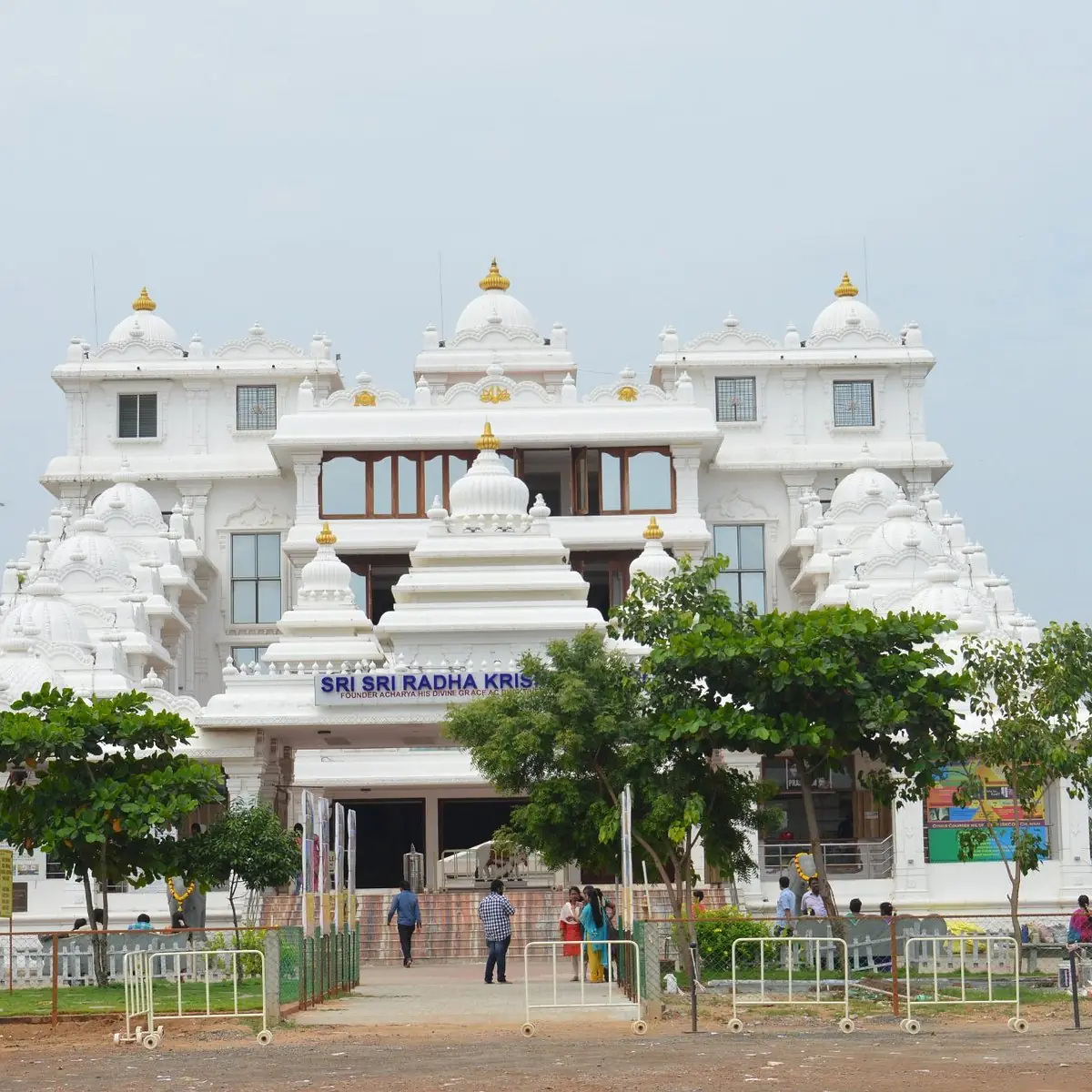
Use the precise official address or a verified map pin. “ISKCON Temple Chennai” can produce more than one result or an older location reference, and drivers may otherwise take you to a different religious centre. Share the destination with every member of your group before departure.
For ordinary darshan, arriving with a modest time buffer is sensible. For a scheduled arati, class, festival, or group booking, allow additional time for traffic, parking, footwear removal, security checks, and walking to the hall.
On a major festival day, the buffer should be much larger. The temple may publish a special reporting time that’s earlier than the actual ceremony because crowd movement must be managed.
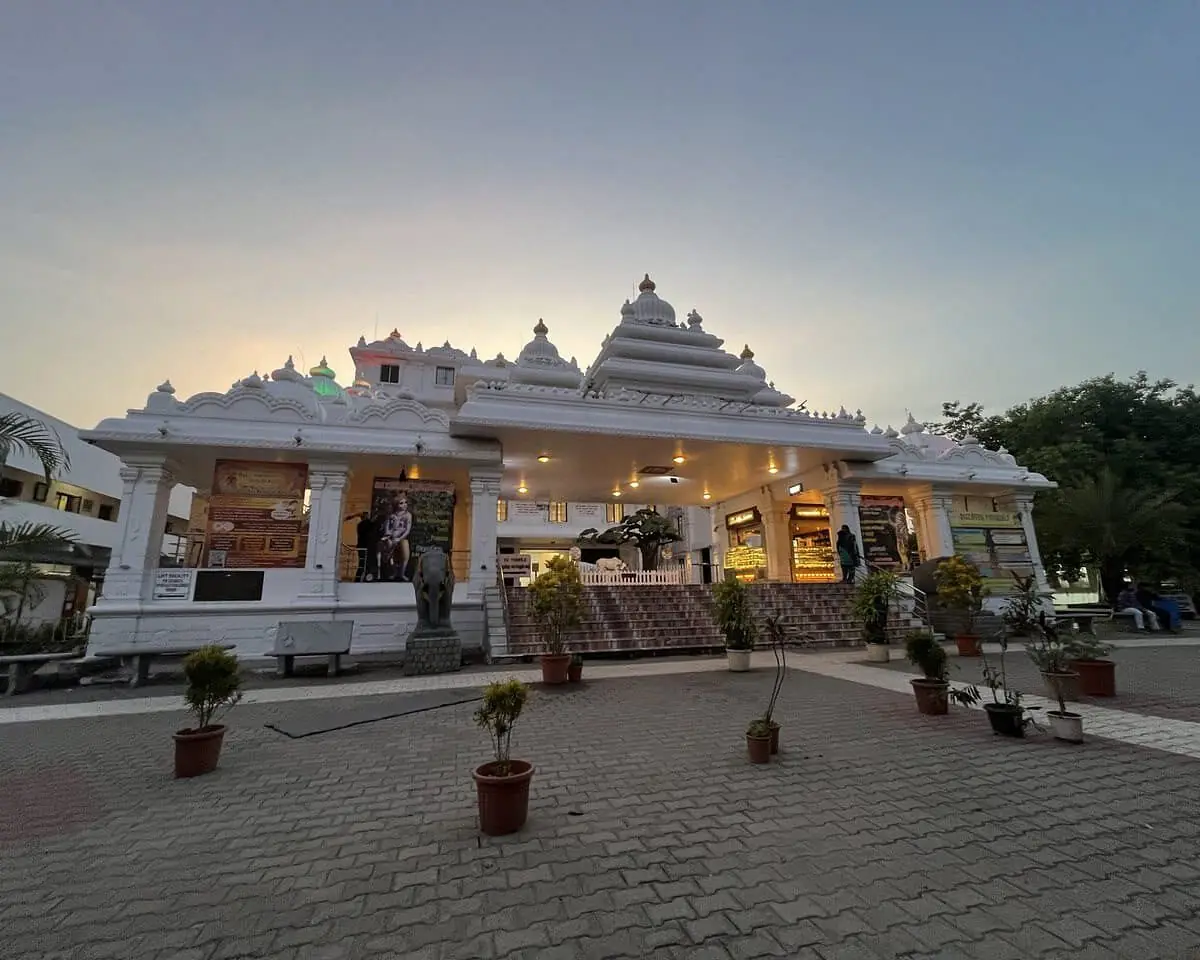
Parking capacity, entry points, and traffic arrangements can change. Don’t assume that a space will be available at the temple entrance, particularly during Janmashtami or other popular celebrations. If you’re using a cab, confirm where the driver can legally drop you and where pickup will take place after darshan.
Senior citizens, pregnant visitors, people with disabilities, and families with infants should contact the administration in advance if they need assistance. Availability of ramps, seating, wheelchairs, or priority arrangements must be confirmed directly rather than assumed.
ISKCON’s calendar gives special importance to Krishna-related festivals, the appearance days of spiritual teachers, and celebrations connected with Gaudiya Vaishnavism. Gaura Purnima, for example, is associated with Sri Chaitanya Mahaprabhu, while Janmashtami celebrates the appearance of Lord Krishna. These occasions can include extended kirtan, discourse, drama, abhishek, cultural programmes, and prasadam distribution.
Festival schedules may be published separately from the ordinary daily timetable. A temple could open earlier, continue later, create a ticketed or pass-based entry system, or close selected areas for crowd management. Normal weekday timings should not be used as a substitute for the festival notice.

If your visit is planned for February, March, October, or another month with a major Vaishnava observance, check the official calendar close to the date. Hindu festival dates can be based on lunar calculations, so the date shown on an old blog or general calendar may not be the date used by the temple.
Look for the year as well as the month. A programme advertised last March may not be repeated on the same calendar date this year.
Example only: Imagine a family travelling from OMR to the ECR temple on a Saturday evening. They want darshan, a short kirtan experience, and prasadam, but they don’t need a private puja or a special booking.
A sensible plan would be to verify the evening darshan period and prasadam service with the temple first, then leave enough time for traffic and parking. The family should arrive before the intended arati, keep children close in the queue, follow footwear instructions, and ask volunteers whether prasadam is served after the programme. If the date coincides with a festival, they should discard the ordinary Saturday plan and follow the festival announcement instead.
This example doesn’t claim a particular time or availability. It demonstrates the right decision-making process: identify the purpose, confirm the relevant service, allow a travel buffer, and prepare for a different schedule on special days.
Many disappointing temple visits result from small planning errors rather than an actual closure. A search result may show a schedule without a date, a social post may refer to a previous festival, or a visitor may confuse a restaurant’s operating hours with the temple’s darshan hours.
A short phone call or official message can prevent a long, avoidable journey.
For ordinary walk-in darshan, visitors may not need identity documents, but requirements can differ for registered events, group visits, accommodation, donations, or festival passes. If an official booking has been made, carry the confirmation and the same basic details used during registration.
Possible requirements include a booking reference, mobile number, identity proof, participant names, or an event-specific pass. Only provide information through a genuine official channel. If a website or message asks for unusual personal details, verify it with the temple office before proceeding.
Cancellation rules depend on the type of booking. A free registration, paid event, donation-linked seva, class seat, guesthouse reservation, and festival pass may all have different terms. Read the conditions before payment and save the receipt.
If you can’t attend, contact the stated booking office rather than transferring the confirmation informally to another person. Some programmes may permit a date change, while others may not offer refunds or rescheduling. The applicable policy is the one issued by the temple for that booking.
ISKCON, short for the International Society for Krishna Consciousness, follows the Gaudiya Vaishnava tradition and places strong emphasis on devotion to Krishna, chanting, scripture, service, and prasadam. Srila Prabhupada founded ISKCON in 1966 and established communities around the world. You don’t need specialist knowledge to visit, but understanding the devotional setting can make the experience more comfortable.
The deities are treated with reverence through daily services that include bathing, dressing, food offerings, music, prayer, and rest periods. That is why the public altar may not remain open continuously. A temporary closure is part of the temple’s service routine, not necessarily a sign that visitors aren’t welcome.
Programmes may include Tamil and English explanations, depending on the audience and the day. A discourse on the Bhagavad Gita, a chanting session, or a talk by a senior devotee can be attended respectfully even if you’re new to the tradition. Sit where instructed, avoid unnecessary conversation, and ask a volunteer if a custom is unfamiliar.
The current darshan and worship timings should be confirmed through the official ISKCON Chennai website or temple administration because the schedule can change by day and festival. General daily patterns may include morning and evening public periods, but an exact time should not be assumed from an old directory, map listing, or another ISKCON centre’s timetable.
Normal darshan may be available to walk-in visitors, but special festivals, classes, group visits, and sponsored services can have separate registration rules. Confirm the requirement for your specific date and purpose before travelling.
Visitors can generally ask to attend public worship programmes, but the exact evening arati time and seating arrangement are temple-specific. Arrive before the announced start and follow volunteer instructions, especially if the temple is crowded.
Some programmes may distribute prasadam without charge, while other food services may operate through a stated price, token, or donation arrangement. Since availability and serving times vary, ask the temple directly about the particular meal or service you plan to use.
The answer depends on whether someone is counting full temple complexes, smaller preaching centres, affiliated congregational locations, or administrative listings. The ECR temple is the principal location commonly associated with searches for ISKCON Temple Chennai, but visitors should confirm the address of any other centre before travelling.
Reliable ISKCON Temple in Chennai ECR timings are the timings confirmed for your date, not simply the first schedule displayed in search results. Check darshan, arati, puja, prasadam, booking, and festival arrangements separately, then allow time for Chennai traffic and entry procedures.
Before you leave home, verify the address and current announcement, save the official contact details, and arrive with a respectful, flexible mindset. A quick confirmation can turn a rushed trip into a calm visit—and may help you experience the temple’s spiritual programmes, chanting, and darshan at the right time.