Physical Address
304 North Cardinal St.
Dorchester Center, MA 02124
Physical Address
304 North Cardinal St.
Dorchester Center, MA 02124

For devotees planning a visit to Jhandewalan Mandir in Delhi, the phrase “Jhandewalan Mandir pass” usually refers to an entry, darshan, special पूजा, or queue-management arrangement rather than one universally available ticket. The temple’s timings, festival procedures, and booking rules can change with crowd levels, especially during Navratri and other important Hindu occasions.
Before travelling, you’ll want to know how to check the latest darshan schedule, whether registration is actually required, what documents may be needed, and how VIP or special-entry claims should be verified. This information helps you plan respectfully and avoid relying on outdated social-media posts or unofficial agents.
Jhandewalan Mandir is an important Hindu temple in central Delhi, and its popularity means a little preparation can make the visit more comfortable. The practical details below separate commonly followed temple practices from information that must be confirmed directly with the temple administration or its authorised booking channel.
A Jhandewalan Mandir pass may mean different things depending on the context in which the term is used. Some visitors use it to describe a general entry pass, while others mean a darshan pass, a special pooja booking, a donation receipt, or a queue-management token issued during a busy festival period.
There isn’t one standard national format for temple passes. Each temple trust or administration decides whether it will issue passes, how many visitors can be accommodated, whether advance registration is necessary, and whether any paid service is available. A pass may also be introduced temporarily when large crowds make ordinary queue arrangements difficult.
For this reason, don’t assume that an online search result mentioning a “Jhandewalan Mandir entry pass” represents a current official rule. Check the latest notice from the temple administration, the verified communication channel of the Jhandewalan Temple Trust if available, or the authorised counter at the temple.

These terms are often mixed together in search queries. Understanding the difference can prevent confusion at the gate, particularly if someone offers to sell a “VIP pass” without showing a verifiable receipt or official confirmation.
Jhandewalan Mandir timings may differ by weekday, season, pooja schedule, crowd conditions, and festival arrangements. Temples often close the sanctum briefly for bhog, shringar, cleaning, or ritual preparation, even when the wider premises remain active. A visitor should therefore treat a general opening-hours listing as useful planning information, not as a guarantee that darshan will be continuously available.
Exact daily opening and closing times should be checked shortly before your visit through the temple’s current official notice, administration, or authorised information desk. Search phrases such as “Jhandewalan Mandir open today” and “Jhandewalan Mandir opening hours” can bring up old listings, so the date of the information matters.
| Information you need | Why it matters | What to verify before travelling |
|---|---|---|
| Temple opening time | The premises may open later on special days or after morning preparations. | Current daily opening notice and entry cut-off time. |
| Darshan availability | Darshan may pause during rituals, bhog, or crowd-control measures. | Whether the sanctum is open during your intended arrival window. |
| Aarti timings | Devotees may be allowed to attend or view aarti under different arrangements. | Exact Jhandewalan Mandir aarti timings and any required registration. |
| Closing time | The last entry may be earlier than the stated closing time. | Last permitted entry and queue closure. |
| Festival schedule | Navratri and other major occasions can change access routes and timings. | Special notices, barricading, pass rules, and crowd advisories. |
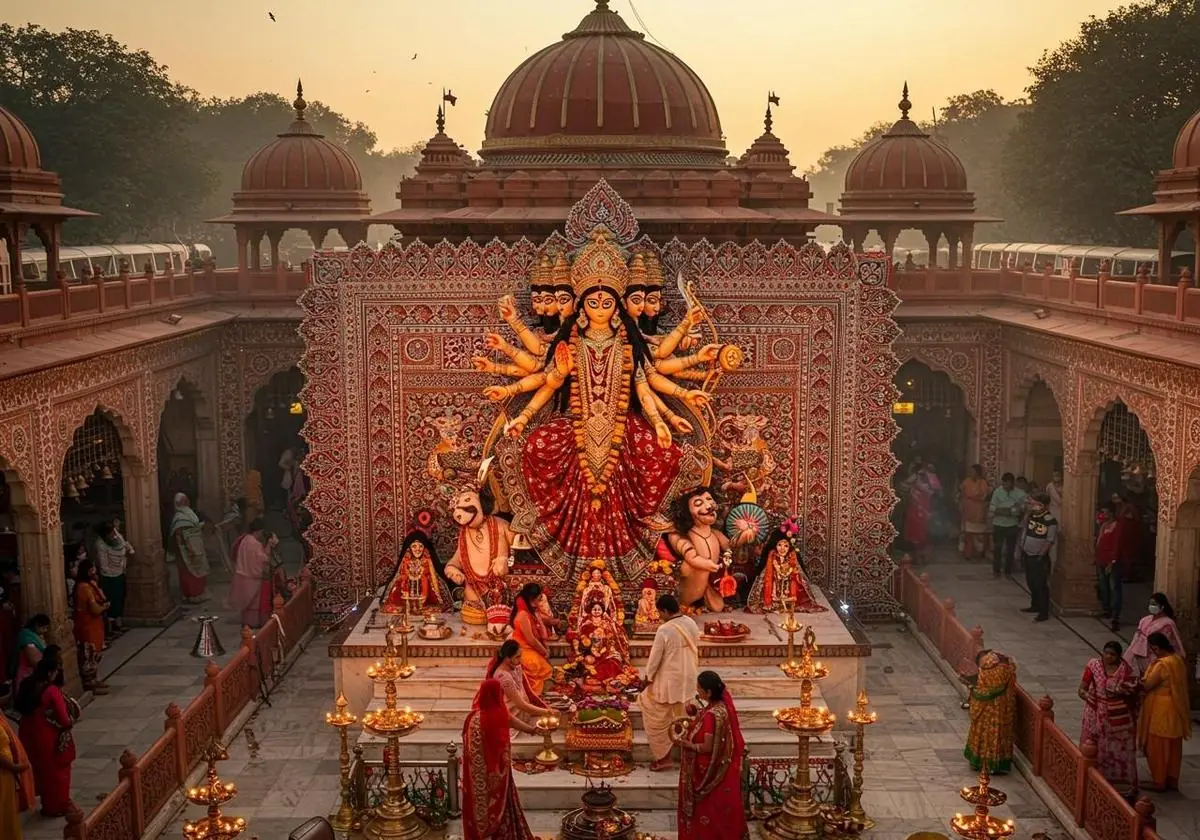
Many devotees prefer morning darshan because the weather is usually more manageable and the crowd may be less intense than during major evening periods. That said, a specific day’s queue can depend on weekday patterns, school holidays, local events, and the temple’s pooja programme.
Afternoon access may be affected by a temporary ritual break or maintenance. Evening hours can be popular because visitors combine temple darshan with shopping or travel through the central Delhi area. Don’t plan your arrival for the exact listed closing time; allow enough margin for security checks, queue entry, and possible last-entry restrictions.

Aarti is a devotional ceremony in which lamps or other ritual offerings are presented before the deity. Pooja refers more broadly to worship conducted according to a prescribed ritual. The two may be connected, but they aren’t always interchangeable, and an aarti schedule shouldn’t be treated as the full darshan timetable.
Ask the temple office whether visitors may enter during a particular aarti, whether seating is available, and whether a separate token is required. If you’re booking a sankalp or offering, confirm the reporting time, the name of the service, and whether the devotee must be physically present.
For ordinary temple visits, a pass may not always be required. Many Hindu temples allow devotees to join a general queue during regular operating hours, while using passes or tokens only for specific rituals, festival crowd control, or special access.
The answer can change during Navratri, weekends, public holidays, or periods of heightened footfall. A normal walk-in arrangement may be replaced temporarily by barricaded lanes, timed entry, token distribution, or a designated registration process. The temple administration’s current instruction should take priority over general advice.

A visitor who simply wants ordinary darshan should ask first whether the regular queue is operating. Paying for a pass without knowing what it includes can lead to disappointment, especially if it only confirms entry to the premises and not a particular time with the deity.
Searches for “Jhandewalan Mandir online booking” and “Jhandewalan Mandir pass online booking” are common, but an online search result alone doesn’t prove that a portal is official. Some websites copy temple names, use similar branding, or advertise services without a visible connection to the temple administration.
Before entering personal details or making a payment, identify who operates the page. The source should clearly name the temple trust or authorised administrator, explain the service being booked, display contact information, and provide a receipt or booking reference that can be checked with the temple.
Never share an OTP, card PIN, or banking password with a person claiming to arrange temple access. A legitimate booking process should not require confidential banking credentials to be disclosed over a phone call or messaging app.

If an official online facility isn’t active, the temple may direct devotees to an on-site office, donation counter, or designated registration desk. Ask for a printed receipt or authorised token and read the details before leaving the counter. Keep the receipt until darshan or the booked pooja has been completed.
Offline procedures can be particularly important during festival periods. The counter may operate only during specified hours, and the queue for booking may be separate from the general darshan queue. These hours should be confirmed locally because they can be different from the temple’s public opening hours.
The terms “Jhandewalan Mandir VIP pass” and “Jhandewalan Mandir VIP pass price” attract considerable search interest. Yet a price should never be treated as genuine unless it appears on a current official notice or is confirmed by the temple’s authorised office.
There may be no permanent, publicly advertised VIP pass, or the temple may use a different name for a special arrangement. Some payments described online as VIP access may actually relate to a pooja, donation, accommodation, group service, or agent fee. Those categories have different meanings and shouldn’t be presented as equivalent.
Ask for a written explanation of what the amount covers. A legitimate receipt should make clear whether it relates to an offering, a ritual, a donation, or a queue facility. If someone promises guaranteed access, a specific darshan duration, or a private meeting with the deity without official documentation, treat the claim cautiously.
Do not choose a service merely because it is labelled “VIP.” In a religious setting, the most important question is whether the arrangement is authorised, transparent, and respectful of the temple’s queue system.
When online temple registration is required, the process generally involves selecting a date or service, providing visitor information, accepting the temple’s conditions, and receiving a confirmation. The exact fields and steps are temple-specific. Some arrangements may ask for a government-issued identity document, while ordinary darshan may require no document at all.
Carry the same identification document used during registration if the booking is name-based. A digital copy may be accepted in some places, but a physical document is safer if the instructions don’t clearly state otherwise. Don’t assume that a screenshot of an incomplete form is a valid entry pass.
Arrive early enough to locate the correct gate and complete any verification. Early arrival doesn’t guarantee immediate entry, but it reduces the risk of missing a reporting window or a booked ritual.
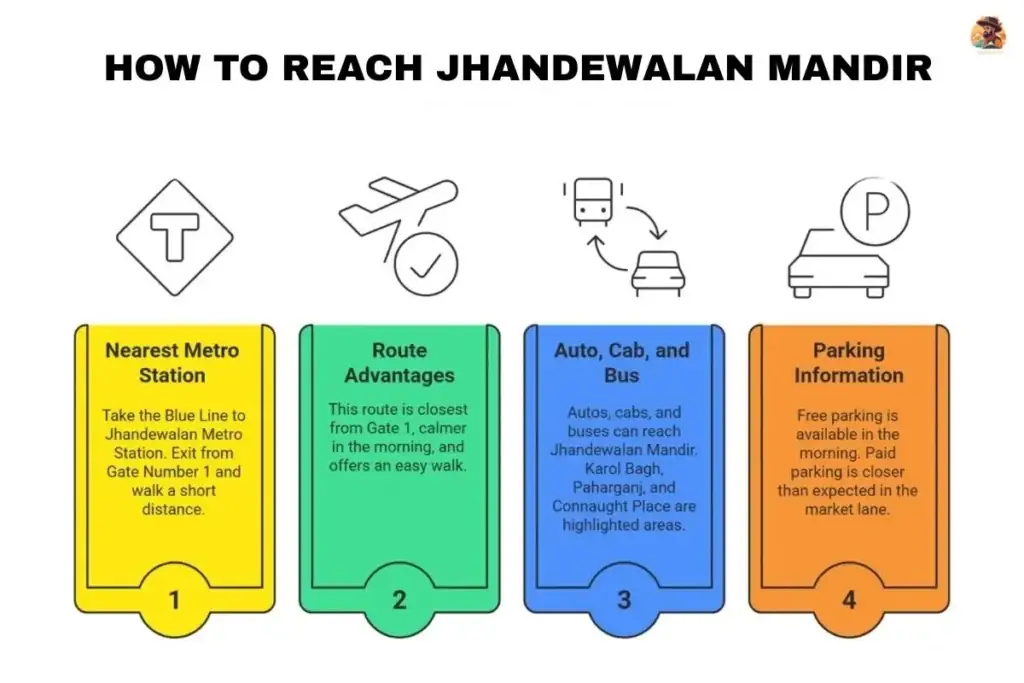
Jhandewalan Mandir is located in Delhi’s Jhandewalan area, which is well connected by public transport. The nearest metro reference commonly used by visitors is Jhandewalan metro station, but the walking route, exit gate, road diversions, and pedestrian arrangements can vary.
Use a current navigation app for the final approach and check local traffic information on festival days. For metro planning, the Delhi Metro Rail Corporation’s official website is a useful source for network information, station details, and service updates.

Keep bags light. Temples and security personnel may restrict large luggage, sharp objects, outside food, cameras, or other items. The permitted-item list can change, so follow the instructions posted at the entrance rather than relying on a generic temple checklist.
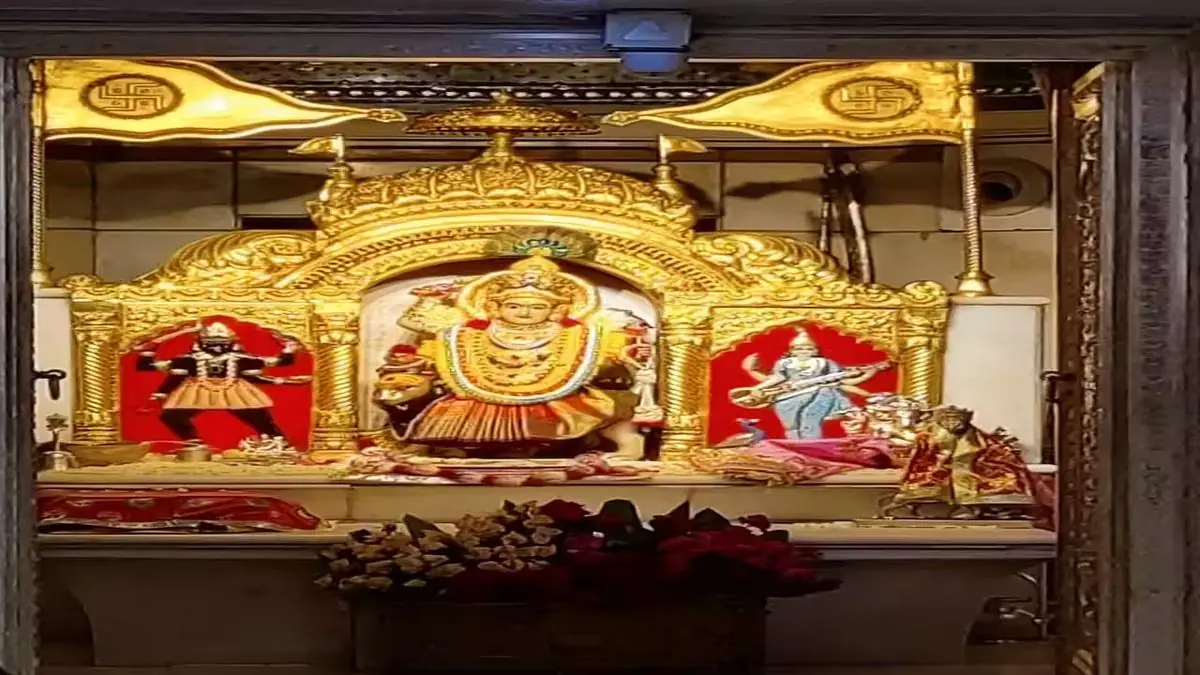
Wear modest, comfortable clothing suitable for a place of worship. Remove footwear only where directed, maintain queue discipline, and avoid blocking entrances while taking photographs. Mobile phone use may be restricted near the sanctum or during worship.
Darshan can be brief when the temple is crowded. That isn’t a sign that your visit is unimportant; it’s part of allowing many devotees to receive an orderly viewing of the deity. Keep moving with the queue and follow volunteers’ instructions.
Navratri is one of the busiest periods for many temples dedicated to Devi, and Jhandewalan Mandir festival crowd levels can be substantially higher than on an ordinary weekday. The temple may introduce extended worship arrangements, additional barricades, separate queues, timed access, or revised security procedures.
Jhandewalan Mandir Navratri timings should therefore be treated as a separate seasonal schedule. A normal daily timetable may not apply during the nine-day festival, and the last entry time can be particularly important when queues are long.
Families with young children, elderly devotees, and people with mobility concerns should plan especially carefully. Ask the administration in advance whether an accessible route, assistance desk, or separate arrangement is available; don’t assume one exists simply because another temple provides it.
Jhandewalan Mandir is associated with Maa Aadi Shakti and is recognised among Delhi temples visited by devotees seeking blessings, worship, and participation in Devi-related festivals. The name is linked with the historic Jhandewala area, and the temple’s religious identity is closely tied to local devotional traditions.
Temple histories can appear in different versions, especially when they combine oral tradition, local memory, and published institutional accounts. For a reliable account of the shrine’s origin, development, and trust administration, consult material issued by the temple itself or a recognised cultural or historical institution rather than accepting every claim repeated on social media.
The historical background also explains why visitors may encounter several forms of worship in one visit: darshan, aarti, offerings, devotional singing, and special festival observances. These are religious practices, not automatically separate paid services. Always ask the temple office what a particular booking represents.
Cancellation and rescheduling rules depend entirely on the service provider and the type of booking. A donation receipt, a pooja reservation, and a festival entry pass may each have different conditions. Some temple services may not be refundable once the ritual has been arranged, while an administrative booking fee may be treated separately.
Read the terms shown before payment and save the receipt, confirmation email, SMS, or reference number. If the temple changes timings because of crowd management, public safety, or an emergency, contact the authorised office for instructions rather than paying a second time to an intermediary.
Be careful with third-party agents who promise a refund in exchange for another payment. A genuine cancellation process should be traceable to the issuing authority.
Example only, not a verified temple schedule: Suppose a family from Noida wants to visit Jhandewalan Mandir on a Saturday during Navratri. They find an old post advertising a “VIP pass,” but the post doesn’t identify the issuing authority or state whether the price includes a pooja. Instead of paying immediately, they check the latest temple notice, contact the authorised office, confirm the day’s entry procedure, and plan to arrive well before the advised reporting period.
At the visit, they carry identity documents only because the confirmed booking instructions require them, keep their bags small, and use the ordinary queue if the temple says no pass is needed. This approach may take more preparation, but it avoids confusing a third-party advertisement with an official Jhandewalan Mandir darshan pass.
A reliable source should identify the issuing authority and tell you what happens at the gate. If those details are missing, pause before paying or sharing personal information.
Online booking may be available for selected services or festival arrangements, but it shouldn’t be assumed to operate throughout the year. Verify the current facility through the temple administration or an authorised booking channel, and confirm whether the pass is for general entry, a pooja, aarti, or special darshan.
If registration is required, follow the current instructions issued by the temple trust or its authorised office. You may need to provide a name, mobile number, visit date, and identity details, but ordinary walk-in darshan may not require registration. The exact requirements can change during Navratri and other crowded periods.
Don’t assume that the temple offers uninterrupted darshan throughout the day. Opening hours, sanctum access, ritual breaks, and last-entry times can differ. Check the latest Jhandewalan Mandir timings before leaving, particularly if you’re travelling from outside Delhi.
There’s no price that should be treated as universally valid without current confirmation from the authorised temple office. A quoted amount may relate to a donation, pooja, special service, or an unauthorised agent’s fee rather than an official VIP pass. Ask for a receipt that clearly explains the service.
Use the temple’s verified communication channels, contact the administration directly, or visit the authorised counter in person. Don’t use an unverified portal merely because it ranks highly in search results. If no official pass system is announced, ask whether ordinary darshan is available through the regular queue.
The safest way to handle a Jhandewalan Mandir pass is to identify exactly what it covers, confirm the current darshan or pooja schedule, and verify the issuing authority before making payment. Regular entry, festival registration, special darshan, and ritual bookings may all follow different rules, so a single online answer can’t replace the temple’s latest notice.
Before setting out for Jhandewalan Mandir Delhi, check the date-specific timings, last-entry instruction, transport conditions, and document requirements. A few minutes spent confirming the details can protect your time, money, and peace of mind—and help you take part in darshan with the respect the temple and its devotees deserve.