Physical Address
304 North Cardinal St.
Dorchester Center, MA 02124
Physical Address
304 North Cardinal St.
Dorchester Center, MA 02124
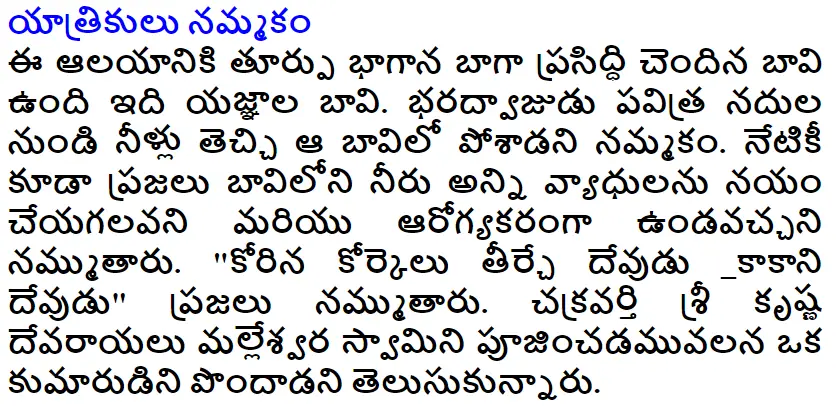
Pedakakani Temple in Guntur district is a well-known Shiva pilgrimage site, commonly associated with Sri Malleswara Swamy and devotional rituals such as abhishekam and Rahu-Ketu pooja. For many visitors, the most important question is not only what the temple represents, but whether darshan, seva and special rituals will be available when they arrive.
Temple hours can change on ordinary days, weekends and major festivals. The difference between public darshan, pooja timings and ticketed seva timings also matters. Before travelling, you need a practical way to verify the latest schedule, understand booking arrangements and plan for queues without relying on an outdated listing.
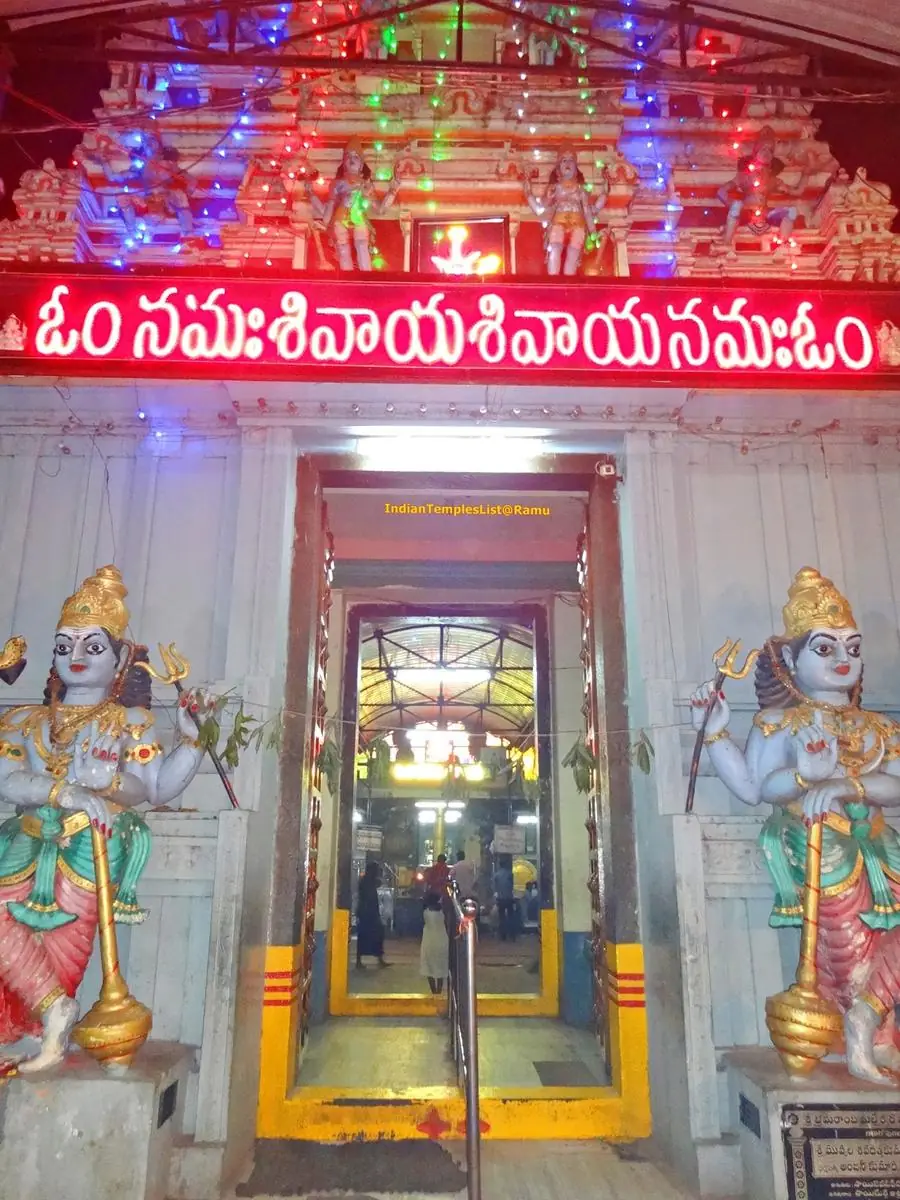
Pedakakani is located in Guntur district of Andhra Pradesh, within the wider travel region connecting Guntur and Vijayawada. The temple is generally known in local references as a Malleswara Swamy temple, with Lord Shiva as the principal deity. The name may appear in search results with slightly different spellings, so checking the location along with the temple name is useful before following a map or booking link.
The temple attracts ordinary worshippers, families, visitors making a short pilgrimage and devotees coming specifically for Shiva-related rituals. Rahu-Ketu pooja is one of the services frequently associated with the temple in visitor searches. People may undertake this ritual because of personal religious belief or astrological concerns, but the temple ritual should not be presented as a guaranteed solution to health, financial or family problems.
Its location makes timing especially important. A visitor travelling from Guntur may be able to make a short same-day visit, while someone coming from Vijayawada, another district or a distant city may need to coordinate buses, private transport, meals and return travel. A delay at the temple can affect the whole plan, particularly if a booked seva has a reporting time.
It is also important to separate the temple’s religious importance from the reliability of online information. Search pages, social media posts and travel listings can continue showing an old opening schedule after the local administration has changed it.
A temple office, administering authority or temple trust may alter arrangements for a festival, renovation, VIP visit, crowd-control measure or special ritual. That is why an official notice or same-day confirmation is more valuable than a copied timetable.
At the time of writing, a single current public timetable and a consistently verifiable official online booking page cannot be responsibly stated here as permanent facts. The safest approach is to treat every timing, fee, phone number and booking rule as date-sensitive.
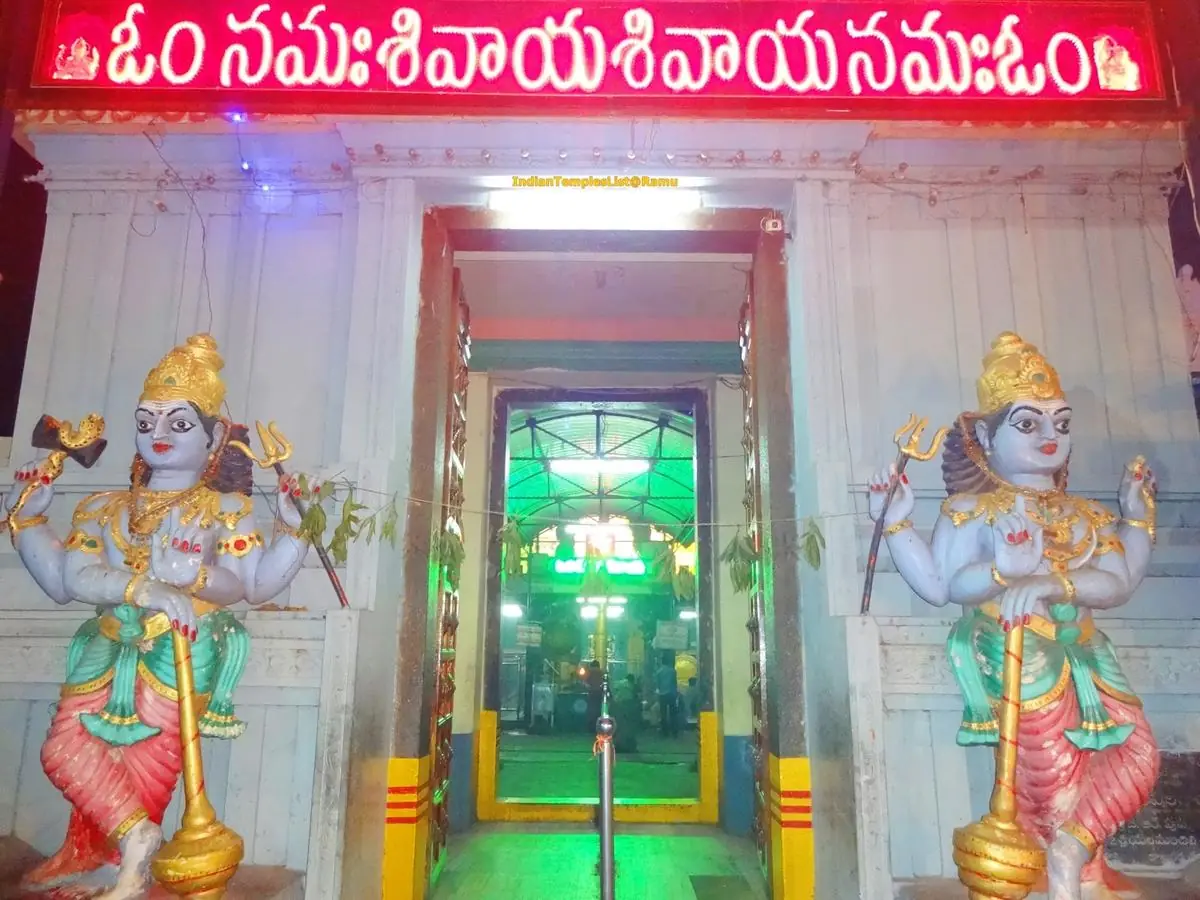
Darshan means the opportunity to see and offer prayers to the deity. It is different from the time at which a priest performs a particular pooja. A temple can be open for some visitors while a ritual is taking place, or it can briefly restrict movement near the sanctum even though the wider premises remain accessible.
On a normal day, the schedule may be shaped around early-morning worship, cleaning, decoration, naivedyam, archana and evening rituals. Some temples also close for a midday interval, while others keep a more continuous public window. The exact arrangement at Pedakakani should be confirmed for the date of travel rather than inferred from a general Shiva temple schedule.
| Temple activity | What it means for a visitor | What may affect availability | What to confirm |
|---|---|---|---|
| Regular darshan | Public opportunity to offer prayers and view the deity | Opening rituals, crowd size, midday breaks and closing procedures | Opening time, last entry and whether a queue token is used |
| Daily pooja or archana | A priest-led prayer offered personally or on behalf of a devotee | Availability of priests, counter hours and ritual sequence | Booking point, reporting time and whether darshan is included |
| Abhishekam | A ritual bathing or ceremonial offering to the deity | Fixed ritual slots, special days and priestly arrangements | Start time, materials required and viewing restrictions |
| Aarti | A lamp-offering ceremony performed at a designated point in worship | Morning or evening sequence, crowd control and sanctum access | Whether devotees may attend and where they should wait |
| Rahu-Ketu pooja or other seva | A dedicated ritual that may require registration or a ticket | Daily capacity, festival demand and separate reporting arrangements | Current fee, slot, documents, cancellation terms and procedure |
Temple opening hours and ticket-counter hours are not always identical. A counter may stop accepting applications before the main gate closes, especially when priests need time to complete a scheduled ritual. Likewise, an online booking slot may show a reporting time rather than the exact moment the pooja begins.
For a simple darshan visit, arriving before the expected morning rush gives you more flexibility. For a paid seva, arriving early does not replace the need to report within the instructed window. If the official office says that a ritual begins at a particular time, plan around the reporting requirement, not merely the temple’s public opening.
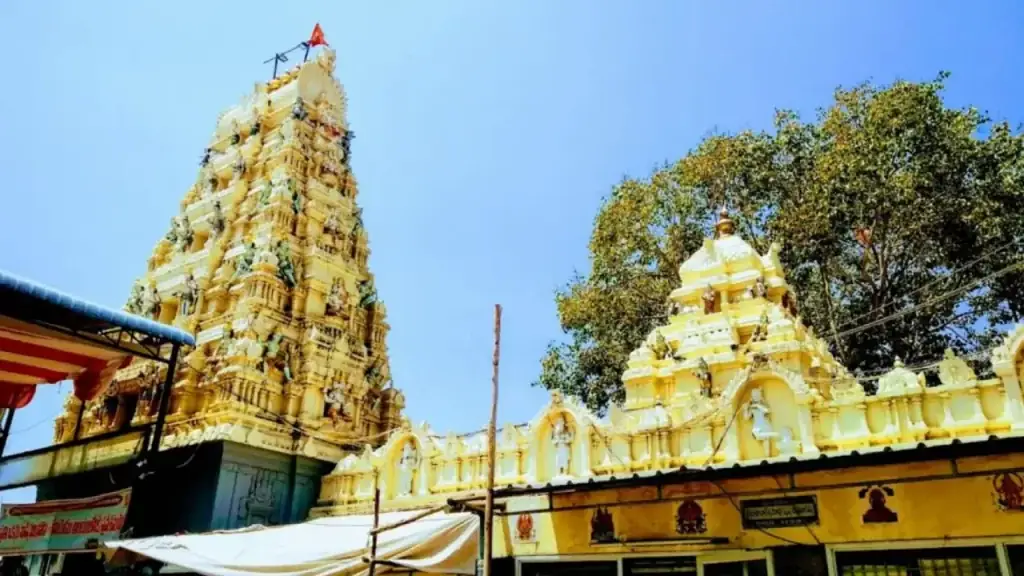
Visitors often use the words pooja, abhishekam and aarti interchangeably, but they describe different parts of temple worship. Pooja is a broader term for ritual prayer. Abhishekam usually refers to ceremonial bathing with approved offerings.
Aarti is the offering of a light or lamp during worship. Seva means a devotional service performed by or on behalf of a devotee, often through a ticket or registration.
These activities may have separate schedules. A temple could permit general darshan in the morning while a specific abhishekam is conducted only during a shorter priest-led slot.
During aarti, the movement of visitors may slow or pause. At busy times, the temple administration may allow devotees to watch from a designated area rather than approach the sanctum directly.
Do not assume that an abhishekam ticket guarantees unrestricted access. The ticket may cover the ritual offering, a place in a queue, a sankalpam or prayer registration, and perhaps prasadam, but inclusions differ by temple and service category. Ask the counter exactly what the receipt covers.
A useful set of questions for the temple office includes:
The word “aarti” may refer to either a morning or evening ceremony, depending on the temple’s daily sequence. A visitor seeking evening worship should not rely on a morning timetable copied into a travel blog. The current notice board, temple office or official announcement is the right place to confirm the day’s sequence.
During a special festival, the normal pooja may be performed earlier, later or in a modified form. Public participation can also be limited because the priests are conducting additional rituals. If your main purpose is abhishekam rather than ordinary darshan, confirm the ritual first and plan the rest of the journey around it.
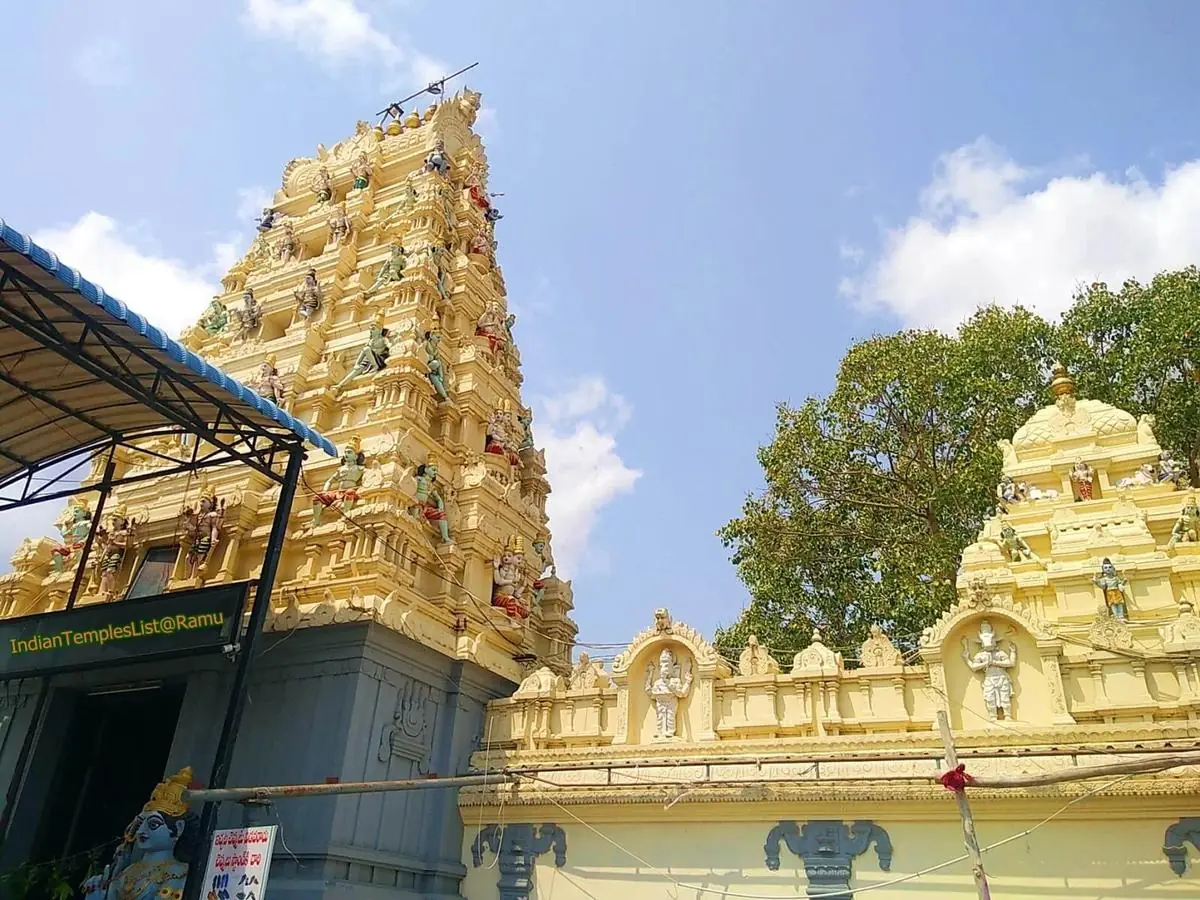
Rahu-Ketu pooja is among the most searched services connected with Pedakakani Temple. In simple terms, it is a Hindu ritual undertaken by devotees who wish to perform prayers associated with Rahu and Ketu, often because of a personal astrological belief or a family tradition. The ritual’s name, process and eligibility should be confirmed with the temple office because arrangements can change.
There is no responsible single answer to the question, “How much does Rahu-Ketu pooja cost at Pedakakani Temple?” A current fee may depend on the ritual category, the number of participants, the materials included, the date, or whether the booking is made at an official counter or through an authorised system. A price shown in an old video or an unauthorised listing may not be valid now.
Ask for the present fee in writing on the receipt or official booking confirmation. You should also check whether the quoted amount is per person, per couple or per family.
In some temple services, the fee includes ritual materials and prasadam; in others, these may be separate. Never pay an intermediary who cannot provide a proper receipt or identify the authority administering the service.
The procedure may involve registration, a short sankalpam, priest-led chanting, offerings and a designated darshan arrangement. The order can vary, and the service may take longer on crowded days. Devotees should not assume that a ritual is private, that a priest will provide personal astrological advice, or that every participant can stand near the sanctum.
Before paying, confirm these practical details:
Keep your expectations grounded in the nature of worship. A ritual can be personally meaningful and spiritually important, but it should not replace qualified medical, legal or financial advice. The temple’s role is to conduct the religious service according to its practice, not to guarantee a particular worldly outcome.
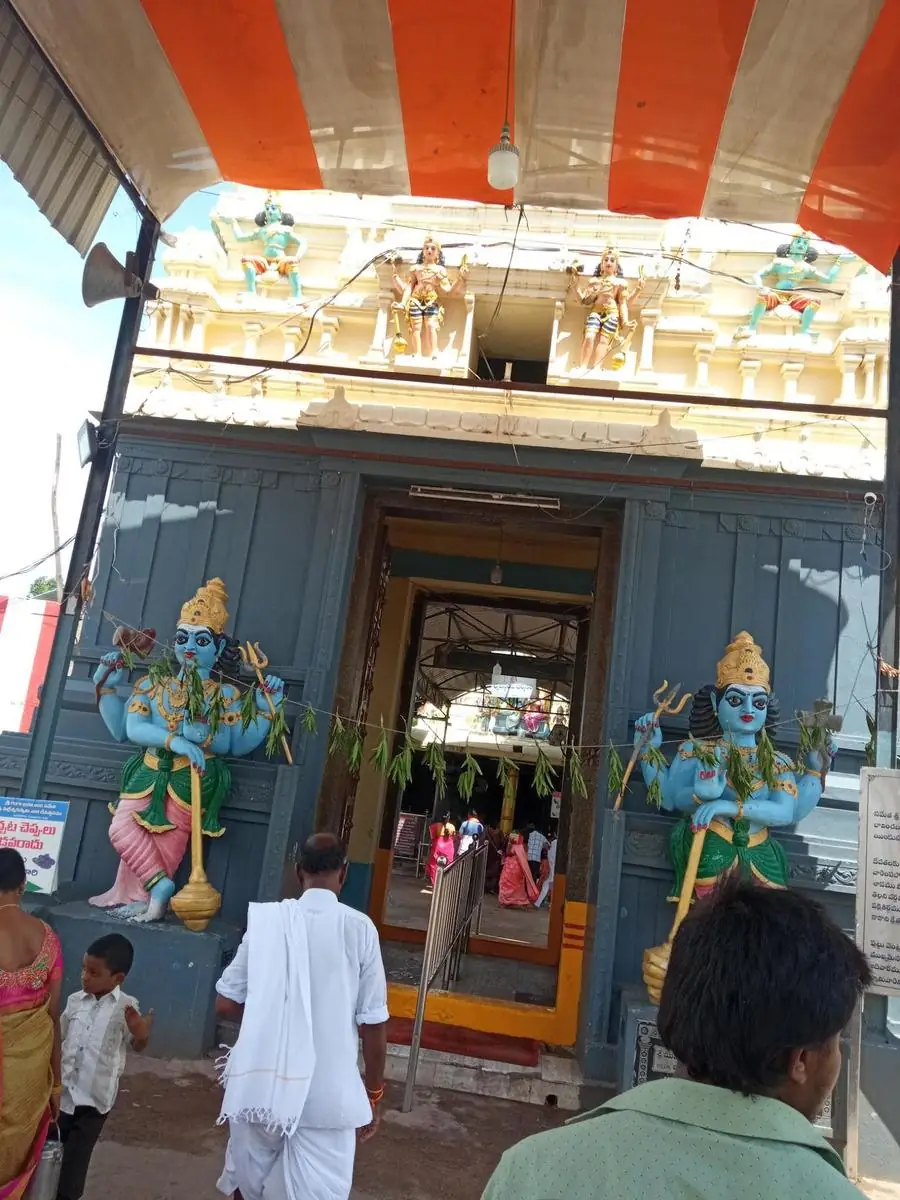
Many visitors search for Pedakakani Temple online booking because they want to reserve Rahu-Ketu pooja, abhishekam or another seva before travelling. The first task is to identify whether a booking page is genuinely operated by the temple administration, an authorised temple trust or the relevant state endowments authority. A page that uses the temple’s name is not automatically an official page.
At present, an exact, continuously verified booking URL should not be stated without checking a live official notice. Some temples accept bookings through a central portal, some use a local counter, and others operate both systems only during selected periods. Online availability may also be suspended when a festival schedule or administrative change is being implemented.
Use this checking process before making payment:
Do not confuse “booking window” with “temple opening hours.” A booking window is the period during which a devotee can reserve or collect a ticket. The service itself may have a separate reporting time. Similarly, online slots can sell out while ordinary darshan remains available, or the reverse can happen if a service is temporarily stopped.
Offline registration can be the more reliable option when no verified online system exists. Reach the temple office early, ask for the official counter and request a printed receipt. Keep the receipt safe; a screenshot alone may not be accepted if staff need to inspect the original booking details.
If you are travelling with a group, nominate one person to handle the registration while others remain with elderly members or children. Avoid paying multiple people who claim to be agents unless the temple clearly identifies them as authorised. A lower advertised price is not useful if the ticket cannot be validated at the entrance.
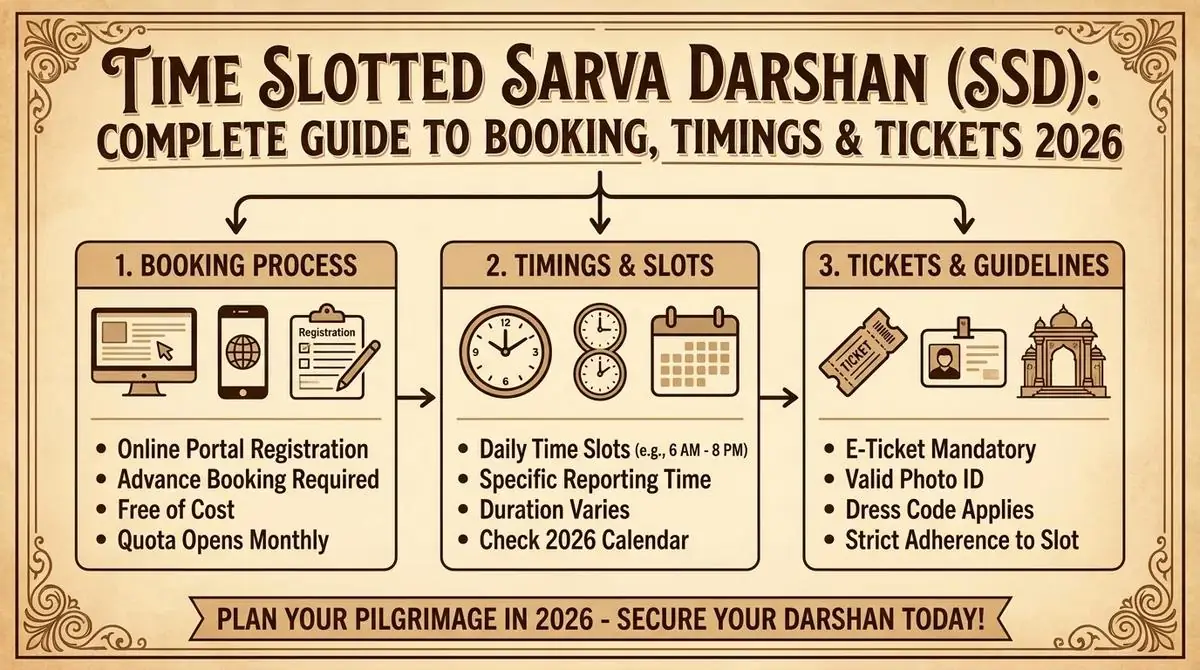
Special-day schedules can be very different from regular timings. Maha Shivaratri is naturally important to devotees of Shiva, and the Karthika period also brings increased interest to many Shiva temples.
Other days connected with local observances, monthly worship or a temple’s annual celebrations can create unusual demand. The exact programme at Pedakakani must be confirmed from the temple administration for the relevant year.
On a festival day, the temple may open earlier, remain active later, introduce barricaded queues, issue tokens or restrict certain forms of seva. General darshan may move through a separate line from paid pooja participants. A person with a valid seva receipt may still need to follow crowd-control instructions and may not receive immediate entry.
Weekends and Mondays can also bring heavier footfall, although demand is not perfectly predictable. A quiet weekday is not a guarantee of short queues, particularly if a local religious observance or school holiday coincides with the visit. The best practical decision is to allow extra time rather than schedule transport immediately after darshan.
For a crowded day, plan around these points:
Festival announcements sometimes change close to the event. A schedule released weeks in advance may be revised after crowd estimates, weather conditions or administrative decisions. If you are travelling from outside the Guntur district, check once before departure and again on the morning of the visit.
Parents should explain the meeting point to children before entering a crowded area. Elderly visitors may find a long standing queue difficult, so ask the temple office about available assistance rather than assuming that a separate line exists. Respectful queue behaviour helps everyone, especially during aarti or when priests are moving through the public area.
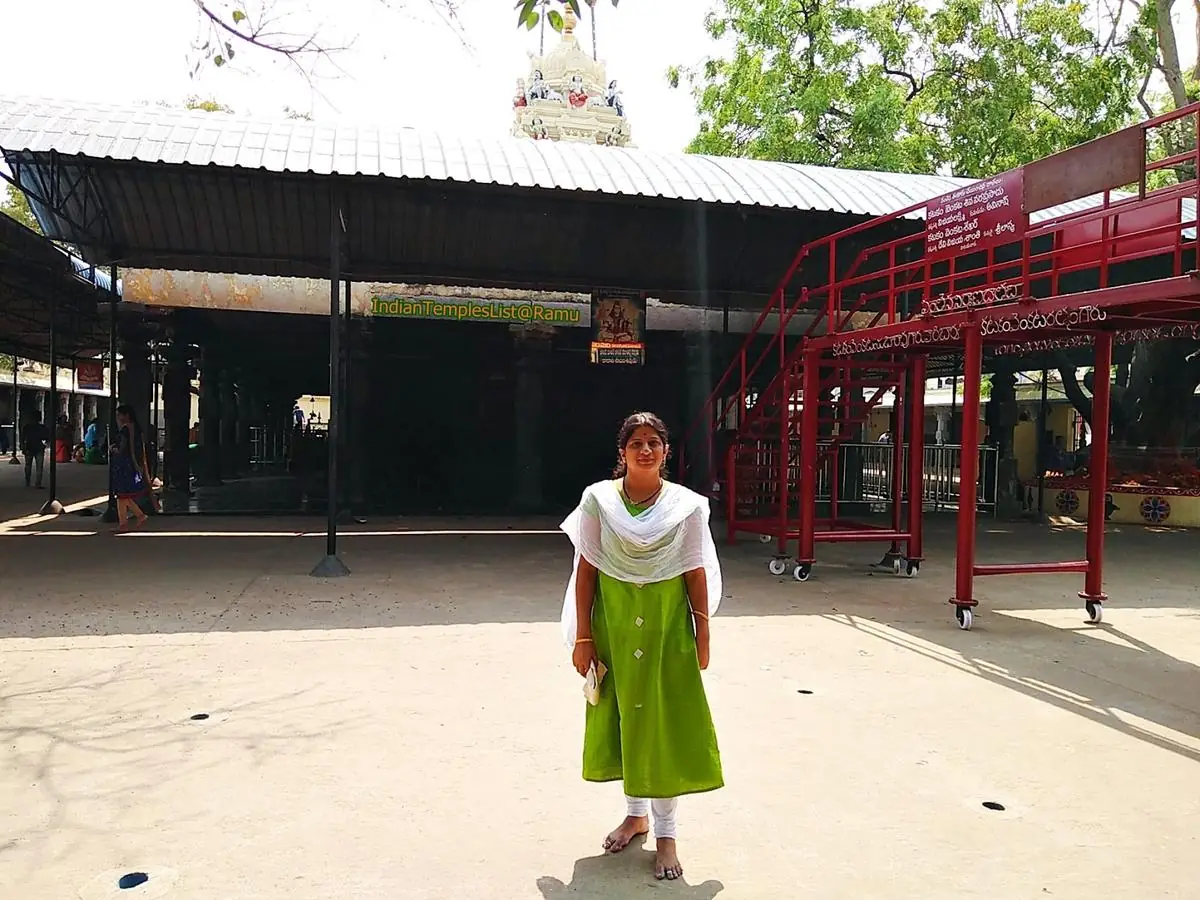
Pedakakani is in Guntur district and is commonly approached as part of travel between the Guntur and Vijayawada urban areas. The most suitable route depends on your starting point, current road conditions and whether you are travelling by bus, train, taxi or private vehicle. Map applications can show different journey times during peak traffic, so avoid planning around a tight estimate.
From Guntur, a local road journey may be convenient for a short temple visit, but confirm the last-mile route before leaving. From Vijayawada, visitors should check the current public transport connection and the point at which they will need an auto-rickshaw, taxi or other local transfer. A route that appears direct on a map may not mean that a bus stops close to the temple entrance.
Transport planning matters more for a booked seva than for flexible darshan. If your ticket requires reporting at a particular time, add a buffer for traffic, parking, finding the correct gate and storing footwear. Do not assume that a driver’s estimated arrival time includes the time needed to walk from a drop-off point to the counter.
Before setting out, check:
Visitors coming from far away may prefer to stay in Guntur or Vijayawada and make an early visit rather than depend on a late connection. That choice gives you more flexibility if the temple’s morning rituals, queue arrangements or public transport services take longer than expected.
It is also sensible to save the temple office details and your accommodation address offline. Mobile connectivity can become slow in crowded areas, and a phone battery may not last through navigation, calls and digital payment. A small written note with the booking number and return route remains useful.

Temple entry rules are set by the local administration and may be stricter during festivals. Visitors are generally expected to wear clean, respectful clothing and follow instructions about footwear, bags, photography and movement near the sanctum. These are practical expectations rather than a substitute for the temple’s own posted rules.
Do not assume that cameras or mobile phones can be used everywhere. Many temples restrict photography around the sanctum or during specific rituals. Ask a volunteer or security officer before taking pictures, and never photograph a priest, another devotee or a ritual offering without permission.
Dress requirements can differ for general darshan and a particular seva. If you are booking abhishekam or Rahu-Ketu pooja, ask whether the service has any additional clothing instruction. Carrying a shawl or simple change of clothing can be useful for a long journey, but do not take unapproved materials into the temple merely because an online post recommends them.
Useful etiquette includes:
Facilities such as drinking water, toilets, seating, prasadam counters and special assistance can change with construction, staffing or crowd conditions. Elderly visitors and people with mobility needs should call ahead or ask at the entrance about the nearest accessible route. A seva ticket does not automatically mean that a wheelchair, seat or priority movement is available.
Keep a small amount of cash as a backup, but do not presume that every counter accepts cash or digital payment. The accepted method can change. The most reliable practice is to ask at the official counter and insist on a receipt for every paid service.
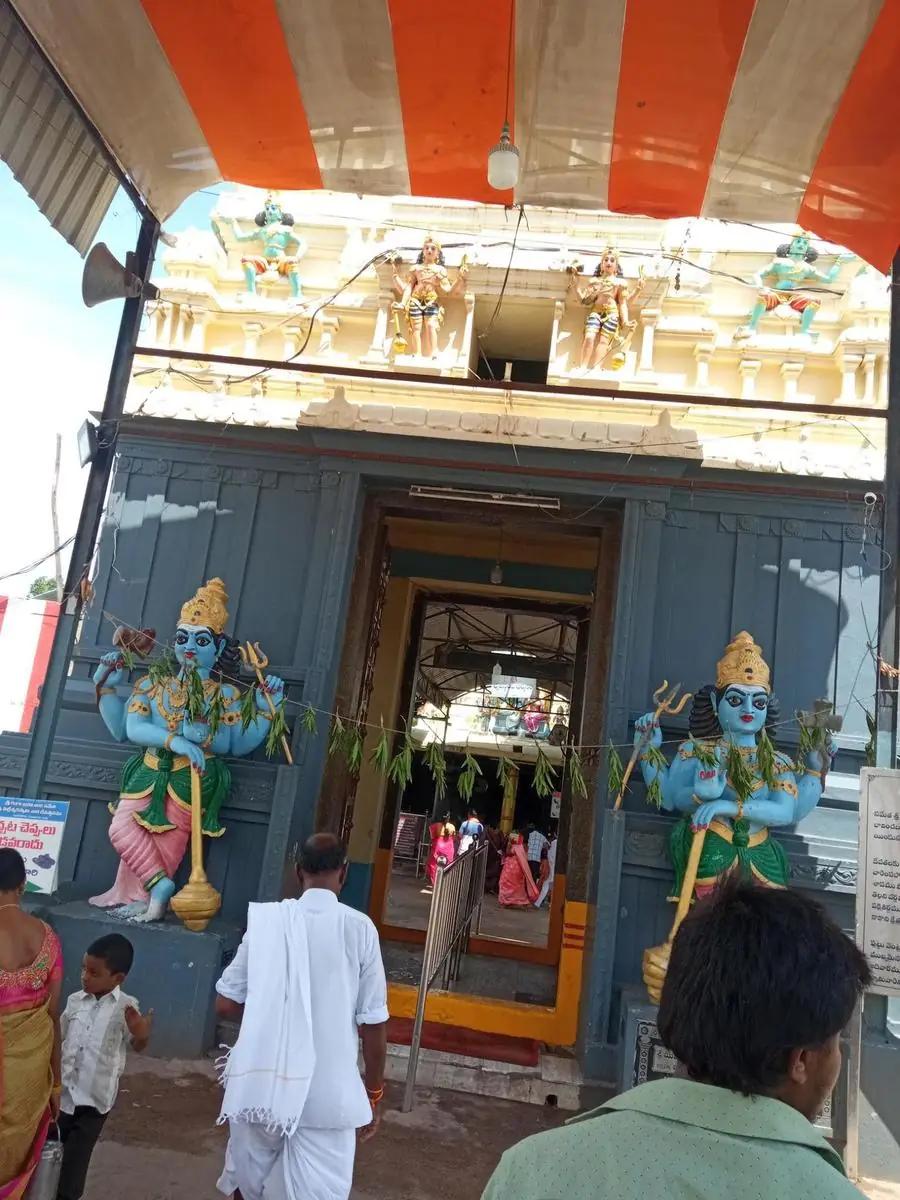
The most reliable timing is the one confirmed close to the date of your visit by the authority managing the temple. Start with the temple office, a current notice displayed at the premises, or a booking system clearly identified as official. If the temple is administered through a government endowments structure, state-level information may also help you locate the relevant department or public notice.
For department-level government information, you can begin with the Andhra Pradesh government’s official portal. This should not be treated as a guarantee that every temple’s daily timetable is published there. Use it as a government reference point, then confirm the actual service, timing and contact details with the temple’s own administration.
Because schedules and fees can change, I cannot responsibly publish a permanent exact opening time, Rahu-Ketu fee or phone number without a current, verifiable notice. An unconfirmed number copied from a directory may connect to a private agent or may no longer work. If a number is provided by the temple office, save it along with the date on which you verified it.
Use this final verification checklist on the day before travel:
Suppose a family finds a listing that says the temple is open throughout the day and plans a Rahu-Ketu pooja after arriving from Vijayawada. Before leaving, they contact the official temple office and learn that the general gate, seva counter and ritual reporting point follow different schedules. The family then books only after confirming the current fee, reaches the reporting point early and keeps enough time for the return journey.
This example is illustrative rather than a claim about a particular real visitor or a confirmed Pedakakani timetable. Its value is the method: verify the service separately from general darshan, treat web listings as leads rather than final authority, and plan transport around the reporting time.
Pedakakani is in Guntur district, Andhra Pradesh. Visitors usually plan access from Guntur or Vijayawada, but the best route and journey time depend on the starting point and current traffic.
The temple is associated with Sri Malleswara Swamy and is known among devotees for Shiva worship and services such as Rahu-Ketu pooja. The importance of a particular ritual is a matter of religious belief, and the current availability should be confirmed with the temple administration.
Exact opening, closing, darshan and ritual timings can change on regular days and special days. Confirm the schedule with the temple office or a current official notice before travelling, particularly if you need to attend a specific aarti or seva.
A permanent fee should not be assumed. The amount may depend on the service category, participants and materials included, so ask for the current official rate and a receipt before making payment.
Ask the temple office whether abhishekam is conducted on the date you want and whether registration is online or offline. A booking slot may have a separate reporting time, so read the confirmation carefully and verify any unclear instruction before departure.
A smooth visit depends less on memorising an old timetable and more on confirming the right service for the right date. Before leaving home, verify darshan hours, pooja or aarti timings, Rahu-Ketu booking details, current fees and any festival restrictions directly with the temple administration.
With that small check, your journey to Pedakakani Temple can remain flexible, respectful and far less stressful. Save the official confirmation, arrive with time to spare and follow the latest queue instructions at the temple entrance.





