Physical Address
304 North Cardinal St.
Dorchester Center, MA 02124
Physical Address
304 North Cardinal St.
Dorchester Center, MA 02124
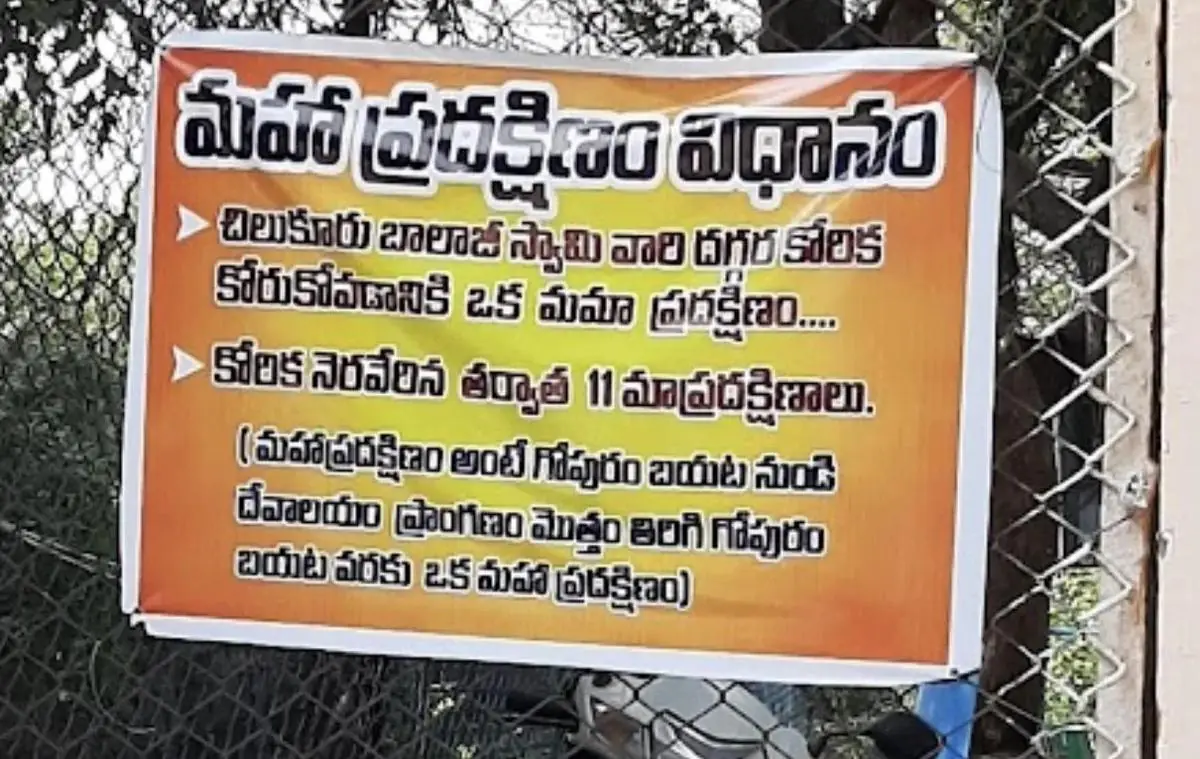
Chilkur Balaji Temple pradakshina timings matter because the time needed for worship is different from the time needed for a quick darshan. The Hyderabad temple, widely known as Visa Balaji, attracts devotees who come for regular darshan, vow-related rounds, and the traditional 108 pradakshinas.
This article explains the commonly followed temple schedule, what is and isn’t formally published, how long different visits may take, and what to check before leaving. You’ll also find practical information about entry, pooja, booking, festival crowds, clothing, footwear, transport, and the safest way to confirm a change in timings.
Chilkur Balaji’s routine can change during festivals, special religious observances, maintenance, or crowd-control measures. Treat the timings below as planning guidance rather than a permanent official notice, and verify the latest announcement with the temple administration before travelling.
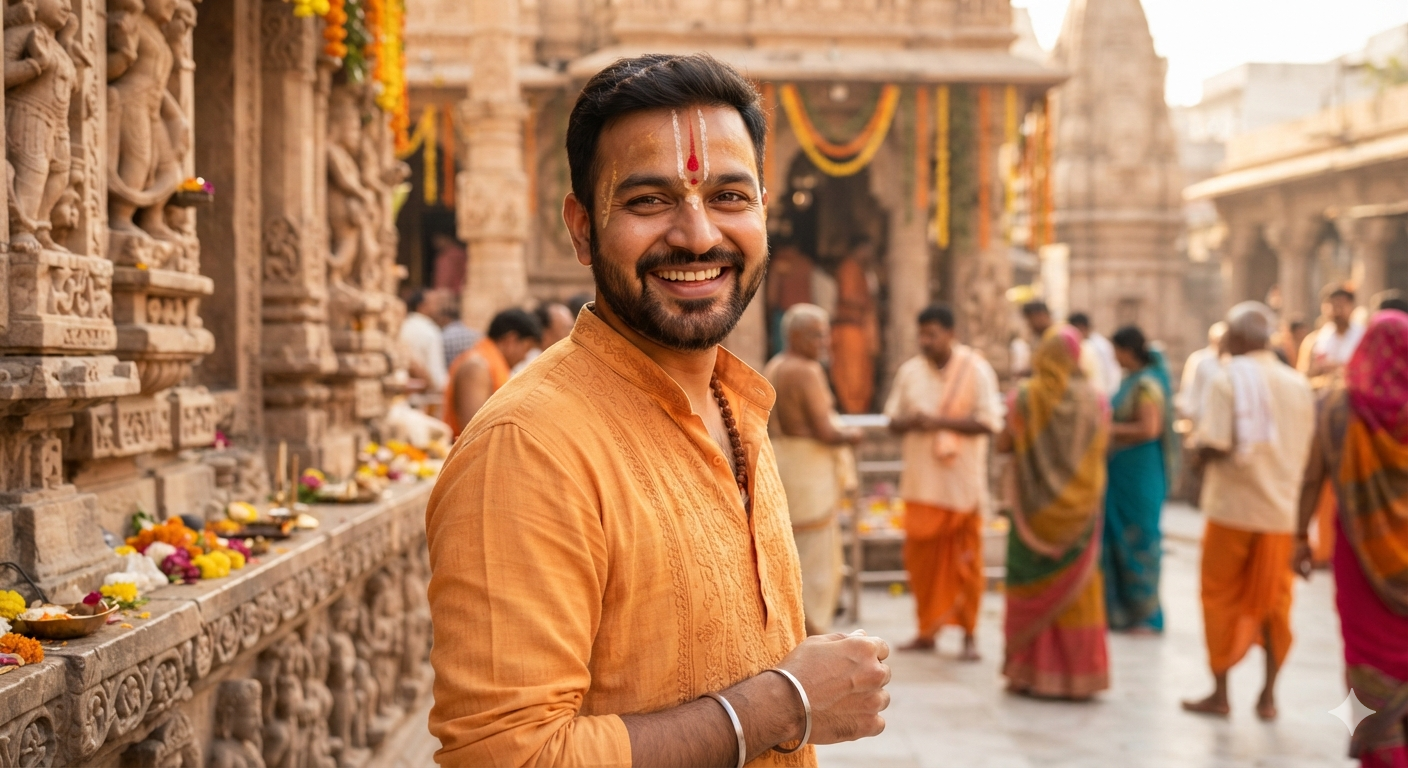
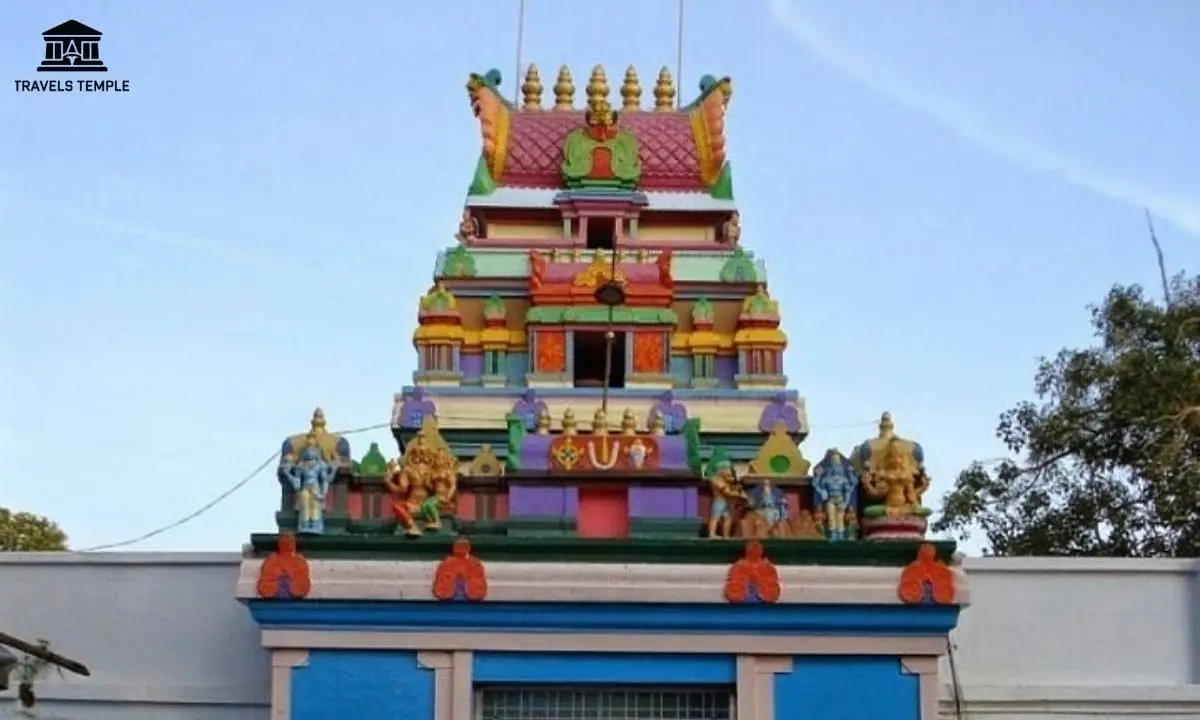
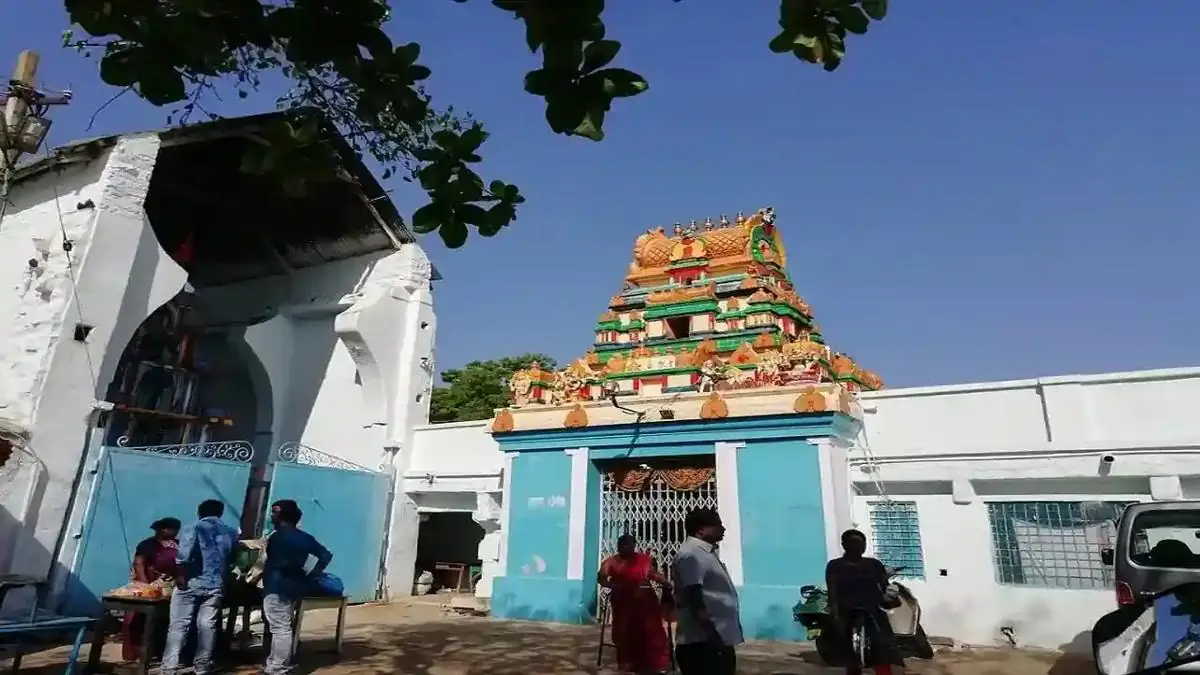
Chilkur Balaji Temple is located near Osman Sagar Lake, on the outskirts of Hyderabad in Telangana. The shrine is dedicated to Lord Venkateswara, also called Balaji, and is popularly associated with devotees praying for visa approval and overseas travel. The name “Visa Balaji” is a popular devotional reference, not a separate deity or a different temple.
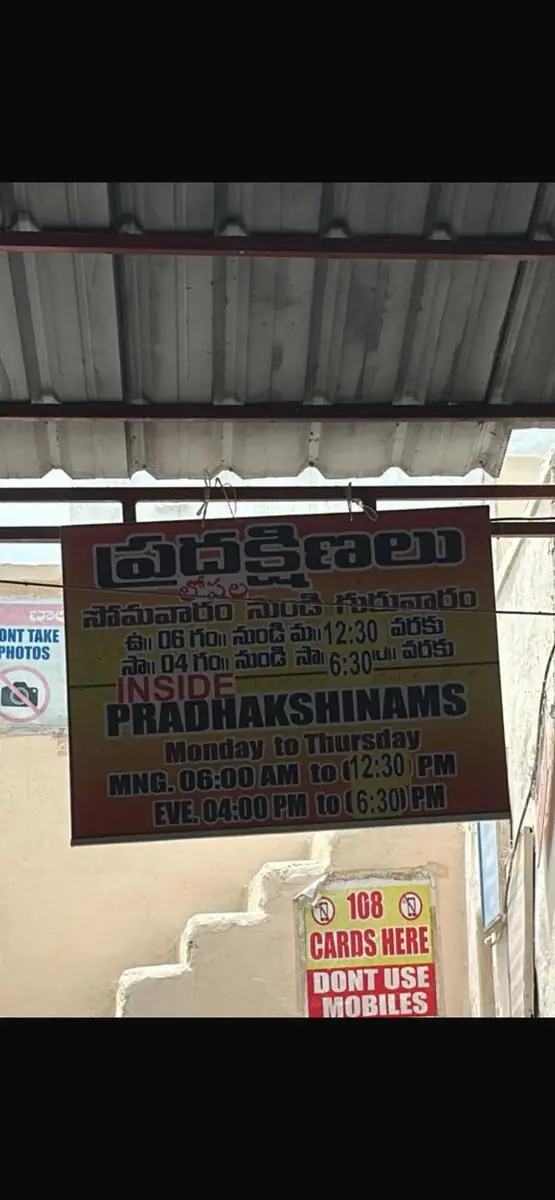
Publicly available visitor information commonly places the temple’s daily operating window at approximately 5:00 a.m. to 8:00 p.m. That broad window is useful for planning a visit, but it should not be mistaken for a guaranteed pradakshina slot on every date. The administration may regulate movement inside the premises if the temple becomes crowded.
| Visitor activity | General planning indication | What to verify before travelling |
|---|---|---|
| Temple darshan | Commonly reported from early morning until evening, often around 5:00 a.m. to 8:00 p.m. | Current opening and closing announcement, especially on festival days |
| Pradakshina | Usually undertaken during the temple’s permitted visiting hours; 11 and 108 rounds are commonly discussed by devotees | Whether rounds are being allowed on the day and where the current circumambulation path begins |
| Regular pooja | May take place during the day according to the temple’s ritual schedule | Exact seva or pooja timings, if you intend to participate rather than simply have darshan |
| Online booking | No general assumption should be made that a ticket or slot is available online | Official temple or trust notice; avoid unofficial agents |
| Special occasions | Opening, queues, and movement may be adjusted | Festival-day notice and any temporary entry instructions |
The most important point is simple: darshan timings and pradakshina timings are related, but they aren’t identical. A person may receive darshan in a short queue, while a devotee completing 108 rounds could remain in the temple for several hours.
Pradakshina, also written as parikrama, means walking clockwise around a sacred object or shrine while keeping the deity on the right. In Hindu worship, circumambulation expresses reverence and places the divine presence at the centre of the devotee’s movement. At Chilkur Balaji, devotees commonly walk around the designated temple path after or around their darshan, following the instructions given on site.
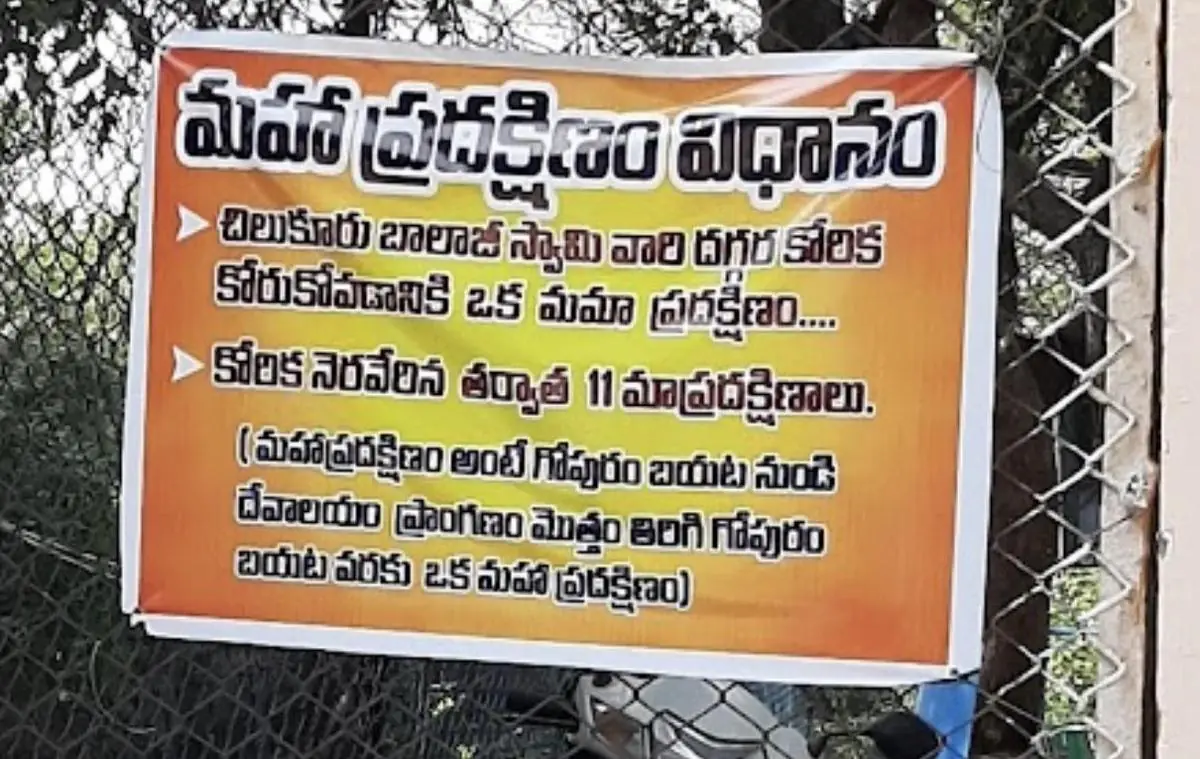
Many visitors associate the temple with a practice of making 11 rounds while praying for a wish and returning later to complete 108 rounds after the wish is fulfilled. This is a devotional custom followed by many people; it should not be presented as a universal legal requirement imposed on every visitor. The number of pradakshinas, the intention behind them, and whether a person can complete them on a particular day depend on personal belief and the temple’s current arrangements.
There isn’t one single explanation accepted by all Hindu traditions for every number used in worship. At this temple, 11 rounds are commonly understood by devotees as part of a prayer or vow, while 108 rounds are associated with fulfilment of that prayer. The meaning is devotional rather than a guarantee that a particular outcome, such as a visa approval, will occur.
If you’re unfamiliar with the practice, watch how other devotees proceed and ask a temple volunteer politely. Don’t begin walking through a restricted area, a queue, or a ritual space without confirming the route.
Searches for Monday, Wednesday, Thursday, Saturday, and Sunday timings are common, but a fixed official day-by-day pradakshina timetable isn’t consistently published in a way that can be treated as permanent. In ordinary circumstances, devotees generally plan rounds during the temple’s regular visiting hours. The practical difference between weekdays and weekends is usually crowd movement, not a guaranteed change in the spiritual practice itself.
| Day or period | Practical expectation | Planning advice |
|---|---|---|
| Monday to Friday | Often more manageable than peak weekend periods, although crowd levels can vary | Early morning is usually preferable for people intending to complete many rounds |
| Wednesday and Thursday | No dependable, separately published pradakshina timing should be assumed | Confirm the same-day arrangement rather than relying on search snippets |
| Saturday | May attract more visitors and family groups | Allow extra time for parking, walking, darshan, and the circumambulation route |
| Sunday | Often a popular visiting day because many people are free from work | Arrive early and avoid planning a tightly timed return journey |
| Festival or special observance | Queues and movement may differ from the regular routine | Check temple notices before setting out; temporary restrictions can apply |
This table is a planning comparison, not a replacement for an official notice. The temple administration has the final say on entry, queue lines, pooja participation, and whether pradakshina can continue during an unusually busy period.
Devotees commonly perform pradakshina as part of a normal temple visit, but “allowed” can mean different things. A route may be open while staff temporarily ask people to pause because a pooja is underway, the path is congested, or a festival procession is passing through. For that reason, don’t rely on a claim that 108 rounds are guaranteed at a particular hour every day.
On arrival, look for current notices and ask at the designated information point. If no clear counter exists, speak to a uniformed temple worker rather than a tout, driver, or unauthorised guide.
The time for 108 rounds depends on the actual length of the path, walking speed, footwear arrangements, crowd density, pauses, weather, and whether the route becomes temporarily congested. A healthy adult walking continuously may finish faster than a family group, an older devotee, or someone observing a slower devotional pace. There is no reliable single duration that applies to everyone.
Rather than booking a taxi or return bus immediately after darshan, keep a generous buffer. The temple is outside central Hyderabad, and travel time can also expand during weekends, rain, road works, or local traffic.
Example only: Imagine a devotee travelling from Hyderabad with the intention of completing 108 rounds on a weekday morning. The sensible plan would be to reach near the opening period, confirm that the route is operating, carry water for use outside the sacred area, wear comfortable modest clothing, and keep the rest of the day free. This example does not establish an official duration or guarantee that the route will remain open without interruption.
A person who has mobility limitations should consider whether 108 rounds are physically suitable and ask relatives or temple staff about the safest available arrangement. Pradakshina is a form of worship, not a race. Stop if you feel dizzy, unwell, dehydrated, or short of breath.
Most visitor references describe Chilkur Balaji Temple as opening early in the morning and remaining available into the evening, with a commonly cited daily window of roughly 5:00 a.m. to 8:00 p.m. Because online listings can become outdated, use that range only as an initial planning reference. A posted schedule at the premises or a current statement from the temple administration takes priority.
“Closing time” can also be misunderstood. The gate, darshan queue, inner worship area, and pradakshina route may not all stop accepting visitors at exactly the same moment. On a busy day, the queue may be controlled before the advertised closing time so that people already inside can be accommodated safely.

Early morning is often the most practical choice for devotees who want to complete many rounds or avoid the strongest afternoon heat. Weekdays may be less crowded than Saturdays, Sundays, and major festival dates, but no day can be guaranteed as quiet. If you’re travelling with children or older family members, morning generally offers better physical comfort than a hot afternoon.
An evening visit can suit people who work during the day, but you should leave enough time for darshan and the return journey. Don’t arrive at the last minute expecting to complete 108 rounds before closing.
Chilkur Balaji Temple’s regular worship may include darshan, archana-related practices, and other rituals arranged by the temple. Exact pooja timings, the names of available sevas, participation rules, and any contribution amount can change. Unless a current official notice confirms a time, it’s safer to describe pooja timing as part of the temple’s daily ritual schedule rather than publish an invented minute-by-minute chart.
Some online pages mix the schedules of different Balaji temples, including Tirupati or other Venkateswara shrines, with information about Chilkur Balaji. That can cause confusion. Chilkur Balaji is a distinct temple near Hyderabad, and its procedures shouldn’t be assumed to match the Tirumala Tirupati Devasthanams system.
Darshan means viewing or worshipping the deity. A seva is a more specific service or ritual offering, and it may have separate instructions. A visitor who only wants darshan may not need a booking, while a person seeking participation in a particular pooja should ask whether registration is required.
Never pay a stranger who promises a faster darshan or guaranteed pooja access. Ask for an official receipt whenever the temple has a legitimate contribution or registration process.
Chilkur Balaji is widely known for a simple devotional environment rather than a heavily ticketed darshan model. Still, policies can change, and an absence of a commonly advertised booking system doesn’t mean every future event will follow the same arrangement. Check whether the temple has issued a current notice about special entry, group visits, donations, or festival registration.
For ordinary darshan and pradakshina, don’t assume that an online appointment, paid fast-track ticket, or mobile QR pass is necessary. If a website or social media account requests money for a guaranteed “VIP” round, treat it cautiously unless the temple trust clearly identifies that service.
There may be no cancellation or rescheduling facility for an ordinary free visit. If a special event later introduces a registration process, its own terms will govern cancellation, transfer, and date changes. Don’t rely on a generic temple-booking rule taken from another shrine.
For a normal personal visit, visitors generally plan for ordinary temple entry rather than a document-heavy process. Even so, carrying a government-issued photo identity document is sensible when you’re travelling as part of a group, using a special booking, or participating in an event that requires registration. The identity document should match the booking name if the administration specifically asks for verification.
Keep your visit straightforward. A useful preparation list includes:
Temple rules may restrict photography, large bags, food, smoking, alcohol, and disruptive behaviour. Follow signs and instructions from staff. Leave footwear only in the permitted area, and don’t carry valuable items that you would be anxious about storing.

Completing 108 rounds can be physically demanding, particularly in hot weather or on a crowded path. Older adults, pregnant visitors, people with heart or joint conditions, and anyone recovering from illness should choose a level of participation that is medically safe. A devotional vow should never lead you to ignore serious symptoms.
If you need assistance, ask before entering a queue or beginning the rounds. The available support may vary by day, so don’t promise an elderly relative that a particular facility will definitely be available.
Chilkur Balaji Temple is a popular destination for Hyderabad residents and visitors to Telangana. It is situated in the Chilkur area near Osman Sagar, also called Gandipet Lake in many local references. The trip can be combined with nearby sightseeing, but a tour package or taxi itinerary shouldn’t leave only a short window for worship if you intend to perform pradakshina.
Travel time depends on your starting point, road conditions, vehicle type, and the day of the week. Public transport, app-based cabs, private cars, and local taxis may have different availability, especially for an early morning return or a late evening departure.
Mobile network coverage and payment access can vary during crowded periods. It’s sensible to save directions and key contact details before leaving. If you’re joining a larger pilgrimage group, ask the organiser whether their schedule includes enough time for the full temple visit.
Regular Chilkur Balaji temple timings may not apply in exactly the same way during festivals, religious observances, or major local events. More devotees can mean longer entry queues, slower movement around the shrine, temporary barricades, and restrictions on pradakshina. Pooja schedules may also affect the route.
On a busy day, temple staff may prioritise safe movement over individual plans. That could mean asking visitors to wait, limiting the number of people in a section, or changing the direction of a queue. Such measures don’t necessarily mean the temple is closed; they may simply reflect crowd management.
Before setting out for a special occasion, verify:
For current notices, begin with the temple’s own administration or trust. The official Chilkur Balaji temple website, where current information is published, should be checked alongside any notice displayed at the premises. If the site is unavailable or does not show a date-specific update, contact the temple directly rather than relying on an old social media post.
Chilkur Balaji is commonly described by devotees and public references as a temple where ordinary darshan does not follow the same paid-ticket model found at some major pilgrimage centres. That does not mean every possible activity, donation, special event, or service will always have identical rules. A voluntary offering is different from a compulsory entry fee.
Never assume that a person collecting money outside the temple represents the administration. If you wish to offer money, flowers, or another item, use the authorised method indicated by temple staff. The deity’s worship and the devotee’s personal vow shouldn’t become an opportunity for an unofficial intermediary to demand cash.
Several problems arise because visitors treat search results as a confirmed schedule. A page may show an old opening time, confuse Chilkur with another Balaji temple, or describe a festival arrangement that applied only to one year.
Good temple etiquette is practical as well as respectful. Walk at a pace that doesn’t obstruct others, keep children close, use bins, and follow instructions during rituals. A calm visit helps everyone, especially on crowded days.
Devotees commonly perform 108 pradakshinas at Chilkur Balaji as part of a fulfilled prayer or vow. The practice may be subject to the route, crowd conditions, ritual activity, and instructions in force on the day. Confirm the current arrangement with temple staff before starting; don’t treat an online claim as a guaranteed permission for every date.
There is no official universal duration that applies to every devotee. The time depends on the path, walking speed, crowd density, breaks, heat, and personal health. Keep several hours available if 108 rounds are central to your visit, and allow additional time for travel and darshan.
Devotees generally plan pradakshina during regular temple visiting hours, but a separate permanent schedule for every weekday is not something you should assume. Weekend and festival crowds can affect movement, while pooja or crowd-control arrangements can temporarily pause the route. Check the current notice before travelling.
Ordinary visitors shouldn’t automatically assume that online booking is required or that a paid slot is available. The temple’s arrangements can change for special events, group visits, or particular poojas. Verify any booking requirement through the official administration, and avoid unofficial agents offering guaranteed access.
Public references commonly mention an approximate daily window of 5:00 a.m. to 8:00 p.m., but timings can change and queue entry may be controlled before closing. Confirm the latest schedule on the date of your visit, particularly during festivals, public holidays, and unusual local conditions.
For most visitors, the safest approach is to arrive early, confirm the day’s darshan and pradakshina arrangements, and keep enough time for the full experience. The commonly cited Chilkur Balaji Temple pradakshina timings provide a useful starting point, but the administration’s latest notice remains the final authority.
Before you leave Hyderabad, check the official source, weather, route, and return transport. Then approach the visit with patience: whether you complete 11 rounds, 108 rounds, or simply offer a quiet prayer, the quality of the observance matters more than rushing to match someone else’s schedule.