Physical Address
304 North Cardinal St.
Dorchester Center, MA 02124
Physical Address
304 North Cardinal St.
Dorchester Center, MA 02124
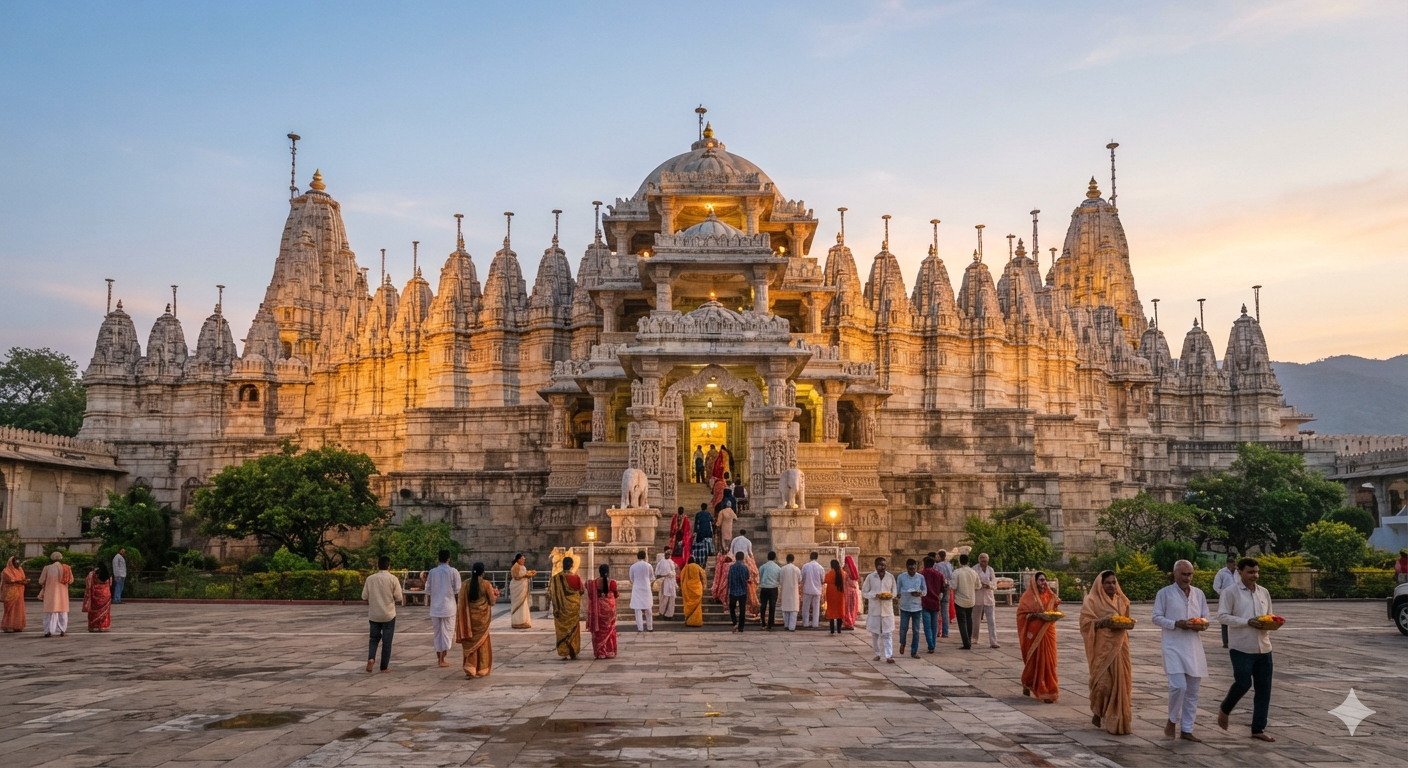
If you’re planning a trip to Khatu Shyam Ji Mandir, getting the timing right can make or break your visit. Show up at the wrong hour and you’ll either be standing outside a closed gate or stuck in a crowd three times the size it needed to be. This temple in Rajasthan’s Sikar district draws pilgrims from every corner of India, and most of them are chasing the same thing: a peaceful few minutes in front of Shyam Baba during Mangala Aarti or Sandhya Aarti.
This guide breaks down the Khatu Shyam Ji Mandir timing for both seasons, walks you through the aarti schedule, and tells you exactly when the temple stays open longer than usual. You’ll also find travel routes, accommodation options near the temple, and a few things first-time visitors wish someone had told them beforehand.
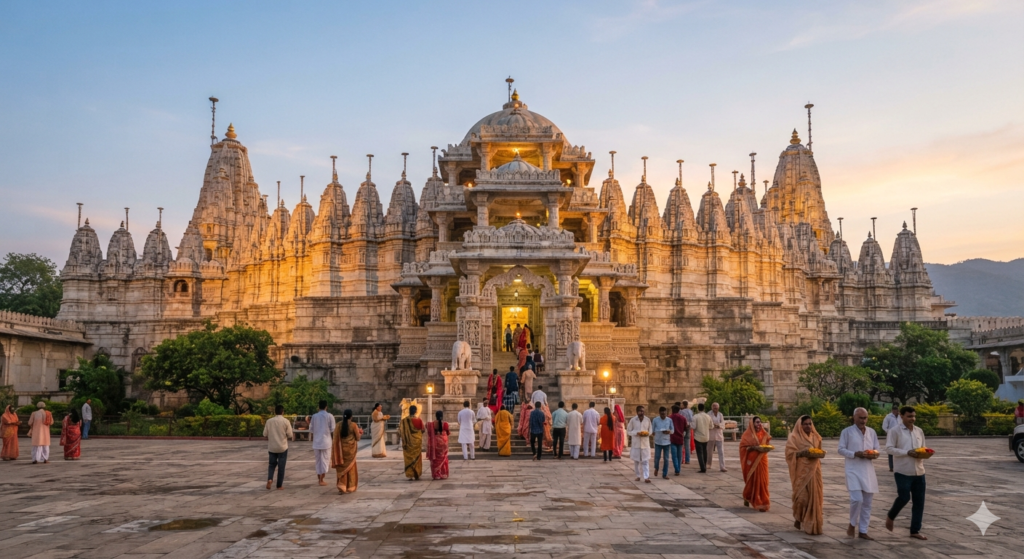
The temple runs on two schedules a year, split by season. Summer hours start earlier because the mornings are already warm by 5 AM, and winter hours shift later to match the slower sunrise. It’s a simple system once you see it laid out.
Here’s the full breakdown:
| Season | Morning Darshan | Evening Darshan |
| Summer (16 March – 30 September) | 4:30 AM – 12:30 PM | 4:00 PM – 10:00 PM |
| Winter (1 October – 15 March) | 5:30 AM – 1:00 PM | 4:30 PM – 9:00 PM |
During summer, the temple opens at 4:30 AM and stays accessible until 12:30 PM for morning darshan. It reopens in the evening at 4:00 PM and runs until 10:00 PM. That’s a longer evening window than winter gets, mostly because the days are longer and the temple trust extends hours to accommodate the steady footfall.
Winter pushes everything back by roughly an hour. Morning darshan runs from 5:30 AM to 1:00 PM, and evening darshan goes from 4:30 PM to 9:00 PM. If you’re visiting between October and March, plan your morning trip a little later than you would in summer — showing up at 4:30 AM in December means standing outside in the cold for no reason.
The core logic is daylight. Summer mornings start earlier because the sun’s already up, and the temple trust uses that extra light to open the doors sooner. Winter evenings close earlier for the opposite reason — once the sun drops, the crowd naturally thins out faster. It’s not an arbitrary shift; it tracks how people actually move through their day in each season.
One thing worth remembering: these timings can shift slightly around major festivals, so it’s smart to call the temple trust helpline before a long-distance trip, especially if you’re traveling from outside Rajasthan.
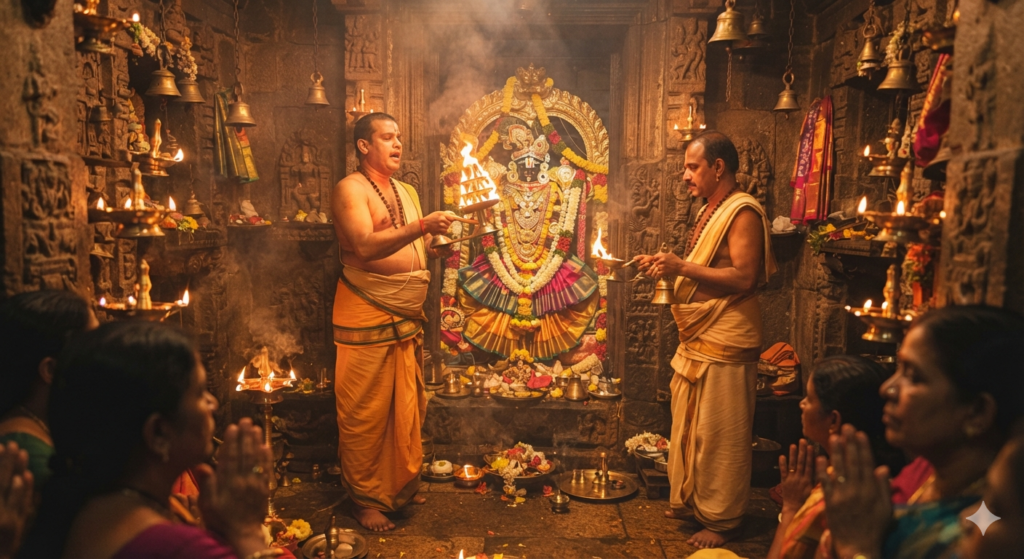
Darshan timing tells you when you can visit. Aarti timing tells you when the temple is at its most alive. Each aarti marks a different stage in the daily ritual, and knowing what happens during each one helps you pick which slot matters most to you.
| Aarti Name | Winter Time | Summer Time | What Happens |
| Mangala Aarti | 5:30 AM | 4:30 AM | Temple opens; the deity is “woken” for the day |
| Shringar Aarti | 8:00 AM | 7:00 AM | Idol is dressed and decorated |
| Bhog Aarti | 12:30 PM | 12:30 PM | Food offering presented to Shyam Baba |
| Sandhya Aarti | 6:30 PM | 7:30 PM | Evening prayer as daylight fades |
| Shayan Aarti | 9:00 PM | 10:00 PM | Final prayer before the temple closes for the night |
Mangala Aarti is the first ritual of the day, performed right as the gates open. This is when the idol is symbolically woken up, and it’s usually the least crowded aarti simply because of the hour. If quiet devotion matters more to you than convenience, this is your slot.
Shringar Aarti happens a couple of hours later, once the idol has been bathed and dressed. Devotees who arrive around 7-8 AM often get to see Shyam Baba in fresh, elaborate attire, which is part of why this slot draws a steady crowd of regulars. Bhog Aarti, around midday, is when the food offering is made — think of it as the temple’s lunch ritual, and it tends to be a shorter, quieter ceremony compared to the morning and evening slots.
Sandhya Aarti marks the transition from day to evening, and its timing shifts by an hour between seasons — 6:30 PM in winter, 7:30 PM in summer. This is often the most crowded aarti of the day since it fits neatly into most people’s travel schedules.
Shayan Aarti is the last ritual, performed just before the temple shuts its doors for the night. It’s a calmer affair, more of a formal closing than a grand ceremony. If you’ve ever attended a temple’s closing aarti anywhere in India, you’ll recognize the mood — hushed, a little bittersweet, and over quickly.
A handful of days each year completely override the standard Khatu Shyam Ji Mandir timing. These are worth knowing about in advance because they change everything from crowd size to how long you’ll realistically spend in line.
Here’s the important nuance most guides miss: dates like Phalgun Mela and Shukla Paksha Ekadashi follow the lunar calendar, which means they shift every year on the Gregorian calendar. Unlike the fixed summer/winter darshan windows, you can’t assume the mela falls on the same date it did last year — always check the temple’s official announcements a few weeks ahead.
Phalgun Mela is the biggest event on the temple’s calendar, typically falling in February or March depending on the lunar cycle. The temple stays open continuously for several days straight, and this is when Khatu village genuinely transforms — streets fill with pilgrims, hymn processions move through the lanes, and the queue for darshan can stretch for hours.
If you’re planning to attend the mela, block out extra time. This isn’t a quick in-and-out visit; treat it more like a multi-day pilgrimage event.
Every Ekadashi in the Shukla Paksha (waxing moon phase) sees the temple stay open around the clock. Regular Ekadashi days don’t get this treatment — it’s specifically the Shukla Paksha ones tied to Khatu Shyam Ji’s significance that trigger 24-hour access. Devotees show up at every hour, including well past midnight, which makes this one of the more unusual darshan experiences at the temple.
Both festivals bring extended evening hours, often stretching until midnight, along with special decorations around the sanctum. These aren’t 24-hour days like Ekadashi, but the extra two to three hours in the evening noticeably change the atmosphere — more lights, more music, and a much larger crowd than a typical evening darshan.
Knowing the temple’s hours only solves half the problem. The other half is picking a day and time that won’t leave you standing in a queue for two hours under the Rajasthan sun.
Most locals and regular devotees point to Tuesdays and Thursdays as the calmer days of the week, since Sunday and Monday tend to pull in weekend travelers from Jaipur and Delhi. On the calendar side, November through March is widely considered the best window to visit — the weather is mild, which matters a lot when you’re walking through an open temple complex in Rajasthan.
Avoid these if you want a quieter visit:
Here’s something most guides gloss over: how long will you actually be standing in line? On a regular weekday morning, outside festival season, most visitors report getting through darshan within 30 to 45 minutes, especially if they arrive close to Mangala Aarti. During Phalgun Mela or Shukla Paksha Ekadashi, that wait can stretch to 3-4 hours or more, simply because of sheer volume.
A useful real-world comparison: a family traveling from Jaipur for a regular Tuesday morning darshan typically completes their visit — including a stop at Shyam Kund — within about 90 minutes door to door. The same family visiting during Phalgun Mela should expect to spend the better part of a day at the temple complex, factoring in the queue, the crowd movement, and the surrounding festivities.
If you’re aiming for Mangala Aarti at 4:30 AM, staying overnight nearby isn’t a luxury — it’s practically a necessity. This is one area where most visitor guides fall short, so here’s the breakdown.
Khatu itself has a number of dharamshalas (pilgrim guesthouses) run either by the temple trust or by private trusts affiliated with devotee communities. These are basic — clean rooms, shared or simple bathrooms, no frills — but they put you within walking distance of the temple, which matters enormously if you want to catch the first aarti of the day. Booking ahead is a good idea during festival season, since rooms fill up fast.
If you’d rather have more amenities, Sikar (about 35 km away) offers a wider range of hotels, and Jaipur (roughly 80-90 km away) has everything from budget stays to full-service hotels. The trade-off is straightforward: comfort versus proximity. Staying in Jaipur makes sense if you’re combining the temple visit with a broader Rajasthan trip; staying in Khatu makes sense if the temple is the trip.
Getting to Khatu is fairly straightforward regardless of where you’re coming from, since it sits on a well-connected stretch of road in Sikar district.
Khatu is about 80-90 km from Jaipur, roughly a two-hour drive depending on traffic. From Delhi, it’s closer to 400 km, which usually means a 6-7 hour drive or an overnight bus. Sikar itself is just 35 km away, making it the closest major town. Regular bus services run this route throughout the year, and taxis are easy to find at all three cities.
Ringas Junction (station code: RGS) is the nearest railway station, about 17 km from the temple. It’s a well-connected junction with trains arriving from multiple directions, and from there, taxis and auto-rickshaws are readily available for the last stretch to Khatu.
Jaipur International Airport is the closest airport, roughly 90 km away. From the airport, you’ve got private taxis, tourist cabs, and Rajasthan Roadways buses to complete the journey — all fairly standard options if you’re flying in from another state.
A first visit to any major temple in India comes with its own learning curve, and Khatu Shyam Ji Mandir is no exception. A little preparation goes a long way here.
Modest, comfortable clothing is expected — nothing too casual, nothing that draws attention for the wrong reasons. Footwear needs to be left at the designated storage counters near the entrance; don’t try to carry shoes inside. Photography is not allowed inside the main sanctum, so leave your phone or camera use for outside the inner shrine. Large bags and unnecessary luggage should be avoided too, since they’re often not permitted past the entrance checkpoints.
A quick checklist before you go:
This is a gap in most existing guides, and it matters more than people admit. The temple complex involves some walking and standing in line, which can be tough for elderly visitors or anyone with mobility challenges. If you’re traveling with someone who needs extra support, aim for a weekday morning outside festival season — the queues move faster and there’s simply more room to maneuver. It’s also worth asking a temple volunteer on-site about any assistance available for elderly devotees, since staff often help guide slower-moving visitors through a side path when crowds are heavy.
Timings shift around festivals, and sometimes those shifts happen with little advance notice. The safest move before any long-distance trip is a quick call or email to confirm.
You can reach the Khatu Shyam Ji temple trust directly at +91-1576-231482 for the latest darshan and aarti updates, or check the official website for festival-specific announcements. This is especially useful if you’re traveling from another state and can’t afford to arrive on the wrong day.
A quick reference for contact:
| Contact Type | Details |
| Helpline Number | +91-1576-231482 |
| Best Use Case | Confirming timing changes before festivals |
| Recommended Action | Call a few days before travel during Phalgun Mela or Ekadashi |
Rajasthan has no shortage of temples, but there’s something about Khatu Shyam Ji Mandir that keeps pulling people back year after year — maybe it’s the story of Barbarik’s devotion, or maybe it’s just the quiet of Mangala Aarti before the rest of the world wakes up. Whatever draws you there, timing your visit right is what turns a rushed errand into an experience you actually remember. So, which aarti are you planning to catch first?