Physical Address
304 North Cardinal St.
Dorchester Center, MA 02124
Physical Address
304 North Cardinal St.
Dorchester Center, MA 02124

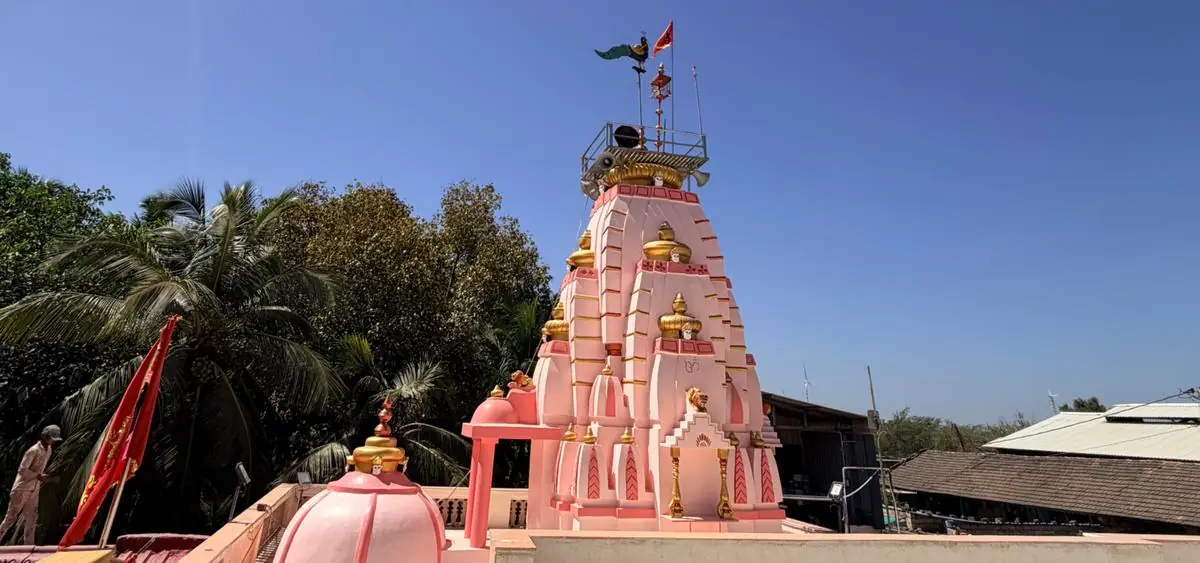
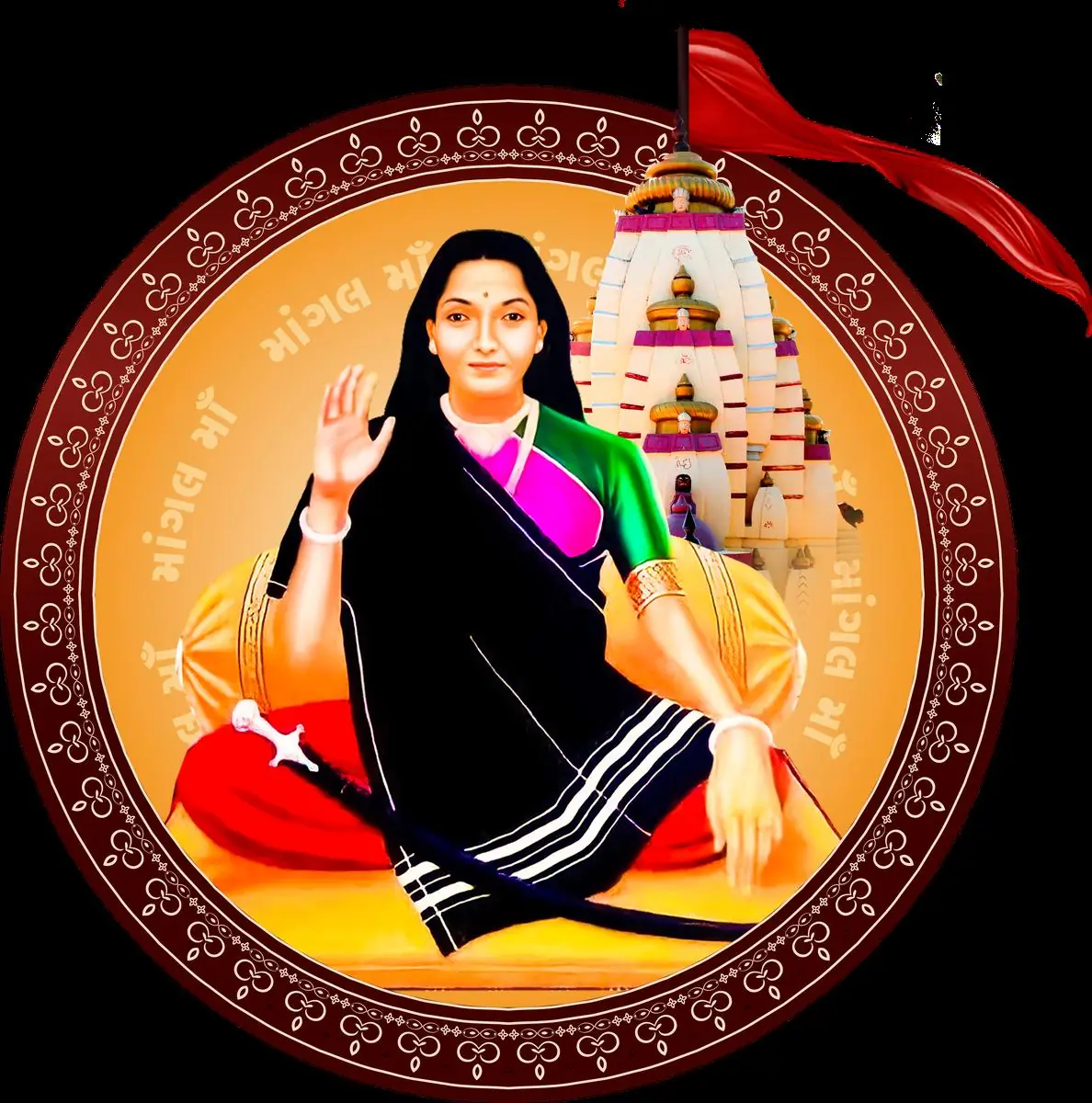
Mogaldham Bhaguda, also known as Bhaguda Mogal Dham, is an important religious destination associated with Mogal Maa in Gujarat. Devotees visit the maa temple at Bhaguda village to offer prayers, seek blessings and attend darshan, aarti and festival celebrations. Because temple schedules can change on regular days, weekends and special occasions, checking current information before travelling matters.
This article explains the location, likely visit planning process, darshan and pooja arrangements, booking questions, entry etiquette, travel considerations and festival-day precautions. It also separates generally useful guidance from temple-specific information that should be confirmed with the local administration before you come.
Bhaguda Mogal Dham is associated with Bhaguda village in the Mahuva area of Bhavnagar district, Gujarat. Searchers may also find the place described as Temple Bhaguda, Mogal Dham or the Bhaguda Mogal Maa temple. These names generally refer to the same pilgrimage destination, although local listings and map labels may use slightly different spellings.
The temple is important to devotees of Mogal Maa, a widely revered goddess in Gujarat and among Gujarati communities elsewhere in India. Many visitors come with family members to pray for wellbeing, express gratitude or fulfil a personal vow. Devotees may believe that the goddess fulfils wishes, but such beliefs belong to faith and tradition rather than something that can be independently measured or guaranteed.
The shrine is located in or around Bhaguda village in the Mahuva region of Gujarat. The wider administrative reference is commonly connected with Mahuva taluka and Bhavnagar district. Since rural addresses, road names and map pins can vary, travellers should confirm the exact route using a current map application or information provided by the temple trust.
Do not rely only on an old social media post for the final route. Road diversions, village access roads and festival traffic can alter travel time, particularly during Navratri, Patotsav and other important religious gatherings.
Mogal Maa worship is rooted in local devotion, oral traditions and community practice. Families may visit the dham temple after a prayer has been answered, before an important event or as part of a regular pilgrimage circuit. Some devotees carry offerings, while others simply attend darshan and sit quietly in the temple premises.
Stories about Mogal Maa and Bhaguda are often shared through family traditions, bhajans and local religious gatherings. Different communities may explain the origin and history of the shrine in different ways. For that reason, a traditional account should be presented as a belief or local narrative unless it is supported by an official historical record.
There is no single universal timing that should be assumed for every visit. A temple may open early in the morning, close for a short period during the day, reopen for evening darshan and adjust its routine on festival days. The exact schedule for Mogaldham Bhaguda should be confirmed with the temple trust, administration or an official booking channel before departure.
Online directories can be useful for finding a location, but they may not reflect a recent change in opening hours, a special pooja, crowd-control arrangement or temporary closure. Treat an unverified timing as a planning estimate, not as a confirmed temple rule.
| Visit situation | What may happen | Best planning approach |
|---|---|---|
| Ordinary weekday | Regular darshan and daily worship may follow the routine announced by the temple | Confirm opening, closing and aarti times before leaving |
| Weekend or public holiday | More visitors may arrive, and queues can take longer | Reach before the busiest period and allow extra time |
| Navratri or major religious festival | Darshan routes, parking and entry systems may change | Check festival notices and travel with a flexible schedule |
| Patotsav or temple anniversary | Special rituals, processions or crowd restrictions may apply | Ask whether advance registration or a separate pass is required |
| Special pooja booking | Participation may depend on available slots and temple rules | Use only an official booking method and retain confirmation details |
Many Hindu temples organise worship around morning opening, scheduled pooja, midday arrangements and evening aarti. That pattern is common, but it doesn’t prove that Bhaguda follows identical hours every day. A visitor who arrives close to a ritual may be asked to wait until the ceremony is completed or until a queue is reopened.
If your journey involves a long drive, ask specifically about four points: the first darshan, any midday closure, the last evening entry and the time of aarti. “Temple open” and “special darshan available” don’t always mean the same thing.
On an ordinary day, arriving before the expected busy period can make the visit calmer. During festival dates, the practical buffer should be much larger because traffic, parking, security checks and queues may all take longer than expected.
Pooja means a devotional worship service that may include offerings, prayers, lamps, flowers, recitation or other rituals. Aarti is the worship practice in which a lit lamp is circulated before the deity, usually accompanied by devotional singing. The timing and format of these services are determined by the temple’s own tradition and daily calendar.
Visitors shouldn’t assume that attending darshan automatically includes participation in a booked pooja. Some rituals are conducted only by temple priests, while others may allow devotees to sponsor or attend them under stated conditions. Ask the administration what the selected service includes before making payment.

The exact names and availability can differ, but devotees may enquire about the following:
These are categories of enquiry, not a confirmed list of services at Mogaldham Bhaguda. The temple office should be treated as the final authority for the current ritual calendar, eligibility rules, donation amount and receipt process.
In many temples, devotees can attend aarti from a designated area. Access may be limited during crowded festivals or when the ritual is performed in a restricted section. A separate pass may or may not be required, so confirm the arrangement before planning your day around aarti.
Arriving several minutes before the announced time is sensible. Late arrivals may need to stand at the rear or wait until the ritual ends, particularly if the temple is controlling movement for safety.
“Booking” can mean different things at a temple. It might refer to a pooja slot, a special darshan pass, a donation receipt, a group visit request or an accommodation arrangement. Before searching for a booking window, identify the service you actually need.
At the time of writing, a universally verified public booking timetable for all Mogaldham Bhaguda services cannot be stated confidently. The booking window, if available, may change according to the trust’s system and the festival calendar. Confirm current details through the official temple office, trust announcement or authorised portal.
If the temple provides online registration, the process will usually require visitors to select a service or date, enter contact information, provide the names of participants and complete the payment or confirmation step. The exact fields and payment methods are temple-specific.
Never send money to a personal number merely because the sender uses the name of Mogal Maa or Bhaguda Dham. If the page looks unusual, contains urgent payment pressure or fails to provide a receipt, verify it with the temple administration first.
Some devotees prefer to enquire at a counter because staff can explain the available pooja, timings and documents in Gujarati or another familiar language. Offline arrangements may be subject to counter hours, daily capacity and the presence of the responsible office staff.
If you’re travelling from far away, phone the administration before relying on same-day registration. A counter may accept requests only during a defined period, and festival demand can close availability early.
Requirements can vary by service. A regular darshan visit may not need formal registration, while a booked pooja or special entry could require identification or a confirmation number.
Don’t upload identity documents to an unofficial website. Use only the channel confirmed by the temple trust and avoid sharing more personal information than the booking process requires.
Entry arrangements may include a queue, security screening, footwear removal and a designated darshan path. On ordinary days, the procedure may be straightforward; during Navratri, Patotsav or a large community event, the route can be divided into separate lines for general visitors, families, booked services or volunteers.
Follow signs and instructions from temple staff. A person offering to bypass the queue for an unofficial charge isn’t a reliable source of access, and accepting such an arrangement can create confusion for other devotees.

Most temple visits involve several small practical steps. You may need to park away from the entrance, remove footwear, pass through a security check and join a line before reaching the sanctum or viewing area. The available space for sitting, photography and offerings may be limited.
Keep your belongings secure and avoid bringing unnecessary valuables. If the temple has a footwear counter or locker facility, ask about the process and any token you must retain. Facilities may be basic in a village setting, especially during very busy periods.
Choose clean, modest clothing suitable for a religious place. The temple may have its own expectations about head coverings, footwear, photography or access to particular areas. When a local instruction is stricter than general custom, follow the posted rule or ask a member of the administration.
Festival days can change the entire rhythm of a pilgrimage. Navratri may bring larger crowds, devotional programmes and extended activity, while Patotsav may involve anniversary worship or special ceremonies connected with the temple’s tradition. These events are religious occasions, not simply sightseeing dates.
The date of a festival and the public access arrangement should be verified each year. Lunar calendars, local decisions, security plans and the temple’s programme can affect the published schedule. A social post from an earlier year may be useful background, but it shouldn’t be treated as a current announcement.

Expect slower roads near Bhaguda village and possible changes to parking or pedestrian access. A temporary queue system may place visitors in holding areas before they reach the temple. Food stalls, water points and public facilities may also be busier than usual.
Families with older adults, young children or people with mobility limitations should plan breaks and avoid assuming that a vehicle can reach the main entrance. Ask the local administration about accessible access and the nearest permitted drop-off point before arrival.
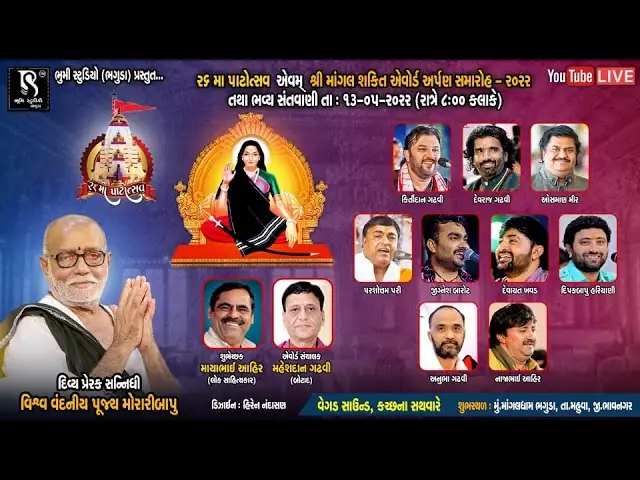
Patotsav generally refers to a temple anniversary or consecration-related celebration, although the programme differs by institution. It may include special pooja, aarti, devotional singing, community meals or a larger gathering of important devotees.
Whether general darshan continues throughout the programme is a temple-specific question. Contact the trust to ask whether the sanctum is open, whether a separate pass is needed and whether visitors can enter during the main ceremony.
Travellers often search for the Bhaguda Mogal Dham distance from their home city, but there isn’t one useful answer without a starting point. Distance and journey time depend on whether you’re coming from Bhavnagar, Mahuva, Surat, Ahmedabad, Rajkot or another location, as well as road conditions and festival traffic.
Use a current map service for the route, then confirm the final temple landmark locally. For broad regional travel information, you can also consult the official Gujarat Tourism website, while remembering that the temple trust remains the best source for darshan and pooja rules.
Plan to reach the area with a buffer rather than calculating the journey to the minute. A delayed bus, a meal stop, a crowded village road or a queue at the entrance can quickly affect a tightly timed booking.
If your booking is time-bound, aim to arrive well before the reporting time printed on the receipt. If no reporting time is provided, ask the temple office whether the confirmation is valid for the whole day or only for a specific slot.
Facilities around a rural pilgrimage site may differ from those in a city temple. Carry drinking water unless you’ve confirmed that a safe refill point is available, and keep essential medicines accessible. Accommodation options, if any, should be checked independently for location, check-in time and festival availability.
Do not assume that a temple donation, pooja booking or prasad arrangement includes a room, meal or transport. These are separate services unless the official receipt clearly says otherwise.

Consider a family planning a weekend visit to Mogaldham Bhaguda. They find an old online listing that mentions morning darshan, but it doesn’t show a date or official source. Instead of treating that listing as final, they contact the temple administration, confirm whether the temple will close during a scheduled pooja, ask about parking and check whether any advance registration applies.
They then save the contact response, carry identification and reach the area before the expected crowd. At the entrance, they follow the general queue, keep their phones silent and ask permission before taking photographs. This example doesn’t claim a particular official timing or policy; it shows a safer method for handling information that may change.
A booking may be cancellable, transferable, reschedulable or completely non-refundable depending on the service and the temple’s terms. There is no responsible way to state one universal policy for Mogaldham Bhaguda without seeing the current official conditions.
Read the confirmation page before payment. Look for the cancellation deadline, rescheduling procedure, permitted name changes, refund method and contact details for failed transactions.
Payment disputes should be handled through the authorised payment provider and the temple office. Avoid public arguments at the entrance; staff can usually verify a booking more effectively when you provide the original reference number and registered mobile number.
Reliable information matters because temple schedules are operational details, not permanent facts. A page may rank highly in search results and still contain an old phone number, outdated timings or a festival date from a previous year.
Use a simple verification routine before travelling:
When two sources disagree, prefer the most recent notice issued by the temple administration. If no official notice is available, plan conservatively and allow extra time rather than assuming the more convenient timing is correct.
Mogaldham Bhaguda is associated with Bhaguda village in the Mahuva area of Gujarat’s Bhavnagar district. Because map labels and local route descriptions can differ, confirm the exact entrance and route with the temple administration before travelling.
The current darshan schedule should be verified directly with the temple trust or administration. Opening hours may change for daily worship, aarti, Navratri, Patotsav, maintenance, crowd management or other local reasons.
Online booking depends on the services currently offered by the temple. If an official portal exists, use that channel and save the confirmation. Don’t assume that a third-party listing or personal payment number is authorised.
Regular darshan may not require formal documents, but a booked pooja or special entry could require a government photo ID, booking receipt or registered mobile number. Check the instructions for your specific service before leaving.
Special events usually involve worship and devotional activity, but visitor access and darshan routes can change. Confirm the festival programme, entry procedure, crowd restrictions and timing with the temple administration for the relevant year.
A visit to Mogaldham Bhaguda is best planned with both devotion and practical care. Confirm the latest darshan, pooja, aarti and booking details; carry the right documents; allow extra time for village roads and queues; and follow the temple’s instructions once you arrive.
Because schedules and facilities can change, make the official temple trust or administration your final checkpoint before travelling. If you’ve recently received a verified update about Bhaguda Mogal Dham, sharing it through a reliable local channel can help other devotees plan their visit respectfully and safely.