Physical Address
304 North Cardinal St.
Dorchester Center, MA 02124
Physical Address
304 North Cardinal St.
Dorchester Center, MA 02124
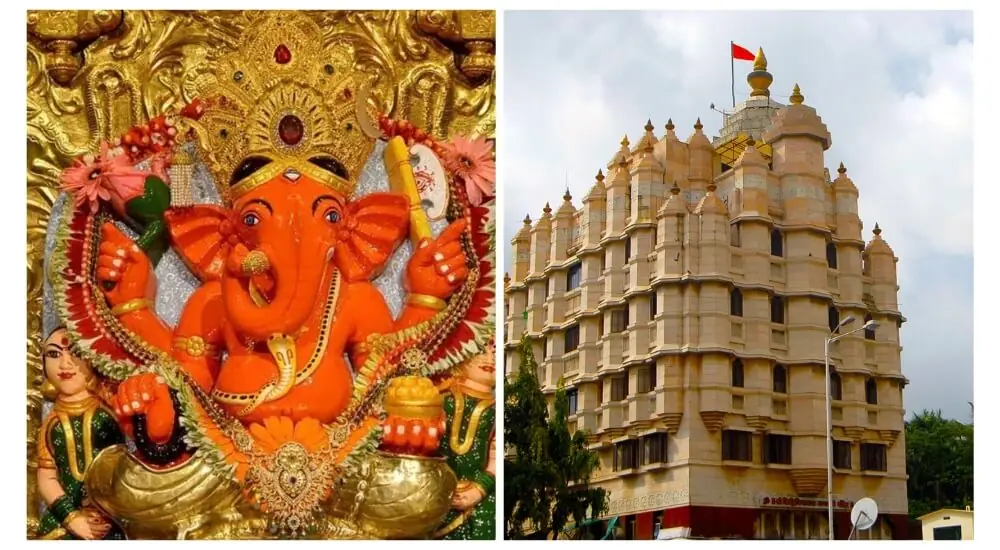
Siddhivinayak Temple Mumbai is one of Maharashtra’s best-known Ganapati temples, drawing devotees from across India for darshan of Shri Siddhivinayak. The visit can be deeply meaningful, but practical details matter: daily schedules, pooja access, queues, festival restrictions and booking arrangements may change without much notice.
This article explains how to plan your visit, what the rituals mean, which days tend to be busy, how to verify current information, and what first-time visitors should expect around Prabhadevi and Dadar. You’ll also find travel guidance, a timing comparison table, safety reminders and answers to common questions before you leave home.
Siddhivinayak Temple Mumbai is formally associated with Lord Ganesha, the remover of obstacles and the deity traditionally worshipped before beginning an important activity. The central image is revered as Shri Siddhivinayak, a form of Ganapati whose name is linked with fulfilment, accomplishment and auspicious beginnings. Devotees visit for personal prayers, family milestones, examinations, business decisions, health concerns and religious observances.
The temple’s reputation comes from a combination of faith, history, accessibility and public visibility. Located in the Prabhadevi area of Mumbai, it is within reach of major roads, railway connections and commercial neighbourhoods. The shrine has also received attention because public figures, artists, sportspersons and politicians have visited it, although a famous visitor should never be treated as evidence of a guaranteed spiritual or material result.
For many worshippers, the attraction is less about the size of the complex and more about the intimacy of the sanctum. The idol is traditionally described as having a right-curving trunk, a form that many devotees regard as especially significant and one that is approached with discipline and respect. Religious interpretations can vary among families and traditions, so visitors should follow the temple’s own instructions rather than relying only on informal social-media explanations.
The temple trust supports worship-related administration and may also be connected with charitable or community-oriented activities. Such work can include assistance programmes, medical support, educational initiatives or other public-service efforts, but the exact scope and current operation should be checked through official trust communications. If you’re researching the temple for a family visit, the spiritual experience and the practical queue system deserve equal attention.
The shrine is widely known to have been established in the nineteenth century, and commonly cited accounts place its foundation in the early 1800s. Popular historical narratives associate the temple’s origin with a devotee’s wish to establish a Ganapati shrine, after which the temple gradually developed into an important place of worship. Because public summaries sometimes differ in wording and detail, readers should consult official temple material or a reliable institutional source for the definitive historical account.
The name “Siddhivinayak” combines ideas connected with accomplishment and Lord Vinayak, another name for Ganesha. In Hindu worship, Ganesha is often invoked at the start of ceremonies, journeys, examinations, housewarming functions and other significant events. This explains why the temple attracts both regular worshippers and people visiting Mumbai for a specific prayer or life occasion.
The idol and sanctum form the spiritual centre of the complex. A visitor may notice the importance of the inner shrine, the disciplined movement of the queue, the sound of bells or chants, and the short amount of time available for direct darshan when crowds are heavy. Darshan means seeing and receiving the presence or blessing of the deity; it isn’t simply a sightseeing stop.
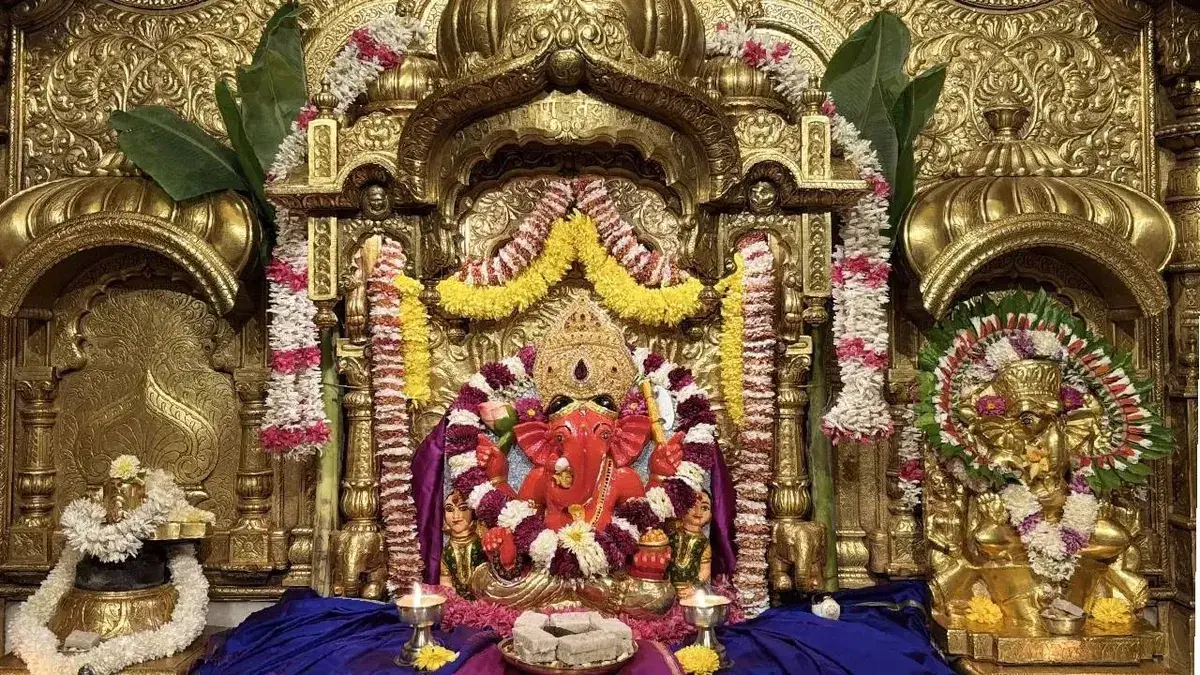
People come with different intentions. Some offer a simple namaskar, while others bring a sankalp, or a personal religious resolve, connected with a family event. Common reasons include seeking blessings for a new job, marriage, childbirth, education, travel, health or a new enterprise.
The temple doesn’t need to be treated as a place where one must perform an elaborate ritual to be sincere. Quiet prayer, respectful conduct and attention to the current instructions are usually more important than the length of a visit.
Ganapati worship often includes flowers, durva grass, modak or other customary offerings, but visitors shouldn’t assume that every item can be carried into the inner area. Offering rules may depend on security, hygiene, festival arrangements and the form of darshan available that day. Check before purchasing materials from roadside vendors, especially if you have a strict budget or are travelling with children.
Searches for Siddhivinayak Temple Mumbai timings are common because the daily programme may include opening hours, scheduled aarti, naivedya, cleaning, crowd-control pauses and special pooja periods. A timing displayed on an old travel page, map listing or social-media post may not reflect the current schedule. The temple can also alter access arrangements for festivals, security requirements, VIP visits, maintenance or other administrative reasons.
Rather than treating one online timetable as permanent, verify the schedule shortly before travelling through the temple’s official communication channels. The official website is the most appropriate starting point for current notices, available services and booking information; check the official Siddhivinayak Temple website before relying on any stated time.
The following table is a planning framework, not a substitute for the latest official notice. It explains the types of timing you may encounter and what each usually means in practice.
| Schedule element | What it may involve | What visitors should do |
|---|---|---|
| Regular darshan window | General public access to view the deity, subject to queue capacity | Confirm opening and closing times before departure |
| Aarti period | Collective worship with lamps, chanting and ceremonial offerings | Ask whether general darshan pauses or changes during aarti |
| Special pooja slot | A booked or controlled ritual connected with an offering or sankalp | Check reporting time, identity requirements and permitted items |
| Festival schedule | Extended religious activity, crowd restrictions or altered entry routes | Verify the festival-specific notice rather than using a normal-day timetable |
| Temporary closure or pause | Cleaning, security, maintenance, ritual preparation or administrative decision | Wait for an official reopening update and avoid relying on rumours |
Do not plan your railway connection, return bus or flight around a narrow darshan estimate. Even when the temple opens on time, the queue may extend beyond the immediate entrance, and the period required for security checks can change. A flexible itinerary is safer than assuming you’ll complete worship within a fixed number of minutes.
Temple worship includes several layers. General darshan is the simplest: you join the permitted queue and receive a view of the deity.
Aarti is a formal worship ceremony involving lamps, music or recitation, while a pooja may involve a specific ritual, offering or prayer performed according to the temple’s arrangements. The names, availability, eligibility and procedure for these services can change, so don’t infer current booking details from a video recorded years ago.
Devotees sometimes ask about Kakad Aarti, Maha Aarti, Naivedya, Abhishek or other named services. These terms can refer to different forms of worship in different temples.
A morning aarti may be associated with the beginning of the day, while naivedya refers to food offered to the deity. Abhishek generally means ritual bathing or ceremonial pouring, but whether devotees can participate directly depends entirely on the temple’s current policy.
If you want a specific pooja, first identify whether it is available to the general public, available only by prior booking, or performed by temple priests on behalf of devotees. Ask these practical questions before paying or travelling:
Never assume that a paid ritual gives unrestricted access to the sanctum or allows photography. A receipt may confirm participation in a service while entry, queue movement and viewing remain controlled for security and crowd management. If an intermediary promises instant access, a guaranteed close darshan or a special privilege not shown in official communication, treat the claim cautiously.
“Booking timing” can mean two different things. It may refer to the hours during which an online or counter reservation is available, or it may mean the reporting time printed on a confirmed pooja or darshan booking.
These aren’t interchangeable. A portal might accept reservations throughout a day while assigning a particular date and time for physical reporting.
Before making a reservation, check the official portal’s terms, cancellation rules and payment confirmation. Use the website address carefully; sponsored search results, social-media accounts and unofficial agents can create confusion. A legitimate process should clearly identify the temple, the service, the selected date or slot, the amount payable if applicable, and the conditions attached to the booking.
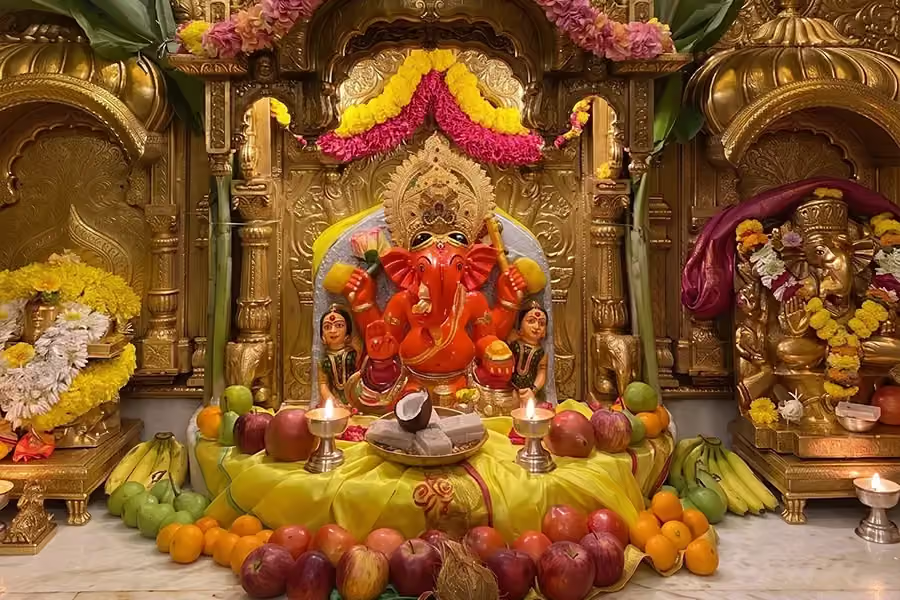
Booking availability can close when daily capacity is reached. It may also be suspended during Ganesh Chaturthi, Sankashti Chaturthi, major public events or security-sensitive visits. A booking portal that shows no slots doesn’t necessarily mean the temple is permanently closed; it may indicate full capacity, a changed process or a temporary pause.
Be particularly careful with QR codes shared in messaging groups. Don’t send an advance payment to a personal bank account merely because someone uses the temple’s name or logo. For a family visit, print or save all records, carry the original identity document requested by the official instructions, and leave enough time for traffic and entry checks.
There is no single universally quiet day at a famous ganapati temple. Weekends, public holidays and auspicious occasions often bring more visitors, while major Ganesh-related observances can create exceptionally high demand. Tuesdays and Sankashti Chaturthi are traditionally important to many Ganesha devotees, but crowd levels vary by calendar, weather, local events and the temple’s operating arrangements.
Festival periods deserve separate planning. Ganesh Chaturthi can involve large devotional gatherings, special decorations, processions and altered traffic patterns.
On such occasions, general visitors may face barricades, longer walking routes, restricted vehicle access or a different queue system. The temple may also publish instructions about bags, footwear, offerings, photography and the number of people allowed in a group.
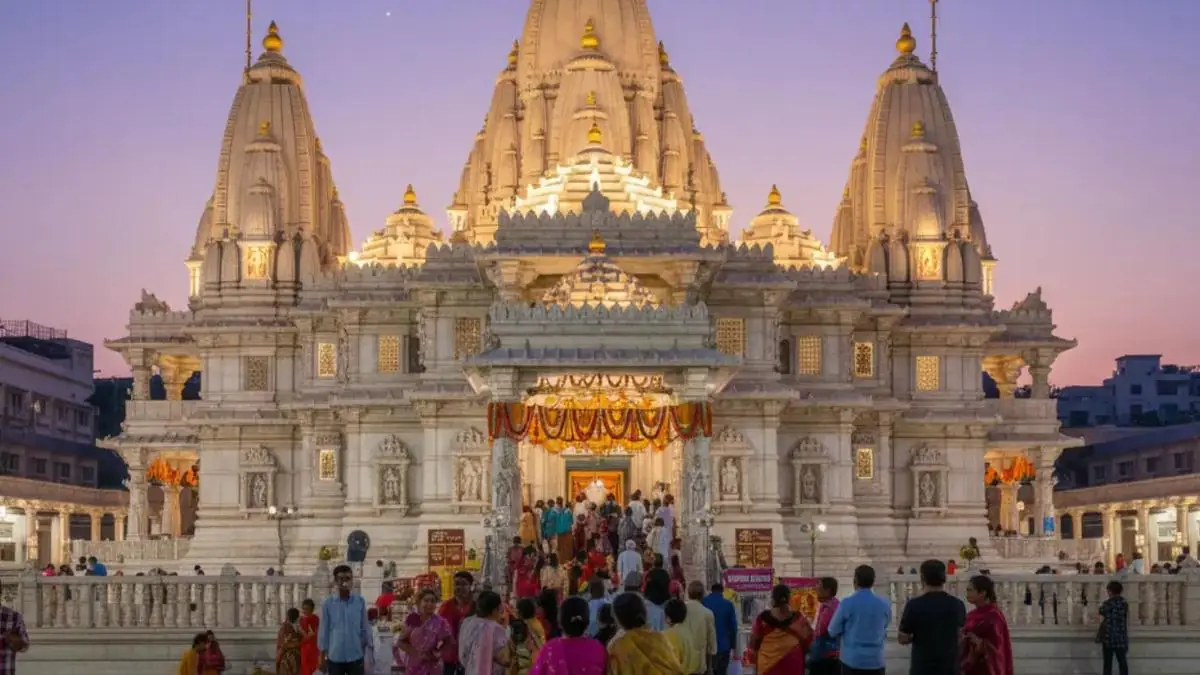
If your priority is a calmer experience, consider a non-festival weekday and avoid arriving immediately before a widely publicised aarti. That still isn’t a guarantee of a short queue. Mumbai’s local traffic, school holidays and sudden public interest can change the situation quickly.
Arriving very early can help with heat and traffic, but only if the temple is scheduled to accept devotees at that time. Reaching before opening and waiting on a public road may be uncomfortable, particularly for older people. Confirm the first permitted entry rather than relying on a generic statement that the temple “opens at dawn.”
A useful approach is to check the latest notice on the day before your visit and again on the morning of travel. Ask the official contact point specifically about:
Siddhivinayak Temple is in Prabhadevi, a well-known part of central Mumbai. People often search for “Siddhivinayak Temple Mumbai Dadar” because Dadar is a familiar transport reference point and lies close to the temple area. The nearest practical railway option can depend on your line, train service and final route, so confirm the current station-to-temple connection through a live map or local transport information on the day.
From railway stations, buses, taxis and app-based cabs may be available, but traffic can be slow around peak office hours, weekends and religious events. A short map distance doesn’t always equal a short travel time. If you have a pooja reporting appointment, add a generous buffer and avoid scheduling another important commitment immediately afterwards.
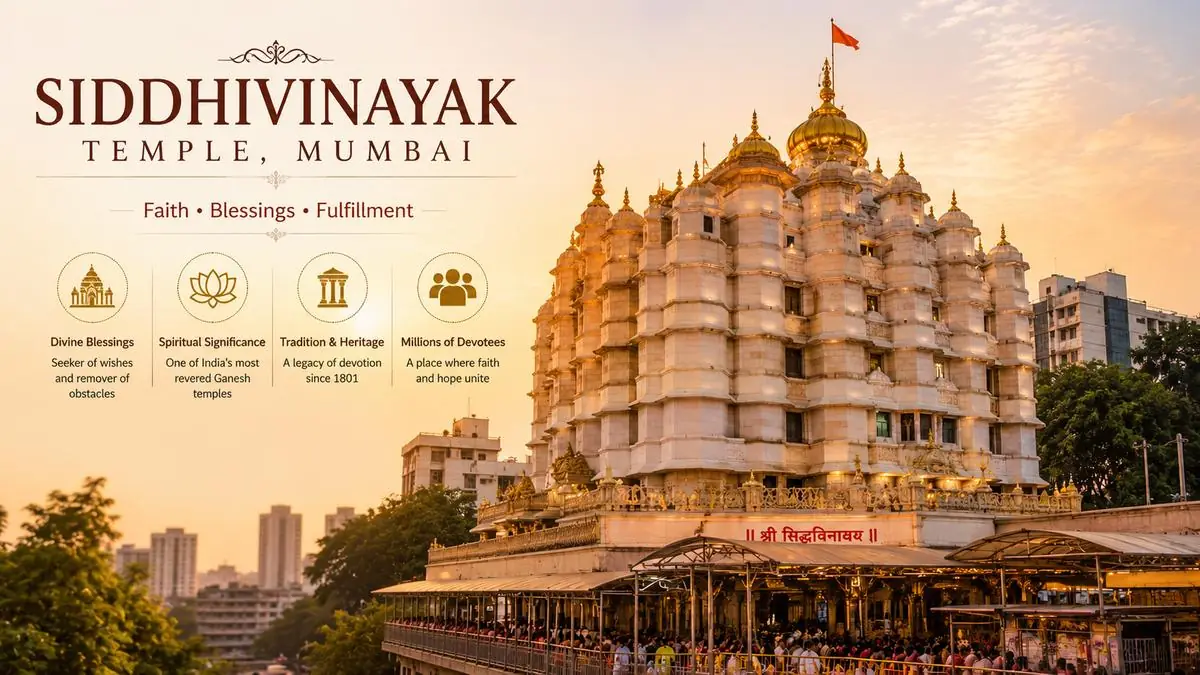
Photography rules can apply inside or near sensitive areas. Don’t assume that taking Siddhivinayak Temple Mumbai photos is permitted simply because other visitors appear to be using phones. Temple staff and security personnel may ask people to stop photographing the sanctum, queues, rituals or other devotees.
Footwear arrangements, lockers and waiting facilities may be available in some form, but their location and operation can change. Ask staff instead of leaving valuables unattended or paying an unofficial person to “look after” belongings. Families should decide on a meeting point outside the crowd in case someone is separated.
A first visit can feel intense because the temple environment combines faith, sound, movement and a large urban crowd. You may pass through security, join a barricaded queue, move gradually towards the inner viewing area and then be guided forward soon after receiving darshan. That pace isn’t meant to diminish the prayer; it allows more people to enter safely.
Do not stop suddenly in a narrow passage to adjust bags, take pictures or call family members. If you need assistance, move to the side only where staff permit it. Parents should keep children close, while older devotees may need a planned break before entering the queue rather than trying to rest in a moving line.
Example, not a verified account: imagine a family from Pune travelling on a Saturday with two grandparents and a child. They find a timing on an old blog, assume the queue will take 30 minutes and book a return train soon after lunch.
On arrival, they discover a festival-related crowd-control arrangement and a longer route from the drop-off point. The grandparents become tired, and the family has to abandon the return plan.
A better plan would be to verify the official schedule the previous evening, ask about accessible entry and likely restrictions, choose a flexible return ticket, carry prescribed medicines and avoid planning another appointment immediately after darshan. This example illustrates planning principles, not a claim about a particular day’s actual crowd or temple policy.
Visitors should also remember that temple staff are managing safety and ritual order, not merely serving as tourist information workers. Speak politely, follow instructions and don’t argue for a private exception in a public queue. Respect for other devotees is part of the worship experience.
Traditional temple etiquette begins with cleanliness, appropriate clothing and a calm approach. Many devotees wash or bathe before worship, though travellers may not have that option. What matters in a public visit is maintaining personal hygiene, avoiding disruptive behaviour and treating the deity, priests, staff and fellow worshippers respectfully.
Offerings such as flowers, durva, coconuts and modak are culturally familiar in Ganapati worship, but the temple may regulate them. Some items can create waste, hygiene issues or security concerns. Buy offerings only after checking what the current counter or notice permits; don’t pressure a priest or security worker to accept an item that has been restricted.
Prasad is a sacred offering in many Hindu traditions and should be received respectfully. If you have allergies, diabetes or dietary restrictions, ask what is included before consuming it. Families travelling with infants should carry their own medically necessary supplies and should not assume that temple food will meet a child’s dietary needs.
Temple trust activities and charity work can be meaningful parts of the institution’s public role, but donations should be made through recognised counters or official payment channels. Ask for a receipt where applicable.
Be wary of people outside the complex who claim that a larger payment is required to remove a curse, guarantee a result or obtain a secret ritual. Such pressure is not a substitute for official temple procedure.
People often search for Siddhivinayak Temple Mumbai live darshan, gallery pages and images before visiting. Online photographs can help you recognise the exterior, surrounding roads or general layout, but they don’t reliably show the current queue, entry route or crowd density. A live stream, if offered, may also be interrupted or unavailable during technical work, ritual restrictions or administrative changes.
Use social media as a secondary source for atmosphere, not as final authority for timings, fees or access. Posts can be reshared long after the information has expired. A short video showing an open gate doesn’t prove that the same gate will be used during a festival or that general darshan is operating at the time you plan to arrive.
When checking information online, compare the date of the notice and the identity of the publisher. An official temple trust announcement is more reliable than an anonymous message, while a reputable news report can provide context about traffic or a major public event. Even then, temple-specific entry instructions should be confirmed with the temple’s own current communication.
Search snippets can be misleading because they may combine old details with a current page title. Open the source, read the full notice and look for a contact number or update date. If no reliable current schedule is available, say that plainly to your travelling companions and build flexibility into the itinerary rather than guessing.
Its fame comes from long-standing worship, the revered Siddhivinayak idol, its location in Mumbai and the large number of devotees who visit for blessings. Public visibility and visits by well-known personalities have also increased awareness, but the temple’s significance is primarily religious.
Weekends, public holidays, Tuesdays, Sankashti Chaturthi and major Ganapati observances can be busy. There is no dependable guarantee that a particular weekday will be quiet. Check current notices and allow extra time.
Do not rely on a permanent weekly-closure claim from an old listing. Daily operations, ritual pauses and temporary closures can change. Confirm the current status through the official temple website, helpline or notice before travelling.
The time inside the viewing area may be brief, but the total visit can be much longer because of travel, security, queueing and crowd control. The duration varies by day, service, festival and entry arrangement, so avoid promising yourself or others a fixed completion time.
Availability and the type of online service can change. Some arrangements may relate to special pooja or a controlled service rather than ordinary walk-in darshan. Use only the current official booking information and read the conditions before paying.
Photography may be restricted in the sanctum, queue or other areas. Follow the signs and staff instructions. A photo gallery online doesn’t establish that visitors may take pictures during their own visit.
A successful visit to Siddhivinayak Temple Mumbai begins with one simple habit: verify before you travel. Check the current darshan and pooja schedule, confirm whether booking is needed, review festival or security notices, and allow more time than the map distance suggests. Keep your documents, phone and essential medicines secure, while carrying as little else as possible.
The spiritual value of a temple visit isn’t measured by how quickly you reach the sanctum or how many photographs you bring home. If you approach Shri Siddhivinayak with patience, respect and realistic planning, the experience is likely to feel more peaceful for you and for the devotees around you. Before setting out, check the latest official update and ask yourself one practical question: have you left enough room in your day for the temple’s schedule, rather than forcing the temple into yours?





